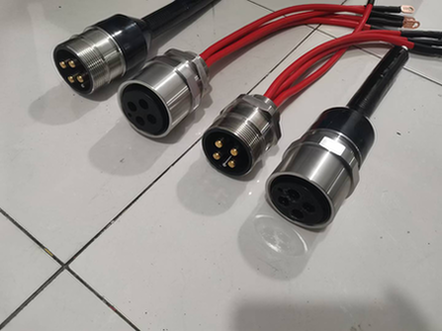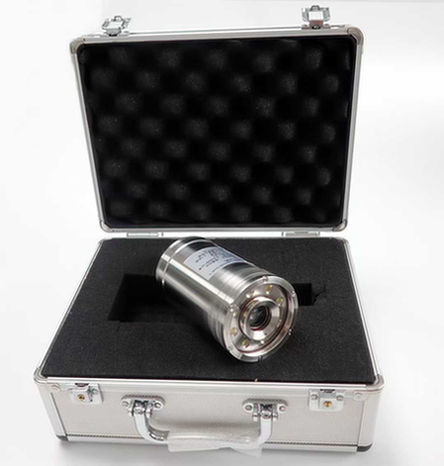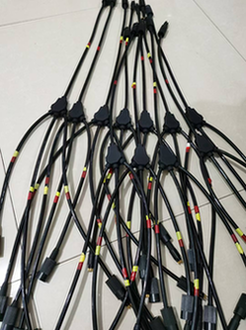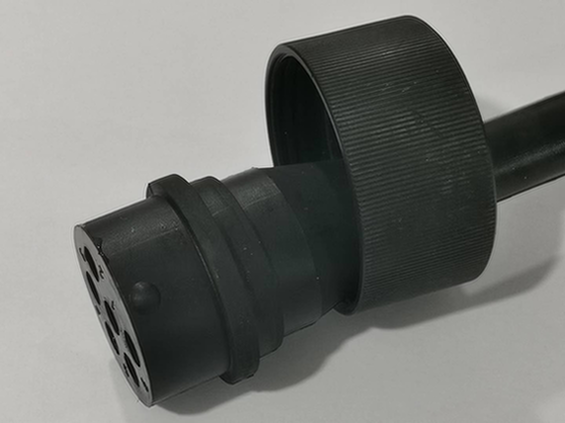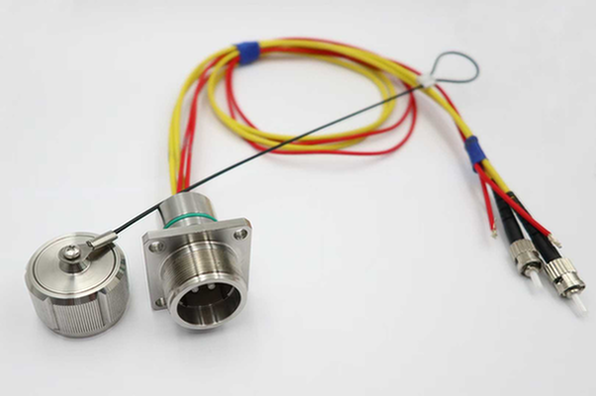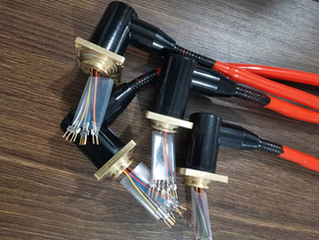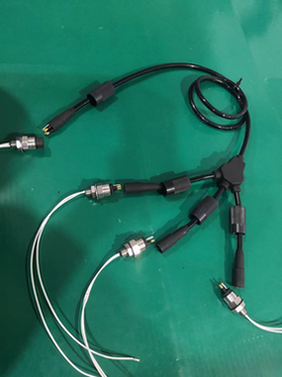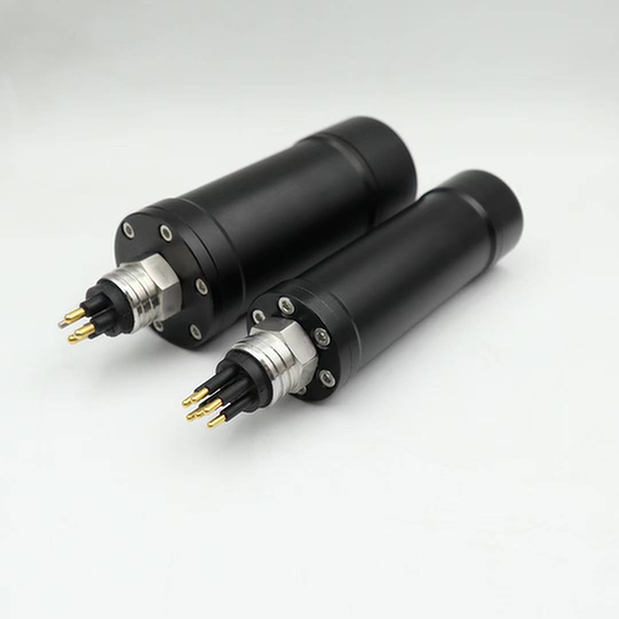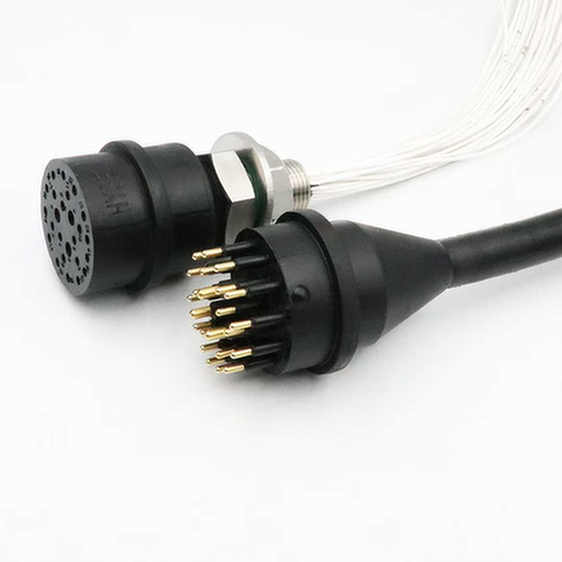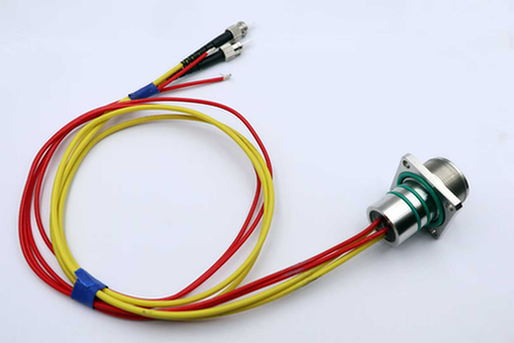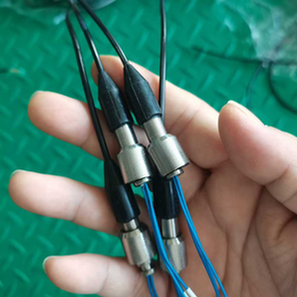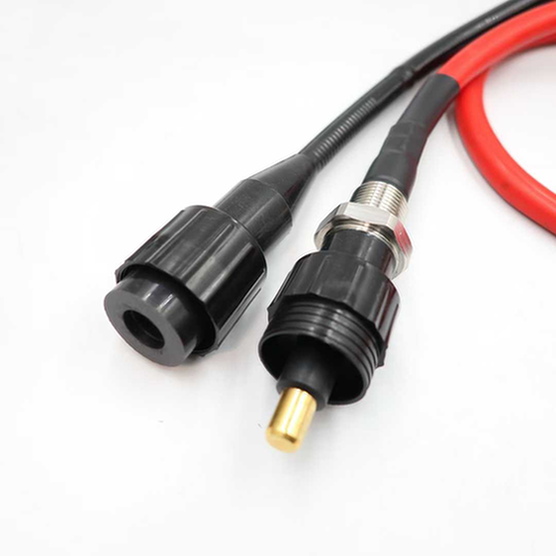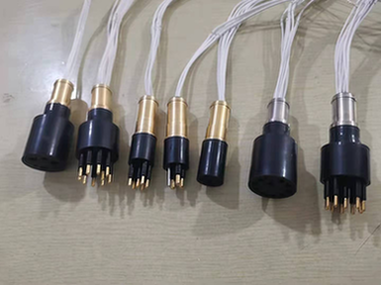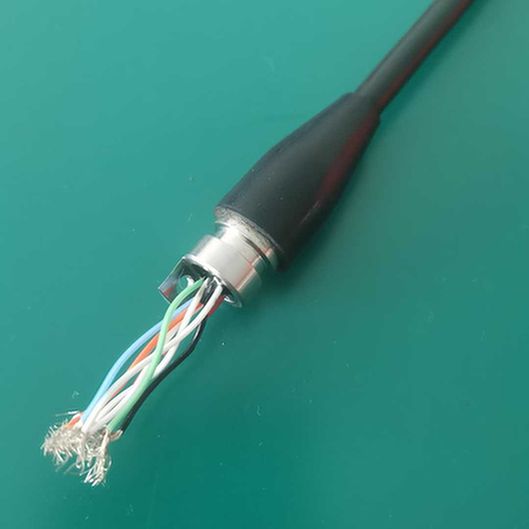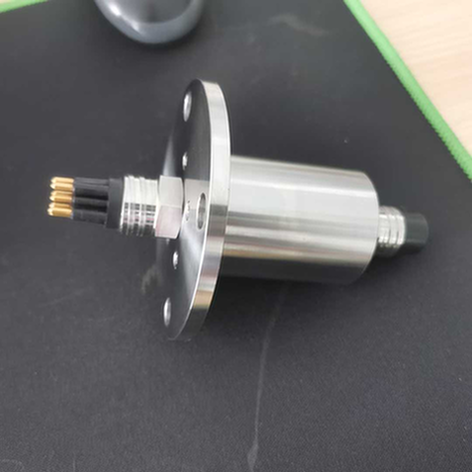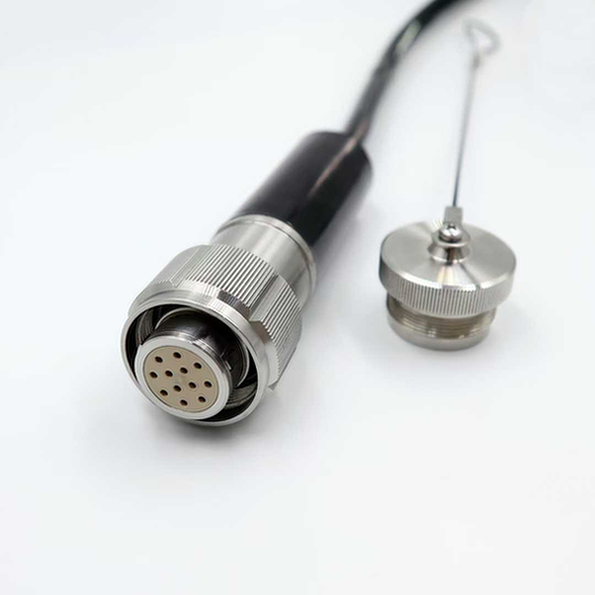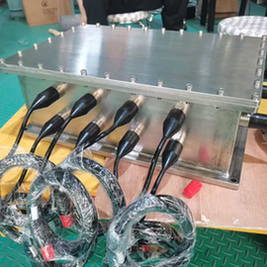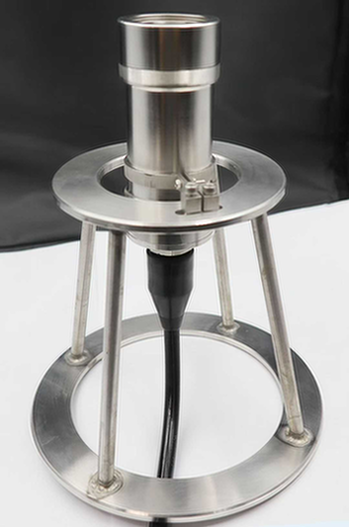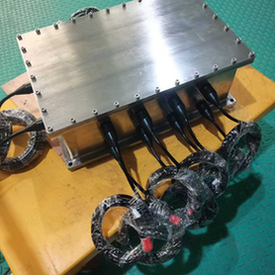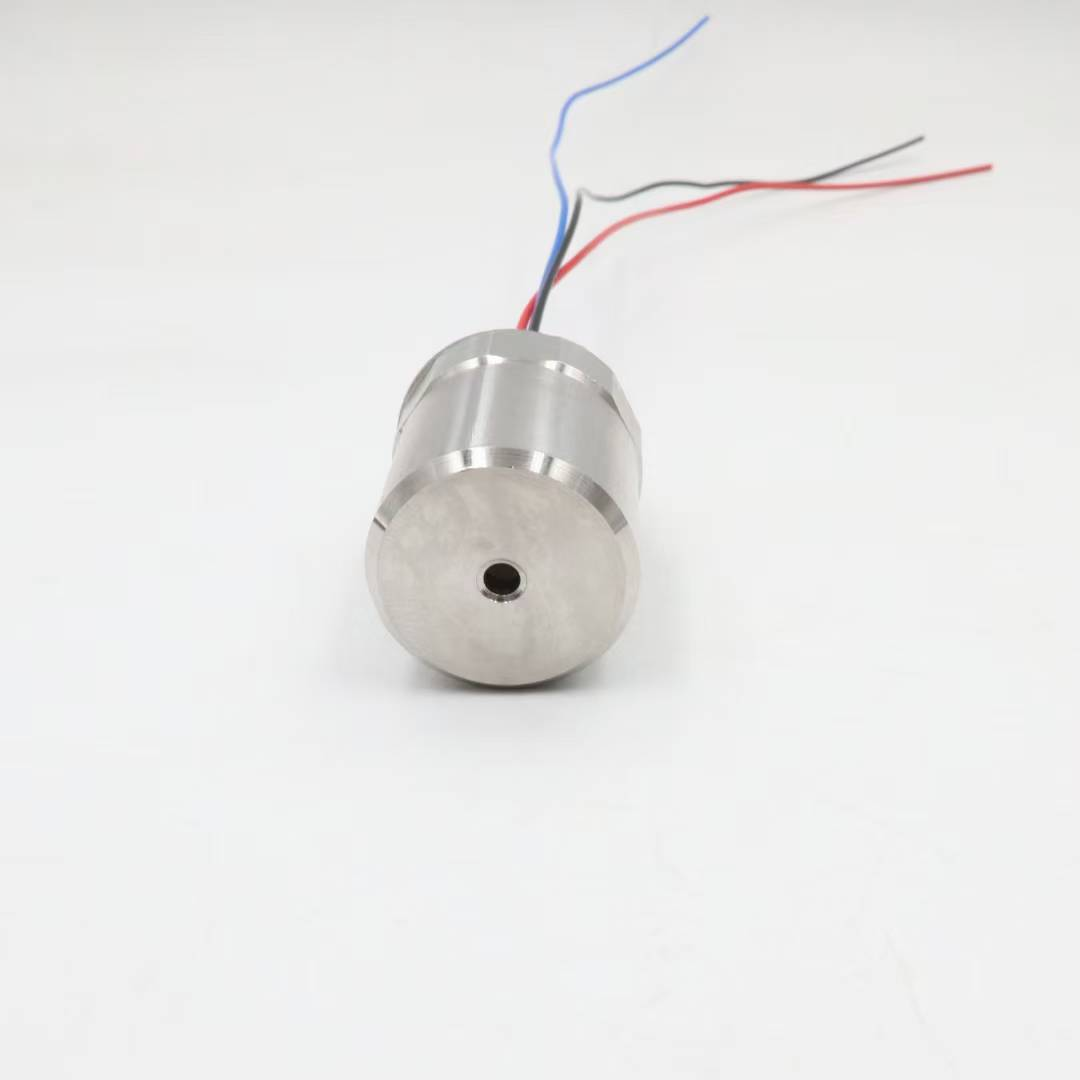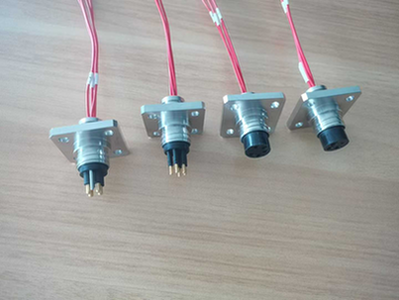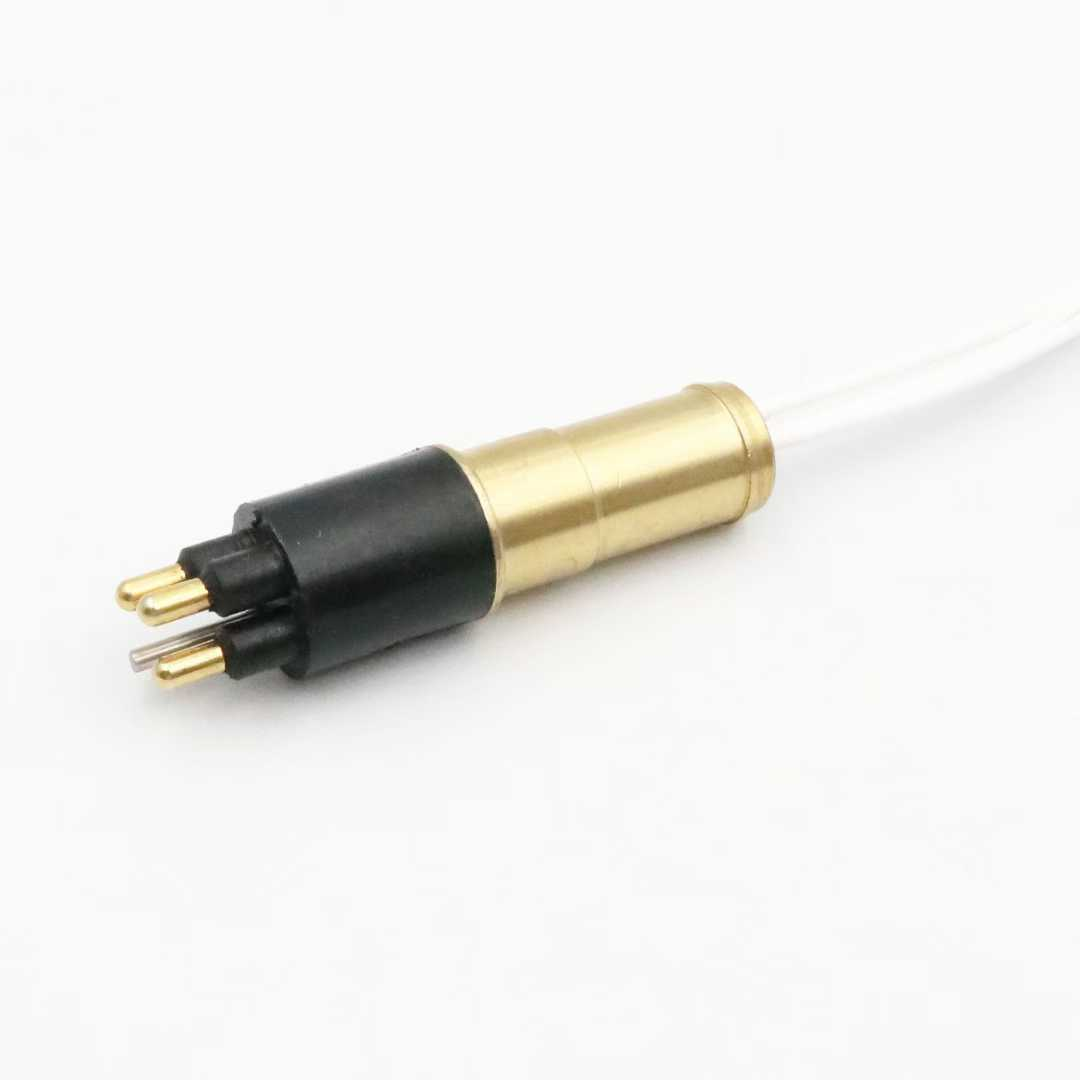


The demand for electrical power in subsea environments is experiencing unprecedented growth. Driven by the expansion of offshore renewable energy, the increased complexity of oil and gas operations, and the rapid advancement of marine research and telecommunications, subsea power infrastructure is under immense pressure. At the heart of this challenge are the interconnect systems, particularly high-current connectors. When power requirements escalate beyond the capacity of multi-core connectors, high-current single-core solutions, rated for 150A or even 180A, become the critical enabler of underwater operations.
This article provides a comprehensive overview of single-core water-mateable connectors, specifically focusing on their engineering for high-current applications in the marine environment. We explore the technical design challenges, the mission-critical applications they support, and the key specifications engineers must consider when selecting these robust components.
1. The Single-Core High-Current Imperative: Why Go Single?
The decision to utilize a high-current single-core connector is driven primarily by the laws of physics and the specific power demands of subsea equipment. For extreme currents such as 150A or 180A, the physical size of the electrical conductors required becomes substantial to minimize electrical resistance and the resulting heat generation.
Multi-core connectors, while excellent for signal and low-power distribution, are inherently limited in their current-carrying capacity due to thermal and space constraints within the connector shell. Trying to design a 4-core connector, each core carrying 180A, would result in a connector that is either prohibitively large or prone to catastrophic failure due to overheating.
Advantages of the Single-Core High-Current Design
- Massive Conductor Cross-Sections: Single-core designs accommodate large gauge cables, providing a low-impedance path that maximizes current throughput while minimizing power loss.
- Superior Thermal Management: Because there is only one conductor per connector, heat is generated uniformly and can be dissipated more efficiently than in a packed multi-core assembly.
- Design Scalability: Single-core connectors can be deployed in parallel arrays to create high-current 3-phase systems or modular power distribution networks.
- Mechanical Robustness: The design can be significantly reinforced, with massive shell materials and dedicated sealing systems for a single, critical interface.
2. Engineering for 150A/180A: The Design Challenges
Designing a subsea connector to mate under high hydrostatic pressure and reliably carry 150A or 180A presents unique and demanding engineering challenges.
Electrical Contact Technology
The contact interface is the single most critical component in any high-current connector. For 180A, a standard pin-and-socket design is insufficient. The primary goal is to minimize Contact Resistance ($R_{\text{contact}}$).
- Large Contact Surface Area: High-current designs utilize massive contact interfaces, often with multi-lamellar or louvred socket designs to maximize the number of contact points.
- Gold-Plating: High-purity gold plating on both pin and socket is crucial for preventing oxidation and maintaining low, stable contact resistance, especially when the connector is used for power. This plating is essential for connectors used for power distribution or high-current transmission, where contact reliability is paramount.
- Wiping Action: The mating process should feature a strong wiping action to clear any marine debris, oxidation, or seawater films from the contact surfaces before the electrical connection is fully established.
Insulation and Dielectric Integrity
High current often implies high voltage or, at the very least, significant electrical stress. The insulation materials must withstand massive electrical gradients, especially in wet conditions.
- Specialized Polymers: Insulators must be constructed from highly non-hygroscopic, high-dielectric materials, often featuring intricate ribbed designs (creepage and clearance optimization). This design is essential for high-voltage applications to maximize the electrical creepage path.
- Double Seals: To protect the delicate high-voltage interface, double O-ring or even redundant gasket systems are deployed to create a dry, insulated chamber for the contacts.
Thermal Performance
Operating a 180A connector creates a considerable amount of heat due to $I^{2}R$ losses, primarily at the contact interface and in the termination region. If left unmanaged, this heat can lead to a phenomenon known as “thermal runaway,” degrading the insulator and eventually causing a catastrophic failure.
- Thermal Analysis and Modeling: Connector manufacturers perform extensive Finite Element Analysis (FEA) to model heat generation and dissipation.
- Heat Sinking: High-current connector shells are often constructed from marine-grade stainless steel or titanium, which also serve as excellent thermal mass and provide a path for dissipating heat into the surrounding seawater.
Water-Mateable Sealing
The most critical feature of a water-mateable connector is its ability to mate underwater without trapping seawater or introducing contaminants.
- Oil-Filled, Pressure-Compensated Chambers: This is the industry-standard technology for deep-sea, high-current connectors. This specialized, incompressible fluid also serves as a critical dielectric fluid, providing an extra layer of electrical insulation around the high-current contacts. This combination of pressure compensation and high-current transmission makes these connectors ideal for deep-sea power requirements, where reliable power delivery is essential.
- Piston-Effect Sealing: The mating action typically features a piston design that displaces any seawater, creating a dry, insulated connection for the contacts.
3. Strategic Applications: Powering the Abyssal Frontier
High-current single-core connectors are the critical link for an expanding list of subsea operations.
ROV and AUV High-Power Thrusters
Modern work-class ROVs and autonomous vehicles are deploying larger, more powerful thrusters for navigating complex subsea structures and conducting heavy lifting. Power tethers or internal battery packs must deliver massive currents, and the interface must be reliable. This connection often carries substantial power to drive the thrusters, and a single-core, high-current connector is the only option that can accommodate the required conductor gauge and provide the necessary safety and reliability.
Subsea Power Distribution Hubs
As seafloor observatories and oil-and-gas projects scale up, modular power distribution is becoming the norm. High-voltage AC power is transmitted from the surface to a subsea transformer and distribution hub, which then steps the voltage down and distributes high-current DC power to individual sensor nodes or robotic systems. Single-core high-current connectors are deployed in large arrays to create modular power distribution buses.
Underwater Battery Charging and Energy Storage
AUVs are increasingly conducting long-endurance missions, requiring subsea battery charging stations. High-current connectors are essential for rapidly transferring large amounts of energy to the AUV’s internal batteries. Water-mateable, high-current single-core solutions are the only practical way to establish this reliable, automated charging link on the seafloor.
4. Technical Specification Guide for Engineers
When selecting a 150A or 180A single-core water-mateable connector, engineers must scrutinize several key performance parameters.
Key Performance Indicators (KPIs)
- Operating Depth: For standard oil-and-gas applications, 3,000 meters is common. However, connectors rated for 6,000 متر are increasingly required for Hadal zone exploration and specific deep-sea infrastructure projects.
- Voltage Rating: High current often necessitates high voltage (e.g., 6.6 kV or 11 kV) to minimize power loss over long distances. This design is essential for high-voltage applications to maximize the electrical creepage path.
- Contact Resistance: A typical target for a 180A connector would be <1 mΩ, and a target for a 180A connector is <1 mΩ and for a 180A connector, a specification might be <0.5 mΩ. This gold-plating is essential for preventing corrosion and ensuring a low-impedance electrical connection, which is crucial for high-power applications.
- Operating Temperature: Seawater temperature typically decreases with depth, reaching a stable $2\text{–}4\,^{\circ}\text{C}$ on the abyssal plain. Heat generation within the connector is uniform and must be managed effectively to prevent damage to the insulating materials and O-rings, which is crucial for long-term subsea reliability. This combination of high current and deep-sea durability makes these connectors the optimal solution for complex, high-power underwater systems.
Connector Type: Standard UNF vs. Metric Threads
- Standard UNF: Still the dominant standard, particularly in the North American oil and gas market.
- Metric Threads: Increasingly preferred for scientific, AUV, and general international projects due to global standardization. HYSF offers custom Metric Threaded Mounting Interfaces and flange designs to ensure the connector fits perfectly into your existing pressure hull or sensor housing.
5. FAQ: Expert Insights into High-Current Subsea Connectivity
Q: Can a 150A connector be run continuously at 180A?
A: No. Continuous operation beyond the connector’s rating will lead to overheating, dielectric breakdown, and catastrophic failure. However, a 180A connector is engineered with a thermal safety margin, and it might be able to tolerate brief pulses, such as for ROV thruster burst power, but these must be within the manufacturer’s specified pulse limits.
Q: Why do single-core connectors often require massive shells and complicated locking sleeves?
A: For 150A/180A, the mechanical loads can be immense, especially from the massive cable bundles. For 150A/180A currents, massive shells and robust locking mechanisms are necessary to withstand both the physical forces from heavy subsea cables and the crushing hydrostatic pressures of the deep-sea environment.
Q: Can I use single-core connectors in parallel for 3-phase AC power?
A: Yes. This is a common and efficient application. Single-core high-current connectors can be deployed in modular arrays for complex power distribution and 3-phase systems.
Q: Is standard gold plating sufficient for 180A?
A: Standard decorative gold plating is not enough. Power connectors must utilize “power plating,” which is typically much thicker and often involves special underplatings (like nickel) for enhanced wear resistance and low, stable resistance.
Conclusion: Connecting the Abyssal Power Grid
As the blue economy expands and subsea data and power requirements grow, the need for robust, high-current single-core interconnect systems will only intensify. The high-current single-core connector is more than just a component; it is a gateway to the deep. By integrating specialized contact technologies, advanced pressure compensation, and robust materials, we are not just connecting tethers; we are building the power grid of the abyss.








 English
 Spanish
 Russian
 French
 German
 Korean
 Japanese
 Arabic
 Thai
Thai Danish
 Norwegian