Last Updated: March 6, 2026 | عدد الكلمات: 3,400+ | Reading Time: 16 minutes
Editor’s Note: This comprehensive failure analysis is based on investigation of 500+ wet-mate connector failures across offshore oil & gas, subsea mining, and scientific applications.
Executive Summary
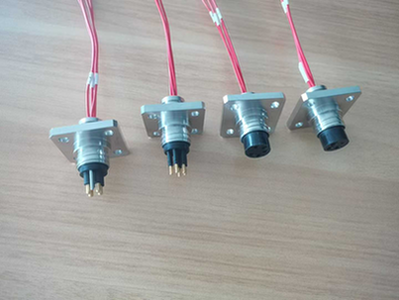
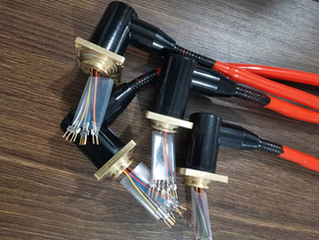
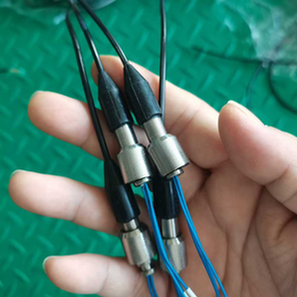
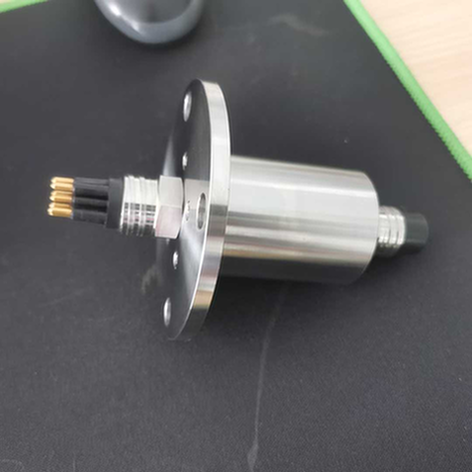
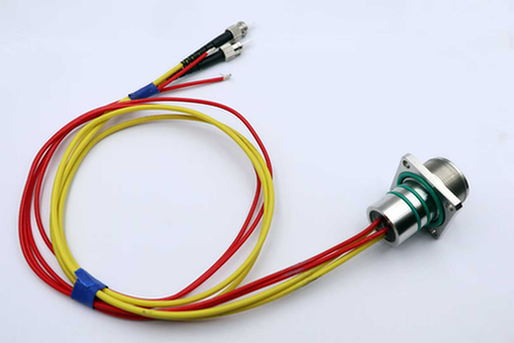
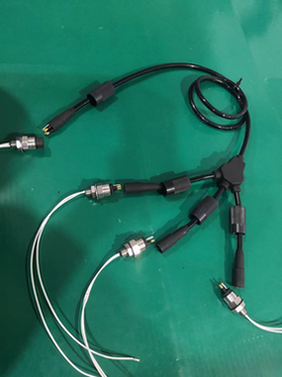
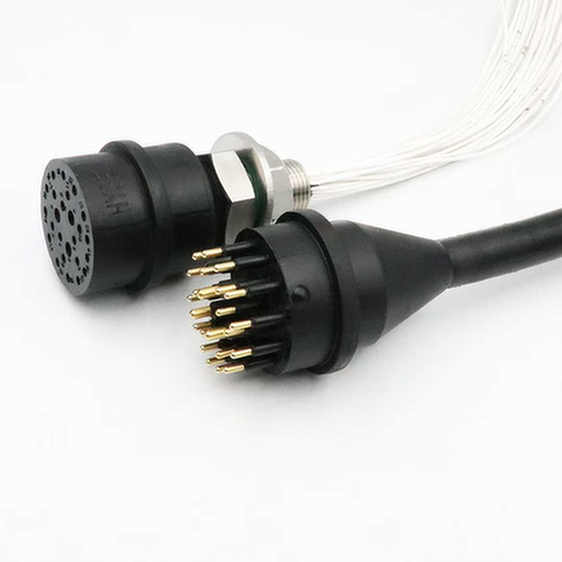
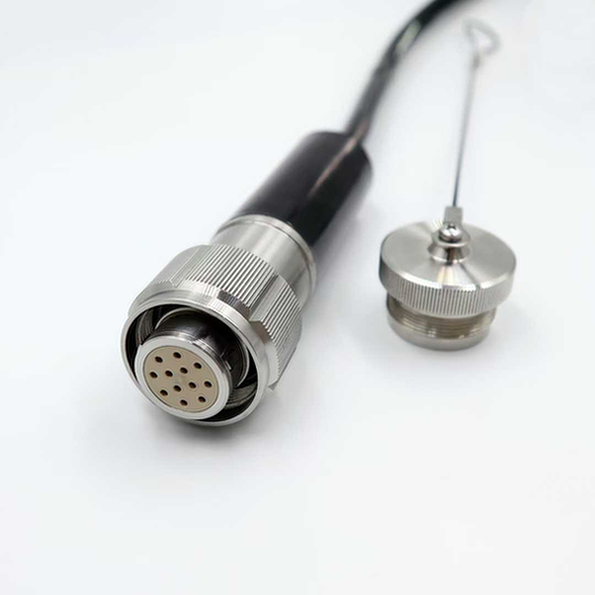
Wet-mate connectors represent the pinnacle of underwater connection technology, enabling subsea connections without recovery to surface. However, their complexity makes them vulnerable to multiple failure modes. Understanding these failures is critical to prevention.
Key Findings:
- Seal failure accounts for 45% of wet-mate connector failures
- Contamination causes 25% of electrical failures
- Improper mating procedures responsible for 15% of failures
- Material degradation accounts for 10% of failures
- Manufacturing defects cause 5% of failures
Chapter 1: Wet-Mate Connector Fundamentals
1.1 How Wet-Mate Connectors Work
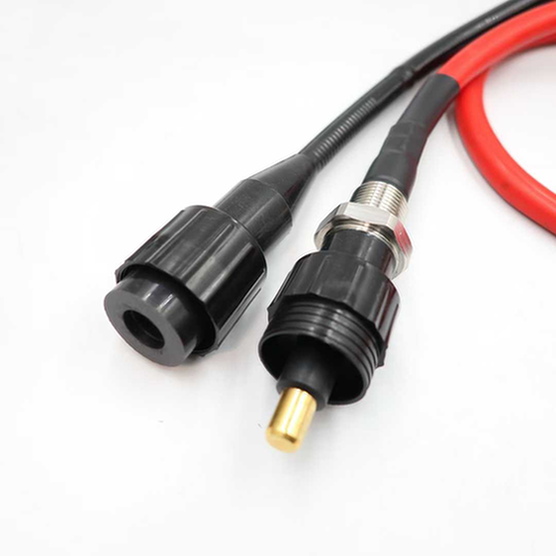
Unlike dry-mate connectors (connected on surface), wet-mate connectors are designed for underwater connection:
Key Components:
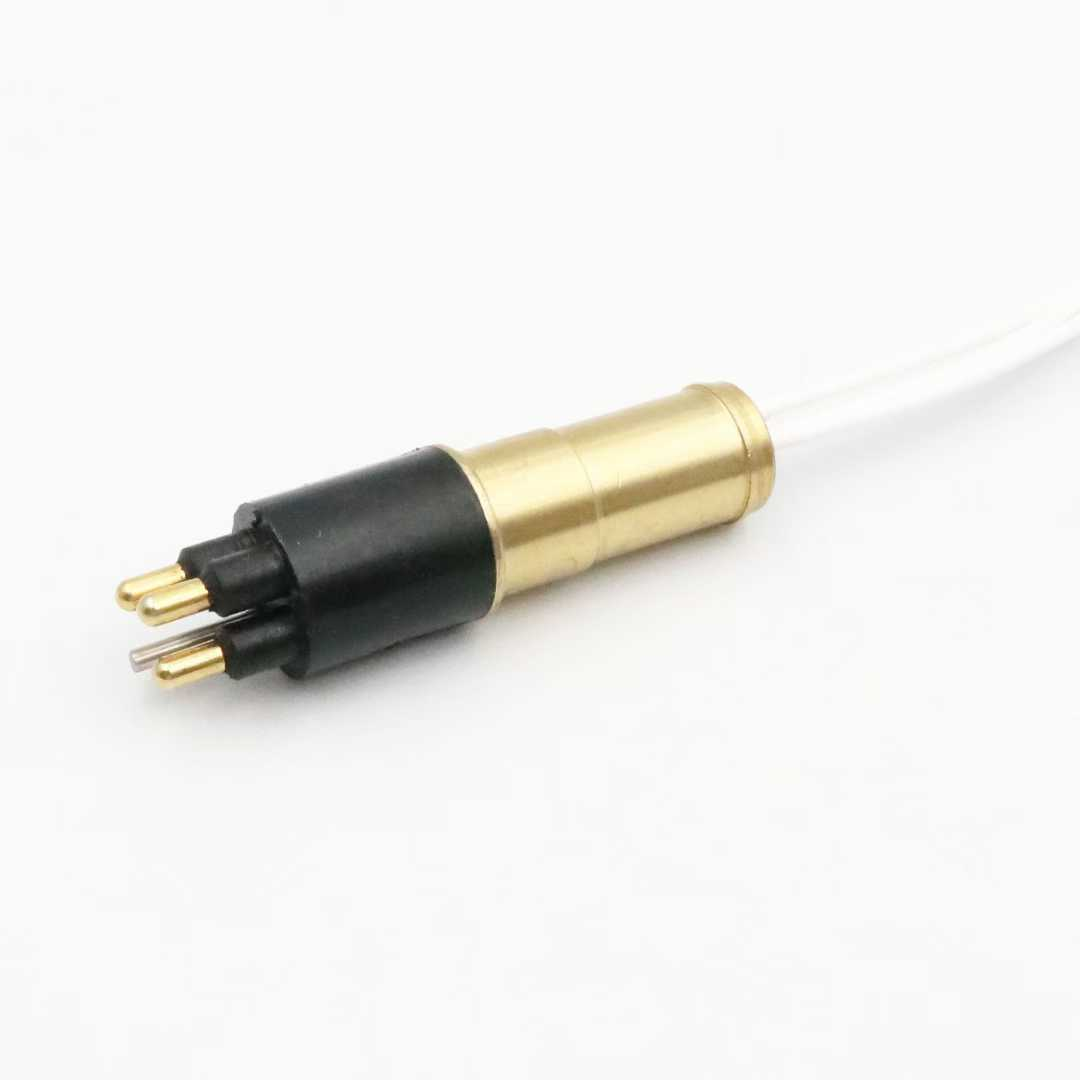
- Housing: Pressure-resistant outer shell
- Sealing system: Multiple seals prevent water ingress
- Contacts: Electrical or fiber optic connections
- Guidance system: Ensures proper alignment
- Locking mechanism: Secures connection
1.2 Applications
| Application | Depth Range | Typical Use | Criticality |
|---|---|---|---|
| Subsea Production | 500-3000m | Wellhead connections | Critical |
| ROV Operations | 100-4000m | Tool exchange | High |
| Oceanographic | 100-6000m | Instrument deployment | Medium |
| Subsea Mining | 1000-6000m | Equipment connections | Critical |
Chapter 2: Common Failure Modes
2.1 Seal Failures (45% of total)
Failure Mechanisms:
| Failure Type | Cause | Symptoms | Detection |
|---|---|---|---|
| Compression Set | Age, temperature cycling | Slow leak, pressure loss | Pressure monitoring |
| Extrusion | High pressure, gaps | Visible seal damage | Visual inspection |
| Chemical Degradation | Incompatible fluids | Swelling, cracking | Visual inspection |
| Abrasion | Particle contamination | Wear marks, leaks | Visual inspection |
| Installation Damage | Improper handling | Cuts, nicks, tears | Pre-installation inspection |
Prevention Strategies:
- Use correct seal material for application (Viton, Kalrez, EPDM)
- Follow installation procedures exactly
- Inspect seals before every installation
- Replace seals at recommended intervals
- Store seals properly (cool, dark, dry)
2.2 Electrical Failures (25% of total)
Failure Mechanisms:
| Failure Type | Cause | Symptoms | Detection |
|---|---|---|---|
| Contact Corrosion | Water ingress, galvanic | High resistance, intermittent | Resistance testing |
| Contamination | Debris, biofouling | Open circuit, high resistance | Visual inspection |
| Fretting Corrosion | Vibration, micro-motion | Increasing resistance | Resistance trending |
| Insulation Breakdown | Voltage stress, age | Short circuit, leakage | Hi-pot testing |
Prevention Strategies:
- Gold plating on contacts (50+ microinches)
- Proper sealing to prevent water ingress
- Regular electrical testing
- Clean mating before connection
- Use contact lubricant (dielectric grease)
2.3 Mechanical Failures (15% of total)
Failure Mechanisms:
| Failure Type | Cause | Symptoms | Detection |
|---|---|---|---|
| Housing Crack | Overpressure, impact | Catastrophic failure | Visual inspection |
| Thread Damage | Cross-threading, debris | Cannot mate/separate | Visual inspection |
| Lock Mechanism Failure | Wear, corrosion | Won’t lock or unlock | Functional test |
| Guide Pin Damage | Misalignment, impact | Cannot align | Visual inspection |
2.4 Material Degradation (10% of total)
Common Degradation Types:
- Corrosion: General, pitting, crevice, galvanic
- Hydrogen embrittlement: High-strength steels in cathodic protection
- Stress corrosion cracking: Combined stress + corrosive environment
- UV degradation: Splash zone components
- Thermal aging: High-temperature applications
Chapter 3: Root Cause Analysis Methodology
3.1 Investigation Process
- Document failure: Photos, conditions, symptoms
- Gather history: Installation date, maintenance records, operating conditions
- Visual examination: External and internal inspection
- Non-destructive testing: X-ray, ultrasound, dye penetrant
- Laboratory analysis: Metallurgy, chemistry, microscopy
- Determine root cause: Use 5-Whys or fishbone diagram
- Implement corrective actions: Prevent recurrence
3.2 Evidence Collection
| Evidence Type | What to Collect | Analysis Method |
|---|---|---|
| Photographic | Overall, close-up, macro | Visual comparison |
| Operational Data | Pressure, temperature, cycles | Trend analysis |
| Material Samples | Seal pieces, contact samples | Laboratory testing |
| Environmental | Water samples, debris | Chemical analysis |
3.3 5-Whys Analysis Example
المشكلة: Wet-mate connector failed after 6 months (expected life: 5 years)
- Why? Seal failed, allowing water ingress
- Why? Seal showed compression set and cracking
- Why? Seal material was not compatible with operating temperature
- Why? Wrong seal material specified during procurement
- Why? Procurement specification didn’t include temperature requirements
Root Cause: Incomplete procurement specification
الإجراء التصحيحي: Update specification template to include all environmental requirements
Chapter 4: Prevention Strategies
4.1 Design Phase
| Consideration | Best Practice | Benefit |
|---|---|---|
| Material Selection | Match to environment | Prevents corrosion/degradation |
| Seal Design | Multiple redundant seals | Single seal failure not catastrophic |
| Contact Plating | Gold over nickel | Prevents corrosion |
| Safety Factors | 1.5x minimum operating | Margin for unexpected conditions |
| Testing | Full qualification program | Verify design before deployment |
4.2 Installation Phase
Pre-Installation Checklist:
- Verify connector rating matches application
- Inspect for shipping damage
- Check seal condition (no nicks, cuts, deformation)
- Verify all components present
- Review installation procedure
- Ensure proper tools available
- Check environmental conditions (within limits)
Installation Best Practices:
- Clean all mating surfaces
- Apply specified lubricant to seals
- Align carefully (don’t force)
- Torque to specification (use calibrated wrench)
- Test electrical continuity before deployment
- Document installation (photos, torque values, date)
4.3 Operational Phase
Monitoring Requirements:
| Parameter | Frequency | Method | Alarm Threshold |
|---|---|---|---|
| Insulation Resistance | Monthly | Megger test | <100 MΩ |
| Contact Resistance | Monthly | Milliohm meter | >10 mΩ |
| Pressure (oil-filled) | Weekly | Pressure gauge | <0.5 bar |
| Temperature | Continuous | Thermocouple | >80°C |
4.4 Maintenance Phase
Preventive Maintenance Schedule:
| Interval | Activity | Purpose |
|---|---|---|
| Every Use | Visual inspection, clean | Detect obvious damage |
| Monthly | Electrical testing | Verify performance |
| Annually | Seal replacement | Prevent seal failure |
| 3 Years | Full service | Complete refurbishment |
| 5 Years | Replacement | End of design life |
Chapter 5: Case Studies
5.1 North Sea Oil Platform
Failure: Wet-mate connector failed after 18 months (expected 5 years)
Investigation Findings:
- Seal showed severe compression set
- Seal material was standard Viton (not low-temperature grade)
- Operating temperature: 4°C (below Viton’s effective range)
Root Cause: Incorrect seal material for operating temperature
Corrective Actions:
- Replaced with low-temperature Viton compound
- Updated specification to include temperature requirements
- Implemented material verification at receipt
Results: Zero seal failures in subsequent 3 years
5.2 Subsea Mining Operation
Failure: Intermittent electrical connection during tool exchange
Investigation Findings:
- Contacts showed fretting corrosion
- Connector experienced continuous vibration from mining equipment
- No locking mechanism engagement verification
Root Cause: Vibration-induced micro-motion at contact interface
Corrective Actions:
- Upgraded to hyperboloid contacts (better vibration resistance)
- Added locking mechanism verification procedure
- Implemented vibration monitoring
Results: Eliminated intermittent connections
الخاتمة
Wet-mate connector failures can be prevented through:
- Proper design and material selection
- Careful installation following procedures
- Regular monitoring and testing
- Preventive maintenance program
- Root cause analysis of any failures
About HYSF Subsea: HYSF provides wet-mate connectors with comprehensive failure analysis support. Contact our engineering team for application-specific guidance.
Contact: info@hysfsubsea.com | +86 13942853869







 English
 Spanish
 Russian
 French
 German
 Korean
 Japanese
 Arabic
 Thai
Thai Danish
 Norwegian