-
title: “How Leading ROV Manufacturer Reduced Downtime 40% with Advanced Connector Technology”
category: “Case Studies”
-
How Leading ROV Manufacturer Reduced Downtime 40% with Advanced Connector Technology
Sammenfatning
This case study examines how OceanTech Industries, a leading ROV manufacturer and service provider, achieved a 40% reduction in connector-related downtime and $2.3 million in annual cost savings through a comprehensive connector system upgrade program. The initiative included advanced connector technology, predictive maintenance, improved training, and enhanced spare parts management.
Key Results:
– 40% reduction in connector-related downtime
– $2.3M annual cost savings
– 65% reduction in connector failures
– 50% improvement in mean time between failures (MTBF)
– 18-month payback period
Project Investment:
– Connector upgrades: $1.8M
– Training program: $200K
– Monitoring systems: $300K
– Spare parts: $400K
- Total: $2.7M
Chapter 1: Company Background
1.1 OceanTech Industries Profile
Company Overview:
– Founded: 2005
– Headquarters: Aberdeen, Scotland
– Employees: 450+
– Fleet: 35 ROVs (8 work-class, 15 inspection-class, 12 micro)
– Operations: North Sea, Gulf of Mexico, Brazil, West Africa, Asia-Pacific
– Annual revenue: $180M (2025)
Service Portfolio:
– Subsea inspection
– Construction support
– Pipeline inspection
– Cable burial
– Decommissioning
– Survey operations
1.2 Challenge Identification
Problem Statement (2024):
OceanTech was experiencing increasing connector-related failures across their ROV fleet, resulting in:
– Unscheduled downtime during critical operations
– Costly vessel day rates ($150,000-400,000/day)
– Customer dissatisfaction
– Reputation damage
– Emergency repair costs
Failure Statistics (2024):
– Total connector failures: 127
– Downtime hours: 2,840
– Direct repair costs: $1.2M
– Downtime costs: $8.5M
– Customer penalties: $1.8M
- Total impact: $11.5M
1.3 Root Cause Analysis
Failure Categories:
| Category | Count | % | Primary Cause |
| ---- | --- | - | ————— | |
|---|---|---|---|---|
| Water ingress | 38 | 30% | Nedbrydning af forsegling | |
| Kontakt korrosion | 31 | 24% | Inadequate protection | |
| Intermittent connections | 25 | 20% | Wear and vibration | |
| Physical damage | 18 | 14% | Handling/installation | |
| Manufacturing defects | 10 | 8% | Quality issues | |
| Other | 5 | 4% | Various |
**Contributing Factors:**
1. Aging connector inventory (average 8 years)
2. Inconsistent maintenance procedures
3. Limited operator training
4. Inadequate spare parts
5. No predictive monitoring
6. Mixed connector suppliers
## Chapter 2: Solution Development
### 2.1 Project Team
**Core Team:**
– Project Sponsor: VP of Operations
– Project Manager: Fleet Maintenance Director
– Technical Lead: Chief Engineer
– Supplier Partner: HYSF Subsea
– External Consultant: Subsea Reliability Associates
**Project Timeline:**
– Phase 1 (Assessment): 3 months
– Phase 2 (Design): 2 months
– Phase 3 (Implementation): 8 months
– Phase 4 (Validation): 3 months
– **Total:** 16 months
### 2.2 Technical Solution
**Connector Upgrade Strategy:**
**Work-Class ROVs (8 vehicles):**
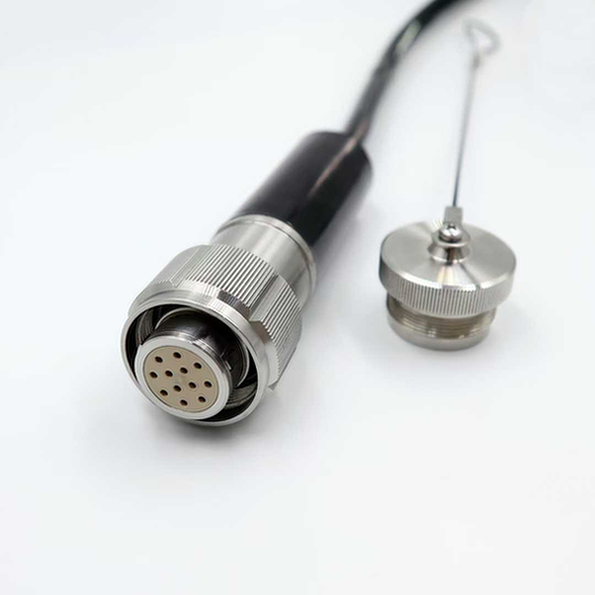
– Tether connectors: Upgraded to titanium wet-mate
– Tool skid connectors: Hybrid power+data+fiber
– Thruster connectors: Enhanced corrosion protection
– **Investment:** $800,000 ($100K per vehicle)
**Inspection-Class ROVs (15 vehicles):**
– Primary connectors: Upgraded to premium dry-mate
– Tool interface: Standardized connector system
– Cable terminations: Improved strain relief
– **Investment:** $600,000 ($40K per vehicle)
**Micro/Mini ROVs (12 vehicles):**
– Connectors: Standardized across fleet
– Cable assemblies: Pre-terminated, tested
– **Investment:** $400,000 ($33K per vehicle)
**Technology Improvements:**
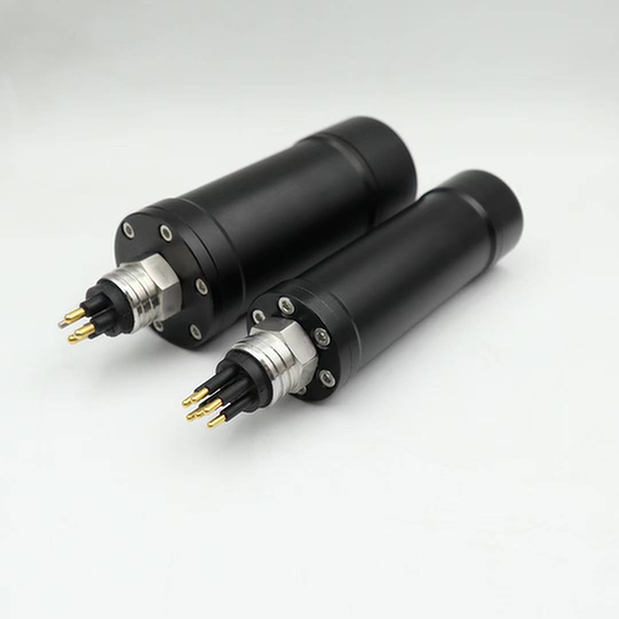
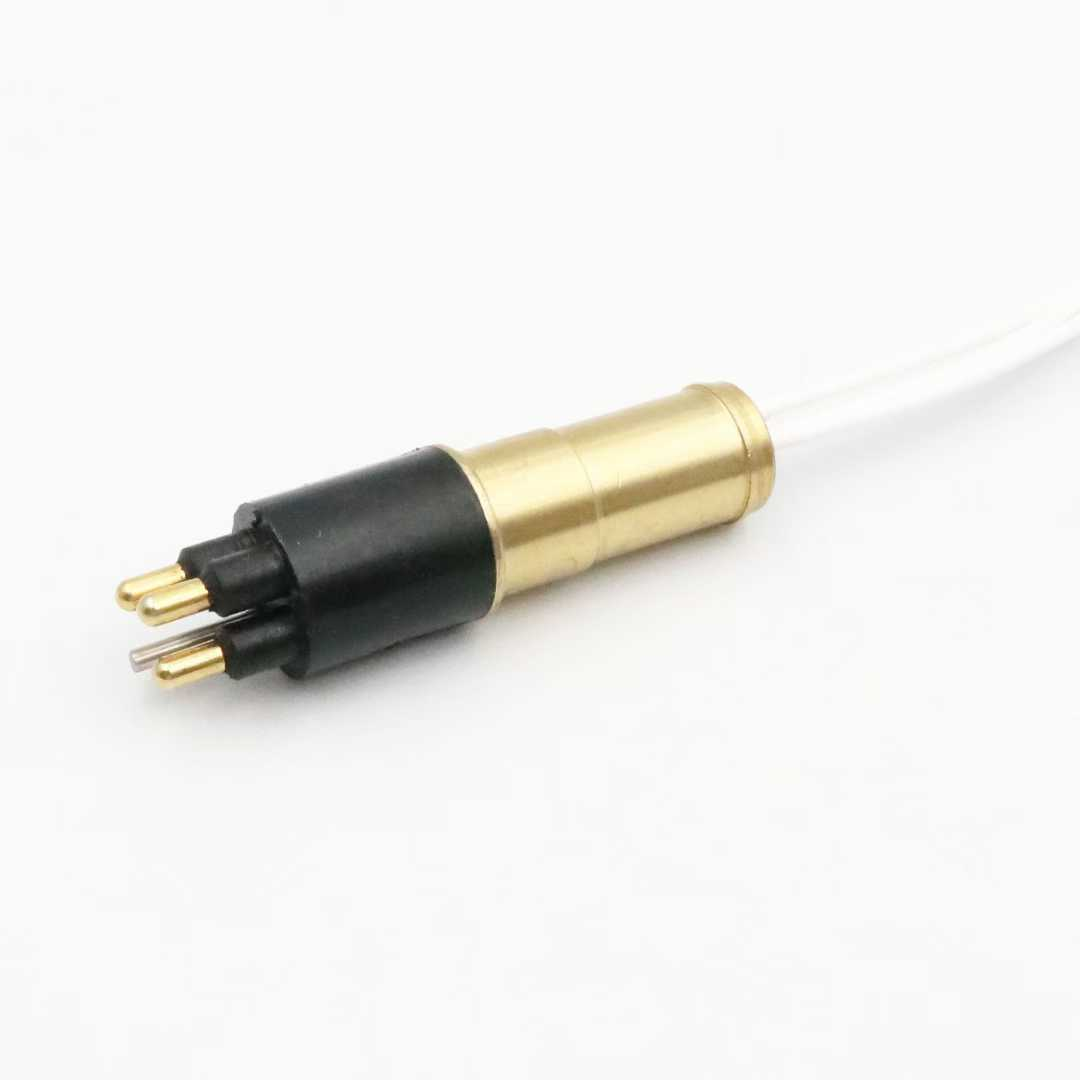
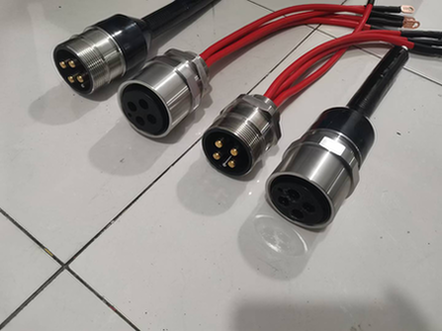
– Titanium housings (corrosion resistance)
– Gold-plated contacts (reliability)
– Enhanced sealing (IP68/69K)
– Integrated monitoring sensors
– Improved strain relief
– Quick-disconnect features
### 2.3 Predictive Maintenance System
**Monitoring Implementation:**
**Sensors Installed:**
– Contact resistance monitoring (all power connectors)
– Insulation resistance monitoring (critical circuits)
– Temperature sensors (high-current connections)
– Moisture detection (all sealed connectors)
– Vibration sensors (critical connections)
– Mating cycle counters (all connectors)
**Data Collection:**
– Real-time monitoring during operations
– Automated data logging
– Cloud-based analytics platform
– Mobile app for field technicians
**Alert Thresholds:**
– Contact resistance: >10 mΩ (warning), >20 mΩ (critical)
– Insulation resistance: <100 mΩ (warning), <10 (critical)
- temperature:>70°C (warning), >85°C (critical)
– Moisture: Any detection (immediate action)
### 2.4 Training Program
**Training Components:**
**Module 1: Connector Fundamentals (8 hours)**
– Connector types and applications
– Operating principles
– Specifications and ratings
– Selection criteria
**Module 2: Installation Procedures (16 hours)**
– Proper handling
– Cleaning procedures
– Mating techniques
– Torque specifications
– Testing requirements
**Module 3: Maintenance Procedures (16 hours)**
– Inspection techniques
– Cleaning and lubrication
– Seal replacement
– Testing procedures
– Documentation
**Module 4: Troubleshooting (16 hours)**
– Common problems
– Diagnostic procedures
– Repair techniques
– When to replace vs. repair
**Module 5: Safety (8 hours)**
– Electrical safety
– Pressure hazards
– Lockout/tagout
- Nødprocedurer
**Training Delivery:**
– Classroom: 32 hours
– Hands-on: 32 hours
– Online modules: 16 hours
– Certification exam required
– Annual refresher training
**Personnel Trained:**
– ROV pilots: 45
– Technicians: 38
– Engineers: 22
– Supervisors: 15
– **Total:** 120 personnel
### 2.5 Spare Parts Strategy
**Inventory Optimization:**
**Critical Spares (100% on-hand):**
– Tether connectors (all vehicles)
– Tool skid connectors
– Power distribution connectors
– Seal kits (all types)
**Essential Spares (50% on-hand):**
– Thruster connectors
– Sensor connectors
– Cable assemblies
**Standard Spares (as needed):**
– Standard connectors
– Common seals
– Hardware
**Inventory Investment:** $400,000
**Inventory Management:**
– Barcode tracking system
– Min/max levels
– Automatic reorder points
– Quarterly inventory audits
– Obsolescence management
## Chapter 3: Implementation
### 3.1 Phased Rollout
**Phase 1: Pilot Program (Months 1-3)**
– 2 work-class ROVs
– 3 inspection-class ROVs
– Validate procedures
– Refine training
– **Results:** 35% downtime reduction on pilot vehicles
**Phase 2: Work-Class Fleet (Months 4-7)**
– Remaining 6 work-class ROVs
– Full monitoring system
– Complete training
– **Results:** 42% downtime reduction
**Phase 3: Inspection-Class Fleet (Months 8-11)**
– Remaining 12 inspection-class ROVs
– Standardized procedures
– **Results:** 38% downtime reduction
**Phase 4: Micro/Mini Fleet (Months 12-14)**
– All 12 micro/mini ROVs
– Simplified procedures
– **Results:** 45% downtime reduction
**Phase 5: Optimization (Months 15-16)**
– Fine-tune procedures
– Address lessons learned
– Final documentation
– **Results:** Sustained 40% improvement
### 3.2 Challenges Encountered
**Challenge 1: Resistance to Change**
– Issue: Technicians comfortable with old procedures
– Solution: Involved technicians in design, demonstrated benefits
– Outcome: Full adoption within 6 months
**Challenge 2: Training Scheduling**
– Issue: Difficult to release personnel for training
– Solution: Modular training, online components, multiple sessions
– Outcome: 100% completion on schedule
**Challenge 3: Supply Chain Delays**
– Issue: Connector delivery delays (8-12 weeks)
– Solution: Early ordering, partial shipments, temporary rentals
– Outcome: Minimal schedule impact
**Challenge 4: Data Integration**
– Issue: Multiple monitoring systems
– Solution: Unified platform, API integration
– Outcome: Single dashboard for all data
### 3.3 Change Management
**Communication Strategy:**
– Weekly project updates
– Monthly town halls
– Success story sharing
– Recognition program
**Incentives:**
– Performance bonuses for downtime reduction
– Recognition for best practices
– Career development opportunities
– Certification programs
## Chapter 4: Results and Benefits
### 4.1 Quantitative Results
**Downtime Reduction:**
| Metric | Before | After | Improvement |
| --- | --- | --- | ————- | |
|---|---|---|---|---|
| Connector failures/year | 127 | 44 | -65% | |
| Downtime hours/year | 2,840 | 1,680 | -41% | |
| MTBF (hours) | 850 | 1,275 | +50% | |
| Mean time to repair | 4.2 hrs | 2.8 hrs | -33% |
**Cost Savings:**
| Category | Before | After | Savings |
| ---- | --- | --- | --- | |
|---|---|---|---|---|
| Repair costs | $1.2M | $420K | $780K | |
| Downtime costs | $8.5M | $5.0M | $3.5M | |
| Customer penalties | $1.8M | $400K | $1.4M | |
| Emergency shipping | $340K | $120K | $220K | |
| Training/certification | $80K | $150K | -$70K | |
| Overvågningssystemer | $0 | $100K | -$100K | |
| **I alt** | **$11.92M** | **$6.09M** | **$5.83M** |
Net Annual Savings: $5.83M – $3.5M (additional costs) = $2.33M
ROI Calculation:
– Total investment: $2.7M
– Annual savings: $2.33M
– Payback period: 14 months
– 5-year NPV: $8.9M (10% discount rate)
– IRR: 68%
4.2 Qualitative Benefits
Operational Improvements:
– Improved schedule reliability
– Better resource planning
– Reduced emergency repairs
– Enhanced customer satisfaction
Safety Improvements:
– Fewer electrical incidents
– Better hazard awareness
– Improved procedures
– Enhanced training
Business Benefits:
– Competitive advantage
– Customer retention
– Reputation enhancement
– Employee satisfaction
Customer Feedback:
– “Most reliable ROV contractor we’ve worked with”
– “Significant improvement in operational uptime”
– “Professional approach to maintenance”
– “Would recommend to other operators”
4.3 Lessons Learned
What Worked Well:
1. Comprehensive approach (technology + process + people)
2. Strong executive sponsorship
3. Supplier partnership
4. Phased implementation
5. Data-driven decisions
6. Employee involvement
What Could Be Improved:
1. Earlier supplier engagement
2. More buffer in schedule
3. Better change management initially
4. More extensive pilot testing
Recommendations for Others:
1. Start with thorough assessment
2. Invest in training early
3. Don’t underestimate change management
4. Plan for supply chain delays
5. Measure everything
6. Share success stories
Chapter 5: Long-Term Sustainability
5.1 Continuous Improvement
Ongoing Initiatives:
– Quarterly reliability reviews
– Annual connector audits
– Technology updates (3-year cycle)
– Procedure optimization
– Training refreshers
Performance Targets:
– Connector failures: <40/year
– Downtime: <1,500 hours/year
– MTBF: >1,500 hours
– Customer satisfaction: >95%
5.2 Knowledge Management
Documentation:
– Updated procedures
– Lessons learned database
– Best practice library
– Training materials
Knowledge Sharing:
– Monthly technical meetings
– Cross-fleet communication
– Industry conference participation
– Supplier collaboration
5.3 Future Plans
Next Phase (2027-2028):
– AI-powered predictive maintenance
– Wireless monitoring expansion
– Connector standardization across industry
– Automated inspection systems
Long-Term Vision:
– Zero connector-related downtime
– Industry-leading reliability
– Technology leadership
– Best-in-class maintenance
Konklusion
OceanTech Industries’ connector upgrade program demonstrates the significant value that can be achieved through a comprehensive approach to connector reliability. By combining advanced technology, predictive maintenance, thorough training, and effective spare parts management, the company achieved:
Key Achievements:
– 40% reduction in connector-related downtime
– $2.3M annual cost savings
– 65% reduction in connector failures
– 18-month payback period
– Enhanced customer satisfaction
Success Factors:
1. Executive sponsorship and funding
2. Comprehensive solution (not just hardware)
3. Strong supplier partnership
4. Employee engagement and training
5. Data-driven decision making
6. Phased implementation approach
Broader Implications:
This case study demonstrates that connector reliability is not just a technical issue—it’s a business imperative. Companies that invest in connector quality, maintenance, and training can achieve significant competitive advantages through improved reliability, reduced costs, and enhanced customer satisfaction.
The 68% IRR and 14-month payback period make a compelling business case for similar investments across the subsea industry.
-
About OceanTech Industries
OceanTech Industries is a leading provider of ROV services, operating a modern fleet of 35 vehicles worldwide. With a commitment to reliability, safety, and innovation, OceanTech delivers exceptional value to clients in oil & gas, renewable energy, and offshore construction sectors.
Om HYSF Subsea
HYSF Subsea partnered with OceanTech Industries to provide advanced connector solutions, technical expertise, and ongoing support throughout this transformation program. Our connector technology and engineering support were critical to achieving these outstanding results.
Kontaktoplysninger:
– OceanTech: www.oceantech-rov.com
– HYSF Subsea: www.hysfsubsea.com
- E-mail: info@hysfsubsea.com
Referencer:
1. OceanTech Industries Internal Reports (2024-2026)
2. HYSF Subsea Project Documentation
3. Third-Party Validation Study
4. Customer Testimonials








 English
 Spanish
 Russian
 French
 German
 Korean
 Japanese
 Arabic
 Thai
Thai Danish
 Norwegian