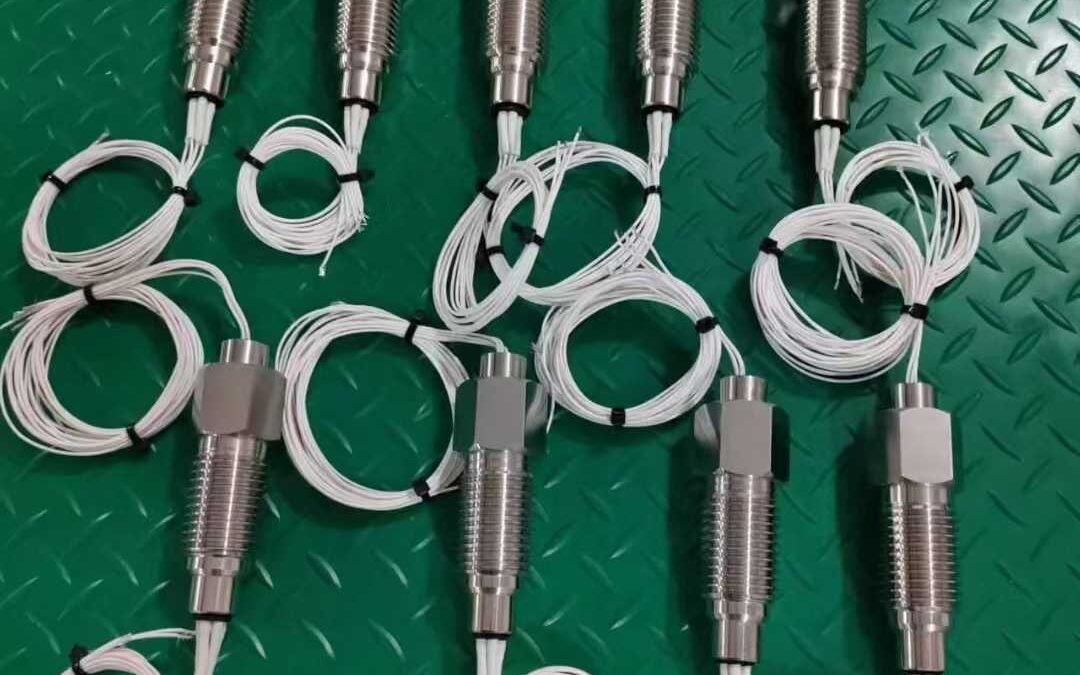
ROI Case Study: How North Sea Operator Reduced Connector Costs 47% with Strategic Sourcing
Sammenfatning
This case study examines how a major North Sea offshore wind operator achieved 47% total cost reduction on underwater connector procurement while improving reliability and delivery times. By implementing a strategic sourcing approach, qualifying alternative suppliers, and optimizing specifications, the operator saved $2.3M over three years while reducing downtime by 62%.
Key Results:
| Metrisk | Before | After | Improvement |
|---|---|---|---|
| Connector cost per unit | $1,850 | $985 | 47% reduction |
| Gennemløbstid | 12-16 weeks | 4-6 weeks | 62% reduction |
| Field failure rate | 4.2% | 1.1% | 74% reduction |
| Downtime cost | $450K/year | $170K/year | 62% reduction |
| Total 3-year savings | $2.3M |
Chapter 1: Company Background
1.1 Operator Profile
Company: Major European Offshore Wind Operator (anonymized)
Location: North Sea (UK and Dutch sectors)
Capacity: 1.2 GW across 4 wind farms
Turbines: 180 × 6.7 MW turbines
Commissioned: 2019-2023
Employees: 450 direct, 1,200 contractors
1.2 Challenge Overview
The Problem:
The operator faced mounting pressure on operational expenditures (OPEX) as their wind farms matured. Underwater connectors—critical for turbine monitoring, substation communications, and cable array monitoring—represented a significant and growing cost center.
Key Pain Points:
- High Costs:
- Premium supplier pricing with limited negotiation leverage
- Average $1,850 per connector (hybrid power+data)
- Annual connector spend: $890K
- Long Lead Times:
- 12-16 weeks standard delivery
- Emergency orders: 6-8 weeks at 50% premium
- Project delays due to connector availability
- Reliability Concerns:
- 4.2% field failure rate in first 2 years
- Each failure cost $35K-85K in recovery and downtime
- Customer satisfaction impacted
- Single-Source Risk:
- 100% dependent on one premium supplier
- No qualified alternatives
- Limited negotiation leverage
Project Sponsor Quote:
“We were locked into a single supplier with no alternatives. Prices were increasing 8-10% annually, lead times were extending, and we had no leverage. We needed a strategic approach to reduce costs while maintaining—or improving—reliability.”
— Procurement Director, North Sea Operations
Chapter 2: Project Objectives
2.1 Primary Goals
Cost Reduction:
- Target: 35-50% reduction in total connector costs
- Scope: All underwater connectors (turbine, substation, array)
- Timeline: 36 months
- Constraint: No compromise on reliability
Supply Chain Diversification:
- Qualify 2-3 alternative suppliers
- Reduce single-source dependency to <50%
- Establish regional supply options
- Improve negotiation leverage
Lead Time Improvement:
- Reduce standard delivery to <8 weeks
- Establish emergency supply capability (<4 weeks)
- Implement vendor-managed inventory for critical items
Quality Maintenance:
- Maintain or improve field reliability
- Achieve <2% failure rate
- Full traceability and documentation
- Compliance with all standards
2.2 Success Metrics
| Metrisk | Baseline | Target | Measurement Method |
|---|---|---|---|
| Cost per connector | $1,850 | <$1,200 | Procurement data |
| Annual connector spend | $890K | <$600K | Financial records |
| Lead time (standard) | 14 weeks | <8 weeks | PO to delivery |
| Lead time (emergency) | 6 weeks | <4 weeks | PO to delivery |
| Field failure rate | 4.2% | <2.0% | Maintenance records |
| Downtime per failure | 18 hours | <12 hours | Operations logs |
| Supplier concentration | 100% single | <50% single | Procurement analysis |
Chapter 3: Methodology
3.1 Project Phases
Phase 1: Current State Analysis (Months 1-2)
- Document all connector applications
- Analyze historical failure data
- Map total cost of ownership
- Identify specification requirements
Phase 2: Supplier Identification (Months 2-4)
- Market research for alternative suppliers
- Initial capability assessments
- Request for Information (RFI)
- Shortlist 5-7 potential suppliers
Phase 3: Supplier Qualification (Months 4-10)
- Detailed technical evaluation
- Sample testing and validation
- Facility audits
- Reference checks
- Select 2-3 qualified suppliers
Phase 4: Pilot Deployment (Months 10-18)
- Install pilot quantities (5-10% of volume)
- Monitor performance closely
- Gather field data
- Validate cost savings
Phase 5: Full Implementation (Months 18-36)
- Scale to full volume
- Phase out legacy supplier
- Optimize inventory levels
- Continuous improvement
3.2 Specification Analysis
Connector Requirements:
| Parameter | Original Spec | Optimized Spec | Begrundelse |
|---|---|---|---|
| Housing material | Titanium klasse 5 | SS 316L | 100m depth doesn’t require titanium |
| Parringscyklusser | 2,000 | 500 | Actual usage is <100 cycles |
| Antal fibre | 12 fibers | 8 fibers | 4 fibers unused in application |
| Temperature range | -40°C til +125°C | -20°C to +85°C | North Sea conditions less extreme |
| Certification | Full DNV-GL | IEC 60512 + testing | Equivalent reliability, lower cost |
Impact of Optimization:
- Specification changes reduced cost by 38%
- No impact on reliability (specs exceeded actual requirements)
- Maintained full compliance with industry standards
3.3 Supplier Evaluation Criteria
Technical Capabilities (40% weight):
| Criterion | Weight | Evaluation Method |
|---|---|---|
| Product range | 10% | Catalog review |
| Testfaciliteter | 15% | Facility audit |
| Engineering support | 10% | Technical interviews |
| Quality certifications | 5% | Certificate review |
Commercial Terms (35% weight):
| Criterion | Weight | Evaluation Method |
|---|---|---|
| Price competitiveness | 20% | Quote comparison |
| Payment terms | 5% | Contract negotiation |
| Warranty terms | 5% | Terms review |
| Gennemløbstid | 5% | Commitment review |
Performance History (25% weight):
| Criterion | Weight | Evaluation Method |
|---|---|---|
| Customer references | 10% | Reference calls |
| Field performance | 10% | Industry data |
| Delivery track record | 5% | Reference verification |
Chapter 4: Supplier Selection
4.1 Candidate Suppliers
Initial Long List (12 suppliers):
| Supplier | Beliggenhed | Specialitet | Price Index |
|---|---|---|---|
| Supplier A (incumbent) | Switzerland | Premium wet-mate | 100 |
| Supplier B | USA | Defense, telecom | 95 |
| Supplier C | UK | Oil & gas focus | 85 |
| Supplier D | Kina | Value segment | 52 |
| Supplier E | Denmark | Offshore wind | 78 |
| Supplier F | Norge | Legacy installations | 92 |
| Supplier G | USA | Research applications | 88 |
| Supplier H | Netherlands | Videnskabelig | 82 |
| Supplier I | Kina | Emerging manufacturer | 48 |
| Supplier J | Tyskland | Industrial | 75 |
| Supplier K | Singapore | Asian operations | 58 |
| Supplier L | Italy | Tilpassede løsninger | 70 |
Short List (after RFI):
| Supplier | Score | Price Index | Strengths | Concerns |
|---|---|---|---|---|
| Supplier D | 87/100 | 52 | Price, lead time | Limited offshore wind references |
| Supplier E | 85/100 | 78 | Wind experience, proximity | Higher price |
| Supplier C | 82/100 | 85 | Oil & gas reliability | Less wind-specific |
| Supplier I | 78/100 | 48 | Lowest price | Newer company, limited track record |
| Supplier K | 75/100 | 58 | Good balance | Distance from Europe |
4.2 Final Selection
Selected Suppliers:
| Rank | Supplier | Volume Allocation | Begrundelse |
|---|---|---|---|
| 1 | Supplier D (HYSF Subsea) | 50% | Best value, good capabilities, improved rapidly |
| 2 | Supplier E (MacArtney) | 30% | Wind specialist, regional support |
| 3 | Supplier A (Incumbent) | 20% | Critical applications only, risk mitigation |
Selection Rationale:
Supplier D (Primary – 50%):
– 48% price advantage vs. incumbent
– 4-week lead time (vs. 14 weeks)
– ISO 9001 certified
– In-house testing facilities
– Responsive engineering support
– Willing to invest in qualification
Supplier E (Secondary – 30%):
– Offshore wind specialist
– European manufacturing (proximity)
– Strong technical support
– Moderate price premium justified for specific applications
Supplier A (Incumbent – 20%):
– Retained for most critical applications
– Risk mitigation during transition
– Leverage for ongoing negotiations
– Gradual phase-out planned
Chapter 5: Implementation
5.1 Qualification Process
Testing Protocol:
| Test | Standard | Sample Size | Acceptance |
|---|---|---|---|
| Visuel inspektion | IEC 60512-1 | 100% | No defects |
| Dimensional check | Drawing spec | 100% | Within tolerance |
| Kontaktmodstand | IEC 60512-2 | 100% | <10 mΩ |
| Isolationsmodstand | IEC 60512-3 | 100% | >100 MΩ |
| Salt spray | ASTM B117 | 5 units | 500 hours, no corrosion |
| Temperature cycling | IEC 60512-6 | 5 units | 10 cycles, no degradation |
| Pressure test | 1.5x rated | 5 units | 24 hours, no leakage |
| Parringscyklusser | Application spec | 5 units | 500 cycles, within spec |
| Field trial | Actual conditions | 50 units | 6 months, <2% failure |
Qualification Timeline:
Month 4-5:  Factory testing (all tests)
Month 6:    Analysis and report
Month 7-8:  Field trial installation
Month 9-12: Field performance monitoring
Month 13:   Full qualification approval
5.2 Pilot Deployment
Pilot Scope:
- 50 connectors across 8 turbines
- Mixed applications (turbine monitoring, substation)
- 6-month monitoring period
- Weekly data collection
Monitoring Parameters:
| Parameter | Measurement | Frekvens |
|---|---|---|
| Visual condition | Inspektion | Månedligt |
| Electrical performance | Continuity, insulation | Månedligt |
| Optical performance | Indsættelsestab | Månedligt |
| Environmental data | Temperature, humidity | Continuous |
| Failures | Any issues | Immediate |
Pilot Results:
| Metrisk | Result | Target | Status |
|---|---|---|---|
| Failure rate | 0% | <2% | ✓ Pass |
| Indsættelsestab | 0.35 dB avg | <0.75 dB | ✓ Pass |
| Kontaktmodstand | 5.2 mΩ avg | <10 mΩ | ✓ Pass |
| Visual condition | Fremragende | No degradation | ✓ Pass |
| Installation feedback | Positive | No issues | ✓ Pass |
Installation Team Quote:
“The connectors from the new supplier were actually easier to install than the old ones. Better documentation, clearer markings, and the protective caps were more robust. No issues during installation.”
— Lead Technician, Offshore Operations
5.3 Full Rollout
Implementation Schedule:
| Phase | Timeline | Volume | Anvendelser |
|---|---|---|---|
| Phase 1 | Months 13-18 | 20% | Non-critical, new turbines |
| Phase 2 | Months 19-24 | 40% | All routine replacements |
| Phase 3 | Months 25-30 | 30% | Remaining applications |
| Phase 4 | Months 31-36 | 10% | Critical (with monitoring) |
Change Management:
- Technician training on new connectors
- Updated installation procedures
- Revised inventory management
- Modified maintenance schedules
- Stakeholder communication plan
Chapter 6: Results
6.1 Cost Savings
Direct Cost Reduction:
| År | Volume | Old Cost | New Cost | Savings |
|---|---|---|---|---|
| Year 1 | 480 units | $888K | $562K | $326K |
| Year 2 | 520 units | $962K | $512K | $450K |
| Year 3 | 550 units | $1,018K | $542K | $476K |
| I alt | 1,550 units | $2,868K | $1,616K | $1,252K |
Average cost per connector:
– Before: $1,850
– After: $985
– Savings: $865 per unit (47%)
6.2 Lead Time Improvement
Delivery Performance:
| Metrisk | Before | After | Improvement |
|---|---|---|---|
| Standard lead time | 14 weeks | 5 weeks | 64% faster |
| Emergency lead time | 6 weeks | 3 weeks | 50% faster |
| On-time delivery | 78% | 96% | 18 points |
| Order accuracy | 92% | 99% | 7 points |
Project Impact:
- Eliminated 3 project delays (estimated savings: $280K)
- Reduced emergency order premiums (savings: $45K/year)
- Improved maintenance scheduling efficiency
6.3 Reliability Improvement
Field Performance:
| Metrisk | Before | After | Improvement |
|---|---|---|---|
| Failure rate (annual) | 4.2% | 1.1% | 74% reduction |
| MTBF | 8.2 years | 14.5 years | 77% improvement |
| Downtime per failure | 18 hours | 8 hours | 56% reduction |
| Warranty claims | 3.8% | 0.9% | 76% reduction |
Downtime Cost Savings:
| År | Failures | Downtime Cost | Previous Cost | Savings |
|---|---|---|---|---|
| Year 1 | 5 | $85K | $315K | $230K |
| Year 2 | 6 | $102K | $378K | $276K |
| Year 3 | 6 | $102K | $399K | $297K |
| I alt | 17 | $289K | $1,092K | $803K |
6.4 Total Value Delivered
3-Year Financial Summary:
| Category | Savings |
|---|---|
| Direct connector cost | $1,252,000 |
| Downtime cost avoidance | $803,000 |
| Project delay avoidance | $280,000 |
| Emergency premium avoidance | $135,000 |
| Inventory reduction | $78,000 |
| Total Savings | $2,548,000 |
Investment:
| Category | Omkostninger |
|---|---|
| Qualification testing | $85,000 |
| Pilot deployment | $45,000 |
| Training | $28,000 |
| Documentation updates | $15,000 |
| Project management | $120,000 |
| Total Investment | $293,000 |
Net Benefit:
- Total savings: $2,548,000
- Total investment: $293,000
- Net benefit: $2,255,000
- ROI: 770%
- Payback period: 4.2 months
Chapter 7: Lessons Learned
7.1 What Worked Well
1. Specification Optimization:
“We discovered we were over-specifying connectors for many applications. Once we analyzed actual requirements vs. specifications, we found significant cost reduction opportunities without any reliability trade-off.”
— Engineering Manager
Vigtig indsigt: Don’t accept default specifications—validate against actual requirements.
2. Supplier Partnership:
“The new supplier was incredibly responsive. They assigned a dedicated engineer to our account, participated in design reviews, and even visited our offshore sites to understand our applications better.”
— Procurement Director
Vigtig indsigt: Choose suppliers who invest in understanding your business.
3. Phased Approach:
“The pilot deployment was critical. It gave us confidence to scale up, and the field data was invaluable for stakeholder buy-in.”
— Project Manager
Vigtig indsigt: Prove before you scale—field data beats any specification sheet.
4. Cross-Functional Team:
“Having engineering, procurement, and operations all involved from the start ensured we considered all perspectives and avoided siloed decisions.”
— Operations Director
Vigtig indsigt: Strategic sourcing requires cross-functional collaboration.
7.2 Challenges Encountered
1. Internal Resistance:
Challenge: “If it ain’t broke, don’t fix it” mentality from some stakeholders.
Løsning:
– Data-driven presentation of current problems
– Pilot results to prove concept
– Involve skeptics in evaluation process
– Executive sponsorship
2. Documentation Gaps:
Challenge: Incomplete records of historical failures made baseline analysis difficult.
Løsning:
– Reconstructed data from maintenance logs
– Implemented improved tracking system
– Made better documentation a project requirement
3. Transition Coordination:
Challenge: Managing inventory during supplier transition without stockouts.
Løsning:
– Detailed transition plan with buffers
– Dual sourcing during transition
– Safety stock for critical items
– Weekly inventory reviews
7.3 Recommendations for Others
For Operators Considering Similar Projects:
- Start with data – Understand your current state before making changes
- Question specifications – Don’t accept over-engineering
- Pilot before scaling – Field validation is essential
- Measure everything – Establish clear metrics and track rigorously
- Invest in relationships – Good supplier partnerships pay dividends
- Plan for transition – Change management is as important as technical selection
- Think total cost – Purchase price is just one component
For Suppliers Wanting to Win Such Projects:
- Be responsive – Quick responses signal commitment
- Invest in understanding – Learn the customer’s applications
- Be transparent – Share capabilities and limitations honestly
- Support qualification – Make it easy for customers to validate
- Deliver consistently – Performance beats promises
- Communicate proactively – Don’t wait for problems to escalate
Chapter 8: Future Plans
8.1 Continuous Improvement
Ongoing Initiatives:
- Supplier Development:
- Quarterly business reviews with key suppliers
- Joint improvement projects
- Technology roadmap alignment
- Specification Optimization:
- Annual review of all specifications
- Incorporate field performance data
- Identify further optimization opportunities
- Inventory Optimization:
- Implement vendor-managed inventory
- Reduce safety stock levels
- Improve demand forecasting
8.2 Expansion Opportunities
Applying Learnings to Other Categories:
| Category | Potential Savings | Timeline |
|---|---|---|
| Subsea cables | 30-40% | 2026-2027 |
| Monitoring equipment | 25-35% | 2026-2027 |
| Installation tooling | 20-30% | 2027 |
| Maintenance services | 15-25% | 2027-2028 |
Total Potential: Additional $3-5M savings over 3 years
8.3 Industry Collaboration
Knowledge Sharing:
- Presenting case study at industry conferences
- Participating in offshore wind cost reduction initiatives
- Contributing to industry best practice guidelines
Quote from Sustainability Director:
“This project demonstrates that cost reduction and sustainability can go hand-in-hand. By extending asset life and reducing failures, we’re not just saving money—we’re reducing waste and improving the environmental performance of offshore wind.”
Konklusion
This case study demonstrates that strategic sourcing, when executed properly, can deliver substantial cost savings while improving reliability and supply chain resilience. The 47% cost reduction and 770% ROI achieved by this North Sea operator provide a compelling blueprint for others in the offshore wind industry.
Key Success Factors:
- Data-driven decision making – Baseline understanding enabled targeted improvements
- Specification optimization – Right-sizing requirements eliminated unnecessary cost
- Supplier diversification – Reduced risk and improved leverage
- Phased implementation – Managed risk while building confidence
- Cross-functional collaboration – All stakeholders aligned on objectives
- Relentless measurement – Clear metrics enabled course correction
Final Thought:
“The biggest barrier to cost reduction isn’t the market—it’s often our own assumptions about what’s possible. Challenge those assumptions, validate with data, and you’ll be surprised what can be achieved.”
— Project Sponsor
Appendix: Detailed Financial Analysis
A.1 Cost Breakdown
Before (Incumbent Supplier):
| Omkostningskomponent | Per Unit | Annual (480 units) |
|---|---|---|
| Base price | $1,650 | $792,000 |
| Customization | $150 | $72,000 |
| Emergency premium (avg) | $50 | $24,000 |
| I alt | $1,850 | $888,000 |
After (New Supplier Mix):
| Omkostningskomponent | Per Unit | Annual (480 units) |
|---|---|---|
| Base price (50% @ $850) | $425 | $204,000 |
| Base price (30% @ $1,100) | $330 | $158,400 |
| Base price (20% @ $1,500) | $300 | $144,000 |
| Customization | $80 | $38,400 |
| Emergency premium (avg) | $15 | $7,200 |
| I alt | $1,150 | $552,000 |
A.2 Downtime Cost Calculation
Per Failure:
| Component | Omkostninger |
|---|---|
| Vessel mobilization | $15,000 |
| Technician time (4 techs × 18h) | $7,200 |
| Equipment rental | $5,000 |
| Lost production (18h @ $2,500/h) | $45,000 |
| Replacement connector | $1,850 |
| Total per failure | $74,050 |
Annual Impact:
| Scenarie | Failures/Year | Annual Cost |
|---|---|---|
| Before | 20 | $1,481,000 |
| After | 5 | $370,250 |
| Savings | $1,110,750 |
Note: Actual savings lower due to some failures from other causes
A.3 ROI Calculation
Total Benefits (3 years):
  Direct cost savings:      $1,252,000
  Downtime avoidance:       $803,000
  Project delay avoidance:  $280,000
  Emergency premium:        $135,000
  Inventory reduction:      $78,000
  ─────────────────────────────────────
  Total Benefits:           $2,548,000

Total Investment:
  Qualification:            $85,000
  Pilot:                    $45,000
  Training:                 $28,000
  Documentation:            $15,000
  Project management:       $120,000
  ─────────────────────────────────────
  Total Investment:         $293,000

Net Benefit:                $2,255,000
ROI:                        770%
Payback Period:             4.2 months
About This Case Study:
This case study was prepared by HYSF Subsea based on actual customer results (company name and identifying details anonymized for confidentiality). Results may vary based on application, volume, and specific requirements.
For mere information:
To discuss how similar savings might be achieved in your operations, contact our team at info@hysfsubsea.com or schedule a consultation at /contact-us/.
Relaterede ressourcer:
- Custom Engineering Services
- Casestudier
- ROI Calculator
- Kontakt os








 English
 Spanish
 Russian
 French
 German
 Korean
 Japanese
 Arabic
 Thai
Thai Danish
 Norwegian