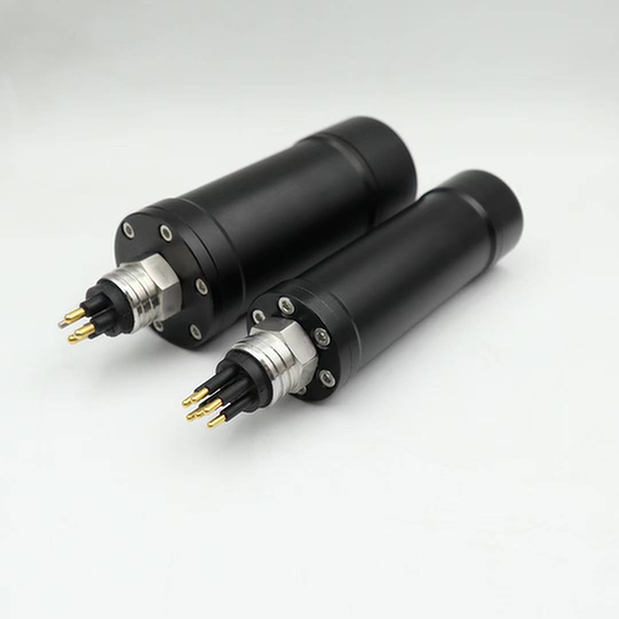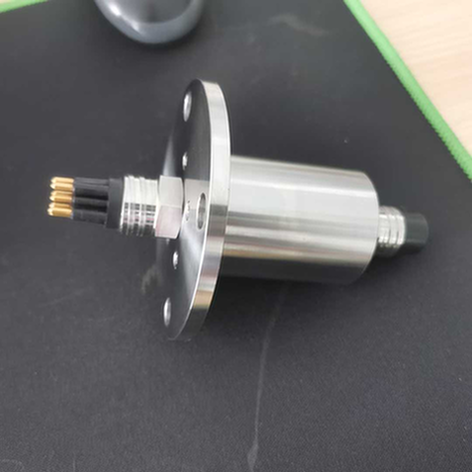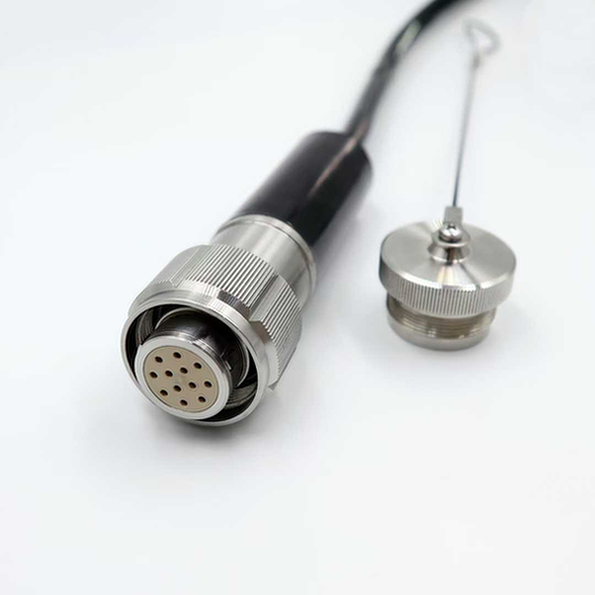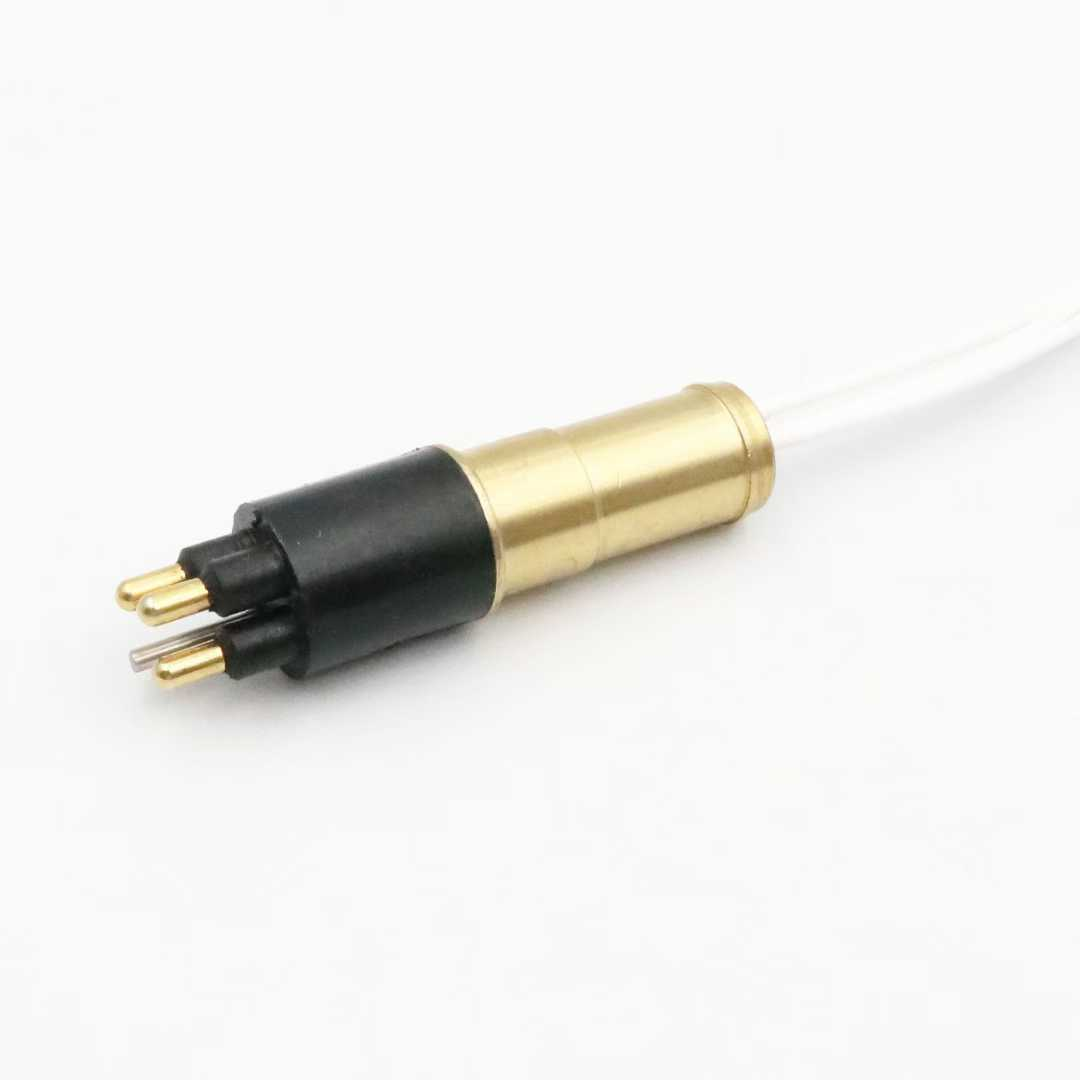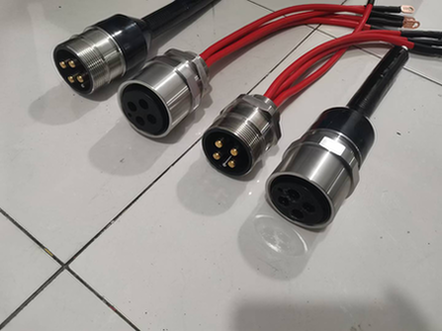
Abstract: Correct installation torque is critical for underwater connector performance. This guide provides official HYSF recommended torque values for stainless steel and bronze connectors across UNF/UNS thread specifications.
1. Official HYSF Torque Specifications
1.1 Recommended Torque Values Table
| Thread Size | Shell Material | Recommended Torque (N·m) |
|---|---|---|
| 5/16″-24 UNF | Stainless Steel | 6.0 N·m |
| 3/8″-24 UNF | Stainless Steel | 10.0 N·m |
| 7/16″-20 UNF | Stainless Steel | 14.0 N·m |
| 7/16″-20 UNF | Bronze (Sea Brass) | 12.0 N·m |
| 1/2″-20 UNF | Stainless Steel | 20.0 N·m |
| 1/2″-20 UNF | Bronze (Sea Brass) | 15.0 N·m |
| 5/8″-18 UNF | Stainless Steel | 25.0 N·m |
| 5/8″-18 UNF | Bronze (Sea Brass) | 20.0 N·m |
| 3/4″-16 UNF | Stainless Steel | 30.0 N·m |
| 7/8″-14 UNF | Stainless Steel | 30.0 N·m |
| 1″-14 UNS | Stainless Steel | 34.0 N·m |
1.2 Material Comparison
| Material | Characteristics | Torque Factor |
|---|---|---|
| Stainless Steel | High strength, excellent corrosion resistance | 1.00 (baseline) |
| Bronze (Sea Brass) | Good corrosion resistance, softer material | ~0.85 (reduce 15%) |
Key Observation: Bronze shell connectors require approximately 15% lower torque compared to stainless steel counterparts of the same thread size.
2. Installation Guidelines
2.1 Preparation Steps
- Clean threads – Remove debris, oil, and salt deposits
- Inspect O-rings – Check for cuts, nicks, or deformation
- Apply silicone grease – Light coating on O-rings only (not threads)
- Verify thread engagement – Hand-tighten first to ensure proper alignment
2.2 Tightening Procedure
Step 1: Hand Tightening
Engage threads by hand until snug. Ensure no cross-threading.
Step 2: Initial Torque (50%)
Apply 50% of target torque. Check for even seating.
Step 3: Final Torque (100%)
Apply full recommended torque. Use calibrated torque wrench.
Step 4: Verification
Mark position for visual reference. Recheck after 24 hours (stress relaxation).
2.3 Tool Requirements
- Digital Torque Wrench (±1-2%) – Preferred for precision
- Presetting Torque Wrench (±3%) – Good for production
- Beam/Dial Torque Wrench (±4%) – Acceptable for field use
Important: Torque wrench should be calibrated annually.
3. Torque Correction Factors
3.1 Lubrication Adjustments
- Dry threads: No adjustment (standard values)
- Silicone grease on O-ring: No adjustment (recommended)
- Thread lubricant: Reduce 10-15% (not recommended for underwater)
- Anti-seize compound: Reduce 15-20% (high-temperature only)
3.2 Environmental Considerations
- Underwater installation: Pre-assemble on land when possible
- Deep water (>100m): Reduce torque 5-10%
- High vibration: Use threadlocker (medium strength)
- Temperature cycling: Recheck torque after thermal cycles
4. Common Mistakes to Avoid
| Mistake | Consequence | Prevention |
|---|---|---|
| Over-tightening | Thread stripping, O-ring damage | Use calibrated torque wrench |
| Under-tightening | Water leakage, poor contact | Follow specified values |
| Lubricating threads | Inconsistent preload | Lubricate O-rings only |
| Skipping inspection | Hidden damage | Visual check before assembly |
| Reusing damaged parts | Failure under pressure | Replace worn components |
5. Maintenance Schedule
5.1 Torque Verification Intervals
- Initial installation: Recheck after 24 hours
- ROV/AUV systems: Every 500 operating hours
- Fixed installations: Every 6 months
- After vibration exposure: Immediately
- After temperature extremes: Immediately
6. HYSF Product Applications
6.1 Small Connectors (5/16″ – 3/8″)
Uses: Underwater sensors, small cameras, low-power instruments
Torque Range: 6-10 N·m
6.2 Medium Connectors (7/16″ – 1/2″)
Uses: ROV tooling, medium power systems, data transmission
Torque Range: 12-20 N·m
6.3 Large Connectors (5/8″ – 1″)
Uses: High-power ROV systems, subsea power distribution
Torque Range: 20-34 N·m
7. Frequently Asked Questions
Q1: Why does bronze require lower torque than stainless steel?
Answer: Bronze is a softer material with lower yield strength. Using the same torque as stainless steel could cause thread deformation or housing damage.
Q2: Can I use these values for metric threads?
Answer: No. These values are specific to UNF/UNS inch threads. Metric threads have different pitch and require different torque values.
Q3: How critical is it to use a torque wrench?
Answer: Very critical. Hand-tightening is inconsistent and can vary by 50% or more. A calibrated torque wrench ensures reliable, repeatable results.
Q4: Should I retighten connectors after initial installation?
Answer: Yes. Always recheck torque after 24 hours due to stress relaxation and O-ring compression set.
8. Summary – Quick Reference
| Thread Size | Stainless (N·m) | Bronze (N·m) |
|---|---|---|
| 5/16″-24 UNF | 6.0 | – |
| 3/8″-24 UNF | 10.0 | – |
| 7/16″-20 UNF | 14.0 | 12.0 |
| 1/2″-20 UNF | 20.0 | 15.0 |
| 5/8″-18 UNF | 25.0 | 20.0 |
| 3/4″-16 UNF | 30.0 | – |
| 7/8″-14 UNF | 30.0 | – |
| 1″-14 UNS | 34.0 | – |
Key Points
- ✅ Follow HYSF specified torque values – Do not use generic tables
- ✅ Use calibrated torque wrench – Accuracy within ±3%
- ✅ Bronze requires 15% less torque – Softer material
- ✅ Lubricate O-rings only – Keep threads dry
- ✅ Recheck after 24 hours – Stress relaxation compensation
Technical specifications based on HYSF product testing. Always refer to specific product manual for your connector model.
Document Version: 1.0
Published: March 12, 2026
Category: Technical Documentation / Installation Specifications







 English
 Spanish
 Russian
 French
 German
 Korean
 Japanese
 Arabic
 Thai
Thai Danish
 Norwegian