The exploration and industrialization of the world’s oceans represent one of the most significant engineering challenges of the 21st century. As we push toward the “Blue Economy”—encompassing offshore renewable energy, deep-sea mining, marine robotics, and long-term environmental monitoring—the demand for reliable, high-performance subsea infrastructure has never been greater. At the heart of every Remotely Operated Vehicle (ROV), Autonomous Underwater Vehicle (AUV), and seafloor observatory lies a critical, yet often overlooked, component: the subsea interconnect system.
This article provides an in-depth exploration of the engineering principles, material science, and integration strategies behind modern subsea connectors, cabling, and custom pressure vessels that power our journey into the deep.
1. The Physics of the Deep: Engineering for the Hadal Zone
Engineering for the subsea environment is fundamentally a battle against thermodynamics, chemistry, and extreme hydrostatic pressure. For every 10 meters of depth, the pressure increases by approximately 1 atmosphere (atm). In the Hadal zone, reaching depths of 6,000 meters, the pressure exceeds 600 atm (approx. 60 MPa or 8,700 PSI).
Structural Integrity and Pressure Vessels
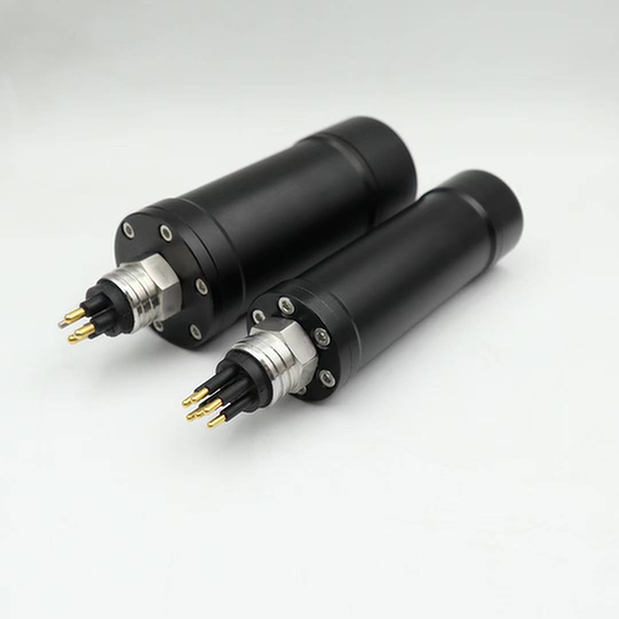
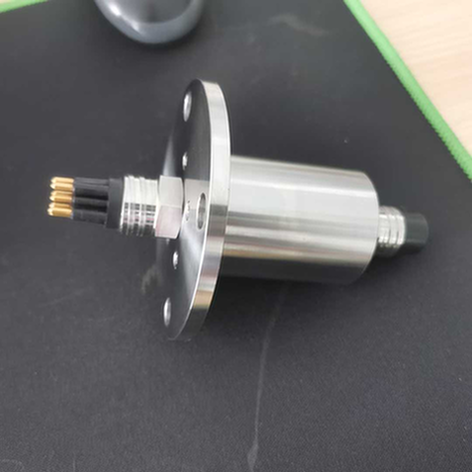
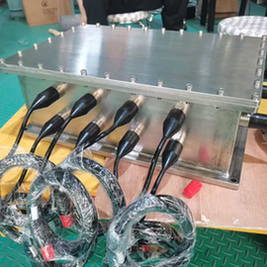
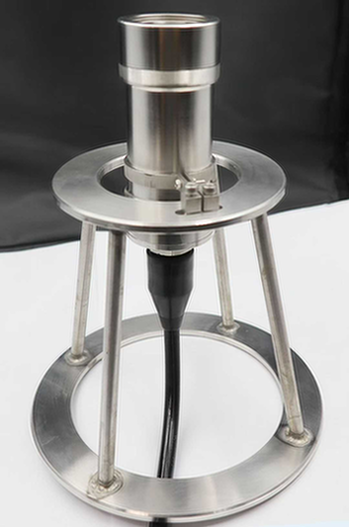
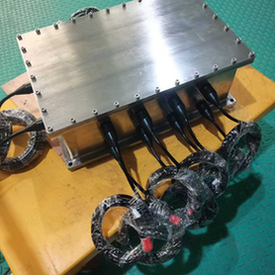
The “Dry Chamber” is the primary sanctuary for sensitive electronics subsea. Custom sealed enclosures, or pressure vessels, are engineered to resist these crushing forces while maintaining a watertight seal at every penetration point.
- Auswahl des Materials: While 316L Stainless Steel is the workhorse for mid-range depths, Grade 5 Titanium is preferred for 6,000-meter missions due to its superior strength-to-weight ratio and absolute immunity to seawater corrosion.
- ODM Customization: Modern ROV manufacturers require Original Design Manufacturer (ODM) services to create non-cylindrical or modular housings that integrate seamlessly with specific vehicle frames.
2. Subsea Interconnects: The Interface of Reliability
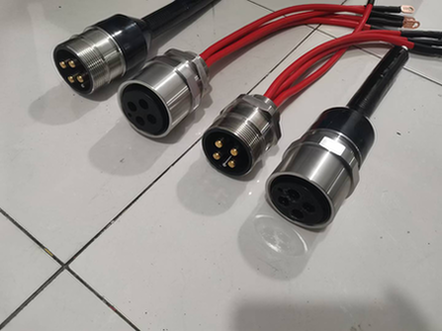
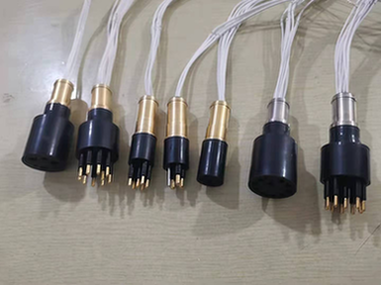
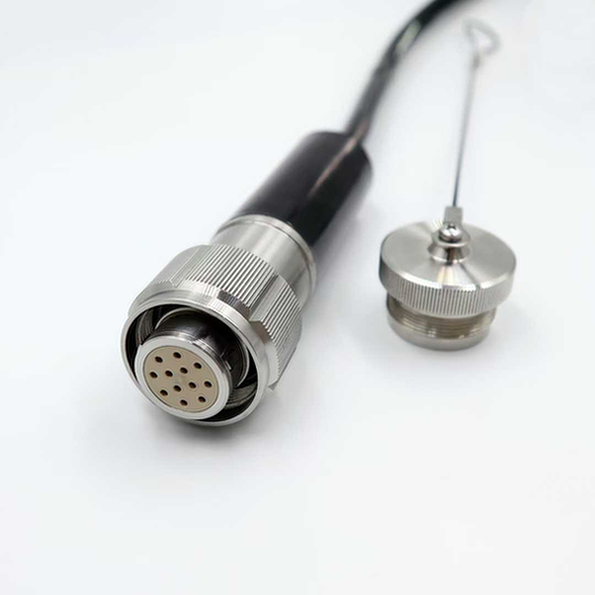
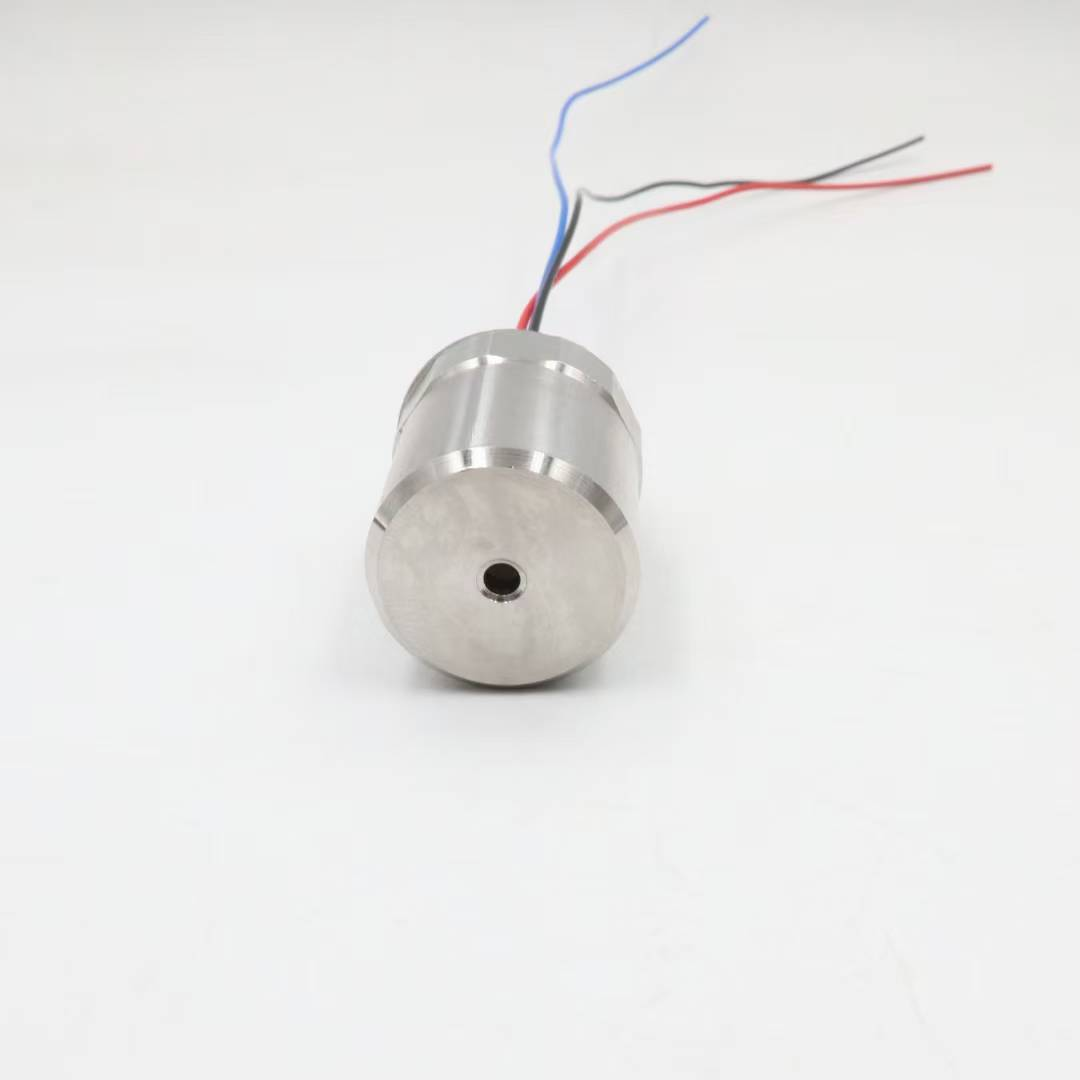
A pressure vessel is useless if it cannot transmit power and data to the outside world. Subsea connectors are the specialized interfaces that bridge the “Dry” and “Wet” environments.
The Rise of Miniaturization
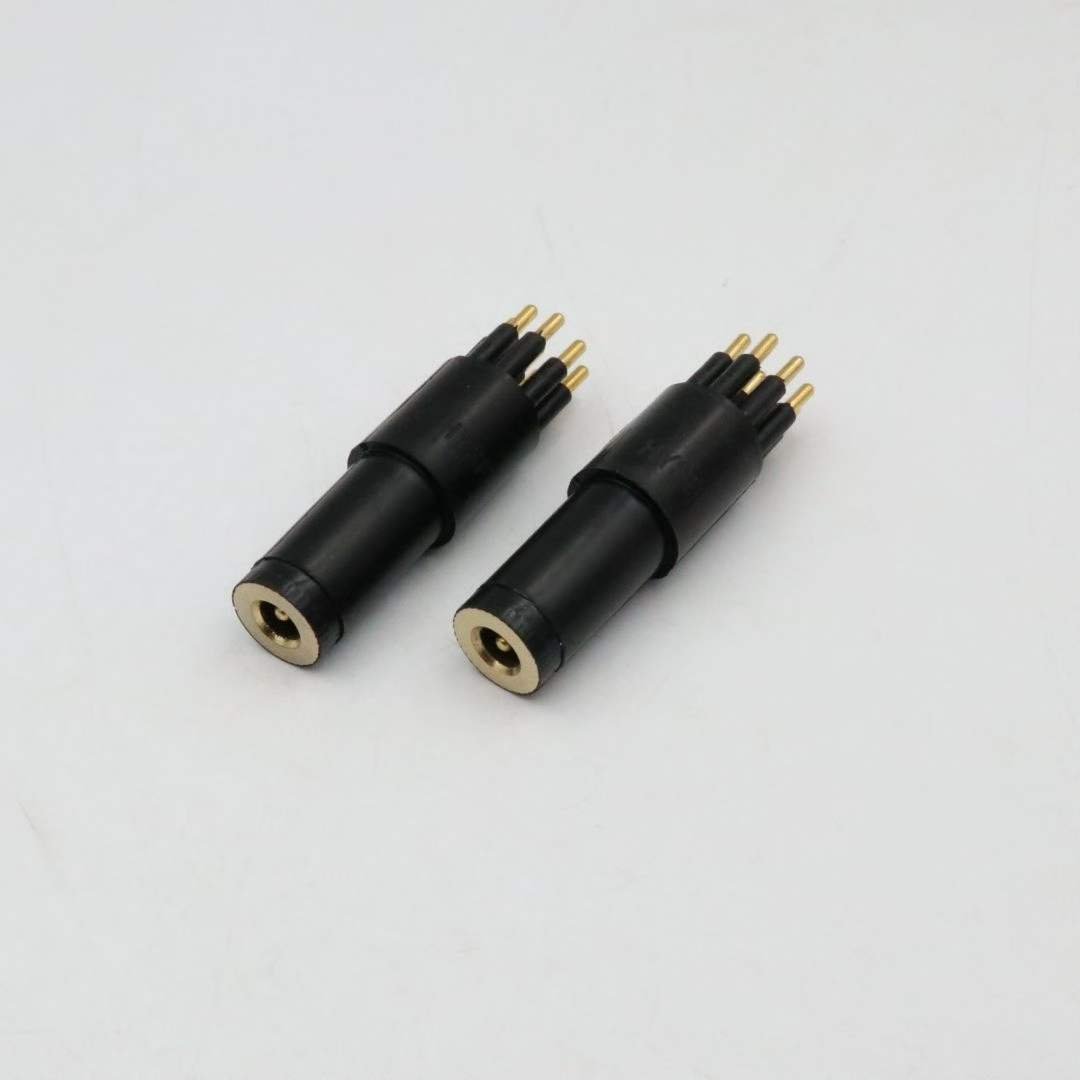
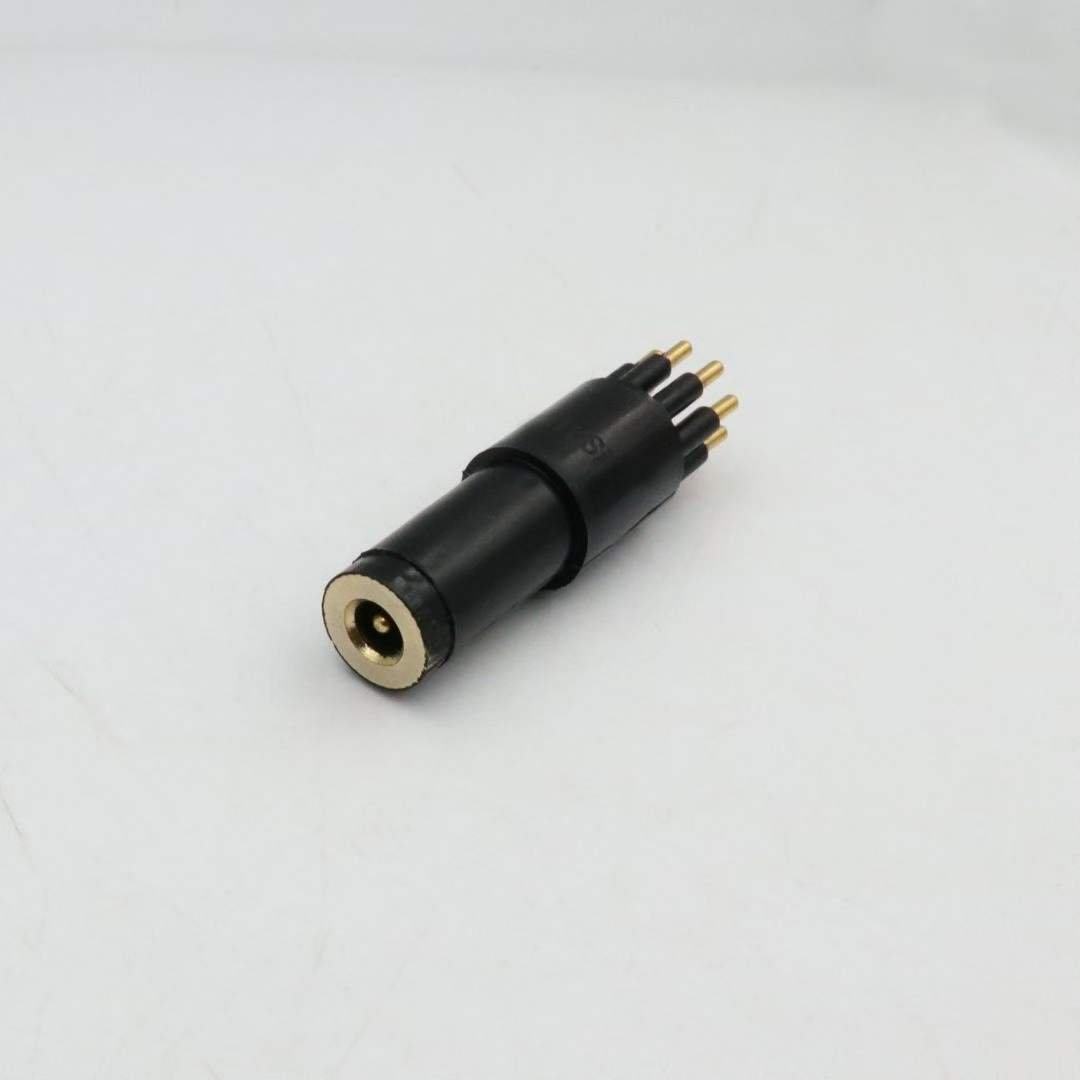
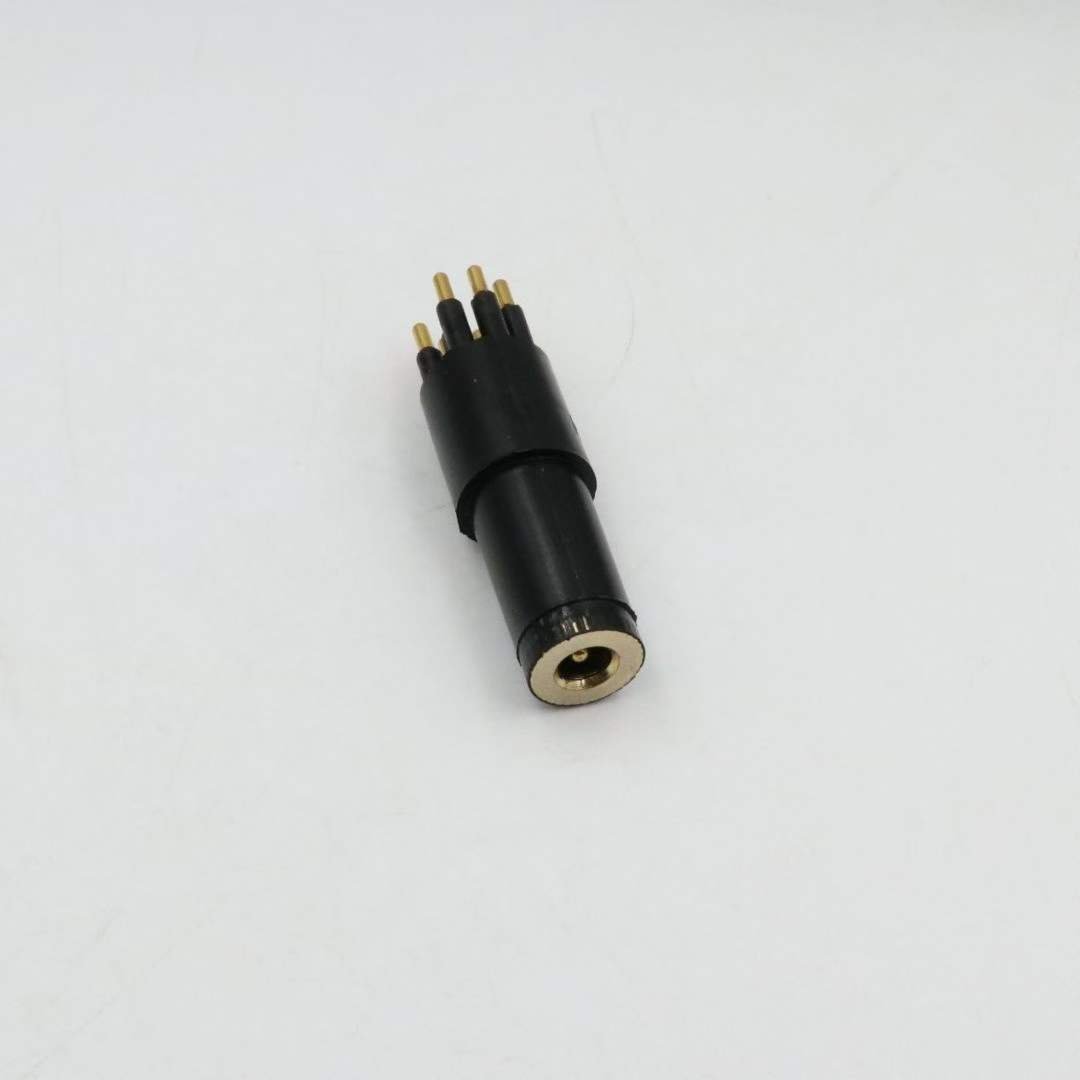
As ROVs become smaller and more agile, bulkhead space on pressure vessels has become the ultimate luxury. Engineers are moving away from bulky industrial connectors toward ultra-miniature solutions.
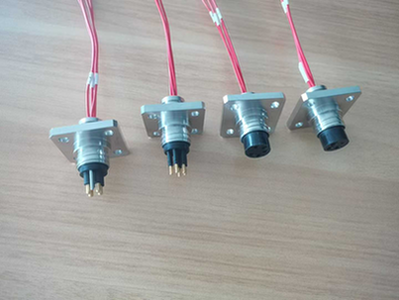
- Compact Footprints: Ultra-miniature flange bases are optimized for ROVs, offering a smaller and lighter footprint than traditional threaded penetrators.
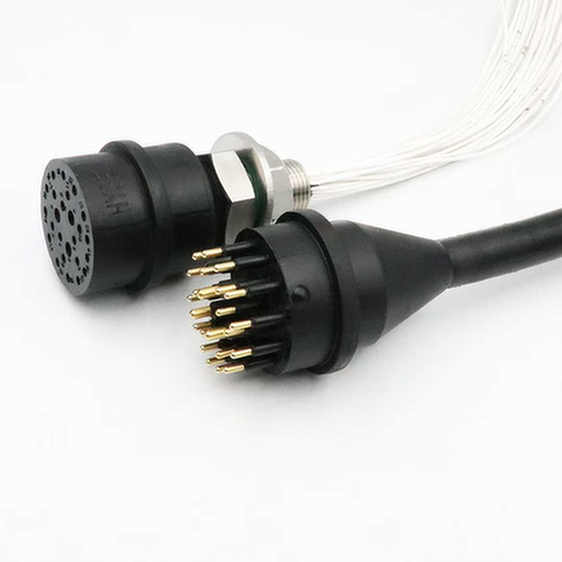
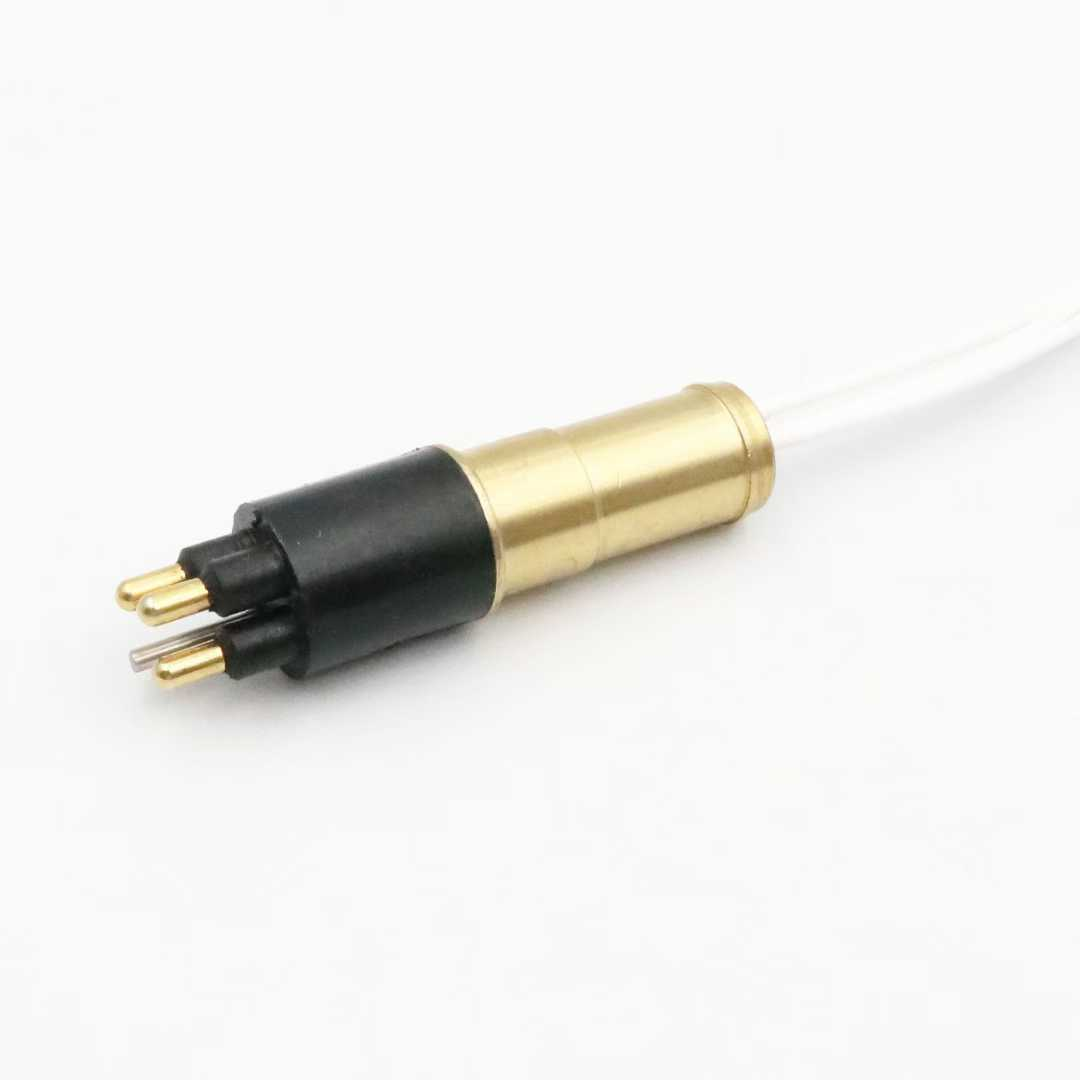
- High Density: Modern miniature series can pack between 2 to 28 independent pins into shells with diameters as small as 12mm to 23mm, allowing for massive telemetry in a tiny space.
High-Current and High-Voltage Management
Powering thrusters and heavy-duty manipulators requires connectors capable of handling significant electrical loads.
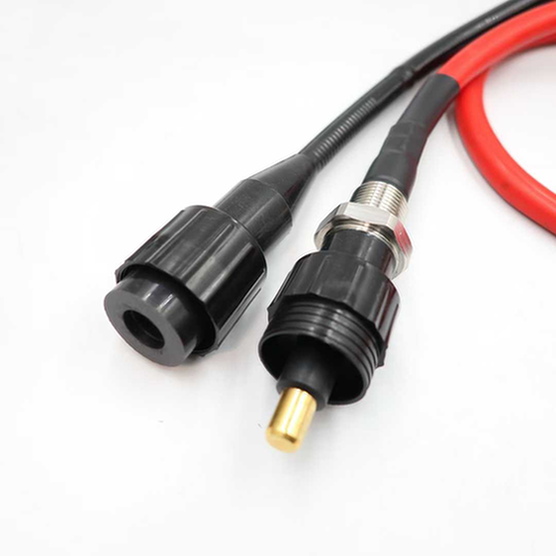
- Single-Core Power: For dedicated power feeds, single-core connectors rated for 60A, 150A, or even 180A are deployed. These utilize massive contact interfaces and high-purity gold plating to minimize electrical resistance and heat generation.
- High-Voltage Safety: Specialized high-voltage connectors are engineered with superior insulation resistance (often >200MΩ) to prevent arcing and dielectric breakdown under pressure.
3. High-Bandwidth Telemetry: The Fiber Optic Revolution
Traditional copper-based data transmission is limited by distance and interference. To achieve real-time 4K or 8K video streaming from 6,000 meters, the industry has turned to fiber optics.
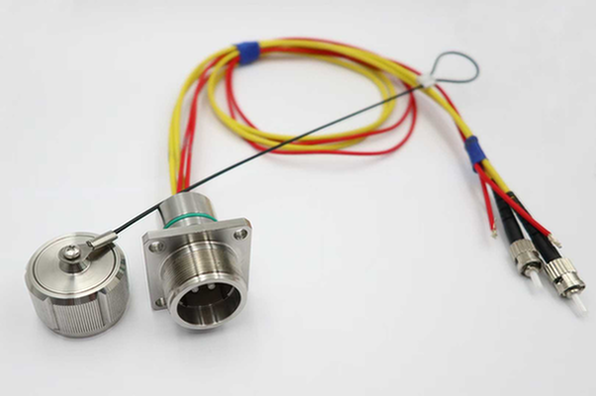
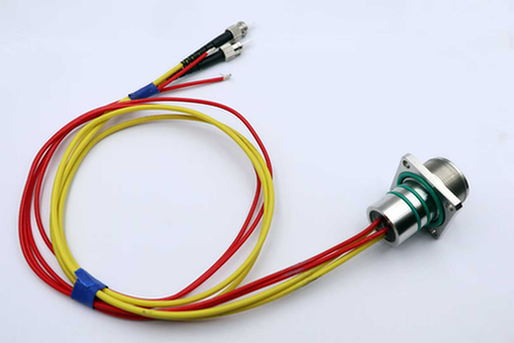
- 6-Channel Optical Hybrids: These sophisticated connectors integrate 6 fiber optic channels with electrical power pins in a single interface. This allows a single cable to provide infinite bandwidth for telemetry while simultaneously powering the vehicle.
- Pressure Protection: Because glass fibers are sensitive to bending and pressure, these connectors utilize precision-aligned ceramic ferrules and specialized oil-filling to protect the fiber tips from the 60MPa environment.
4. Pressure Compensation: The BOF Ecosystem
At extreme depths, even the most robust cable can collapse if it contains air pockets. The solution is BOF (Balanced Oil-Filled) technology.
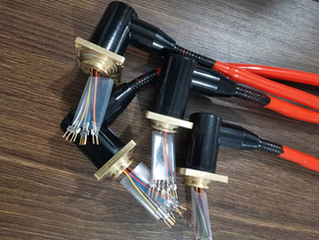
- Total Pressure Equilibrium: In a BOF system, the cables are encased in a flexible, transparent hose filled with non-conductive insulation oil.
- The Piston Effect: As the depth increases, the external pressure compresses the flexible hose, which in turn pressurizes the internal oil. This ensures that the pressure inside the conduit always matches the outside ocean, eliminating the risk of structural collapse.
5. Cable Management and Branching Strategies
Managing the “nervous system” of a complex subsea vehicle requires more than just straight cables; it requires strategic distribution.
Overmolded Branching
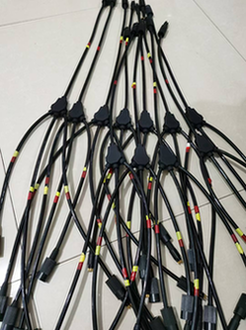
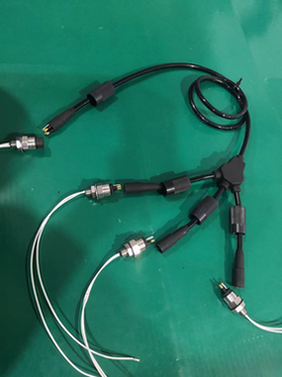
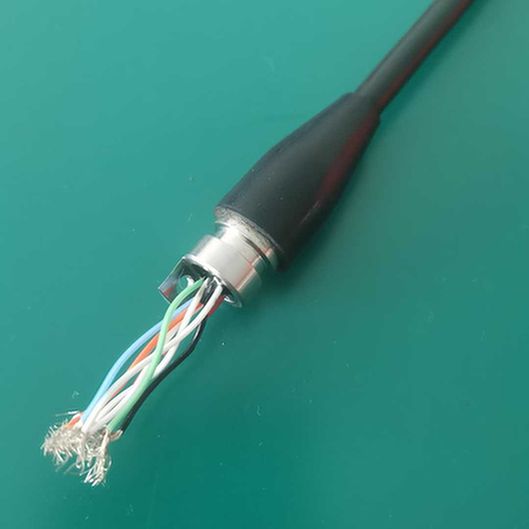
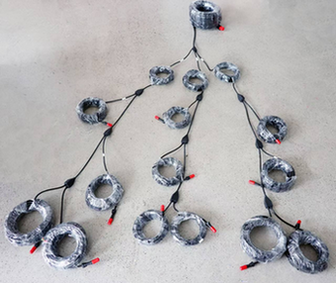
To reduce the number of penetrations on a pressure vessel, engineers use branching cables. A single main trunk line can be split into 1-to-3 or 1-to-4 branches using high-pressure overmolding. This creates a seamless, watertight junction that can distribute power to multiple thrusters or signals to multiple sensors.
Custom Tethers and Umbilicals
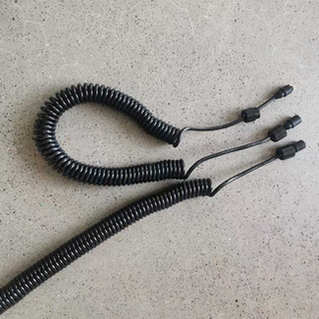
The tether is the lifeline of the ROV. Custom subsea cables are engineered with specific buoyancy (neutral, positive, or negative) and reinforced with high-tensile strength members (like Kevlar) to ensure they can handle the drag and tension of deep-sea operations.
6. Vision and Lighting: Navigating the Midnight Zone
Below 1,000 meters, there is no natural light. Subsea vision systems must be self-sufficient.
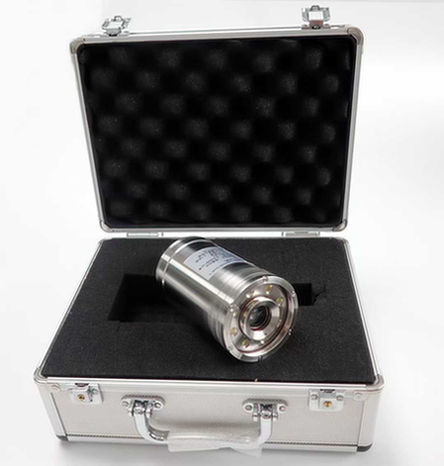
- Integrated 5MP HD Cameras: Modern subsea cameras are housed in 316L Stainless Steel and feature integrated 8-LED arrays to provide illumination in the total darkness of the deep.
- PWM Dimming Control: Visibility in murky water is often ruined by “backscatter”—light reflecting off particles. By using 3-pin watertight interfaces that support PWM (Pulse Width Modulation) dimming, pilots can precisely adjust light intensity to get the perfect shot.
7. Operational Maintenance: The Field-Replaceable Advantage
In offshore operations, downtime is measured in thousands of dollars per hour. Subsea components must be designed for rapid field maintenance.
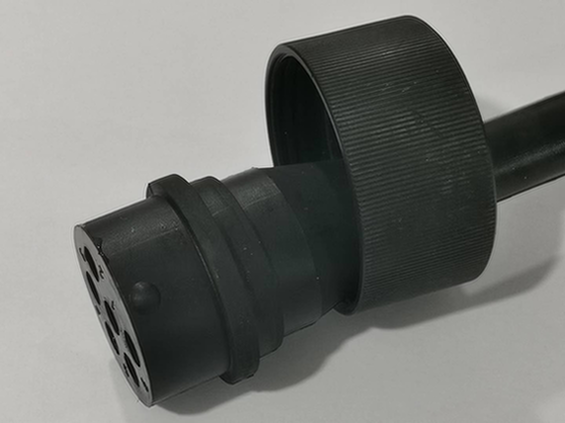
- Watertight Charging Plugs: Specialized charging plugs and “dummy” plugs are used to protect interfaces during transport and ensure that AUVs can be charged without opening the main pressure vessel.
- Split-Series Clamping: Unique clamping designs allow technicians to perform field swaps of connectors without specialized tools, making them the preferred choice for modular ROV tools.
Conclusion: The Path to the Seafloor
The future of subsea exploration depends on the reliability of the smallest links. By integrating custom pressure vessels with high-density miniaturized connectors, high-current power links, and pressure-balanced optical telemetry, HYSF SUBSEA provides the foundation for the next generation of abyssal discovery.
As we move toward a future of fully autonomous seafloor operations, these interconnect technologies will continue to evolve, pushing the boundaries of what is possible in the final frontier on Earth.







 English
 Spanish
 Russian
 French
 German
 Korean
 Japanese
 Arabic
 Thai
Thai Danish
 Norwegian