Zusammenfassung
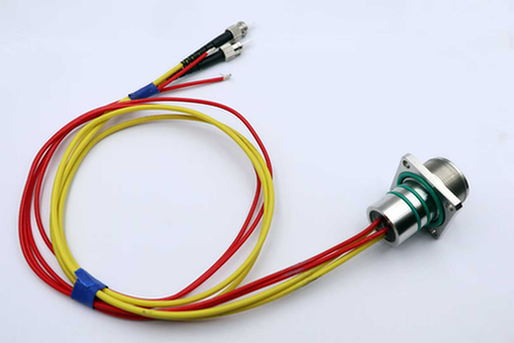
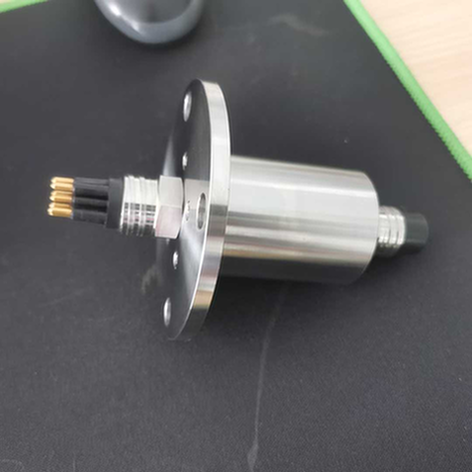
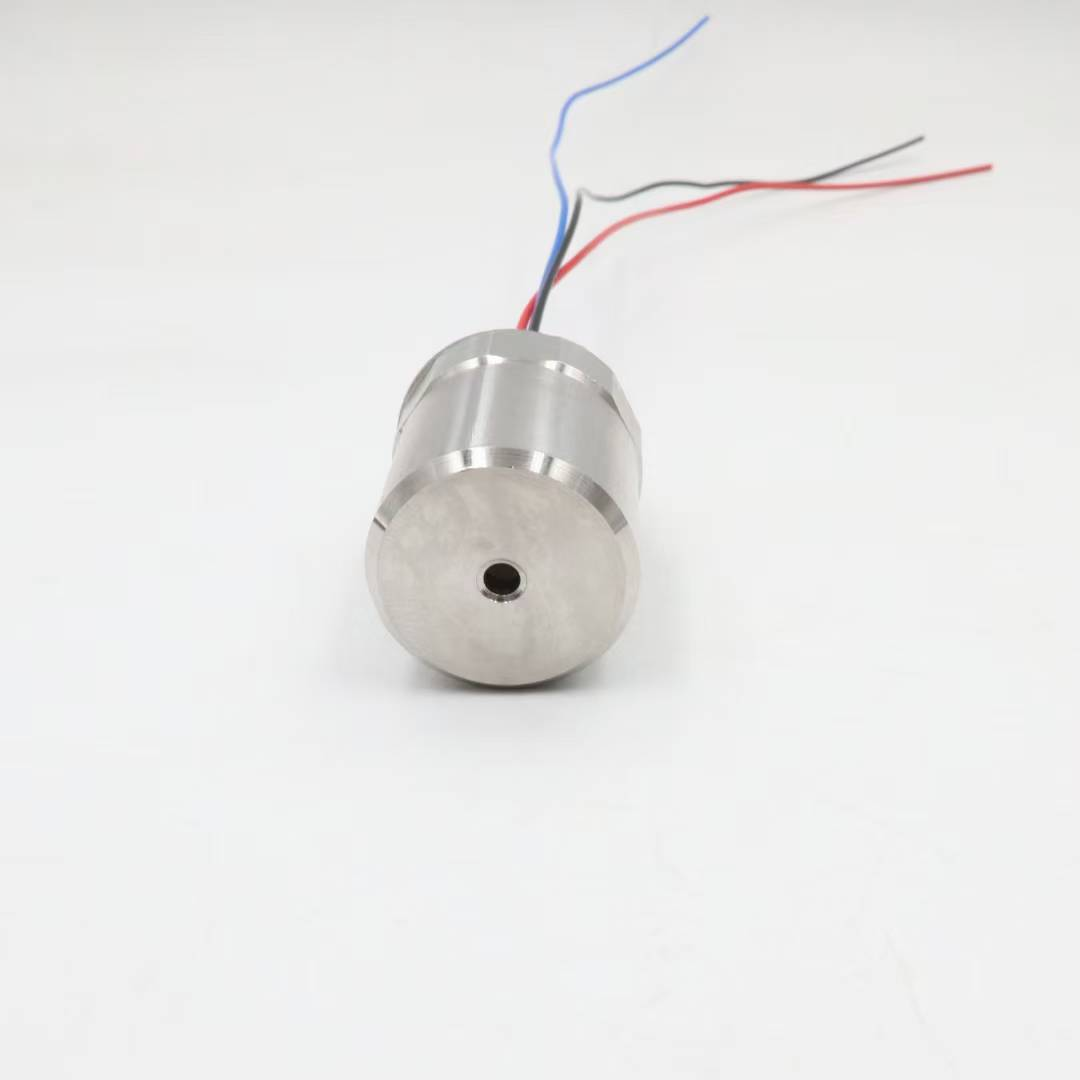
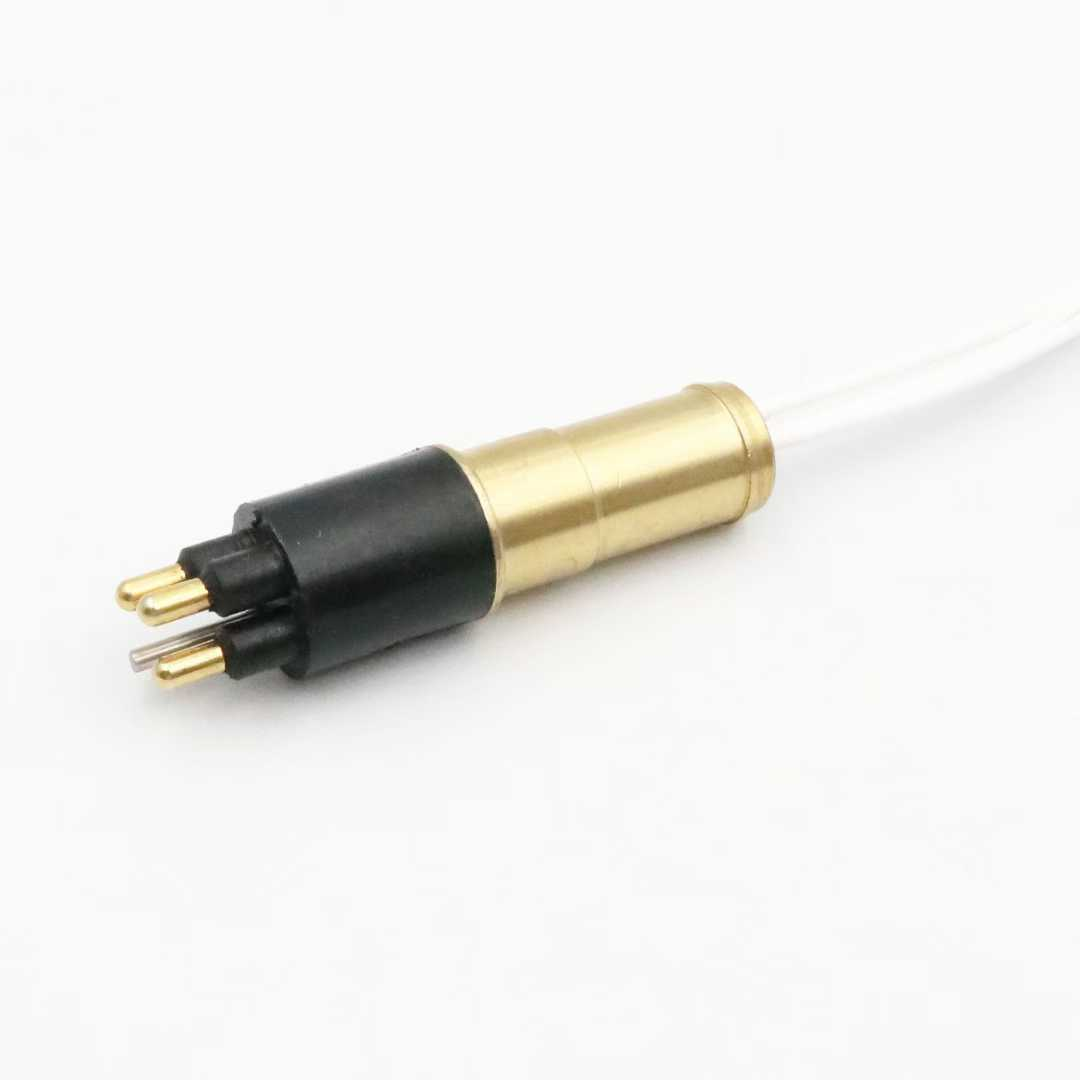
Deep sea mining represents an emerging application for underwater connectors, with operations planned at depths exceeding 6000 meters. This comprehensive guide examines the extreme technical challenges, material requirements, and real-world case studies from Patania II and other collector vehicle deployments.
Key Highlights:
- 6000m depth = 60 MPa (8700 psi) pressure – extreme sealing requirements
- Titanium alloy (Ti-6Al-4V) proven material for collector vehicle connectors
- Abrasive sediment environment demands exceptional wear resistance
- Market growth: $180M (2024) to $520M (2030), 19.2% CAGR
- Patania II 35-ton collector provides real-world validation data
1. Deep Sea Mining: Application Overview
Deep sea mining targets polymetallic nodules, seafloor massive sulfides, and cobalt-rich ferromanganese crusts containing valuable metals including nickel, copper, cobalt, and manganese.
1.1 Mining System Components
| Component | Function | Depth | Connector Requirements |
|---|---|---|---|
| Collector Vehicle | Nodule collection from seabed | 4000-6000m | Extreme pressure, abrasion, shock |
| Riser System | Slurry transport to surface | 0-6000m | Intermediate connections, monitoring |
| Surface Vessel | Processing and storage | Surface | Standard marine connectors |
| Support Systems | Power, control, positioning | 0-6000m | Reliable long-term operation |
1.2 Operating Environment
Deep sea mining connectors face uniquely challenging conditions:
- Pressure: 60 MPa (600 bar, 8700 psi) at 6000m depth
- Abrasion: Constant exposure to manganese nodules and sediment
- Chemical: Seawater corrosion, potential sulfide exposure
- Temperature: 2-4°C ambient, equipment heat generation
- Dynamic Loading: Vehicle movement, cable tension variations
2. 6000 Meter Pressure Challenge
Six thousand meters represents the practical maximum for current connector technology, requiring exceptional engineering.
2.1 Pressure Effects on Connectors
| Effect | Mechanism | Mitigation |
|---|---|---|
| Seal Compression | Pressure compresses elastomeric seals | O-ring groove design, backup rings |
| Housing Deformation | Pressure deforms metal housing | Thick walls, finite element analysis |
| Contact Force Change | Pressure alters contact normal force | Spring-loaded contacts, over-design |
| Material Property Change | Pressure affects material properties | Material selection, testing |
2.2 Sealing Strategies
Multiple sealing approaches ensure reliability at extreme depth:
- Primary Seal: O-ring or X-ring in precision-machined groove
- Secondary Seal: Backup seal for redundancy
- Pressure-Activated: Seals that improve with increasing pressure
- Metal-to-Metal: Secondary metal seal for ultimate containment
3. Material Selection for Extreme Conditions
3.1 Titanium Alloy (Ti-6Al-4V)
Titanium alloy remains the premier choice for deep sea mining connectors:
| Property | Value | Benefit |
|---|---|---|
| Yield Strength | 880 MPa | High strength-to-weight ratio |
| Density | 4.43 g/cm³ | 55% lighter than steel |
| Corrosion Rate | <0.001 mm/year | Essentially immune to seawater |
| Non-Magnetic | Yes | No magnetic interference |
| Biocompatible | Yes | Minimal environmental impact |
CST Titaniums provides extensive test data validating titanium performance in deep sea mining applications, including Patania II collector vehicle deployments.
3.2 Ceramic Composites
Advanced ceramics offer alternative material solutions for specific applications:
- Alumina (Al₂O₃): High hardness, good wear resistance
- Zirconia (ZrO₂): Toughness, thermal shock resistance
- Silicon Carbide (SiC): Extreme hardness, chemical resistance
3.3 Wear-Resistant Coatings
Surface treatments enhance wear resistance:
- Hard Anodizing: Aluminum oxide layer (50-100 μm)
- DLC (Diamond-Like Carbon): Extreme hardness, low friction
- Tungsten Carbide: Abrasion resistance for high-wear areas
4. Patania II Case Study
The Patania II collector vehicle, deployed by Global Sea Mineral Resources (GSR), provides valuable real-world data for connector performance in deep sea mining conditions.
4.1 Vehicle Specifications
| Parameter | Value |
|---|---|
| Weight | 35 tons (in air) |
| Dimensions | 10m × 6m × 3m |
| Operating Depth | 4500m (Clipperton-Clarion Zone) |
| Power | Umbilical cable from surface vessel |
| Propulsion | Electric thrusters |
| Collection System | Hydraulic pickup, sediment separation |
4.2 Connector Applications
Patania II utilizes connectors for:
- Power Distribution: Main power from umbilical to vehicle systems
- Control Signals: Command and telemetry
- Sensor Networks: Pressure, temperature, flow monitoring
- Hydraulic Systems: Quick-disconnect for maintenance
- Camera Systems: Video feeds for operator control
4.3 Lessons Learned
Patania II deployments revealed important insights:
- Abrasion Protection: Connectors in sediment flow paths require additional protection
- Cable Strain Relief: Critical for preventing connector damage during vehicle movement
- ROV Accessibility: Connectors must be accessible for ROV intervention
- Redundancy: Critical systems benefit from redundant connector paths
5. Market Outlook
5.1 Market Size Projections
| Year | Market Size | Growth Rate |
|---|---|---|
| 2024 | $180M | – |
| 2026 | $260M | 20% |
| 2028 | $370M | 19% |
| 2030 | $520M | 18% |
5.2 Growth Drivers
- EV Battery Demand: Nickel, cobalt, copper for lithium-ion batteries
- Land-Based Supply Constraints: Declining ore grades, environmental restrictions
- Technology Maturation: Collector vehicles, riser systems proven viable
- Regulatory Progress: ISA exploitation code development
6. Connector Selection Criteria
6.1 Depth Rating
- Operating depth + 20% safety margin minimum
- 6000m rating for Clarion-Clipperton Zone operations
- Pressure testing to 1.5x rated depth
6.2 Material Compatibility
- Titanium for structural components
- Compatible metals to avoid galvanic corrosion
- Seawater-resistant elastomers (Viton, Kalrez)
6.3 Wear Resistance
- Hard coatings for exposed surfaces
- Recessed connectors where possible
- Protective caps for unused connectors
7. Testing and Qualification
7.1 Type Testing
| Test | Condition | Duration |
|---|---|---|
| Pressure | 1.5x rated depth | 24 hours |
| Thermal | 2°C to 40°C | 100 cycles |
| Abrasion | Sediment slurry flow | 500 hours |
| Korrosion | Seawater immersion | 2000 hours |
| Mating | Rated cycles | Full life |
Schlussfolgerung
Deep sea mining connectors represent the frontier of underwater connector technology, operating at the limits of current engineering capabilities. The combination of extreme pressure, abrasive environment, and long-term reliability requirements demands careful material selection, robust design, and comprehensive testing.
Titanium alloy connectors, proven through Patania II and similar deployments, provide the foundation for reliable deep sea mining operations. As the industry moves toward commercial production, connector reliability will be a key factor in project economics and environmental performance.
Kontakt
For deep sea mining connector consultation:
E-Mail: technical@hysfsubsea.com
Website: www.hysfsubsea.com






 English
 Spanish
 Russian
 French
 German
 Korean
 Japanese
 Arabic
 Thai
Thai Danish
 Norwegian