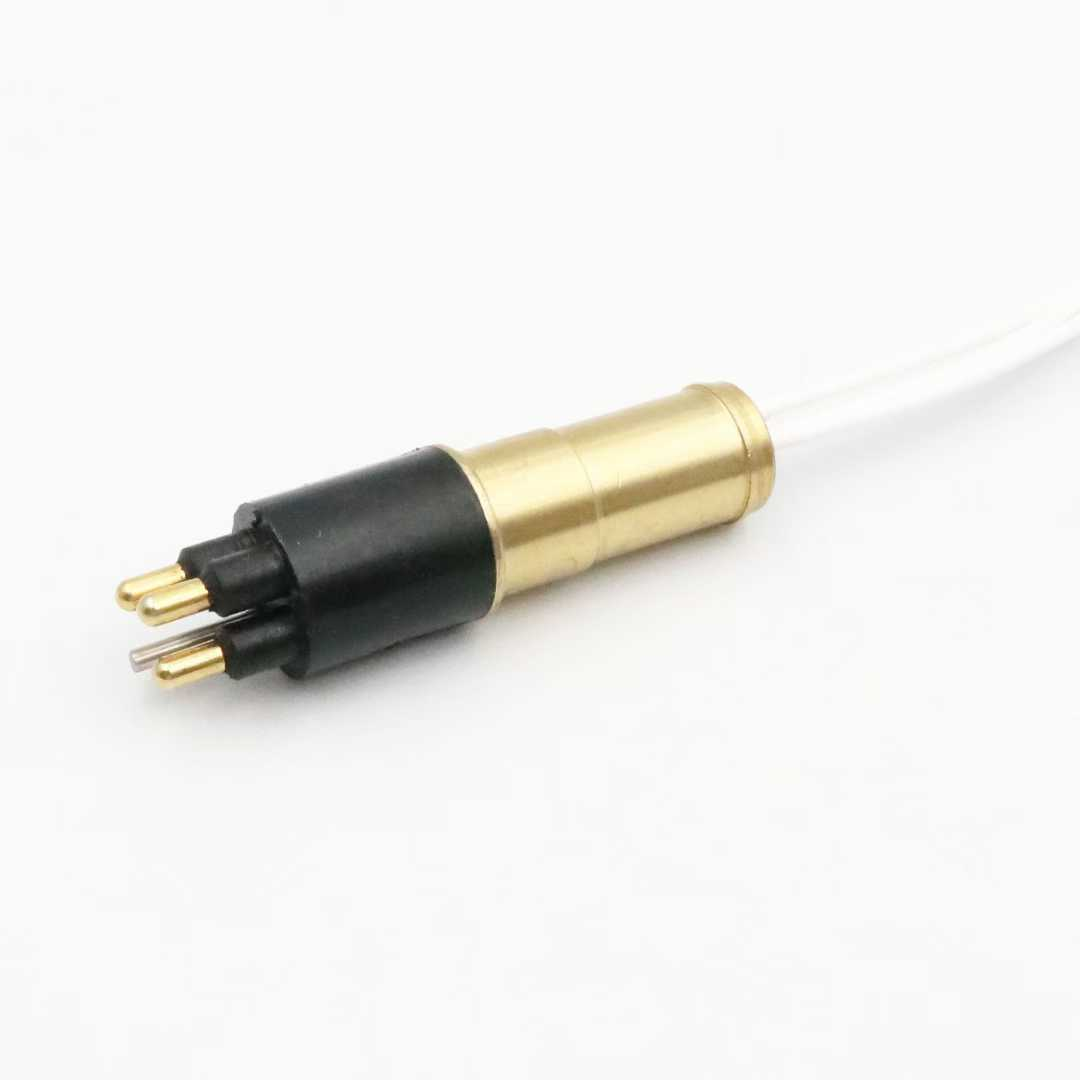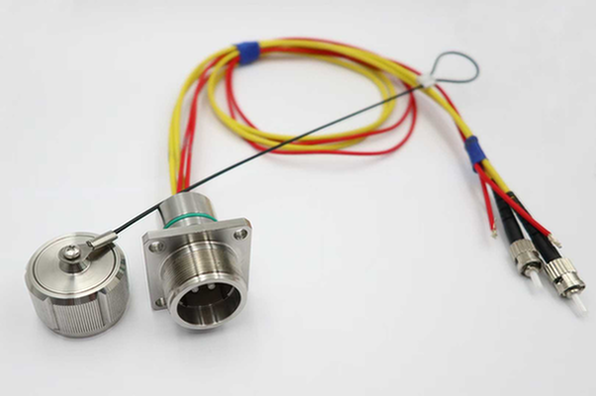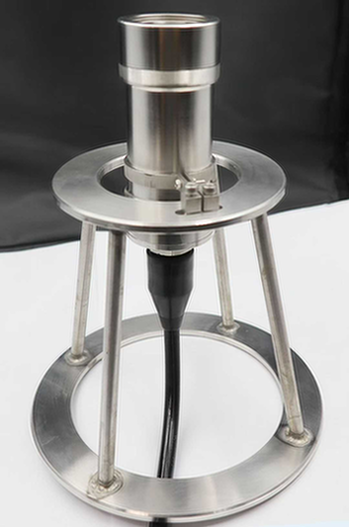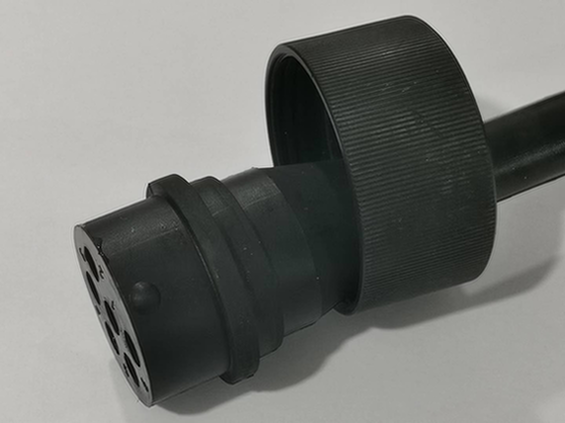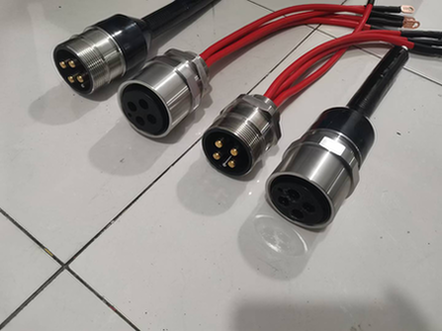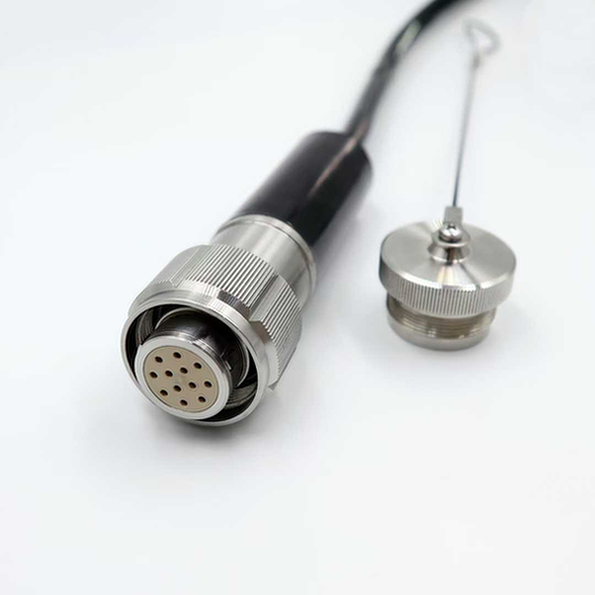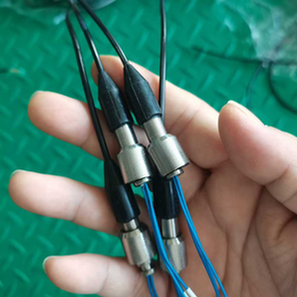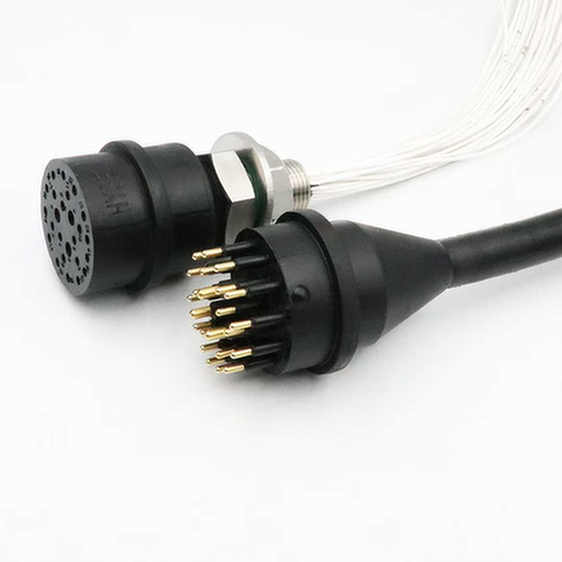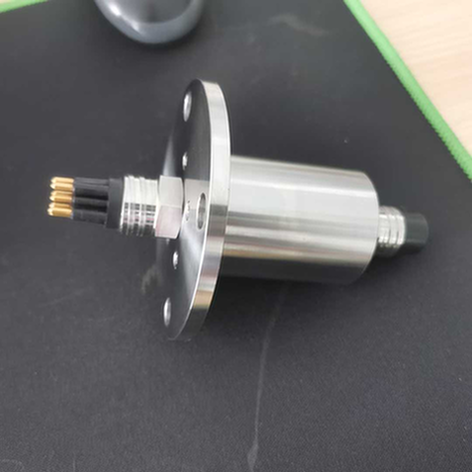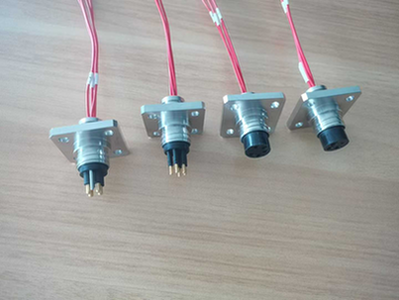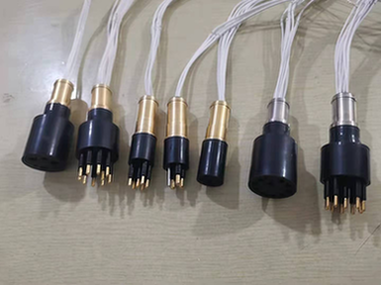
Respuesta rápida: Material selection depends on application requirements. Stainless Steel (316L): Best all-around, good corrosion resistance, moderate cost, 300-1000m depth. Titanium: Premium choice, excellent corrosion resistance, lightweight, high strength, 1000-3000m+ depth, 2-3x cost. Engineering Plastic (POM): Budget option, good for shallow water, 100-300m depth, lowest cost. For seawater ROV/AUV, stainless steel recommended. For deep sea or aggressive environments, titanium worth the investment.
Explicación detallada
Connector housing material affects corrosion resistance, depth capability, weight, and cost. Making the right choice prevents premature failure and optimizes total cost of ownership.
Material Comparison Matrix
| Property | Acero inoxidable 316L | Titanio de grado 5 | Engineering Plastic (POM) |
|---|---|---|---|
| Resistencia a la corrosión | Excellent (seawater) | Outstanding (all environments) | Good (non-oxidizing) |
| Clasificación de profundidad | 300-1000m | 1000-3000m+ | 100-300m |
| Tensile Strength | 570 MPa | 900 MPa | 70 MPa |
| Density | 8.0 g/cm³ | 4.4 g/cm³ | 1.4 g/cm³ |
| Temperature Range | -40°C to +200°C | -60°C to +300°C | -40°C to +85°C |
| Relative Cost | 1.0x (baseline) | 2.5-3.0x | 0.5-0.7x |
Stainless Steel 316L – The Workhorse
Best for: General underwater applications, ROV/AUV, offshore oil & gas
- ✅ Excellent seawater corrosion resistance
- ✅ Good mechanical strength
- ✅ Widely available, proven track record
- ✅ Moderate cost
- ⚠️ Heavier than titanium
- ⚠️ Not suitable for extreme depths (>1500m)
Titanium Grade 5 – Premium Performance
Best for: Deep sea applications, military, high-reliability systems
- ✅ Superior corrosion resistance (all environments)
- ✅ Highest strength-to-weight ratio
- ✅ Non-magnetic (important for sensors)
- ✅ Excellent for extreme depths
- ⚠️ 2.5-3x cost of stainless steel
- ⚠️ Longer lead times (material availability)
Engineering Plastic (POM) – Budget Option
Best for: Shallow water, freshwater, cost-sensitive applications
- ✅ Lowest cost option
- ✅ Lightweight
- ✅ Good chemical resistance
- ✅ Non-conductive
- ⚠️ Limited depth capability
- ⚠️ Lower mechanical strength
- ⚠️ Temperature limitations
Application-Based Recommendations
| Solicitud | Recommended Material | Rationale |
|---|---|---|
| Aquaculture (0-50m) | Plastic or Stainless | Cost-effective, shallow depth |
| ROV Inspection (0-500m) | Stainless Steel | Best value, proven reliability |
| Deep Sea ROV (500-2000m) | Titanio | Depth capability, weight savings |
| Military/AUV | Titanio | Non-magnetic, high reliability |
| Freshwater Lakes | Plastic or Stainless | Less corrosive environment |
Customer Scenario: Material Upgrade Decision
“We’ve been using plastic connectors but experiencing failures at 200m depth. Should we upgrade?”
HYSF Analysis:
- ✅ Yes, upgrade to stainless steel immediately
- Plastic at 200m is at upper limit (risk of failure)
- Stainless steel provides 300-500m capability
- Cost increase: ~40-50%, but prevents equipment loss
- ROI: One avoided failure pays for upgrade
Contacto: engineering@hysfsubsea.com for material selection consultation








 English
 Spanish
 Russian
 French
 German
 Korean
 Japanese
 Arabic
 Thai
Thai Danish
 Norwegian