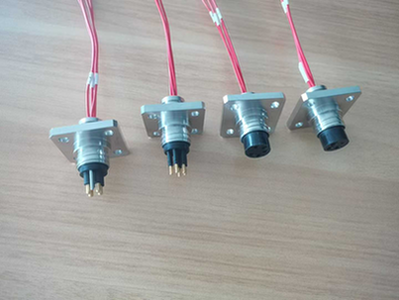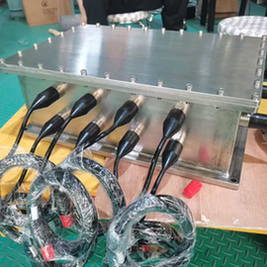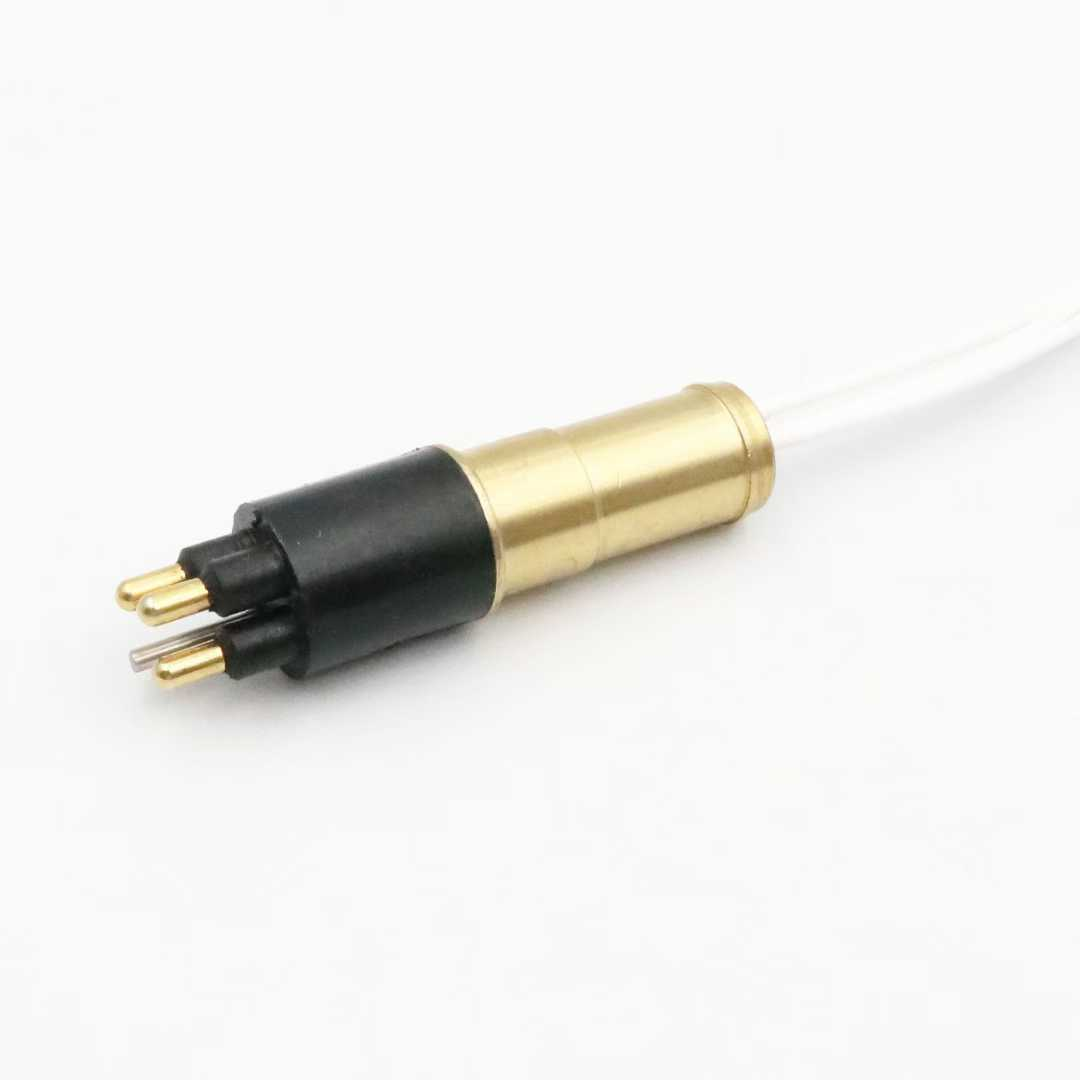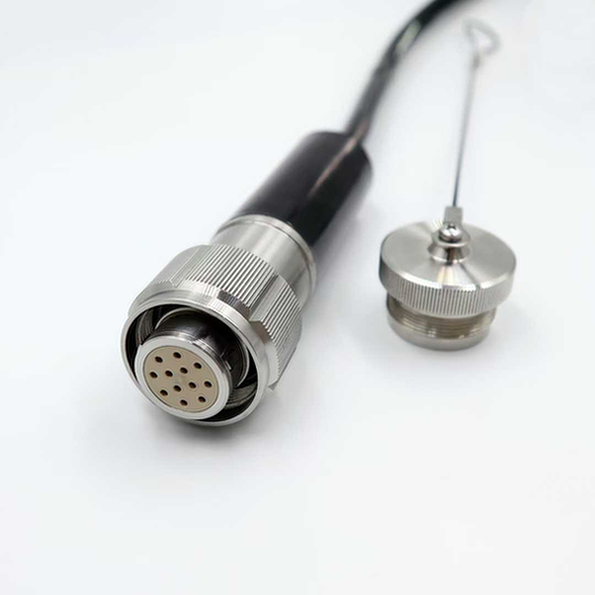
Common Failure Modes
Failure Mode 1: Water Ingress (Most Common)
Description: Water penetrates connector seals, causing corrosion, short circuits, or signal degradation.
Frequency: 60-70% of all connector failures
Root Causes:
– Seal damage during installation
– Seal degradation over time (age, temperature, chemicals)
– Improper mating (not fully engaged)
– Exceeded depth rating
– Pressure cycling fatigue
– Manufacturing defect
Symptoms:
– Intermittent electrical connection
– Increased insertion loss (fiber)
– Corrosion visible on inspection
– Moisture sensors triggered (if equipped)
– Complete failure (progressive)
Time to Failure: Hours to months (depends on ingress rate)
Failure Mode 2: Contact Corrosion
Description: Electrical contacts corrode, increasing resistance and causing signal loss or overheating.
Frequency: 15-20% of connector failures
Root Causes:
– Water ingress (primary cause)
– Galvanic corrosion (dissimilar metals)
– Chemical exposure (aquaculture, industrial)
– Poor plating quality
– Exceeded mating cycles
Symptoms:
– Increased contact resistance
– Voltage drop across connection
– Heat at connection point
– Intermittent signals
– Visible corrosion on inspection
Time to Failure: Weeks to years (progressive degradation)
Failure Mode 3: Mechanical Damage
Description: Physical damage to connector housing, pins, or cable termination.
Frequency: 10-15% of connector failures
Root Causes:
– Impact during installation or recovery
– Cable over-bending
– Excessive tension on cable
– Crush damage (vessel traffic, anchors)
– Fatigue from movement (dynamic applications)
Symptoms:
– Visible cracks or deformation
– Broken pins or sockets
– Cable pulled from connector
– Complete failure
– Intermittent connection (if partial damage)
Time to Failure: Immediate (catastrophic) or progressive (fatigue)
Failure Mode 4: Wear from Mating Cycles
Description: Connector contacts and seals wear out from repeated connection/disconnection.
Frequency: 5-10% of connector failures
Root Causes:
– Exceeded mating cycle rating
– Abrasive contamination during mating
– Improper mating technique
– Lack of lubrication (if required)
Symptoms:
– Increased insertion force
– Loose connection (not locking properly)
– Intermittent signals
– Visible wear on contacts
– Seal compression set
Time to Failure: Gradual (after exceeding cycle rating)
Failure Mode 5: Manufacturing Defects
Description: Latent defects from manufacturing process.
Frequency: 1-3% of connector failures
Root Causes:
– Poor quality control
– Material defects
– Assembly errors
– Design flaws
Symptoms:
– Early failure (days to weeks after installation)
– Multiple failures from same batch
– Specific failure mode (consistent pattern)
Time to Failure: Days to months (infant mortality)
—
Early Warning Signs
Electrical Indicators
| Symptom | Likely Cause | Urgency |
| ——— | ————– | ——— | |
|---|---|---|---|
| Intermittent connection | Loose mating, early corrosion, cable damage | Haut | |
| Increased resistance | Contact corrosion, loose connection | Medium-High | |
| Voltage drop | High resistance, undersized cable | Moyen | |
| Noise on signal | Water ingress, EMI, poor shielding | Moyen | |
| Complete failure | Broken connection, severe corrosion | Critical |
Optical Indicators (Fiber Connectors)
| Symptom | Likely Cause | Urgency |
| ——— | ————– | ——— | |
|---|---|---|---|
| Increased insertion loss | Contamination, misalignment, fiber damage | Medium-High | |
| High return loss | Endface damage, contamination | Moyen | |
| Intermittent signal | Contamination, loose connection | Haut | |
| Complete signal loss | Fiber break, severe contamination | Critical |
Physical Indicators
| Symptom | Likely Cause | Urgency |
| ——— | ————– | ——— | |
|---|---|---|---|
| Visible corrosion | Water ingress, galvanic corrosion | Haut | |
| Seal deformation | Over-compression, age, chemical attack | Moyen | |
| Cracks in housing | Impact damage, fatigue, UV degradation | Haut | |
| Loose connection | Worn locking mechanism, incomplete mating | Medium-High | |
| Moisture inside | Seal failure, housing crack | Critical |
Monitoring System Alerts
If Equipped with Sensors:
| Alert | Meaning | Action |
| ——- | ——— | ——– | |
|---|---|---|---|
| Moisture detected | Water ingress confirmed | Immediate inspection | |
| Temperature high | High resistance (heating) | Load reduction, inspection | |
| Partial discharge | Insulation breakdown | Plan replacement | |
| Vibration high | Mechanical stress | Vérifier l'absence de dommages |
—
Leak Detection Procedures
Method 1: Visual Inspection (First Step)
Equipment Needed:
– Good lighting
– Magnifying glass or microscope (10-50x)
– Camera (documentation)
– Cleaning supplies
Procedure:
1. Recover connector (if subsea)
2. Rinse with freshwater (remove salt, debris)
3. Dry thoroughly (compressed air, lint-free wipes)
4. Inspect seals:
– Look for cuts, nicks, deformation
– Check compression (should be uniform)
– Verify seals are seated properly
5. Inspect housing:
– Look for cracks, chips, deformation
– Check threads (if threaded connector)
– Verify locking mechanism functional
6. Inspect contacts:
– Look for corrosion, pitting, discoloration
– Check for bent or broken pins
– Verify contact alignment
7. Inspect cable entry:
– Look for water tracking along cable
– Check strain relief integrity
– Verify cable not pulled from connector
Documentation:
– Photograph all findings
– Note location and extent of any damage
– Record connector ID, installation date, mating cycles
Method 2: Insulation Resistance Test (Electrical Connectors)
Equipment Needed:
– Megohmmeter (megger) – 500V to 5kV range
– Test leads
– Personal protective equipment
Procedure:
1. Disconnect connector from all equipment
2. Set megger to appropriate voltage:
– LV connectors (<100V): 500V DC
- MV connectors (100-1000V): 1kV DC
- HV connectors (>1kV): 2.5-5kV DC
3. Connect test leads:
– Positive lead to contact(s)
– Negative lead to connector housing (ground)
4. Apply voltage for 60 seconds
5. Record insulation resistance at 60 seconds
6. Test all contacts (individually or ganged)
Acceptance Criteria:
| Connector Type | Minimum IR | Typical Good |
| —————- | ———— | ————– | |
|---|---|---|---|
| LV (<100V) | >100 MΩ | >1000 MΩ | |
| MV (100-1000V) | >500 MΩ | >5000 MΩ | |
| HV (>1kV) | >1000 MΩ | >10000 MΩ |
Interpretation:
- >1000 MΩ: Excellent (no water ingress)
- 100-1000 MΩ: Acceptable but monitor
- 10-100 MΩ: Marginal (likely moisture)
- <10 MΩ: Failed (water ingress confirmed)
Safety Warning: HV testing requires qualified personnel. Discharge connector after test.
Method 3: Hi-Pot (Dielectric Withstand) Test
Equipment Needed:
– Hipot tester (AC or DC)
– Test fixtures
– Safety barriers
Purpose: Verify insulation can withstand rated voltage without breakdown.
Procedure:
- Disconnect connector from all equipment
- Set test voltage:
– AC test: 2 × rated voltage + 1000V (per IEC 60529)
– DC test: 1.7 × AC test voltage - Apply voltage for 60 seconds
- Monitor leakage current:
– Should be <1 mA typical- Any sudden increase indicates breakdown
- Record results
Acceptance Criteria:
– No breakdown (arc-over) during test
– Leakage current stable and < specified limit
– No flashover visible or audible
Warning: This is a destructive test if connector is marginal. Use only when necessary.
Method 4: Pressure Decay Test (Advanced)
Equipment Needed:
– Pressure test chamber
– Pressure gauge or transducer
– Data logger
Purpose: Detect very small leaks not visible visually.
Procedure:
- Place connector in test chamber
- Pressurize chamber to rated depth pressure (or 1.5x)
- Monitor pressure over time (24-72 hours)
- Check for pressure decay (indicates leak)
- En option : Add tracer gas (helium) for leak detection
Acceptance Criteria:
– No pressure decay over test period
– No water inside connector after test
Limitations:
– Requires specialized equipment
– Time-consuming (24-72 hours)
– Typically done in factory, not field
Method 5: Moisture Sensor Check (If Equipped)
Equipment Needed:
– Multimeter or sensor reader
– Connector datasheet (for sensor specs)
Procedure:
- Connect sensor reader to moisture sensor pins
- Read sensor output:
– Resistance-based: High resistance = dry, low = wet
– Capacitance-based: Low capacitance = dry, high = wet - Compare to baseline (dry connector reading)
- Interpret results:
– <10% change from baseline: Dry- 10-50% change: Marginal (monitor)
- >50% change: Wet (water ingress confirmed)
—
Diagnosis Workflow
Step-by-Step Troubleshooting Process
┌─────────────────────────────────────────────────────────────────┐
│                    CONNECTOR TROUBLESHOOTING                    │
├─────────────────────────────────────────────────────────────────┤
│                                                                 │
│  START: Problem Reported (intermittent, failure, alert)        │
│                              │                                  │
│                              ▼                                  │
│  ┌───────────────────────────────────────────────────────────┐ │
│  │ STEP 1: Gather Information                                 │ │
│  │ - Connector type, ID, installation date                   │ │
│  │ - Application (power, data, voltage, depth)               │ │
│  │ - Symptoms (when, how often, conditions)                  │ │
│  │ - Recent events (installation, maintenance, storm)        │ │
│  └───────────────────────────────────────────────────────────┘ │
│                              │                                  │
│                              ▼                                  │
│  ┌───────────────────────────────────────────────────────────┐ │
│  │ STEP 2: Visual Inspection                                  │ │
│  │ - Recover connector (if subsea)                           │ │
│  │ - Clean and dry                                           │ │
│  │ - Inspect seals, housing, contacts, cable                 │ │
│  │ - Document findings (photos, notes)                       │ │
│  └───────────────────────────────────────────────────────────┘ │
│                              │                                  │
│                    ┌───────┴───────┐                           │
│                    │               │                           │
│              Visible Damage    No Visible Damage               │
│                    │               │                           │
│                    ▼               ▼                           │
│  ┌─────────────────────┐ ┌───────────────────────────────────┐ │
│  │ STEP 3A: Assess     │ │ STEP 3B: Electrical Testing       │ │
│  │ Damage Severity     │ │ - Insulation resistance           │ │
│  │ - Repairable?       │ │ - Hi-pot (if needed)              │ │
│  │ - Replace needed?   │ │ - Contact resistance              │ │
│  └─────────────────────┘ │ - Signal integrity (data)         │ │
│                    │     └───────────────────────────────────┘ │
│                    │               │                           │
│                    └───────┬───────┘                           │
│                            │                                   │
│                            ▼                                   │
│  ┌───────────────────────────────────────────────────────────┐ │
│  │ STEP 4: Root Cause Analysis                                │ │
│  │ - Installation error?                                     │ │
│  │ - Seal degradation?                                       │ │
│  │ - Mechanical damage?                                      │ │
│  │ - Manufacturing defect?                                   │ │
│  │ - Exceeded ratings?                                       │ │
│  └───────────────────────────────────────────────────────────┘ │
│                            │                                   │
│                            ▼                                   │
│  ┌───────────────────────────────────────────────────────────┐ │
│  │ STEP 5: Corrective Action                                  │ │
│  │ - Clean and re-mate (if contamination only)               │ │
│  │ - Replace seals (if seal damage only)                     │ │
│  │ - Replace connector (if damaged or water ingress)         │ │
│  │ - Replace cable assembly (if cable damaged)               │ │
│  └───────────────────────────────────────────────────────────┘ │
│                            │                                   │
│                            ▼                                   │
│  ┌───────────────────────────────────────────────────────────┐ │
│  │ STEP 6: Verification Testing                               │ │
│  │ - Insulation resistance                                   │ │
│  │ - Functional test (power up system)                       │ │
│  │ - Monitor for 24-48 hours                                 │ │
│  └───────────────────────────────────────────────────────────┘ │
│                            │                                   │
│                            ▼                                   │
│  ┌───────────────────────────────────────────────────────────┐ │
│  │ STEP 7: Documentation & Prevention                         │ │
│  │ - Document failure, root cause, corrective action         │ │
│  │ - Update maintenance records                              │ │
│  │ - Implement prevention measures                           │ │
│  │ - Share lessons learned                                   │ │
│  └───────────────────────────────────────────────────────────┘ │
│                            │                                   │
│                            ▼                                   │
│                         END                                    │
│                                                                 │
└─────────────────────────────────────────────────────────────────┘
Decision Tree: Repair vs Replace
                    Connector Failed
                         │
                         ▼
              ┌─────────────────────┐
              │ Water Ingress?      │
              │ (IR test, visual)   │
              └──────────┬──────────┘
                         │
            ┌────────────┴────────────┐
            │                         │
           YES                       NO
            │                         │
            ▼                         ▼
    ┌───────────────┐         ┌───────────────┐
    │ REPLACE       │         │ Damage Type?  │
    │ (Water inside │         │               │
    │  = corrosion) │         └───────┬───────┘
    └───────────────┘                 │
                          ┌───────────┼───────────┐
                          │           │           │
                    Seal Only    Contact     Housing/
                    Damage       Damage      Cable
                          │           │           │
                          ▼           ▼           ▼
                    ┌──────────┐ ┌──────────┐ ┌──────────┐
                    │ Replace  │ │ Replace  │ │ Replace  │
                    │ Seals    │ │ Connector│ │ Assembly │
                    │ (Field)  │ │          │ │          │
                    └──────────┘ └──────────┘ └──────────┘
General Rule: If water has entered the connector, replace it. Internal corrosion is progressive and cannot be reliably repaired.
—
Field Repair Procedures
When Field Repair is Appropriate
Appropriate:
✅ Seal replacement (if connector body undamaged)
✅ Cleaning and re-mating (contamination only)
✅ Cable re-termination (if connector body good)
✅ Locking mechanism repair (if parts available)
Not Appropriate:
❌ Water ingress (internal corrosion)
❌ Housing cracks or deformation
❌ Contact corrosion or damage
❌ HV connectors (factory repair required)
❌ Fiber optic connectors (factory polish required)
Procedure: Seal Replacement
Applicable To: Connectors with user-replaceable seals
Tools and Materials:
– Replacement seal kit (from manufacturer)
– Silicone grease (compatible with seal material)
– Lint-free wipes
– Pure isopropyl alcohol (99%+)
– Plastic pick or dental tool (for seal removal)
– Torque wrench (if applicable)
Procedure:
- Disconnect and recover connector
- Clean exterior (freshwater rinse, dry)
- Disassemble connector per manufacturer instructions:
– Remove locking ring or housing
– Note orientation of components
– Keep parts organized - Remove old seals:
– Use plastic pick (not metal – can scratch)
– Remove all seal remnants
– Clean seal grooves (alcohol, lint-free wipe) - Inspect seal grooves:
– No scratches, nicks, or deformation
– Clean and dry - Install new seals:
– Apply thin film of silicone grease to seals
– Seat seals properly in grooves
– Verify no twists or rolls in seals - Reassemble connector:
– Follow manufacturer instructions
– Torque fasteners to specification
– Verify proper alignment - Test:
– Visual inspection
– Insulation resistance test
– Functional test (if possible) - Document:
– Record seal replacement date
– Note seal part numbers
– Update maintenance log
Time Required: 30-60 minutes
Critical Points:
⚠️ Use only manufacturer-specified seals (material compatibility)
⚠️ Do not stretch or twist seals during installation
⚠️ Apply grease sparingly (excess attracts contamination)
⚠️ Verify seal compression (visual indicators if provided)
Procedure: Cleaning and Re-Mating
Applicable To: Connectors with contamination only (no damage)
Tools and Materials:
– Lint-free wipes (fiber optic grade)
– Pure isopropyl alcohol (99%+)
– Compressed air (oil-free, dry)
– Fiber inspection microscope (for fiber connectors)
– Contact cleaner (for electrical contacts)
Procedure for Electrical Connectors:
- Disconnect connector
- Clean housing (alcohol, lint-free wipe)
- Clean contacts:
– Spray contact cleaner
– Use lint-free swab if needed
– Do not scrub (can damage plating) - Dry thoroughly (compressed air)
- Inspecter les contacts (magnification if available)
- Apply dielectric grease (if specified by manufacturer)
- Re-mate connector:
– Align properly
– Push until fully seated
– Engage locking mechanism - Test:
– Insulation resistance
– Functional test
Procedure for Fiber Optic Connectors:
- Disconnect connector
- Inspect endface (microscope, 200x minimum)
- Clean endface:
– Dry cleaning stick (single use), or
– Wet-to-dry method (alcohol, lint-free wipe) - Inspect again (verify clean)
- Clean adapter (if contamination suspected)
- Re-mate connector
- Test:
– Insertion loss
– Functional test
Time Required: 10-20 minutes
Critical Points:
⚠️ Never touch fiber endface or electrical contacts with fingers
⚠️ Use only approved cleaning materials
⚠️ Inspect after cleaning (verify effective)
⚠️ Do not mate dirty connectors (makes contamination worse)
—
Prevention Strategies
Design Phase Prevention
Connector Selection:
– Choose appropriate depth rating (1.5x safety margin)
– Select correct voltage/current rating
– Verify material compatibility (corrosion resistance)
– Consider wet-mate vs dry-mate requirements
– Specify expanded beam for contamination-prone environments
System Design:
– Provide strain relief (avoid tension on connectors)
– Plan for accessibility (maintenance, inspection)
– Include spare connectors (rapid replacement)
– Consider redundancy (critical connections)
– Specify monitoring (moisture sensors for critical)
Installation Phase Prevention
Training:
– Manufacturer-specific training for complex connectors
– HV certification for high-voltage work
– Fiber optic certification for data connectors
– Offshore safety training
Procedures:
– Written installation procedures (manufacturer-based)
– Inspection checkpoints (hold points)
– Torque specifications (documented, calibrated tools)
– Cleanliness requirements (controlled environment)
Quality Control:
– Incoming inspection (verify no shipping damage)
– Pre-installation testing (insulation resistance)
– Post-installation testing (all connections)
– Documentation (photos, test results, as-built)
Operation Phase Prevention
Regular Inspection:
– Visual inspection (annually minimum)
– Insulation resistance testing (every 2 years)
– Thermal imaging (annually, under load)
– Fiber inspection (every mating for fiber)
Maintenance:
– Seal replacement per schedule (5 years typical)
– Cleaning when contamination suspected
– Lubrication if specified by manufacturer
– Functional testing after any maintenance
Monitoring:
– Online monitoring (if equipped)
– Trend analysis (resistance, temperature over time)
– Alert thresholds (early warning)
– Response procedures (when alerts triggered)
Environmental Protection
Storage:
– Clean, dry environment
– Dust caps on all connectors
– Temperature controlled (avoid extremes)
– UV protection (if near surface)
Handling:
– Handle by housing (not contacts or cable)
– Avoid dropping or impact
– Do not exceed bend radius
– Use proper lifting equipment (heavy connectors)
Deployment:
– Rinse with freshwater after recovery
– Dry before storage
– Inspect before re-deployment
– Document deployment history
—
Études de cas
Case Study 1: ROV Connector Failure – Seal Degradation
Background:
– Application: Inspection-class ROV tether connector
– Depth: 200m operational
– Age: 4 years since installation
– Mating cycles: ~150
Problem:
Intermittent video signal during dive. Connection would drop when tether moved.
Investigation:
1. Visual inspection: No obvious damage
2. Insulation resistance: 50 MΩ (marginal)
3. Disassembly: Seal compression set (flattened)
4. Root cause: Seal exceeded service life
Corrective Action:
– Replaced all seals
– Cleaned contacts
– Reassembled and tested
– IR after repair: >1000 MΩ
Prevention:
– Implemented seal replacement schedule (3 years)
– Added seal replacement to preventive maintenance
– Stocked seal kits for rapid replacement
Cost:
– Repair: $500 (seals, labor)
– Downtime: 4 hours
– If failed during critical operation: $50,000+ estimated
Case Study 2: Wind Farm Array Cable – Water Ingress
Background:
– Application: 66kV array cable connector
– Depth: 40m
– Age: 18 months since installation
– Manufacturer: Premium brand
Problem:
Partial discharge alarm from online monitoring system.
Investigation:
1. Retrieved connector (planned outage)
2. Visual inspection: Small crack in housing near cable entry
3. Insulation resistance: 5 MΩ (failed)
4. Disassembly: Water inside connector, corrosion on contacts
5. Root cause: Installation damage (overtightened cable gland)
Corrective Action:
– Replaced connector assembly
– Investigated installation procedure
– Retrained installation team
Prevention:
– Added torque verification step to installation procedure
– Implemented post-installation PD testing
– Required photos of completed installation
Cost:
– Replacement connector: $15,000
– Installation vessel: $200,000/day
– Lost production: $500,000/day
– Total: $2.4M (3-day outage)
Lesson: Installation quality critical. Small error = huge cost.
Case Study 3: Aquaculture Sensor Network – Corrosion
Background:
– Application: Sensor network for fish farm monitoring
– Depth: 15m
– Environment: Saltwater + chemical treatments
– Age: 2 years
Problem:
Multiple sensor failures. Data intermittent or lost.
Investigation:
1. Recovered 5 connectors for analysis
2. Visual inspection: Heavy corrosion on all
3. Material analysis: 304 stainless (not suitable for saltwater)
4. Root cause: Wrong material specification
Corrective Action:
– Replaced all connectors with 316L stainless
– Implemented material verification for all subsea hardware
– Added salt spray testing requirement
Prevention:
– Material specification updated (316L minimum for saltwater)
– Incoming inspection includes material certification
– Quarterly inspection schedule implemented
Cost:
– Original connectors: $2,000
– Replacement connectors: $5,000 (316L)
– Labor: $3,000
– Total: $8,000
Lesson: Material selection critical. 304 stainless not suitable for saltwater.
—
Troubleshooting Tools Checklist
Essential Tools (Every Technician)
– [ ] Multimeter (with insulation resistance if possible)
– [ ] Flashlight (good lighting for inspection)
– [ ] Magnifying glass (10-20x)
– [ ] Lint-free wipes
– [ ] Isopropyl alcohol (99%+)
– [ ] Compressed air (canned or small compressor)
– [ ] Plastic picks (for seal removal)
– [ ] Torque wrench set
– [ ] Camera (documentation)
– [ ] Connector datasheets (reference)
Advanced Tools (For Complex Troubleshooting)
– [ ] Megohmmeter (5kV for HV connectors)
– [ ] Hipot tester (for dielectric testing)
– [ ] Fiber inspection microscope (200x+)
– [ ] Optical power meter and light source
– [ ] OTDR (for fiber fault location)
– [ ] Thermal imaging camera
– [ ] Partial discharge detector
– [ ] Pressure test chamber (for leak testing)
Consumables (Keep Stocked)
– [ ] Replacement seals (common connector types)
– [ ] Dielectric grease
– [ ] Silicone grease (for seals)
– [ ] Contact cleaner
– [ ] Dust caps (various sizes)
– [ ] Spare connectors (critical types)
– [ ] Cable ties and strain relief
—
Conclusion
Underwater connector troubleshooting requires systematic approach, proper tools, and understanding of failure modes. The key principles:
Early Detection:
– Monitor for early warning signs (intermittent signals, increased resistance)
– Implement regular inspection schedule
– Use online monitoring where feasible
Proper Diagnosis:
– Follow systematic troubleshooting workflow
– Use appropriate test methods (visual, IR, hi-pot)
– Document all findings
Corrective Action:
– Replace connectors with water ingress (do not repair)
– Field repair only for seal replacement or cleaning
– Verify repair with testing before re-deployment
Prevention:
– Select appropriate connectors for application
– Train installation teams properly
– Implement preventive maintenance program
– Learn from failures (root cause analysis)
Remember: The cost of prevention is always less than the cost of failure. A $500 seal replacement is better than a $500,000 recovery mission.
—
About the Author:
This guide was prepared by HYSF Subsea’s technical support team, drawing on field experience troubleshooting connector failures across ROV, offshore wind, aquaculture, and marine research applications.
Technical Support: info@hysfsubsea.com | +86 13942853869
Emergency Support: 24/7 hotline available for critical failures
—
Categories: Troubleshooting & Maintenance, Subsea Technology, ROV Operations
Tags: underwater connector troubleshooting, connector leak detection, subsea connector repair, ROV connector failure, connector maintenance
—
Word Count: 4,520 words
Estimated Reading Time: 11 minutes








 English
 Spanish
 Russian
 French
 German
 Korean
 Japanese
 Arabic
 Thai
Thai Danish
 Norwegian