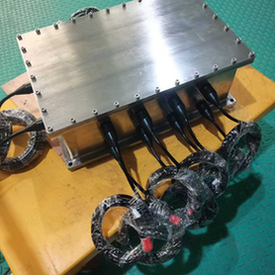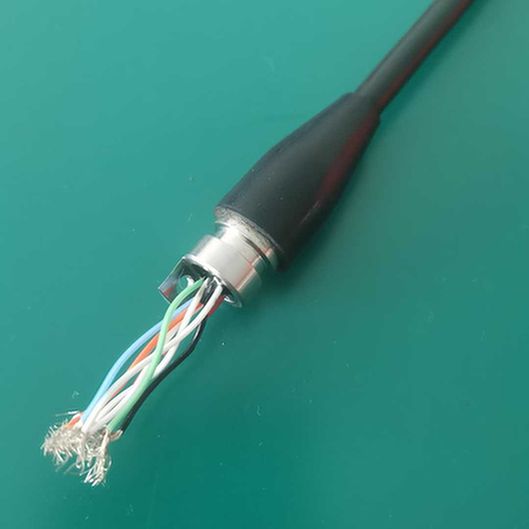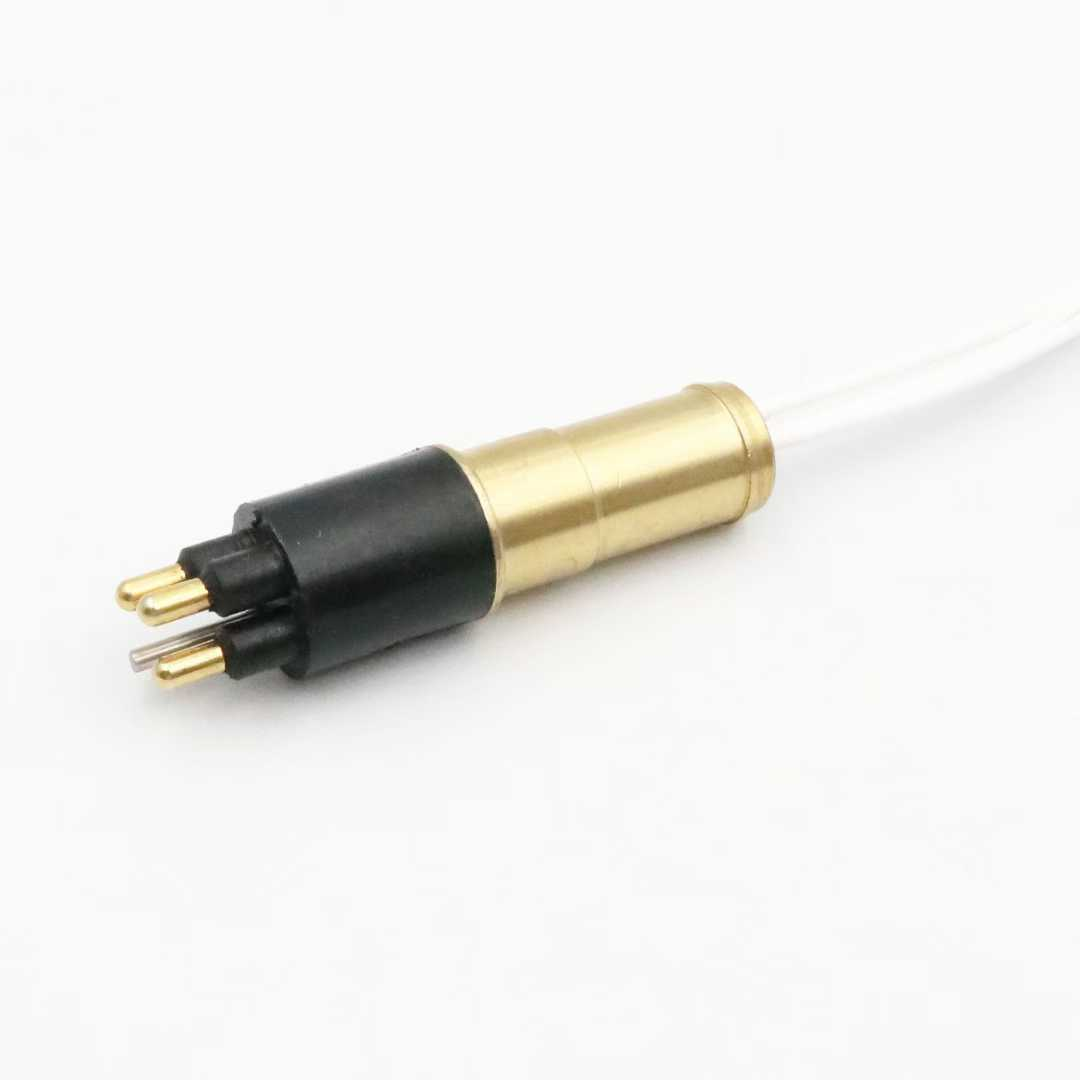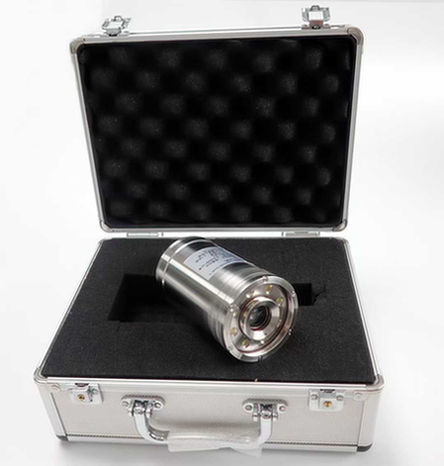

Custom Underwater Cable Assemblies: Complete Guide for Subsea Applications
Résumé
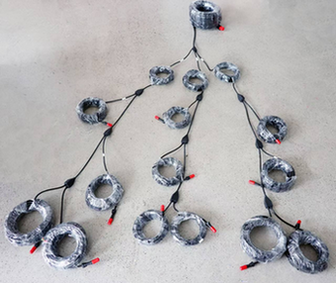
Custom underwater cable assemblies are the critical link between subsea equipment and surface operations, combining electrical conductors, fiber optics, and protective layers into integrated solutions. This comprehensive guide covers design considerations, manufacturing processes, application-specific requirements, and best practices for specifying and deploying custom cable assemblies in demanding subsea environments.
Key Highlights:
– Custom assemblies reduce system integration complexity by 40%
– Proper specification prevents 85% of field failures
– Lead times: 4-12 weeks depending on complexity
– Cost range: $50-500/meter based on specifications
– Critical factors: depth, flexibility, termination, testing
Chapter 1: Understanding Underwater Cable Assemblies
1.1 What Are Custom Underwater Cable Assemblies?
Definition:
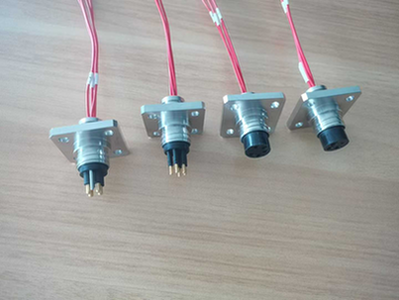
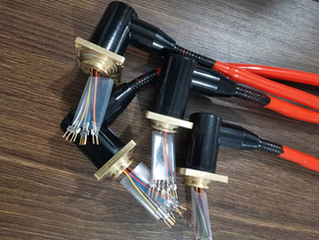
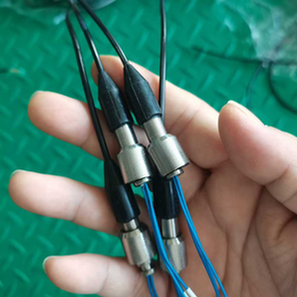
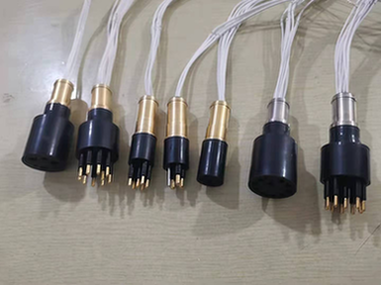
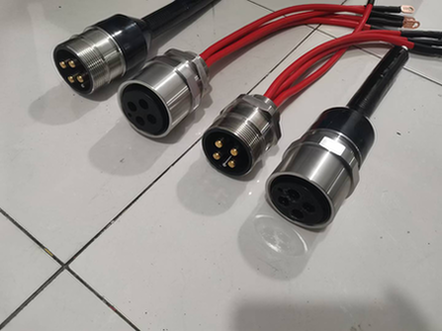
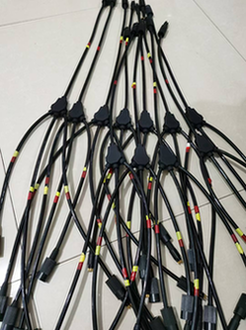
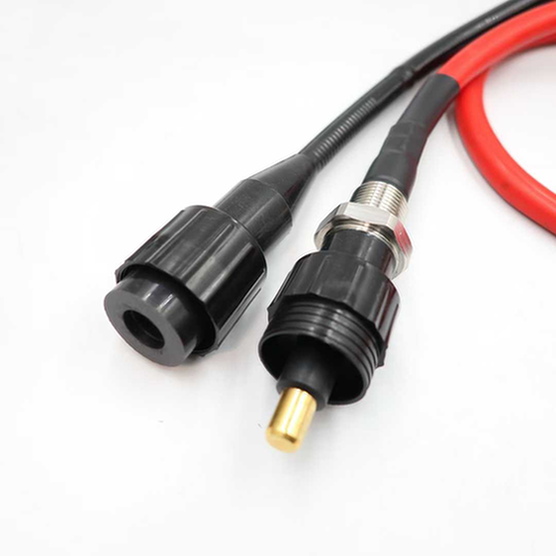
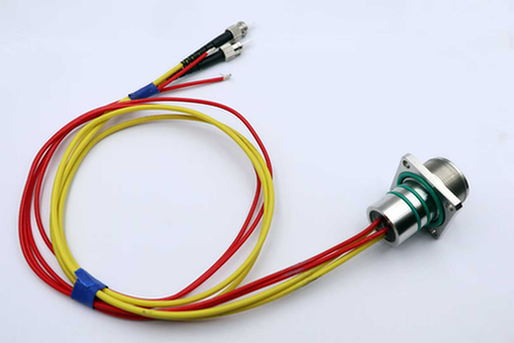
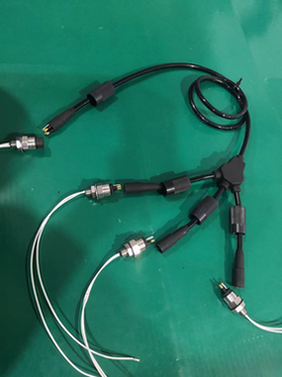
A custom underwater cable assembly is an integrated solution combining:
- Cable: Multi-conductor and/or fiber optic cable designed for subsea use
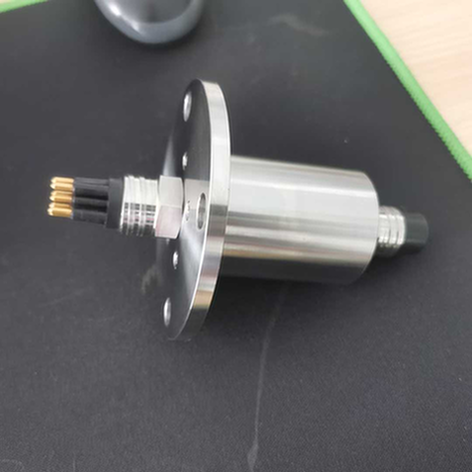
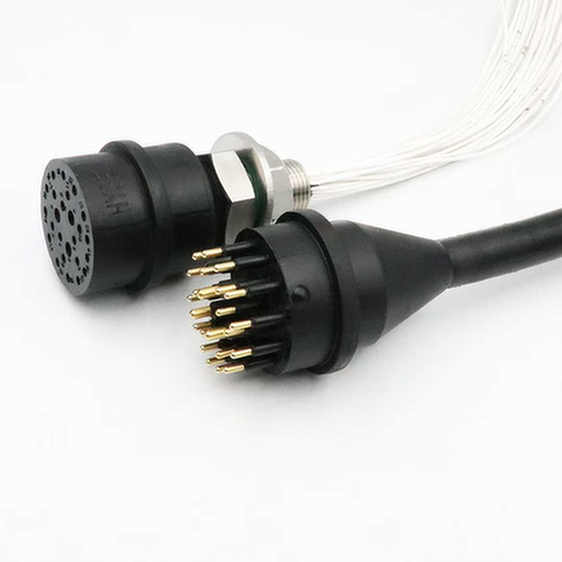
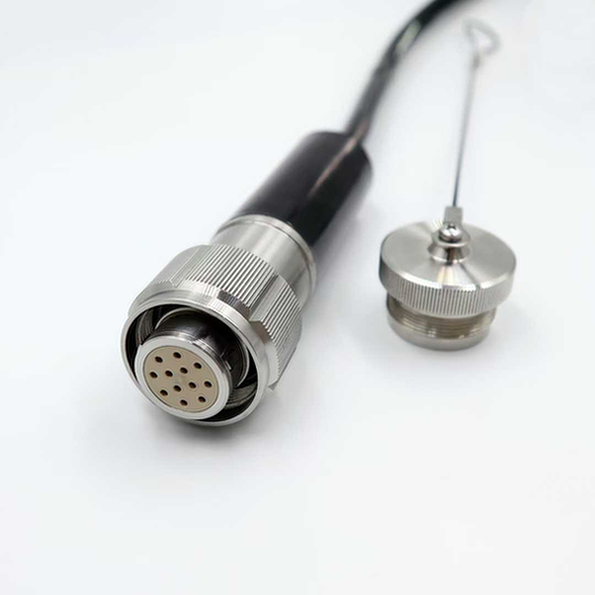
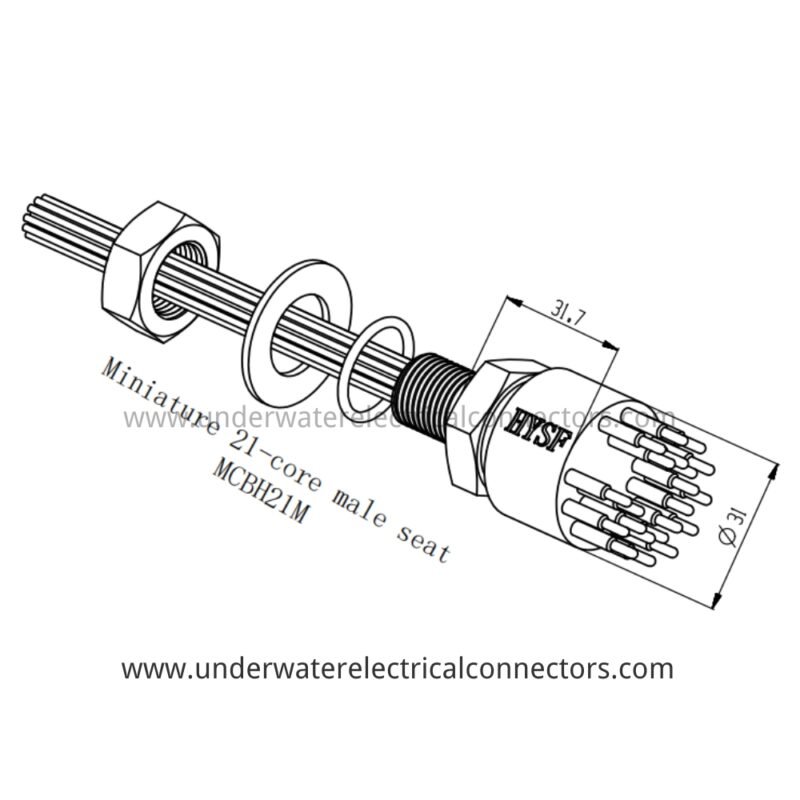
- Connectors: Terminated with appropriate underwater connectors
- Protection: Additional layers for specific environmental requirements
- Testing: Fully tested as a complete assembly before delivery
vs. Standard Components:
| Approach | Avantages | Disadvantages |
|---|---|---|
| Custom Assembly | Single source, tested system, optimized design | Higher initial cost, longer lead time |
| Separate Components | Lower cost, faster availability, flexibility | Integration risk, multiple suppliers, field testing required |
1.2 When to Choose Custom Assemblies
Ideal Applications:
- Critical Systems where failure is not acceptable
- Subsea production control
- Safety systems
- High-value equipment connections
- Complex Requirements beyond standard offerings
- Mixed conductor types
- Unusual lengths
- Special environmental ratings
- Space-Constrained Installations
- ROV tooling
- AUV internal wiring
- Compact subsea modules
- High-Volume Deployments
- Offshore wind farms (50+ turbines)
- Observatory networks
- Fleet standardization
Decision Matrix:
| Facteur | Choose Custom | Choose Standard |
|---|---|---|
| Quantity | >10 assemblies | <10 assemblies |
| Criticality | Haut | Low-Medium |
| Environment | Extreme | Modéré |
| Lead Time | 8+ weeks acceptable | <4 weeks required |
| Budget | Optimized for reliability | Optimized for cost |
1.3 Market Overview
Market Size and Growth:
| Year | Market Value (USD) | Growth Rate |
|---|---|---|
| 2026 | $680M | - |
| 2027 | $745M | 9.6% |
| 2028 | $820M | 10.1% |
| 2029 | $905M | 10.4% |
| 2030 | $1,000M | 10.5% |
Source: Subsea Cable Industry Report 2026
Application Breakdown:
| Application | Market Share | Growth Driver |
|---|---|---|
| Oil & Gas | 38% | Deepwater expansion |
| Offshore Wind | 24% | Renewable energy boom |
| Defense | 16% | Naval modernization |
| Telecommunications | 12% | Subsea networks |
| Scientific | 7% | Ocean observation |
| Other | 3% | Emerging applications |
Chapter 2: Cable Construction Fundamentals
2.1 Conductor Types and Configurations
Electrical Conductors
Material Options:
| Matériau | Conductivity | Résistance à la corrosion | Coût | Applications |
|---|---|---|---|---|
| Copper (annealed) | 100% IACS | Fair (requires plating) | Faible | General purpose |
| Copper (tinned) | 97% IACS | Bon | Moyen | Marine environments |
| Copper (silver-plated) | 102% IACS | Excellent | Haut | High-frequency, critical |
| Aluminum | 61% IACS | Good (with coating) | Faible | Power transmission |
| Copper-Clad Aluminum | 63% IACS | Bon | Low-Medium | Cost-sensitive power |
Stranding Configurations:
| Stranding | Flexibility | Fatigue Resistance | Applications |
|---|---|---|---|
| Solid | Poor | Poor | Fixed installations |
| 7-strand | Juste | Juste | Semi-flexible |
| 19-strand | Bon | Bon | ROV cables |
| 37-strand | Très bon | Très bon | Dynamic applications |
| 133-strand+ | Excellent | Excellent | High-flex applications |
Conductor Sizing:
| AWG | Diameter (mm) | Current Rating (A)* | Resistance (Ω/km) |
|---|---|---|---|
| 20 | 0.81 | 5 | 33.3 |
| 18 | 1.02 | 10 | 21.0 |
| 16 | 1.29 | 15 | 13.2 |
| 14 | 1.63 | 20 | 8.3 |
| 12 | 2.05 | 25 | 5.2 |
| 10 | 2.59 | 35 | 3.3 |
| 8 | 3.26 | 50 | 2.1 |
| 6 | 4.11 | 65 | 1.3 |
*In free air at 30°C. Derate for bundling and temperature.
Optical Fibers
Fiber Types:
| Type | Core/Cladding | Wavelength | Attenuation | Applications |
|---|---|---|---|---|
| Single-mode (OS2) | 9/125μm | 1310/1550nm | 0.35/0.22 dB/km | Long-distance, high bandwidth |
| Multi-mode (OM3) | 50/125μm | 850/1300nm | 3.0/1.0 dB/km | Short-distance, cost-sensitive |
| Multi-mode (OM4) | 50/125μm | 850/1300nm | 2.5/0.8 dB/km | Higher bandwidth OM3 |
| Expanded Beam | 9/125μm | 1310/1550nm | 0.4/0.25 dB/km | Harsh environments |
Fiber Count Configurations:
| Count | Typical Use | Cable Diameter |
|---|---|---|
| 2-4 fibers | Simple sensors, cameras | 3-5mm |
| 6-12 fibers | ROV control, monitoring | 5-8mm |
| 16-24 fibers | Subsea production | 8-12mm |
| 48+ fibers | Observatory networks | 12-20mm |
2.2 Insulation Materials
Material Properties:
| Matériau | Temperature Range | Dielectric Strength | Water Absorption | Coût |
|---|---|---|---|---|
| PVC | -20°C to +80°C | 40 kV/mm | 0.5% | Faible |
| Polyethylene (PE) | -40°C to +75°C | 50 kV/mm | 0.01% | Low-Medium |
| Cross-linked PE (XLPE) | -40°C to +90°C | 50 kV/mm | 0.01% | Moyen |
| Polypropylene (PP) | -40°C to +100°C | 45 kV/mm | 0.01% | Moyen |
| Polyurethane (PUR) | -40°C to +90°C | 35 kV/mm | 0.5% | Medium-High |
| Teflon (FEP) | -65°C to +200°C | 45 kV/mm | 0.01% | Haut |
| Teflon (PFA) | -200°C to +260°C | 50 kV/mm | 0.01% | Très élevé |
Selection Guide:
| Application | Recommended Insulation | Rationale |
|---|---|---|
| Marine générale | XLPE | Good balance of properties |
| High flex | PUR | Excellent flexibility |
| High temperature | FEP/PFA | Temperature resistance |
| Deep water | PE/XLPE | Low water absorption |
| Oil exposure | FEP | Chemical resistance |
2.3 Shielding and Armor
Electromagnetic Shielding
Shield Types:
| Type | Coverage | Flexibility | Effectiveness | Applications |
|---|---|---|---|---|
| Foil (Aluminum) | 100% | Poor | Good (high freq) | Signal cables |
| Braid (Copper) | 85-95% | Bon | Excellent | Power + signal |
| Spiral (Copper) | 90-98% | Excellent | Good (low freq) | Flex applications |
| Combination | 100% | Juste | Excellent | Critical applications |
Shield Effectiveness:
| Frequency | Foil | Braid | Combination |
|---|---|---|---|
| 100 kHz | 20 dB | 40 dB | 60 dB |
| 1 MHz | 40 dB | 60 dB | 80 dB |
| 10 MHz | 50 dB | 70 dB | 90 dB |
| 100 MHz | 50 dB | 75 dB | 95 dB |
Mechanical Armor
Armor Types:
| Type | Matériau | Tensile Strength | Bend Radius | Applications |
|---|---|---|---|---|
| Wire Braid | Stainless Steel | Moyen | Small | ROV cables |
| Wire Armor | Galvanized Steel | Haut | Moyen | Static installations |
| Aramid Yarn | Kevlar® | Très élevé | Small | Dynamic, lightweight |
| Fiberglass | E-Glass | Moyen | Small | Non-magnetic applications |
| Steel Tube | Stainless Steel | Très élevé | Large | Umbilicals |
Armor Selection by Application:
| Application | Recommended Armor | Tensile Requirement |
|---|---|---|
| ROV tether | Wire braid + Aramid | 2000-5000 N |
| AUV cable | Aramid yarn | 1000-3000 N |
| Static installation | Wire armor | 5000-15000 N |
| Dynamic umbilical | Steel tube + armor | 20000-50000 N |
| Lightweight sensor | Aramid only | 500-1500 N |
2.4 Jacket Materials
Outer Jacket Options:
| Matériau | Abrasion Resistance | UV Resistance | Oil Resistance | Temperature Range | Coût |
|---|---|---|---|---|---|
| PVC | Bon | Juste | Juste | -20°C to +80°C | Faible |
| Polyurethane (PUR) | Excellent | Bon | Bon | -40°C to +90°C | Moyen |
| Chloroprene (Neoprene) | Très bon | Bon | Très bon | -40°C to +90°C | Moyen |
| Hypalon® | Excellent | Excellent | Très bon | -40°C to +125°C | Haut |
| Tefzel® | Très bon | Excellent | Excellent | -65°C to +150°C | Très élevé |
Jacket Thickness Guidelines:
| Cable Diameter | Minimum Jacket | Applications |
|---|---|---|
| <5mm | 0.8mm | Light duty, protected |
| 5-10mm | 1.2mm | General purpose |
| 10-20mm | 1.8mm | Heavy duty |
| >20mm | 2.5mm | Severe service |
Chapter 3: Design Considerations
3.1 Environmental Requirements
Depth and Pressure
Pressure Effects on Cable:
| Depth | Pressure | Design Considerations |
|---|---|---|
| 0-100m | 10 bar | Standard marine grade |
| 100-500m | 50 bar | Pressure-resistant insulation |
| 500-2000m | 200 bar | Compression members required |
| 2000-4000m | 400 bar | Specialized deepwater design |
| 4000-6000m | 600 bar | Full ocean depth engineering |
Pressure Resistance Strategies:
- Solid Construction: Minimize voids that can collapse
- Pressure Compensation: Oil-filled designs for extreme depth
- Compression Members: Steel or aramid to resist crushing
- Material Selection: Low water absorption materials
Temperature Extremes
Temperature Effects:
| Température | Effect on Cable | Mitigation |
|---|---|---|
| <-40°C | Jacket embrittlement | Low-temp compounds |
| -40°C to 0°C | Reduced flexibility | Standard marine grade |
| 0°C to 60°C | Normal operation | Standard design |
| 60°C to 90°C | Accelerated aging | High-temp materials |
| >90°C | Insulation degradation | Special high-temp design |
Thermal Cycling:
Repeated temperature cycling causes:
– Material expansion/contraction
– Potential seal degradation
– Conductor stress
– Insulation micro-cracking
Design for Thermal Cycling:
– Use materials with matched CTE (coefficient of thermal expansion)
– Provide strain relief at terminations
– Avoid tight bend radii in high-cycle applications
Chemical Exposure
Chemical Resistance Matrix:
| Jacket Material | Seawater | Crude Oil | Hydraulic Fluid | H₂S | Methanol |
|---|---|---|---|---|---|
| PVC | Bon | Juste | Poor | Poor | Juste |
| PUR | Très bon | Bon | Bon | Juste | Bon |
| Neoprene | Très bon | Très bon | Très bon | Bon | Bon |
| Hypalon® | Excellent | Excellent | Excellent | Excellent | Très bon |
| Tefzel® | Excellent | Excellent | Excellent | Excellent | Excellent |
Contamination Prevention:
– Barrier layers between jacket and insulation
– Sealed terminations
– Proper material selection for expected exposure
3.2 Mechanical Requirements
Flexibility and Bend Radius
Minimum Bend Radius:
| Cable Type | Minimum Bend Radius | Rationale |
|---|---|---|
| Static installation | 6x cable diameter | Fiabilité à long terme |
| Occasional flexing | 8x cable diameter | Prevent fatigue |
| Dynamic application | 10x cable diameter | High cycle life |
| Continuous flexing | 12x cable diameter | Maximum flexibility |
Flexibility Optimization:
- Conductor Stranding: More strands = more flexible
- Lay Length: Shorter lay = more flexible
- Jacket Material: PUR > PVC for flexibility
- Armor Selection: Braid > wire armor for flexibility
Tensile Strength
Tensile Requirements by Application:
| Application | Minimum Tensile | Safety Factor |
|---|---|---|
| Fixed installation | 500 N | 3:1 |
| ROV tether | 2000 N | 5:1 |
| AUV tether | 1500 N | 5:1 |
| Umbilical | 10000 N | 4:1 |
| Deepwater deployment | 30000 N | 3:1 |
Tensile Members:
| Member Type | Tensile Strength | Poids | Flexibility |
|---|---|---|---|
| Steel wire | Très élevé | Haut | Faible |
| Aramid yarn | Très élevé | Faible | Haut |
| Fiberglass | Moyen | Faible | Moyen |
| Steel tube | Highest | Highest | Lowest |
Abrasion Resistance
Abrasion Test Results (Taber Abraser):
| Jacket Material | Cycles to Failure | Relative Rating |
|---|---|---|
| PVC | 500 | Juste |
| PUR | 2000 | Excellent |
| Neoprene | 1500 | Très bon |
| Hypalon® | 1800 | Excellent |
Abrasion Protection:
– Thick jacket in high-wear areas
– Abrasion sleeves at contact points
– Proper cable routing and support
– Regular inspection schedules
3.3 Electrical Requirements
Voltage and Current Ratings
Voltage Rating Selection:
| System Voltage | Minimum Cable Rating | Dielectric Thickness |
|---|---|---|
| 24V DC | 300V | 0.4mm |
| 48V DC | 300V | 0.4mm |
| 120V AC | 600V | 0.8mm |
| 240V AC | 600V | 0.8mm |
| 480V AC | 1000V | 1.2mm |
| 3.3kV AC | 5kV | 2.5mm |
| 6.6kV AC | 10kV | 4.0mm |
Current Carrying Capacity:
Derating factors for underwater cables:
| Condition | Derating Factor |
|---|---|
| In air (baseline) | 1.0 |
| Submerged (still water) | 0.9 |
| Buried in seabed | 0.7 |
| Bundled (2-3 cables) | 0.8 |
| Bundled (4-6 cables) | 0.7 |
| High ambient temp (+40°C) | 0.8 |
Signal Integrity
For Data Cables:
| Paramètres | Exigence | Testing Method |
|---|---|---|
| Impedance | 100Ω ±15Ω | TDR measurement |
| Capacitance | <60 pF/m | Capacitance bridge |
| Attenuation | Per TIA/EIA spec | Network analyzer |
| Crosstalk | >30 dB @ 100MHz | Crosstalk tester |
| Return Loss | >20 dB | VNA measurement |
For Fiber Optic:
| Paramètres | Single-Mode | Multi-Mode |
|---|---|---|
| Attenuation | <0.4 dB/km | <3.0 dB/km |
| Bandwidth | 10+ Gbps | 1-10 Gbps |
| Dispersion | <3.5 ps/nm·km | N/A |
Chapter 4: Connector Termination
4.1 Termination Methods
Electrical Termination
Crimp Termination:
Advantages:
– Fast and repeatable
– No heat required
– Good for field termination
– Consistent quality with proper tools
Process:
1. Strip conductor to specified length
2. Insert into contact barrel
3. Crimp with calibrated tool
4. Inspect crimp (visual and pull test)
5. Apply sealant if required
Quality Checks:
– Crimp height within specification
– No conductor strands cut
– Proper bellmouth formation
– Pull test: minimum 50N for signal, 100N for power
Solder Termination:
Advantages:
– Excellent electrical connection
– Good for fine wires
– Repairable
Disadvantages:
– Heat can damage insulation
– Skill-dependent quality
– Not suitable for field work
– Time-consuming
Process:
1. Strip and tin conductor
2. Heat contact and apply solder
3. Insert conductor
4. Allow to cool naturally
5. Clean flux residue
6. Inspect joint
Optical Termination
Factory Termination (Recommended):
Advantages:
– Controlled environment
– Specialized equipment
– Consistent quality
– Full testing capability
Process:
1. Strip fiber buffer
2. Cleave fiber to precise length
3. Insert into ferrule
4. Epoxy and cure
5. Polish end-face
6. Test insertion loss
7. Inspect end-face geometry
Field Termination:
When Necessary:
– Length adjustments on-site
– Emergency repairs
– Remote locations
Options:
– Pre-polished connectors with mechanical splice
– Fusion splicing with protective housing
– Quick-termination systems
Quality Requirements:
– Insertion loss <0.5 dB per connection
– Return loss >40 dB
– End-face inspection per IEC 61300-3-35
4.2 Strain Relief
Strain Relief Methods:
| Method | Application | Effectiveness |
|---|---|---|
| Cable gland | Standard | Bon |
| Epoxy potting | Permanent | Excellent |
| Mechanical clamp | Field serviceable | Très bon |
| Heat shrink | Light duty | Juste |
| Overmold | High volume | Excellent |
Strain Relief Design:
Proper Strain Relief Configuration:

┌─────────────────────────────────────────┐
│           Connector Body                │
├─────────────────────────────────────────┤
│  ┌─────────────────────────────────┐    │
│  │    Strain Relief Boot           │    │  ← Flexible transition
│  └────────────┬────────────────────┘    │
│               │                         │
│  ┌────────────┴────────────────────┐    │
│  │    Cable Jacket                  │    │  ← Gripped section
│  │    ═════════════════════════     │    │
│  └─────────────────────────────────┘    │
└─────────────────────────────────────────┘

Key Points:
- Gradual transition from rigid to flexible
- Grip on jacket, not conductors
- Bend radius maintained
- Environmental seal intact
4.3 Overmolding and Protection
Overmolding Benefits:
- Environmental sealing
- Strain relief integration
- Abrasion protection
- Professional appearance
- Tamper resistance
Overmolding Materials:
| Matériau | Flexibility | Chemical Resistance | Température | Coût |
|---|---|---|---|---|
| PVC | Bon | Juste | -20°C to +80°C | Faible |
| PUR | Excellent | Bon | -40°C to +90°C | Moyen |
| Silicone | Excellent | Juste | -60°C to +200°C | Medium-High |
| TPE | Très bon | Bon | -40°C to +120°C | Moyen |
Overmolding Process:
- Prepare assembly (clean, prime if needed)
- Load into mold
- Inject material at controlled temperature/pressure
- Cure (time and temperature dependent)
- Demold and inspect
- Post-cure if required
Chapter 5: Testing and Quality Assurance
5.1 Electrical Testing
Continuity and Resistance
Test Requirements:
| Test | Method | Acceptance Criteria |
|---|---|---|
| Continuity | Multimeter | <1 Ω per conductor |
| Contact Resistance | Milliohm meter | <10 mΩ per contact |
| Insulation Resistance | Megger (500V DC) | >100 MΩ conductor-to-conductor |
| >100 MΩ conductor-to-shield |
Testing Procedure:
- Visual inspection before testing
- Continuity check on all conductors
- Insulation resistance between all pairs
- Insulation resistance to shield/armor
- Document all readings
- Compare to baseline (if available)
Hi-Pot Testing
Dielectric Strength Test:
| Cable Rating | Test Voltage | Duration | Acceptance |
|---|---|---|---|
| 300V | 1500V AC | 60 seconds | No breakdown |
| 600V | 2500V AC | 60 seconds | No breakdown |
| 1000V | 4000V AC | 60 seconds | No breakdown |
| 5kV | 15000V AC | 60 seconds | No breakdown |
Safety Precautions:
– Trained personnel only
– Proper grounding
– Safety interlocks
– Clear warning signs
– Discharge after test
5.2 Optical Testing
Insertion Loss Testing
Test Setup:
Light Source → Reference Cable → DUT → Power Meter
                                  ↓
                            Test Results
Acceptance Criteria:
| Fiber Type | Maximum Insertion Loss |
|---|---|
| Single-mode | 0.5 dB per connection |
| Multi-mode | 0.75 dB per connection |
| Expanded beam | 1.0 dB per connection |
Testing Procedure:
- Calibrate test equipment
- Establish reference (0 dB baseline)
- Connect DUT (Device Under Test)
- Record loss at appropriate wavelength
- Test both directions (bi-directional)
- Document results
OTDR Testing
Optical Time Domain Reflectometer:
Provides:
– Fiber length verification
– Loss location identification
– Event detection (connectors, splices, breaks)
– Overall fiber health assessment
OTDR Settings:
| Paramètres | Single-Mode | Multi-Mode |
|---|---|---|
| Wavelength | 1310nm, 1550nm | 850nm, 1300nm |
| Pulse Width | 10-100ns | 10-50ns |
| Gamme | 2x fiber length | 2x fiber length |
| Averaging | 30-60 seconds | 30 seconds |
5.3 Environmental Testing
Pressure Testing
Test Procedure:
- Place assembly in pressure vessel
- Fill with water (or test medium)
- Pressurize to 1.5x rated depth pressure
- Hold for 24 hours
- Monitor for pressure drop
- Depressurize slowly
- Perform electrical/optical tests
- Inspect for water ingress
Acceptance Criteria:
– No pressure drop >5%
– No water ingress
– Electrical parameters within spec
– Optical parameters within spec
Temperature Cycling
Test Profile:
Temperature Cycle:

    +85°C ─────────────┐
                       │
                       ▼
    -40°C ─────────────┘

    Ramp: 5°C/minute
    Dwell: 30 minutes at each extreme
    Cycles: 10-50 depending on qualification level
Post-Test Requirements:
– Visual inspection (no cracks, delamination)
– Electrical testing (within specification)
– Optical testing (within specification)
– No water ingress
Salt Spray Testing
Test Standard: ASTM B117 / ISO 9227
Test Conditions:
– Salt concentration: 5% NaCl
– Temperature: 35°C
– Duration: 240-1000 hours (based on requirement)
– pH: 6.5-7.2
Acceptance Criteria:
– No corrosion on critical surfaces
– No degradation of seals
– Electrical performance maintained
– No water ingress
5.4 Mechanical Testing
Tensile Testing
Test Procedure:
- Mount assembly in tensile tester
- Apply load at controlled rate (100mm/min)
- Record load at failure
- Document failure mode
Acceptance Criteria:
– Minimum tensile strength per specification
– Failure not at termination (if possible)
– Elongation within acceptable range
Bend Testing
Dynamic Bend Test:
| Paramètres | Value |
|---|---|
| Bend radius | 10x cable diameter |
| Bend angle | ±90° |
| Cycle rate | 30 cycles/minute |
| Total cycles | 10,000-100,000 |
Post-Test Inspection:
– No jacket cracking
– No conductor breakage
– Electrical continuity maintained
– No increase in insertion loss
Abrasion Testing
Taber Abraser Test:
| Paramètres | Value |
|---|---|
| Wheel type | CS-17 |
| Load | 1000g |
| Cycles | 1000-10000 |
Acceptance Criteria:
– No exposure of underlying layers
– No electrical failure
– Acceptable weight loss
Chapter 6: Application-Specific Solutions
6.1 ROV Tether Cables
Requirements:
| Paramètres | Specification |
|---|---|
| Depth rating | 1000-4000m |
| Tensile strength | 2000-5000N |
| Flexibility | High (continuous flexing) |
| Conductors | 4-12 power + signal |
| Fibers | 4-12 single-mode |
| Jacket | PUR (abrasion resistant) |
Typical Construction:
ROV Tether Cross-Section:

┌─────────────────────────────────────┐
│         PUR Jacket (2.0mm)          │
├─────────────────────────────────────┤
│  ╔═══════════════════════════════╗  │
│  ║   Steel Wire Braid (Armor)    ║  │
│  ╚═══════════════════════════════╝  │
├─────────────────────────────────────┤
│  ┌───┐ ┌───┐ ┌───┐ ┌───┐ ┌───┐    │
│  │PWR│ │PWR│ │SIG│ │SIG│ │OPT│    │  ← Conductors
│  └───┘ └───┘ └───┘ └───┘ └───┘    │
│        Aramid Strength Members      │
└─────────────────────────────────────┘
Key Design Features:
– Zero-twist construction (prevents rotation)
– Kevlar strength members (high strength, low weight)
– PUR jacket (abrasion and oil resistance)
– Color-coded conductors for identification
– Strain relief at both terminations
6.2 Offshore Wind Turbine Cables
Requirements:
| Paramètres | Specification |
|---|---|
| Design life | 25+ years |
| Depth | 0-100m |
| Environment | Splash zone, UV exposure |
| Conductors | 4-8 for sensors |
| Fibers | 4-8 for monitoring |
| Corrosion | Super duplex or titanium |
Typical Configuration:
- Stainless steel armor (corrosion resistant)
- UV-resistant jacket (Hypalon or equivalent)
- Water-blocking tape (prevent wicking)
- Individual pair shielding (signal integrity)
- Robust terminations (minimal maintenance)
6.3 Subsea Production Cables
Requirements:
| Paramètres | Specification |
|---|---|
| Depth | Up to 3000m |
| Température | Up to 125°C |
| Pressure | Up to 300 bar |
| Life | 20-30 years |
| Reliability | 99.9%+ uptime |
Critical Features:
– High-temperature insulation (XLPE or FEP)
– Pressure-resistant construction
– Redundant sealing systems
– Extensive qualification testing
– Traceability throughout manufacturing
6.4 Scientific Observatory Cables
Requirements:
| Paramètres | Specification |
|---|---|
| Depth | Full ocean depth (6000m) |
| Life | 10+ years unattended |
| Fibers | 24-48 for high bandwidth |
| Power | Multiple voltage levels |
| Reliability | Critical for data continuity |
Design Approach:
– Over-engineered for maximum reliability
– Pressure-compensated designs
– Redundant fiber paths
– Comprehensive testing regime
– Spare fibers for future expansion
Chapter 7: Procurement and Supplier Management
7.1 Specification Development
Required Information for RFQ:
Electrical:
– Number and size of conductors
– Voltage and current ratings
– Signal types (analog, digital, frequency)
– Shielding requirements
Optical:
– Fiber type (single-mode, multi-mode)
– Fiber count
– Connector type
– Performance requirements
Mechanical:
– Overall diameter constraints
– Minimum bend radius
– Tensile strength requirements
– Flexibility requirements
– Length (including tolerances)
Environmental:
– Depth/pressure rating
– Temperature range
– Chemical exposure
– UV exposure
– Expected service life
Termination:
– Connector type and model
– Orientation (straight, right-angle)
– Strain relief requirements
– Overmolding requirements
Testing:
– Required tests (electrical, optical, environmental)
– Acceptance criteria
– Documentation requirements
– Certification requirements
7.2 Supplier Evaluation
Capability Assessment:
| Criterion | Questions to Ask |
|---|---|
| Experience | How many years making subsea cables? |
| What similar applications have you supplied? | |
| Facilities | Do you have in-house testing? |
| What pressure testing capability? | |
| Quality | What certifications (ISO 9001, etc.)? |
| What is your defect rate? | |
| Engineering | Do you provide design support? |
| Can you handle custom requirements? | |
| Delivery | What are standard lead times? |
| What is on-time delivery rate? | |
| Support | What warranty is provided? |
| What after-sales support? |
Reference Checks:
Contact 2-3 customers with similar applications:
– Quality of delivered products
– On-time delivery performance
– Responsiveness to issues
– Technical support quality
– Would they supplier again?
7.3 Cost Considerations
Cost Drivers:
| Facteur | Impact on Cost |
|---|---|
| Conductor count | +10-20% per additional conductor |
| Fiber count | +15-25% per additional fiber |
| Depth rating | +30-50% for deepwater (>2000m) |
| Armor | +20-40% for steel armor |
| Jacket material | +10-30% for premium materials |
| Connector type | +50-200% for wet-mate vs. dry-mate |
| Testing | +10-20% for full qualification |
| Quantity | -20-40% for volume (100+ units) |
Typical Price Ranges:
| Cable Type | Price Range (per meter) |
|---|---|
| Simple sensor cable | $50-100/m |
| ROV tether | $150-300/m |
| Offshore wind | $100-200/m |
| Subsea production | $300-500/m |
| Observatory cable | $400-600/m |
Total Cost of Ownership:
Consider:
– Initial purchase price
– Installation cost
– Maintenance cost
– Expected lifespan
– Failure cost (downtime, recovery)
Chapter 8: Installation and Maintenance
8.1 Installation Best Practices
Cable Handling
Do:
– Use proper cable reels or baskets
– Maintain minimum bend radius at all times
– Use cable socks for pulling
– Lubricate for long pulls (compatible lubricant)
– Inspect before installation
Don’t:
– Drag cable across rough surfaces
– Exceed maximum pulling tension
– Kink or crush cable
– Walk on cable
– Expose to incompatible chemicals
Pulling Guidelines
Maximum Pulling Tension:
| Cable Type | Maximum Tension |
|---|---|
| Light sensor cable | 300N |
| ROV tether | 1000N |
| Power cable | 2000N |
| Armored cable | 5000N |
Pulling Formula:
T = W × L × f

Where:
T = Pulling tension (N)
W = Cable weight (N/m)
L = Pull length (m)
f = Friction coefficient (0.3-0.5 typical)

Example:
Cable weight: 2 kg/m = 19.6 N/m
Pull length: 100m
Friction: 0.4

T = 19.6 × 100 × 0.4 = 784N
Termination Installation
Best Practices:
- Clean work area (dust-free for fiber)
- Follow manufacturer instructions exactly
- Use calibrated tools
- Document torque values
- Test before deployment
- Protect terminations during installation
8.2 Maintenance Recommendations
Inspection Schedule
| Intervalle | Inspection Type |
|---|---|
| Before each deployment | Visual inspection |
| Monthly (in service) | Test visuel + électrique |
| Annually | Full electrical + optical test |
| Every 5 years | Comprehensive overhaul |
Inspection Checklist
Visual:
– [ ] Jacket condition (cuts, abrasion, cracking)
– [ ] Connector condition (corrosion, damage)
– [ ] Strain relief condition
– [ ] Marking legibility
– [ ] Bend radius compliance
Electrical:
– [ ] Continuity all conductors
– [ ] Insulation resistance
– [ ] Contact resistance
Optical:
– [ ] Insertion loss all fibers
– [ ] OTDR trace (if available)
– [ ] End-face inspection
Common Issues and Solutions
Problem: Increased Insertion Loss
| Possible Cause | Solution |
|---|---|
| Dirty connectors | Clean with fiber cleaner |
| Damaged end-face | Re-terminate or replace |
| Cable damage | Locate and repair/replace |
| Bend radius violation | Reroute cable |
Problem: Insulation Resistance Degradation
| Possible Cause | Solution |
|---|---|
| Water ingress | Dry and reseal or replace |
| Insulation damage | Replace cable assembly |
| Contamination | Clean and dry thoroughly |
Problem: Intermittent Connection
| Possible Cause | Solution |
|---|---|
| Loose termination | Re-terminate |
| Broken conductor | Replace cable |
| Connector damage | Replace connector |
Conclusion
Custom underwater cable assemblies are critical components in subsea systems, requiring careful specification, quality manufacturing, and proper installation. By understanding the technical requirements, working with qualified suppliers, and following best practices, organizations can achieve reliable, long-lasting cable solutions.
Key Takeaways:
- Specification is critical – Clearly define all requirements upfront
- Quality matters – Don’t compromise on materials or testing
- Supplier partnership – Choose suppliers with proven subsea experience
- Installation quality – Proper handling prevents most field failures
- Maintenance pays off – Regular inspection extends service life
References
- IEEE Std 45: Recommended Practice for Electric Installations on Shipboard
- IEC 60092: Electrical installations in ships
- API 17F: Subsea Production Control Systems
- NORSOK U-001: Subsea production systems
- Manufacturer technical datasheets
- Industry best practice guidelines
About This Guide:
Prepared by HYSF Subsea engineering team. For custom cable assembly solutions or technical consultation, contact info@hysfsubsea.com.
Related Resources:
- Custom Engineering Services
- Spécifications techniques
- Études de cas
- Nous contacter





 English
 Spanish
 Russian
 French
 German
 Korean
 Japanese
 Arabic
 Thai
Thai Danish
 Norwegian