Réponse rapide
Prevent corrosion on underwater connectors by:
- Selecting appropriate materials: Titanium, 316L stainless steel, or bronze for saltwater
- Using proper coatings: Anodizing, passivation, or epoxy coatings
- Installing sacrificial anodes: Zinc or aluminum anodes for cathodic protection
- Rinsing after use: Fresh water rinse after saltwater exposure
- Regular inspection: Check for signs of corrosion every 3-6 months
- Proper storage: Dry, climate-controlled environment when not in use
Material Selection for Corrosion Resistance
Best Materials for Saltwater
| Matériau | Résistance à la corrosion | Coût | Meilleur pour |
|---|---|---|---|
| Titanium (Grade 5) | Excellent | Haut | Critical deep-sea applications |
| Acier inoxydable 316L | Très bon | Modéré | General marine applications |
| Bronze (Naval) | Bon | Modéré | Traditional marine hardware |
| Brass (Nickel-plated) | Juste | Faible | Freshwater or short-term saltwater |
| Engineering Plastics | Excellent | Low-Moderate | Non-conductive housings |
Protective Coatings and Treatments
Anodizing (Aluminum Components)
- Type II anodizing: Standard protection, 0.0005-0.001″ thickness
- Type III hardcoat: Enhanced wear resistance, 0.002″ thickness
- Color options: Clear, black, or custom colors for identification
Passivation (Stainless Steel)
- Removes free iron from surface
- Enhances natural chromium oxide layer
- Per ASTM A967 or AMS-QQ-P-35 standards
Epoxy Coatings
- Additional barrier protection
- Available in various thicknesses
- Color coding for easy identification
Cathodic Protection
Sacrificial Anodes
Install zinc or aluminum anodes near connectors to provide galvanic protection:
- Zinc anodes: Best for saltwater, traditional choice
- Aluminum anodes: Longer life, environmentally friendly
- Magnesium anodes: For freshwater applications only
Anode Installation Guidelines
- Mount anode within 6 inches of connector
- Ensure good electrical contact with protected metal
- Replace when 50% consumed
- Inspect every 6 months
Maintenance Best Practices
After Each Saltwater Use
- Rinse thoroughly with fresh water (minimum 2 minutes)
- Use soft brush to remove debris from threads and seals
- Dry with lint-free cloth
- Apply dielectric grease to electrical contacts
- Store in dry environment
Periodic Maintenance (Every 3-6 Months)
- Visual inspection for corrosion, pitting, or discoloration
- Check O-rings and seals for degradation
- Clean contacts with appropriate solvent
- Re-apply lubricant to threads and seals
- Test electrical continuity
Corrosion Prevention by Application
Permanent Installations
- Use titanium or 316L stainless steel
- Apply epoxy coating to exposed surfaces
- Install sacrificial anodes
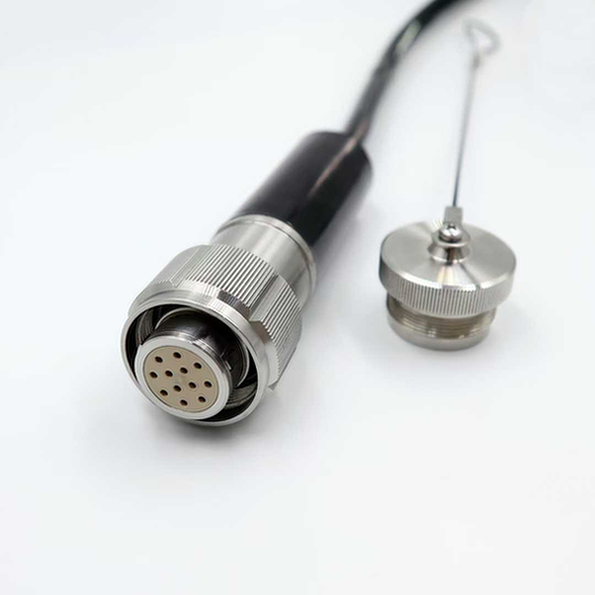
- Seal unused ports with protective caps
ROV and Mobile Equipment
- Fresh water rinse after every dive
- Regular inspection of mating surfaces
- Replace O-rings annually or as needed
- Store in climate-controlled environment
Aquaculture Applications
- Select materials resistant to biofouling
- Consider copper-nickel alloys for anti-fouling
- Regular cleaning to remove marine growth
- Inspect anodes quarterly
Common Corrosion Types and Solutions
| Type | Cause | Prevention |
|---|---|---|
| Galvanic | Dissimilar metals in contact | Use compatible metals, insulate joints |
| Pitting | Chloride attack on stainless steel | Use higher grade alloys, maintain passive layer |
| Crevice | Trapped water in gaps | Eliminate crevices, use sealants |
| Stress Corrosion | Tensile stress + corrosive environment | Reduce stress, use resistant materials |
Nous contacter
Material selection consultation: tech@hysfsubsea.com
Product inquiries: info@hysfsubsea.com







 English
 Spanish
 Russian
 French
 German
 Korean
 Japanese
 Arabic
 Thai
Thai Danish
 Norwegian