Polyurethane (PUR) vs. Neoprene Cable: Which should I choose?

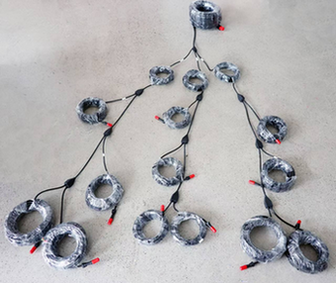
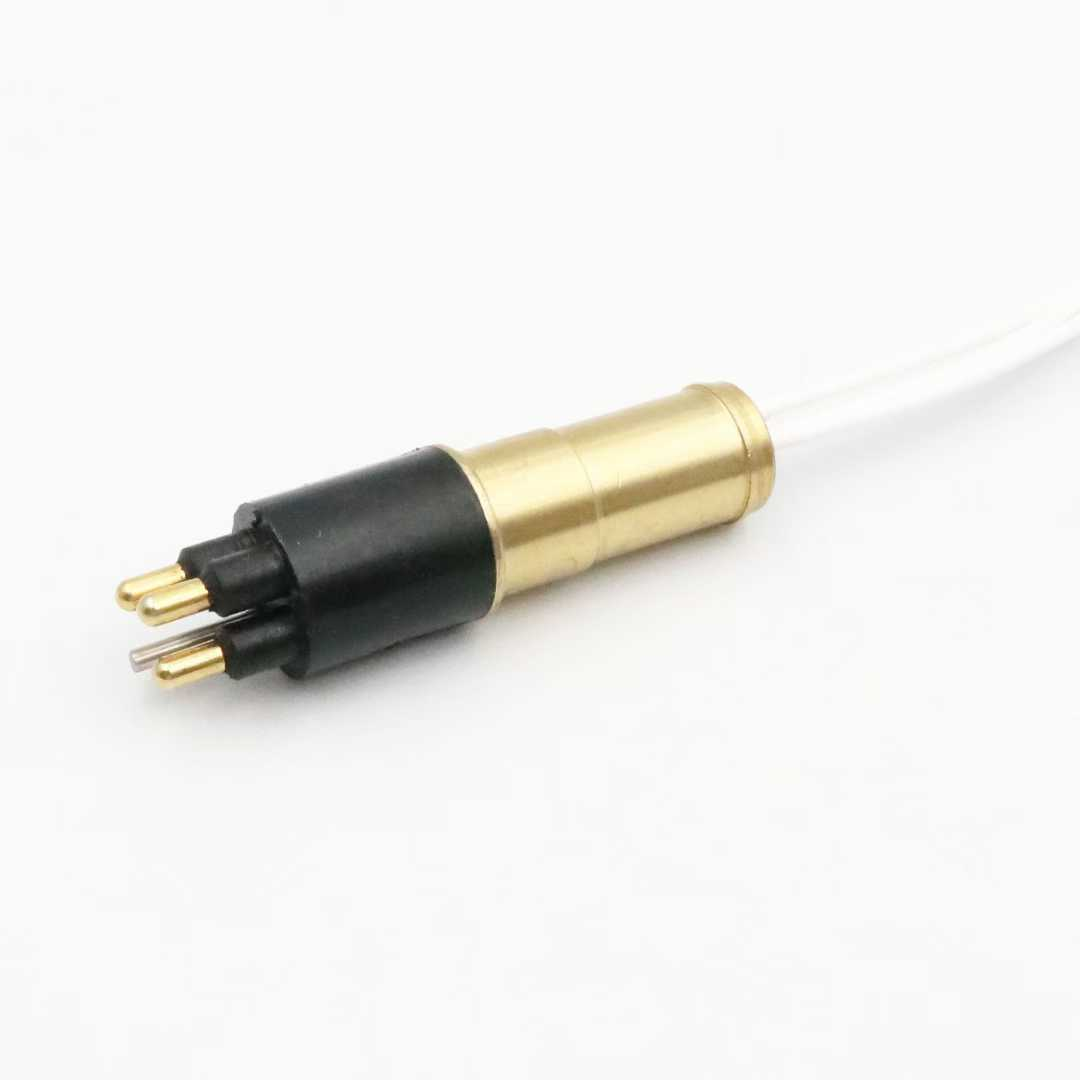
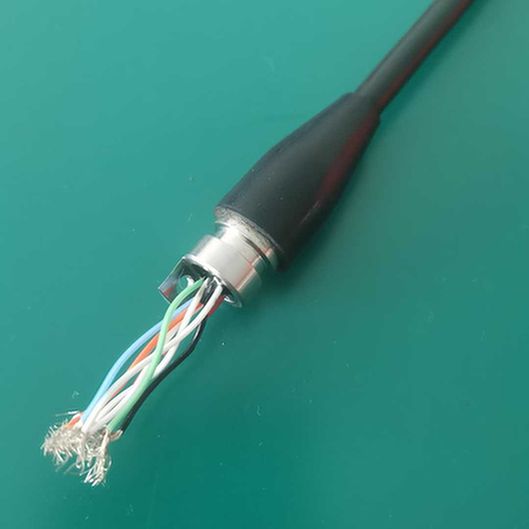
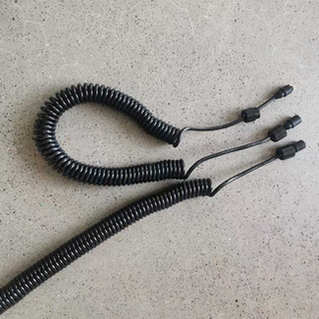
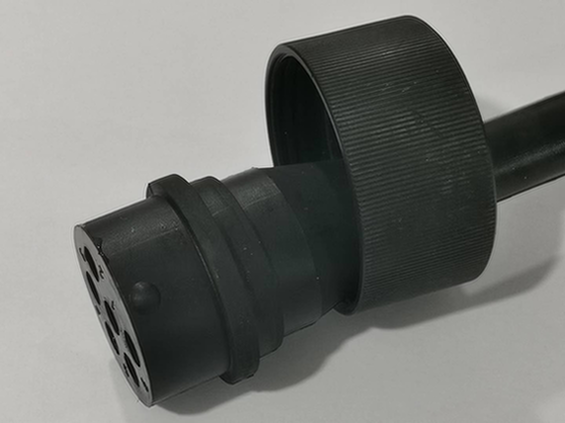
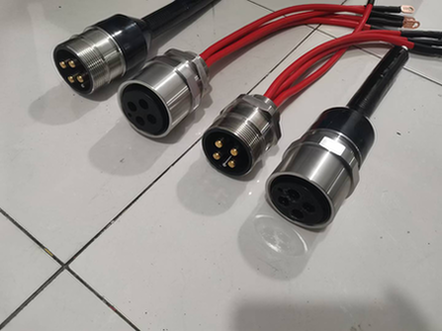
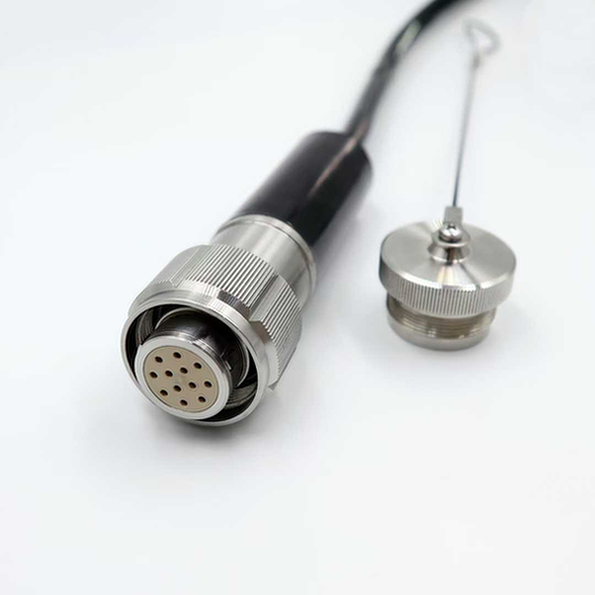
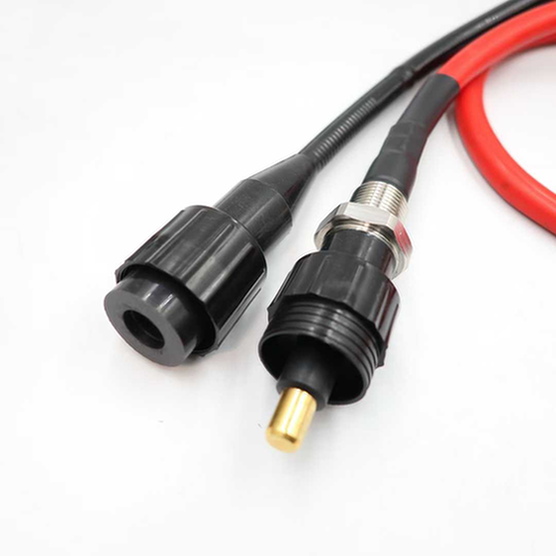
HYSF offers both. Neoprene is the standard for “Wet-Mate” flexibility and bonds perfectly with the connector head. Polyurethane (PUR) is recommended for applications requiring higher abrasion resistance (e.g., dragged along the seabed) or cut resistance.

Material selection depends on your operational environment.

  • Neoprene (Chloroprene):
    • Pros: Excellent flexibility, good memory (returns to shape), and perfect chemical bond with the rubber connector body (Unibody).
    • Best for: Standard ROV tethers, diver equipment.
  • Polyurethane (PUR):
    • Pros: Extremely tough, resistant to cuts/nicks, better oil/chemical resistance.
    • Best for: Shallow water abrasive environments, ploughs, and trenchers.
  • Note: Our High-Temperature Vulcanization works best with Neoprene cables for the ultimate watertight bond.
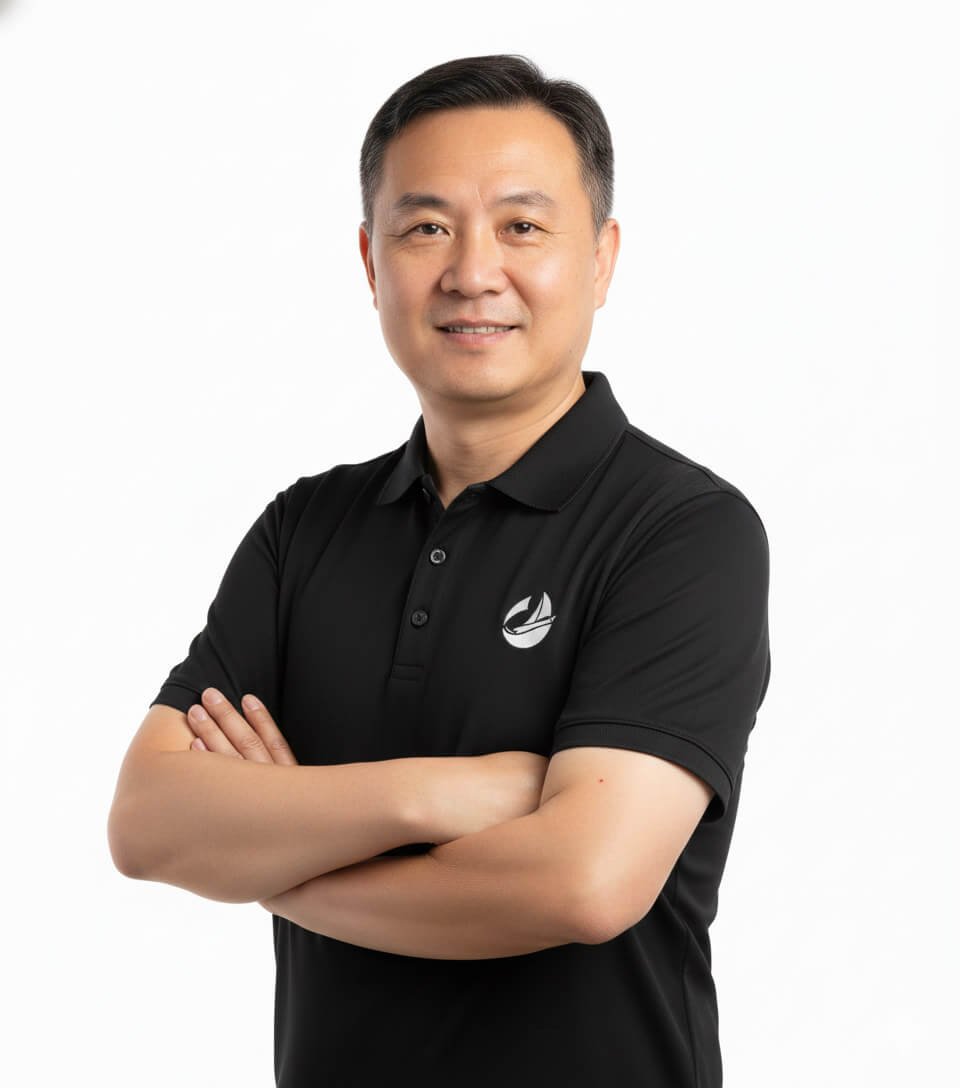
Image de John Zhang

John Zhang

(CEO & Lead Engineer)
Courriel : info@hysfsubsea.com
With over 15 years of expertise in subsea interconnect technology, I lead HYSF's R&D team in designing high-pressure (60MPa) solutions. My focus is on ensuring zero-leakage reliability for ROVs, AUVs, and offshore instrumentation. I personally oversee the validation of our custom connector prototypes.

Have a complex technical question?

Des solutions éprouvées sur le terrain

Une vitrine de nos collaborations fructueuses avec des partenaires mondiaux dans les domaines de la robotique marine, de l'énergie et de la recherche. Chaque projet reflète notre engagement en faveur d'une intégrité sans fuite et d'une fiabilité opérationnelle.

Lancez votre projet sous-marin avec HYSF

Que vous ayez besoin d'un devis rapide pour des connecteurs standard ou d'un assemblage complexe de câbles sur mesure, notre équipe d'ingénieurs est prête à vous aider. Une réponse technique est attendue dans les 12 heures.

John Zhang

PDG

Jason Liu
Kevin Wang
Cindy Chen
Lily Li
Démonstration du formulaire de contact