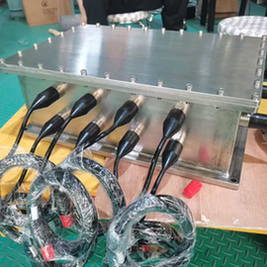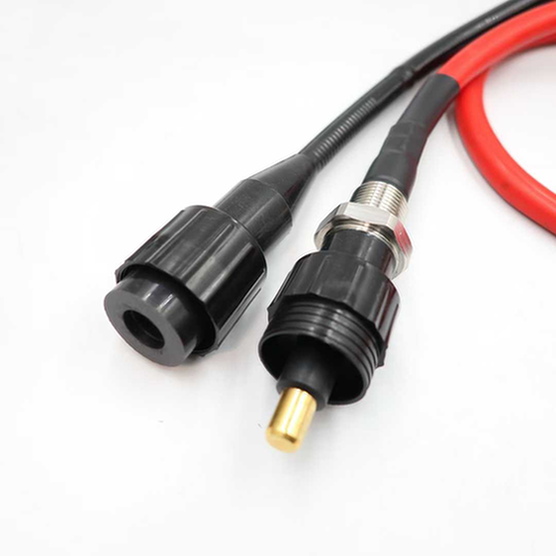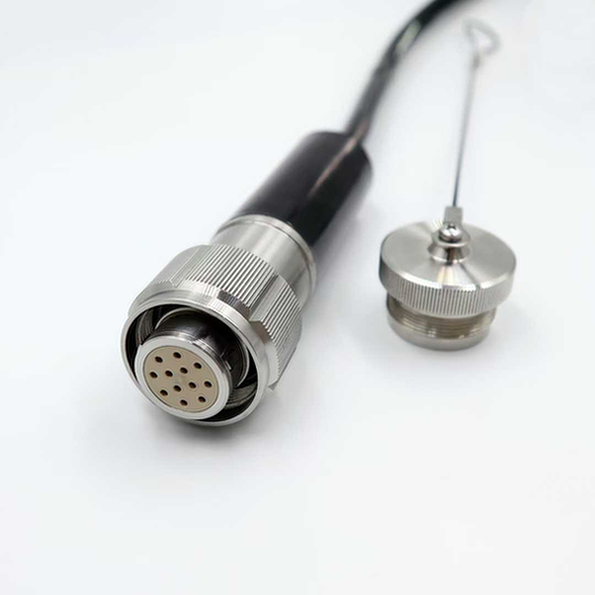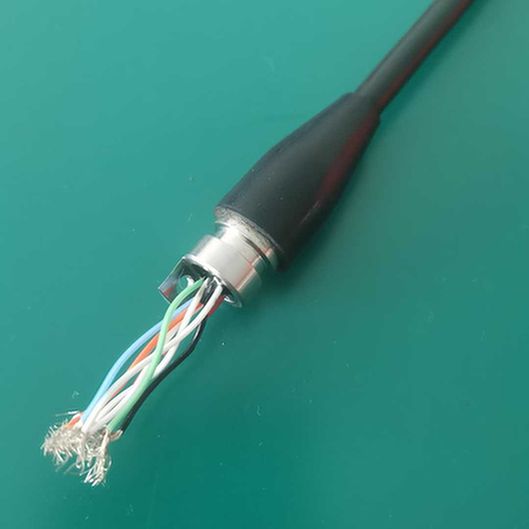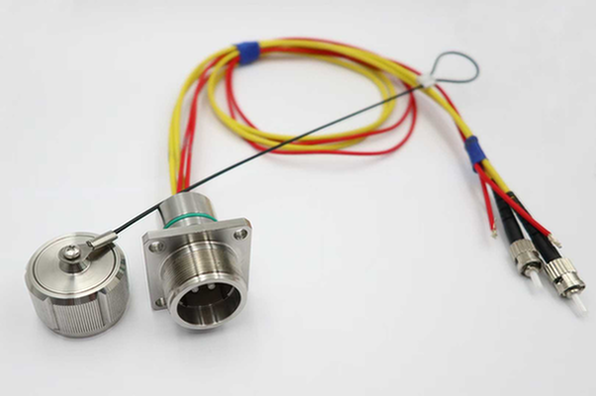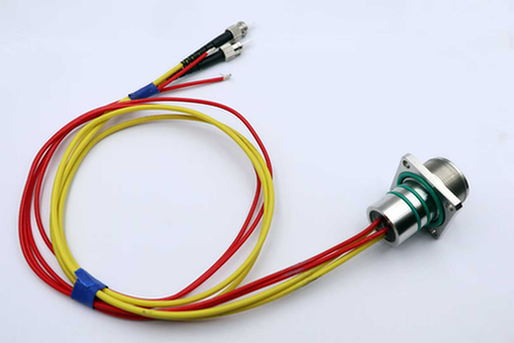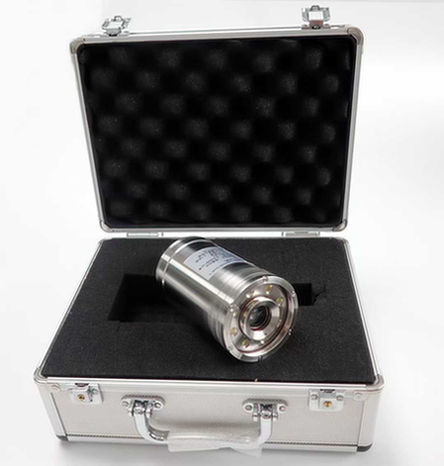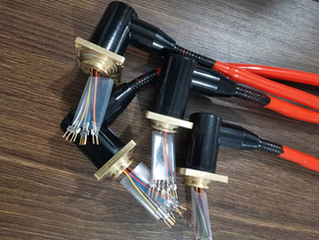
Subsea Production Systems: Complete Underwater Connector Solutions for Oil & Gas 2026
경영진 요약
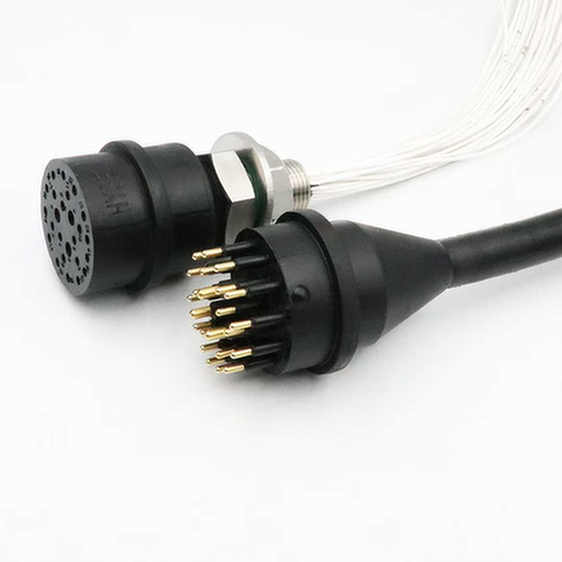
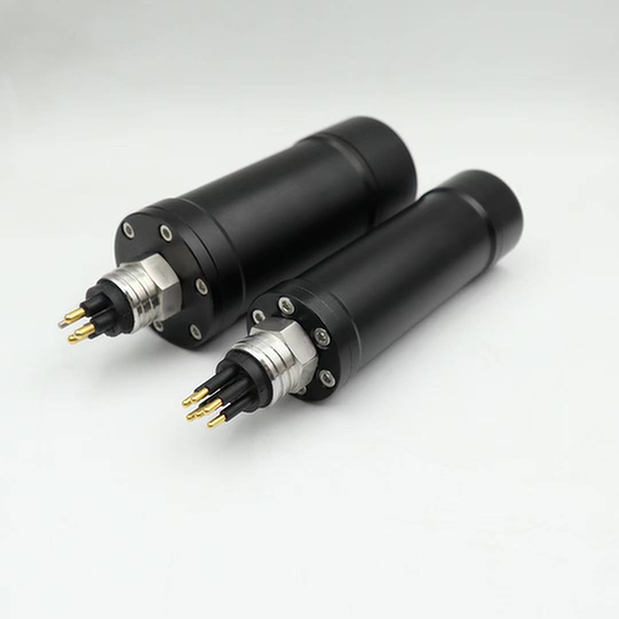
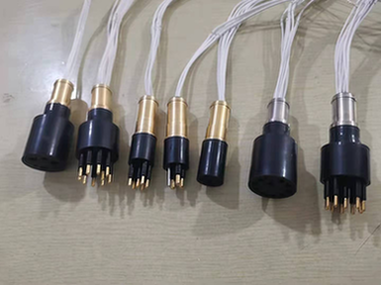
Subsea production systems represent one of the most demanding applications for underwater connectors, requiring reliable operation at extreme depths, pressures, and temperatures for 25+ years. This comprehensive guide examines connector requirements, system architectures, installation methodologies, and emerging trends in subsea oil & gas production.
Key System Requirements:
| 매개변수 | Typical Requirement | Connector Challenge |
|---|---|---|
| Water Depth | 500m – 3,000m+ | Pressure resistance, material selection |
| Operating Pressure | 5,000 – 15,000 psi | Seal integrity, housing strength |
| Temperature | -2°C to +150°C | Thermal cycling, material compatibility |
| Design Life | 25 – 30 years | Long-term reliability, corrosion resistance |
| Availability | 99.5%+ uptime | Redundancy, remote monitoring |
| Intervention Cost | $500K – $5M per event | Wet-mate capability, reliability |
Market Overview:
- Global subsea production systems market: $18.5 billion (2026)
- Expected CAGR: 6.8% through 2032
- Connector content per system: $2M – $15M
- Wet-mate connector share: 65% of subsea production applications
- Key growth regions: Brazil pre-salt, Gulf of Mexico, West Africa
Chapter 1: Subsea Production System Architecture
1.1 System Components
Typical Subsea Production System:
Subsea Production System Architecture:

Surface Facilities (Platform/FPSO)
        │
        │ Export Pipeline/Flowline
        │
        ▼
Subsea Manifold
├─ Tree 1 ── Umbilical ── Control System
├─ Tree 2 ── Umbilical ── Control System
├─ Tree 3 ── Umbilical ── Control System
└─ Tree N ── Umbilical ── Control System
        │
        │ Flowlines
        │
        ▼
Pipeline End Termination (PLET)
Connector Applications:
| Component | Connector Types | Quantity per System | Criticality |
|---|---|---|---|
| Subsea Tree | Wet-mate hybrid, Dry-mate | 8-15 per tree | Critical |
| Manifold | Wet-mate power/data | 20-50 per manifold | Critical |
| Umbilical Termination | Wet-mate, Fiber optic | 5-10 per umbilical | Critical |
| PLET | Wet-mate, Dry-mate | 4-8 per PLET | High |
| Control System | Wet-mate, Ethernet | 10-30 per system | Critical |
| Sensors/Monitoring | Wet-mate, Fiber optic | 20-100 per field | Medium |
1.2 Connector Functions
전력 분배:
- Tree actuation (hydraulic/electric)
- Valve control
- Heating systems (flow assurance)
- Monitoring equipment power
- Emergency shutdown systems
Typical Requirements:
– Voltage: 400V – 3,000V AC/DC
– Current: 10A – 400A
– Phases: Single or three-phase
– Redundancy: Dual feed common
Data Communication:
- Tree control signals
- Sensor data acquisition
- Video surveillance
- Production monitoring
- Emergency communications
Typical Requirements:
– Protocol: Ethernet, Profibus, CAN bus
– Speed: 10 Mbps – 1 Gbps
– Fiber count: 2 – 48 fibers
– Latency: <100 ms critical
Hydraulic Control:
- Tree valve actuation
- Choke valve control
- Safety system activation
- Chemical injection
Typical Requirements:
– Pressure: 3,000 – 5,000 psi
– Lines: 4 – 20 per tree
– Fluid compatibility: Glycol, hydraulic oil
– Leak detection: Required
1.3 Environmental Conditions
Operating Environment:
| 매개변수 | Range | Connector Impact |
|---|---|---|
| Water Depth | 500m – 3,500m | Pressure housing design |
| External Pressure | 500 – 5,000 psi | Seal integrity, material strength |
| Temperature (ambient) | -2°C to +4°C | Material selection, thermal cycling |
| Temperature (internal) | -2°C to +150°C | Thermal expansion, seal compatibility |
| Salinity | 3.5% (seawater) | 내식성 |
| Current | 0 – 3 knots | Structural loading, fatigue |
| Marine Growth | Variable | Protection, cleaning access |
Extreme Conditions:
Deepwater Gulf of Mexico:
– Depth: 2,000m – 3,000m
– Pressure: 3,000 – 4,500 psi
– Temperature: 4°C ambient, 120°C+ internal
– Challenge: High pressure + high temperature (HPHT)
Brazil Pre-Salt:
– Depth: 2,000m – 2,500m
– Pressure: 3,000 – 3,700 psi
– Temperature: 4°C ambient, 100°C+ internal
– Challenge: CO₂ and H₂S corrosion
West Africa:
– Depth: 1,000m – 2,000m
– Pressure: 1,500 – 3,000 psi
– Temperature: 4°C ambient, 80°C+ internal
– Challenge: Remote location, intervention cost
Chapter 2: Connector Requirements
2.1 Technical Specifications
Electrical Requirements:
| 매개변수 | Minimum | Typical | Maximum |
|---|---|---|---|
| 전압 등급 | 400V | 1,000V | 3,000V |
| 전류 등급 | 50A | 200A | 400A |
| 접촉 저항 | <20 mΩ | <10 mΩ | <5 mΩ |
| 절연 저항 | >50 MΩ | >100 MΩ | >500 MΩ |
| Dielectric Strength | 2× rated | 3× rated | 5× rated |
| Partial Discharge | <10 pC | <5 pC | <2 pC |
Optical Requirements:
| 매개변수 | Minimum | Typical | Maximum |
|---|---|---|---|
| Insertion Loss | <1.0 dB | <0.5 dB | <0.3 dB |
| Return Loss | >40 dB | >50 dB | >60 dB |
| Fiber Count | 2 fibers | 12 fibers | 48 fibers |
| Wavelength | 850/1300/1550 nm | 1550 nm | – |
| Bandwidth | 100 Mbps | 1 Gbps | 10 Gbps |
Mechanical Requirements:
| 매개변수 | Minimum | Typical | Maximum |
|---|---|---|---|
| 깊이 등급 | 1,000m | 2,500m | 4,000m |
| Pressure Rating | 1,500 psi | 4,000 psi | 6,000 psi |
| Tensile Strength | 1,000 N | 3,000 N | 10,000 N |
| 짝짓기 주기 | 200 | 500 | 2,000 |
| Bend Radius | 12× OD | 10× OD | 8× OD |
Environmental Requirements:
| 매개변수 | Minimum | Typical | Maximum |
|---|---|---|---|
| 온도 범위 | -20°C to +85°C | -40°C to +125°C | -55°C to +150°C |
| Salt Spray | 500 hours | 1,000 hours | 2,000 hours |
| Corrosion Resistance | ISO 12944 C5-M | ISO 12944 C5-M + | NORSOK M-506 |
| UV Resistance | Required (surface) | Required (surface) | – |
| Fire Resistance | ISO 22899 | ISO 22899 | API 17L1 |
2.2 Material Selection
Housing Materials:
| 재료 | Application | Advantages | Limitations |
|---|---|---|---|
| Titanium Grade 5 | HPHT, deepwater | Excellent strength-to-weight, corrosion resistant | High cost, machining difficulty |
| 스테인리스 스틸 316L | Standard subsea | Good corrosion resistance, cost-effective | Lower strength than titanium |
| Stainless Steel 22Cr/25Cr | Corrosive environments | Superior corrosion resistance | Higher cost than 316L |
| Aluminum Bronze | Shallow water, cost-sensitive | Good corrosion resistance, lower cost | Lower strength, weight |
| Super Duplex | Extreme conditions | Excellent strength and corrosion | Very high cost |
Seal Materials:
| 재료 | 온도 범위 | Application | Notes |
|---|---|---|---|
| EPDM | -40°C to +125°C | Standard subsea | Good water resistance |
| FKM (Viton) | -20°C to +200°C | High temperature | Excellent chemical resistance |
| FFKM (Kalrez) | -15°C to +300°C | Extreme conditions | Very high cost |
| Silicone | -55°C to +200°C | Low temperature | Poor tear resistance |
| HNBR | -30°C to +150°C | Dynamic applications | Good mechanical properties |
Contact Materials:
| Component | 재료 | Coating/Plating | Rationale |
|---|---|---|---|
| Power Contacts | Copper alloy | Gold over nickel | Conductivity, corrosion resistance |
| Signal Contacts | Beryllium copper | Gold over nickel | Spring properties, conductivity |
| Fiber Ferrules | Zirconia ceramic | – | Precision, durability |
| Springs | Stainless steel | – | Corrosion resistance, spring properties |
2.3 Qualification Requirements
Industry Standards:
| 표준 | Title | Application |
|---|---|---|
| API 17L1 | Subsea Production Control Systems | Control systems |
| API 17F | Subsea Production Control Systems | Equipment qualification |
| ISO 13628-6 | Subsea production control systems | System design |
| ISO 13628-13 | Umbilicals | Umbilical systems |
| NORSOK U-001 | Subsea production systems | Norwegian shelf |
| DNV-ST-F101 | Submarine pipeline systems | Pipeline interfaces |
Qualification Testing:
Type Testing (New Design):
| Test | 표준 | Duration | Acceptance |
|---|---|---|---|
| Pressure cycling | API 17F | 500 cycles | No leakage, function |
| Temperature cycling | API 17F | 100 cycles | No degradation |
| Salt spray | ASTM B117 | 1,000 hours | No corrosion |
| Vibration | IEC 60068 | Per spec | No damage |
| Shock | IEC 60068 | Per spec | No damage |
| 짝짓기 주기 | API 17F | 500 cycles | Within spec |
| Pressure + temperature | API 17F | 30 days | No leakage |
| 전기 | API 17F | Per spec | Within spec |
| Optical | API 17F | Per spec | Within spec |
Lot Testing (Production):
| Test | Frequency | Acceptance |
|---|---|---|
| Visual inspection | 100% | No defects |
| Dimensional check | 100% | Within tolerance |
| Pressure test | 100% | No leakage |
| Electrical test | 100% | Within spec |
| Optical test | 100% | Within spec |
Field Qualification:
- Pilot installation (5-10 units)
- 12-24 month monitoring period
- Performance data collection
- Failure analysis (if any)
- Full qualification approval
Chapter 3: System Integration
3.1 Umbilical Integration
Umbilical Types:
| 유형 | Application | Connector Interface |
|---|---|---|
| Static Umbilical | 고정 설치 | Dry-mate termination |
| Dynamic Umbilical | Floating systems | Wet-mate termination |
| Hybrid Umbilical | Power + control + fiber | Multi-interface |
Termination Methods:
Wet-Mate Termination:
Wet-Mate Umbilical Termination:

Umbilical
    │
    ▼
┌─────────────────────────┐
│ Strain Relief           │
│ - Armor grip            │
│ - Load distribution     │
└─────────────────────────┘
    │
    ▼
┌─────────────────────────┐
│ Pressure Barrier        │
│ - Bulkhead penetration  │
│ - Multiple seals        │
└─────────────────────────┘
    │
    ▼
┌─────────────────────────┐
│ Internal Termination    │
│ - Electrical splices    │
│ - Fiber splices         │
│ - Hydraulic connections │
└─────────────────────────┘
    │
    ▼
┌─────────────────────────┐
│ Wet-Mate Connector      │
│ - Plug half             │
│ - ROV interface         │
└─────────────────────────┘
Dry-Mate Termination:
Dry-Mate Umbilical Termination:

Umbilical
    │
    ▼
┌─────────────────────────┐
│ Strain Relief           │
│ - Armor grip            │
│ - Load distribution     │
└─────────────────────────┘
    │
    ▼
┌─────────────────────────┐
│ Bulkhead                │
│ - Pressure barrier      │
│ - Hermetic seal         │
└─────────────────────────┘
    │
    ▼
┌─────────────────────────┐
│ Dry-Mate Connector      │
│ - Surface mated         │
│ - Deployed assembled    │
└─────────────────────────┘
3.2 Tree Integration
Subsea Tree Connector Interfaces:
| Interface | 커넥터 유형 | 수량 | Function |
|---|---|---|---|
| Tree-to-Manifold | Wet-mate hybrid | 2-4 | Production, control |
| Tree-to-Umbilical | Wet-mate | 1-2 | Control, power |
| Tree Internal | Dry-mate | 10-20 | Internal connections |
| Sensor Connections | Wet-mate | 5-15 | Monitoring |
| Chemical Injection | Dry-mate | 2-6 | Chemical supply |
Integration Considerations:
Mechanical:
– Connector location accessibility
– ROV tool clearance
– Cable bend radius
– Strain relief requirements
Electrical:
– Grounding and bonding
– Shielding and EMC
– Voltage drop calculations
– Redundancy architecture
Hydraulic:
– Fluid compatibility
– Pressure ratings
– Leak detection
– Flushing and filling
Optical:
– Fiber routing and protection
– Bend radius management
– Contamination protection
– Testing and verification
3.3 Control System Integration
Control Architecture:
Surface Control System
        │
        │ Umbilical
        │
        ▼
Subsea Control Module (SCM)
        │
        ├─ Tree 1 (via wet-mate)
        ├─ Tree 2 (via wet-mate)
        ├─ Tree 3 (via wet-mate)
        └─ Sensors (via wet-mate)
커넥터 요구 사항:
| Signal Type | Connector | 사양 |
|---|---|---|
| Power (SCM) | Wet-mate hybrid | 400V, 50A, 3-phase |
| Control (SCM-Tree) | Wet-mate | Ethernet, 24V DC |
| Sensor Data | Wet-mate | 4-20mA, digital |
| Video | Wet-mate fiber | Single-mode fiber |
| Emergency Shutdown | Wet-mate | Hardwired, redundant |
Redundancy Strategies:
Dual SCM Architecture:
– Primary and backup SCM
– Independent connector paths
– Automatic switchover
– No single point of failure
Dual Feed Power:
– Two independent power sources
– Separate connector paths
– Diode OR-ing or contactor switching
– Maintains power during single failure
Redundant Communications:
– Dual Ethernet paths
– Ring topology
– Fast reroute (<50 ms)
– Protocol-level redundancy
Chapter 4: Installation & Commissioning
4.1 Installation Planning
Pre-Installation Activities:
- Site Survey
- Seabed conditions
- Obstacle identification
- Current measurements
- Visibility assessment
- Procedure Development
- Step-by-step instructions
- Tooling requirements
- Contingency plans
- Risk assessment
- Personnel Training
- ROV pilot training
- Connector handling
- Emergency procedures
- Documentation requirements
- Equipment Preparation
- Connector inspection
- Tooling calibration
- Spare parts inventory
- Test equipment verification
4.2 Installation Process
Tree Installation:
Phase 1: Tree Deployment
├─ Load tree onto vessel
├─ Lift overboard
├─ Lower to seabed
└─ Land on template/foundation

Phase 2: Connector Installation
├─ Deploy umbilical
├─ ROV mates tree connector
├─ Verify connection
└─ Secure umbilical

Phase 3: Flowline Connection
├─ Deploy flowline
├─ ROV mates flowline connector
├─ Verify connection
└─ Pressure test

Phase 4: Commissioning
├─ Electrical tests
├─ Hydraulic tests
├─ Communication tests
└─ Functional tests
Manifold Installation:
Phase 1: Manifold Deployment
├─ Load manifold onto vessel
├─ Lift overboard
├─ Lower to seabed
└─ Land on foundation

Phase 2: Tree Tie-Ins
├─ Deploy flowlines from trees
├─ ROV mates each flowline
├─ Verify each connection
└─ Pressure test each line

Phase 3: Umbilical Connection
├─ Deploy main umbilical
├─ ROV mates manifold connector
├─ Verify connection
└─ Test all channels

Phase 4: Commissioning
├─ System pressure test
├─ Electrical verification
├─ Communication verification
└─ Integrated function test
4.3 Testing & Verification
Factory Acceptance Testing (FAT):
| Test | Purpose | Acceptance |
|---|---|---|
| Visual inspection | Workmanship | No defects |
| Dimensional check | Fit and function | Within tolerance |
| Pressure test | Seal integrity | No leakage |
| Electrical test | Continuity, insulation | Within spec |
| Optical test | Insertion loss, return loss | Within spec |
| Functional test | System operation | Per specification |
| Environmental test | Temperature, vibration | No degradation |
Site Acceptance Testing (SAT):
| Test | Purpose | Acceptance |
|---|---|---|
| Visual inspection (ROV) | Installation quality | Per procedure |
| Electrical test | Field connections | Within spec |
| Hydraulic test | System pressure | No leakage |
| Communication test | Data links | Per specification |
| Integrated function test | System operation | Per specification |
Commissioning Tests:
| System | Tests | Duration |
|---|---|---|
| Power Distribution | Voltage, current, insulation | 24-48 hours |
| Control System | All I/O points, logic | 48-72 hours |
| Hydraulic System | Pressure, flow, function | 24-48 hours |
| Communication | Bandwidth, latency, redundancy | 24 hours |
| Safety System | ESD, shutdown logic | 24 hours |
| Integrated System | Full production scenario | 72-168 hours |
4.4 Documentation
Required Documentation:
- As-built drawings
- Connector installation records
- Test reports (FAT, SAT, commissioning)
- Calibration certificates
- Material certificates
- Qualification records
- Operating procedures
- Maintenance procedures
- Spare parts list
Digital Records:
- GPS coordinates of all connections
- ROV video of mating operations
- Electrical test data (digital)
- Optical test data (digital)
- Pressure test records
- Photographic documentation
Chapter 5: Operations & Maintenance
5.1 Routine Monitoring
Remote Monitoring:
| 매개변수 | Monitoring Method | Frequency | Alarm Limits |
|---|---|---|---|
| Voltage | SCADA system | Continuous | ±10% nominal |
| Current | SCADA system | Continuous | ±10% nominal |
| Insulation | Periodic test | Monthly | <10 MΩ |
| Temperature | Sensors | Continuous | >85°C |
| Pressure | Sensors | Continuous | Outside range |
| Communication | Status monitoring | Continuous | Link loss |
ROV Inspection:
| Inspection Type | Frequency | Scope |
|---|---|---|
| Visual | Annual | All connectors, cables |
| Detailed | 3 years | Close-up, cleaning |
| Cathodic Protection | Annual | Anode inspection |
| Marine Growth | As needed | Cleaning if required |
5.2 Preventive Maintenance
Connector Maintenance:
| Activity | Frequency | Method |
|---|---|---|
| Visual inspection | Annual | ROV camera |
| Cleaning | As needed | ROV wash-down |
| Electrical test | Annual | Remote testing |
| Optical test | Annual | Remote testing |
| Torque check | 5 years | ROV tool (if accessible) |
| Seal inspection | 5 years | ROV close-up |
System Maintenance:
| Activity | Frequency | Method |
|---|---|---|
| Full system test | Annual | Integrated testing |
| Calibration | 2 years | Sensor calibration |
| Software update | As needed | Remote update |
| Spare parts rotation | 5 years | Replace aging spares |
5.3 Troubleshooting
Common Issues:
| Symptom | Possible Cause | Diagnostic | Solution |
|---|---|---|---|
| High resistance | Contact degradation | Insulation test | Clean, remate, or replace |
| Communication loss | Cable damage, connector | Continuity test | ROV inspection, repair |
| Intermittent signal | Loose connection | Vibration test | ROV remate, secure |
| Hydraulic leak | Seal failure | Pressure test | ROV replace connector |
| Temperature alarm | Overload, cooling | Thermal imaging | Reduce load, investigate |
Troubleshooting Procedure:
1. Identify Symptom
   └─ Review alarms and trends
   └─ Interview operations personnel
   └─ Document all observations

2. Isolate Problem
   └─ Review system architecture
   └─ Identify affected components
   └─ Plan diagnostic tests

3. Diagnose Root Cause
   └─ Perform remote tests
   └─ Deploy ROV if needed
   └─ Analyze test data

4. Implement Solution
   └─ Develop repair procedure
   └─ Mobilize resources
   └─ Execute repair
   └─ Verify fix

5. Document and Learn
   └─ Record all actions
   └─ Update procedures
   └─ Share lessons learned
5.4 Intervention Planning
Intervention Triggers:
| Condition | Response Time | Intervention Type |
|---|---|---|
| Production shutdown | Immediate | Emergency intervention |
| Safety system fault | 24-48 hours | Urgent intervention |
| Redundancy loss | 1-2주 | Planned intervention |
| Performance degradation | Next opportunity | Scheduled intervention |
| Routine maintenance | Annual campaign | Planned intervention |
Intervention Cost Estimates:
| Intervention Type | Duration | Cost Range |
|---|---|---|
| Emergency (shallow) | 3~5일 | $500K – $1M |
| Emergency (deep) | 5-10 days | $1M – $3M |
| Urgent (shallow) | 2-4 days | $300K – $800K |
| Urgent (deep) | 4-8 days | $800K – $2M |
| Planned (shallow) | 1-3 days | $200K – $500K |
| Planned (deep) | 3-7 days | $500K – $1.5M |
Cost Justification for Wet-Mate:
Scenario: Connector failure at 2,000m depth

Dry-Mate Solution:
- System recovery: 5 days × $200K/day = $1,000,000
- Surface repair: 2 days = $50,000
- Redeployment: 5 days × $200K/day = $1,000,000
- Production loss: 12 days × $500K/day = $6,000,000
- Total: $8,050,000

Wet-Mate Solution:
- ROV intervention: 2 days × $150K/day = $300,000
- Connector replacement: $30,000
- Production loss: 2 days × $500K/day = $1,000,000
- Total: $1,330,000

Savings with Wet-Mate: $6,720,000 (83% reduction)
Chapter 6: Emerging Trends
6.1 All-Electric Subsea Systems
Technology Overview:
All-electric subsea systems replace hydraulic functions with electric actuators, eliminating hydraulic fluid and reducing environmental risk.
Connector Implications:
| Aspect | Traditional Hydraulic | All-Electric | 영향 |
|---|---|---|---|
| Power Requirements | Low (control only) | High (actuation) | Higher current ratings |
| Connector Count | Many (hydraulic + electric) | Fewer (electric only) | Simplified architecture |
| Wet-Mate Need | High (hydraulic lines) | High (power cables) | Similar requirement |
| Reliability | Good (proven) | Improving | New technology risk |
Market Adoption:
- 2026: 15% of new projects
- 2028: 25% of new projects
- 2030: 40% of new projects
- Driver: Environmental regulations, operational simplicity
6.2 Subsea Processing
Technology Overview:
Subsea processing (separation, compression, pumping) moves production facilities to the seabed, reducing surface infrastructure.
Connector Implications:
| 요구 사항 | Traditional | Subsea Processing | 영향 |
|---|---|---|---|
| Power | <500 kW | 5-50 MW | Much higher power |
| Voltage | <1 kV | 6-33 kV | Medium voltage required |
| Connector Size | 표준 | Large | New designs needed |
| Heat Dissipation | Low | High | Thermal management |
Market Status:
- Operating installations: 12 (2026)
- Planned installations: 35 (2026-2032)
- Connector opportunity: $500M – $1B
6.3 Digitalization and IoT
Smart Connectors:
Integrated sensors and communications enable condition-based monitoring and predictive maintenance.
Capabilities:
| 기능 | Benefit | Implementation |
|---|---|---|
| Temperature monitoring | Overload detection | Integrated sensor |
| Contact resistance | Degradation detection | Built-in measurement |
| Moisture detection | Seal failure warning | Humidity sensor |
| Mating cycle count | Life tracking | Counter in connector |
| Vibration monitoring | Mechanical stress | Accelerometer |
Market Adoption:
- 2026: 20% of new connectors
- 2028: 40% of new connectors
- 2030: 60% of new connectors
- Driver: Predictive maintenance, reduced intervention
6.4 Standardization Initiatives
Industry Efforts:
- API 17L1 revision (2026) – Enhanced connector requirements
- ISO 13628 updates – Harmonized standards
- Operator JIPs – Common specifications
- Supplier collaboration – Interface standards
Benefits:
- Reduced engineering costs
- Faster qualification
- Interoperability
- Lower inventory costs
결론
Subsea production systems demand the highest performance from underwater connectors, with requirements for extreme depth, pressure, temperature, and 25+ year reliability. Wet-mate connectors dominate critical applications due to the prohibitive cost of system recovery for maintenance or replacement.
Key Success Factors:
- Proper specification – Match connector to application requirements
- Quality qualification – Rigorous testing before deployment
- Careful installation – Follow procedures, document everything
- Proactive maintenance – Monitor, inspect, address issues early
- Strategic sparing – Maintain critical spares for rapid response
Future Outlook:
The subsea production connector market will continue growing, driven by deepwater exploration, all-electric systems, and subsea processing. Wet-mate technology will remain dominant for critical applications, while smart connectors enable predictive maintenance and reduced intervention costs.
Investment Priority:
For operators, investing in high-quality wet-mate connectors and proper installation pays dividends through reduced intervention costs and improved system availability. The connector represents a small fraction of total system cost but has outsized impact on reliability and operating expense.
Appendix: Specification Checklist
A.1 Connector Specification Checklist
Electrical:
– [ ] Voltage rating (continuous and transient)
– [ ] Current rating (continuous and peak)
– [ ] Number of contacts
– [ ] Contact resistance requirement
– [ ] Insulation resistance requirement
– [ ] Dielectric strength requirement
– [ ] Partial discharge requirement
Optical:
– [ ] Number of fibers
– [ ] Fiber type (single-mode/multi-mode)
– [ ] Insertion loss requirement
– [ ] Return loss requirement
– [ ] Wavelength requirements
Mechanical:
– [ ] Depth rating
– [ ] Pressure rating
– [ ] Temperature range
– [ ] Tensile strength
– [ ] Bend radius
– [ ] Mating cycles
– [ ] Weight (in air and water)
Environmental:
– [ ] Corrosion resistance
– [ ] Material compatibility (fluids)
– [ ] Marine growth resistance
– [ ] UV resistance (if surface)
– [ ] Fire resistance
Operational:
– [ ] Mating method (ROV/diver)
– [ ] Tooling requirements
– [ ] Installation procedure
– [ ] Testing requirements
– [ ] Maintenance requirements
Commercial:
– [ ] Lead time
– [ ] Warranty terms
– [ ] Spare parts availability
– [ ] Technical support
– [ ] Training requirements
About This Guide:
This subsea production systems guide was prepared by HYSF Subsea based on industry standards, project experience, and technical expertise. Specifications should be validated for specific applications.
For More Information:
To discuss your subsea production connector requirements or request a quotation, contact our subsea team at info@hysfsubsea.com or visit /oil-gas/.
Related Resources:
– Oil & Gas Solutions
– Wet-Mate Connectors
– Subsea Services
– Technical Support







 English
 Spanish
 Russian
 French
 German
 Korean
 Japanese
 Arabic
 Thai
Thai Danish
 Norwegian