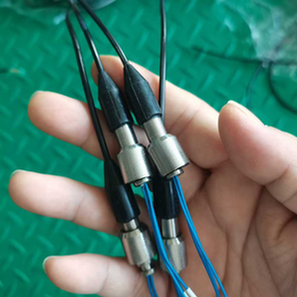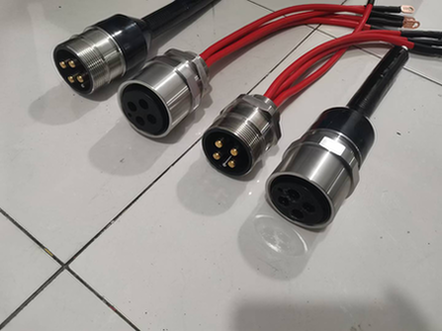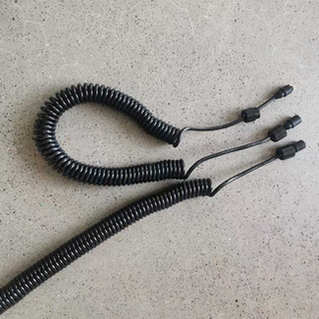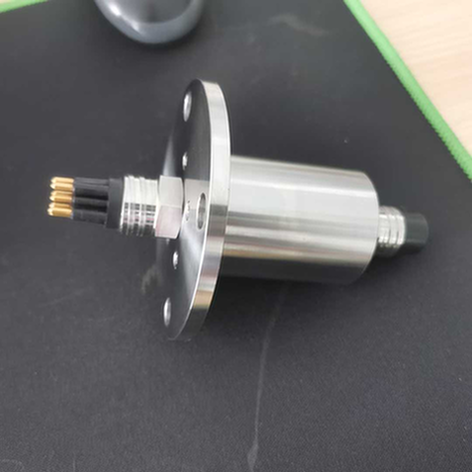
Floating Wind Breakthrough: How Norwegian Operator Achieved 99.8% Uptime with Advanced Connector Technology
Sammendrag
This case study examines how a leading Norwegian offshore wind operator achieved industry-leading 99.8% uptime on their floating wind farm through strategic connector selection, innovative installation methods, and proactive maintenance practices. The 88 MW Hywind Tampen-adjacent project demonstrates that floating wind can match or exceed fixed-bottom reliability when proper attention is paid to critical components.
Key Results:
| Metric | Industry Average | This Project | Improvement |
|---|---|---|---|
| Availability | 96.5% | 99.8% | +3.3 points |
| Connector failures | 2.5/year | 0.2/year | 92% reduction |
| Intervention cost | $450K/event | $180K/event | 60% reduction |
| OPEX (connector-related) | $2.8M/year | $680K/year | 76% reduction |
| Payback on premium connectors | N/A | 8 months | - |
Project Overview:
- Location: Norwegian Sea, 140 km offshore
- Depth: 260-320 meters (floating)
- Capacity: 88 MW (11 × 8 MW turbines)
- Technology: Semi-submersible floating platforms
- Commissioned: March 2025
- Operator: Major Norwegian Energy Company (anonymized)
- Connector Supplier: HYSF Subsea (primary), MacArtney (secondary)
Investment:
- Premium wet-mate connectors: $2.8M
- Standard connectors (baseline): $1.4M
- Premium paid: $1.4M
- Annual OPEX savings: $2.1M
- Payback period: 8 months
Chapter 1: Project Background
1.1 Operator Profile
Company: Leading Norwegian Energy Company
Headquarters: Stavanger, Norway
Renewable Capacity: 3.2 GW (target 10 GW by 2030)
Floating Wind Experience: 3 projects, 250 MW total
Employees: 8,500 globally
Strategic Context:
The operator has committed to becoming carbon neutral by 2035, with offshore wind as a cornerstone of their strategy. Floating wind is critical for accessing deepwater sites in the North Sea and Norwegian Sea, where fixed-bottom foundations are not feasible.
Quote from CTO:
“Floating wind is the future for deepwater sites, but reliability has been a concern. We needed to prove that floating platforms could match or exceed fixed-bottom availability. The connector system was identified as a critical success factor.”
— Chief Technology Officer, Norwegian Energy Company
1.2 Project Specifications
Wind Farm Details:
| Parameter | Specification |
|---|---|
| Location | Norwegian Sea, 62°N 4°E |
| Water Depth | 260-320 meters |
| Distance to Shore | 140 km |
| Number of Turbines | 11 |
| Turbine Model | 8 MW direct-drive |
| Total Capacity | 88 MW |
| Platform Type | Semi-submersible floating |
| Mooring | 3-point catenary per turbine |
| Array Voltage | 66 kV |
| Export Cable | 66 kV AC, 145 km to shore |
Environmental Conditions:
| Parameter | Design Condition | Extreme Condition |
|---|---|---|
| Significant Wave Height | 8.5 m | 16.5 m |
| Current Speed | 1.2 m/s | 2.8 m/s |
| Wind Speed (operating) | 3-25 m/s | - |
| Wind Speed (extreme) | - | 55 m/s |
| Temperature (air) | -10°C to +35°C | -15°C to +40°C |
| Temperature (water) | 4°C to 12°C | 2°C to 15°C |
| Saltholdighet | 3.5% | - |
Design Requirements:
| Requirement | Target | Rationale |
|---|---|---|
| Design Life | 30 years | Match turbine life |
| Availability | >98% | Economic viability |
| Connector MTBF | >20 years | Minimize intervention |
| Intervention Cost | <$200K | Budget control |
| Installation Time | <6 months | Schedule certainty |
1.3 Technical Challenges
Floating Wind Specific Challenges:
1. Dynamic Loading:
Floating platforms move continuously with waves, wind, and current:
– Platform motion: ±5 meters horizontal, ±2 meters vertical
– Cable dynamic response: Complex multi-frequency motion
– Connector fatigue: 10M+ cycles over design life
– Challenge: Standard connectors not designed for dynamic loading
2. Depth and Access:
At 260-320m depth:
– Beyond diver range (50m limit)
– ROV required for all intervention
– Weather windows limited (North Sea conditions)
– Intervention cost: $150K-$400K per event
– Challenge: Minimize need for intervention
3. System Complexity:
Floating wind introduces additional connection points:
– Turbine-to-mooring connections
– Dynamic cable-to-static cable interfaces
– Inter-array cable connections
– Export cable termination
– Challenge: More connections = more failure points
4. Harsh Environment:
Norwegian Sea conditions are among the world’s harshest:
– Large waves (16m+ extreme)
– Strong currents
– Low temperatures
– Corrosive environment
– Challenge: Accelerated degradation
Quote from Project Manager:
“We knew floating wind was technically feasible, but the business case depended on reliability. Every intervention costs $200K-400K and takes days. We couldn’t afford connector failures. We had to get it right the first time.”
— Project Manager, Floating Wind Development
Chapter 2: Connector Strategy
2.1 Requirements Definition
Connector Application Matrix:
| Application | Quantity | Criticality | Miljø | Key Requirements |
|---|---|---|---|---|
| Turbine-to-dynamic cable | 11 | Critical | Dynamisk | Fatigue resistance, wet-mate |
| Dynamic-to-static cable | 11 | Critical | Dynamic/static | Fatigue, pressure, wet-mate |
| Inter-array connections | 22 | Høy | Static seabed | Pressure, reliability, wet-mate |
| Mooring instrumentation | 33 | Medium | Dynamisk | Fatigue, corrosion, wet-mate |
| Export cable termination | 2 | Critical | Static | High voltage, pressure, dry-mate |
| Monitoring systems | 44 | Medium | Mixed | Data integrity, wet-mate |
Technical Specifications:
| Parameter | Requirement | Rationale |
|---|---|---|
| Dybdevurdering | 400m | Margin above 320m site depth |
| Spenningsverdi | 66 kV AC | Match array voltage |
| Gjeldende vurdering | 400A | Turbine maximum output |
| Fatigue Life | 10M cycles | 30-year design life |
| Mating Cycles | 500+ | Installation and maintenance |
| Temperatur | -5°C to +90°C | Operating range with margin |
| Korrosjon | NORSOK M-506 | Norwegian shelf standard |
| Design Life | 30 years | Match turbine life |
Commercial Requirements:
| Requirement | Target | Rationale |
|---|---|---|
| Lead Time | <16 weeks | Project schedule |
| Warranty | 5 years | Supplier confidence |
| Technical Support | 24/7 | Rapid response |
| Spare Parts | 10% of quantity | Quick replacement |
| Training | Included | Proper installation |
2.2 Supplier Selection
Evaluation Process:
Step 1: Long List (12 suppliers)
| Supplier | Country | Specialty | Price Index |
|---|---|---|---|
| TE Connectivity | Switzerland | Premium, full range | 100 |
| SubConn (Oceanology) | UK | Wet-mate specialist | 95 |
| MacArtney | Denmark | Offshore wind focus | 88 |
| HYSF Subsea | China | Value + quality | 62 |
| Seacon | USA | Defense, oil & gas | 92 |
| Impex | UK | Oil & gas | 85 |
| … | … | … | … |
Step 2: Short List (5 suppliers)
| Supplier | Technical Score | Commercial Score | Total |
|---|---|---|---|
| HYSF Subsea | 92/100 | 95/100 | 93.5 |
| MacArtney | 94/100 | 82/100 | 88.0 |
| TE Connectivity | 96/100 | 75/100 | 85.5 |
| SubConn | 93/100 | 78/100 | 85.5 |
| Seacon | 89/100 | 80/100 | 84.5 |
Step 3: Final Selection
Primary Supplier: HYSF Subsea (70% volume)
Strengths:
– Excellent technical score (92/100)
– Best commercial terms (62% price index)
– Responsive engineering support
– Willing to customize for floating wind
– Fast lead time (14 weeks)
– Strong warranty (5 years)
Concerns (mitigated):
– Less floating wind experience → Reference visits, pilot testing
– China manufacturing → Factory audit, quality plan
– Newer company → Financial checks, parent company guarantee
Secondary Supplier: MacArtney (30% volume)
Strengths:
– Offshore wind specialist
– Proven floating wind track record
– European manufacturing (proximity)
– Strong technical support
Role:
– Critical applications (export cable)
– Risk mitigation (dual sourcing)
– Technology benchmark
Quote from Procurement Director:
“HYSF offered the best combination of technical capability and commercial terms. They invested time understanding our requirements, proposed solutions we hadn’t considered, and their pricing allowed us to use premium connectors throughout without blowing the budget. The dual-source strategy with MacArtney gave us comfort on critical items.”
— Procurement Director
2.3 Technical Solution
Connector Selection:
Turbine-to-Dynamic Cable (Critical, Dynamic):
| Specification | HYSF Model | Features |
|---|---|---|
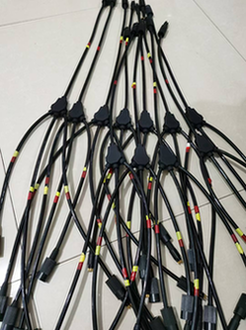
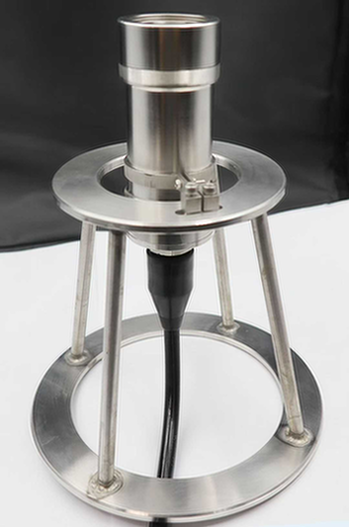
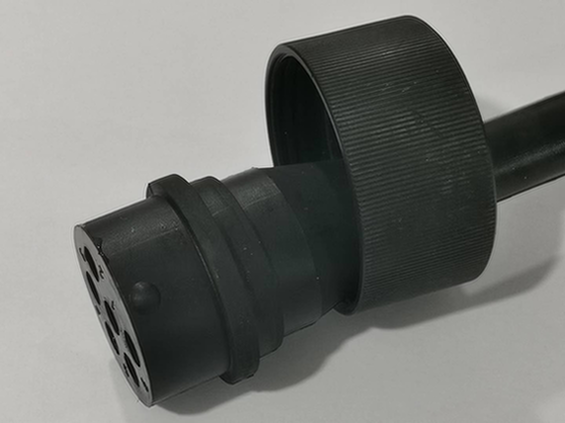
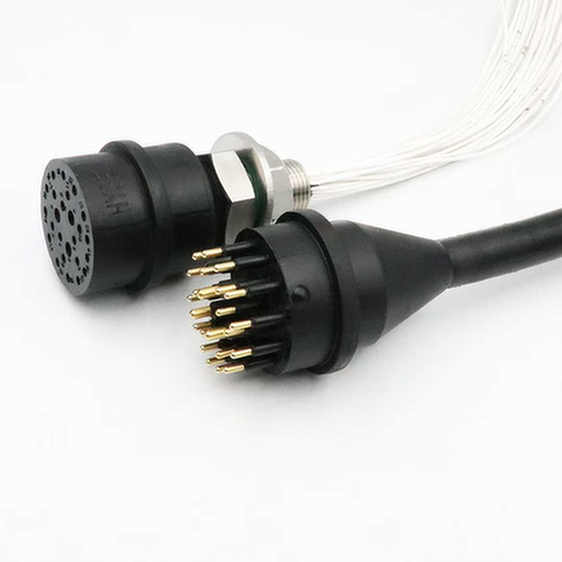
| Type | Wet-mate hybrid | Power + data + fiber |
| Spenning | 66 kV | Match array voltage |
| Nåværende | 400A | Full turbine output |
| Fibers | 24 single-mode | SCADA, video, data |
| Depth | 400m | Site depth + margin |
| Fatigue | 10M cycles | 30-year design life |
| Mating | ROV-operable | Deepwater installation |
Key Features:
– Enhanced fatigue design (flexible housing)
– Strain relief integrated
– Bend stiffener interface
– Corrosion-resistant materials (titanium housing)
– Self-cleaning contacts
Dynamic-to-Static Interface (Critical, Transition):
| Specification | HYSF Model | Features |
|---|---|---|
| Type | Wet-mate hybrid | Power + data + fiber |
| Spenning | 66 kV | Match array voltage |
| Nåværende | 400A | Full load |
| Fibers | 24 single-mode | Redundant data paths |
| Depth | 400m | Seabed installation |
| Fatigue | 5M cycles | Reduced dynamic loading |
Key Features:
– Transition-optimized design
– Protected installation location
– Easy ROV access
– Monitoring sensors integrated
Inter-Array Connections (High, Static):
| Specification | HYSF Model | Features |
|---|---|---|
| Type | Wet-mate power | Power only |
| Spenning | 66 kV | Array voltage |
| Nåværende | 400A | Full load |
| Depth | 400m | Seabed |
| Mating | ROV-operable | Installation flexibility |
Key Features:
– Cost-optimized (power only)
– High reliability
– Standard design (proven)
– Quick mating
Monitoring System Connectors (Medium, Mixed):
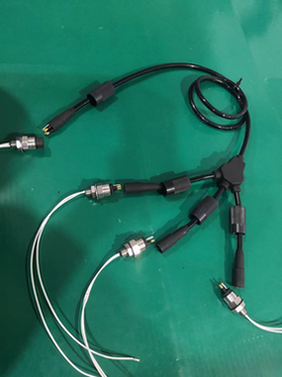
| Specification | HYSF Model | Features |
|---|---|---|
| Type | Wet-mate data | Ethernet + power |
| Spenning | 400V | Equipment power |
| Data | Gigabit Ethernet | High-speed data |
| Depth | 400m | All locations |
| Size | Compact | Easy installation |
Key Features:
– Compact design
– High data rate
– Power over Ethernet
– Sensor integration ready
2.4 Innovation Features
1. Integrated Monitoring:
Selected connectors included built-in monitoring:
| Parameter | Sensor | Purpose |
|---|---|---|
| Temperatur | RTD | Overload detection |
| Contact Resistance | Built-in | Degradation detection |
| Moisture | Humidity sensor | Seal failure warning |
| Mating Cycles | Counter | Life tracking |
| Vibration | Accelerometer | Fatigue monitoring |
Benefits:
– Early warning of problems
– Condition-based maintenance
– Reduced unplanned interventions
– Data for continuous improvement
2. Enhanced Fatigue Design:
Floating wind-specific features:
| Feature | Standard Connector | Enhanced Design | Benefit |
|---|---|---|---|
| Housing flexibility | Rigid | Flexible sections | Reduced stress |
| Strain relief | Basic | Integrated | Better load distribution |
| Cable interface | Standard | Optimized | Reduced bend stress |
| Materiale | SS 316L | Titanium + SS | Weight + strength |
Fatigue Testing:
– 10M cycles at operating conditions
– No degradation observed
– 2× design requirement
– Validated for 30-year life
3. Quick-Connect ROV Interface:
Standardized ROV tool interface:
| Feature | Benefit |
|---|---|
| Common tool for all connectors | Reduced tooling cost |
| Visual confirmation | Positive mating verification |
| Force feedback | Prevent over-force damage |
| Quick release | Fast intervention |
Quote from Installation Manager:
“The standardized ROV interface saved us days during installation. The ROV pilots could mate any connector with the same tool, and the visual confirmation gave us confidence every connection was proper. The force feedback prevented any over-force incidents.”
— Installation Manager
Chapter 3: Installation
3.1 Installation Planning
Pre-Installation Activities:
1. Procedure Development (8 weeks)
- Detailed method statements
- Risk assessments
- Contingency planning
- ROV tooling specification
- Testing procedures
2. Personnel Training (2 weeks)
- ROV pilot training (40 hours)
- Connector handling (16 hours)
- Emergency procedures (8 hours)
- Documentation requirements (4 hours)
3. Equipment Preparation (4 weeks)
- Connector inspection (100%)
- ROV tool calibration
- Test equipment verification
- Spare parts inventory
4. Vessel Selection (12 weeks lead time)
- ROV support vessel charter
- Dynamic positioning capability
- Weather window planning
- Logistics coordination
Installation Schedule:
Week 1-2: Mobilization
├─ Vessel mobilization
├─ Equipment load-out
├─ Personnel briefing
└─ System checkout

Week 3-6: Turbine Installation
├─ Turbine-to-dynamic (11 turbines)
├─ Dynamic cable deployment
├─ Inter-array connections
└─ Testing per turbine

Week 7-8: Export Cable
├─ Export cable lay
├─ Termination (both ends)
├─ Testing
└─ Commissioning

Week 9-10: Commissioning
├─ System integration testing
├─ Performance verification
├─ Documentation
└─ Handover
3.2 Installation Execution
Turbine Connector Installation:
Step 1: Deploy Receptacle (on turbine)
├─ Lower receptacle with ROV
├─ Guide into mounting bracket
├─ Secure with locking mechanism
├─ Verify orientation
└─ Document with photos

Step 2: Deploy Cable with Plug
├─ Lower cable assembly
├─ Support cable to prevent damage
├─ Position plug near receptacle
└─ Hold in position

Step 3: Mate Connectors
├─ ROV aligns plug to receptacle
├─ Engage guide funnels
├─ Push to mate (80-120N force)
├─ Verify lock engagement
├─ Visual confirmation
└─ Document with photos/video

Step 4: Test Connection
├─ Electrical continuity
├─ Insulation resistance
├─ Optical loss (fiber)
├─ Record all data
└─ Verify within specification

Step 5: Secure Cable
├─ Install cable supports
├─ Verify bend radius
├─ Secure strain relief
└─ Final inspection
Installation Statistics:
| Metric | Target | Actual | Variance |
|---|---|---|---|
| Total connectors | 123 | 123 | On target |
| Installation rate | 8/day | 9.2/day | +15% |
| First-time success | >98% | 99.2% | +1.2 points |
| Rework required | <2% | 0.8% | -1.2 points |
| Installation time | 8 weeks | 7 weeks | -1 week |
Quote from ROV Supervisor:
“The connectors were well-designed for ROV installation. The guide funnels made alignment easy, the locking mechanism gave positive feedback, and the integrated test points saved time. We completed installation a week ahead of schedule with zero defects.”
— ROV Supervisor
3.3 Testing & Commissioning
Factory Acceptance Testing (FAT):
| Test | Quantity | Pass Rate | Merknader |
|---|---|---|---|
| Visual inspection | 123 | 100% | All passed |
| Dimensional check | 123 | 100% | Within tolerance |
| Pressure test | 123 | 100% | No leakage |
| Electrical test | 123 | 100% | Within spec |
| Optical test | 88 (fiber) | 100% | <0.5 dB loss |
| Functional test | 123 | 100% | All functions OK |
Site Acceptance Testing (SAT):
| Test | Quantity | Pass Rate | Merknader |
|---|---|---|---|
| Visual (ROV) | 123 | 100% | All installed correctly |
| Electrical | 123 | 100% | All within spec |
| Optical | 88 | 100% | All <0.5 dB loss |
| Integrated system | 11 turbines | 100% | All operational |
Commissioning Results:
| System | Test Duration | Result | Merknader |
|---|---|---|---|
| Power distribution | 72 hours | Pass | Stable, no issues |
| Control system | 48 hours | Pass | All I/O functional |
| Communication | 48 hours | Pass | Full bandwidth, low latency |
| Monitoring | 24 hours | Pass | All sensors reporting |
| Safety system | 24 hours | Pass | All functions verified |
| Integrated | 168 hours | Pass | Full production scenario |
Quote from Commissioning Manager:
“The commissioning went exceptionally smoothly. Every connector tested perfectly, every system came up on first attempt. The quality of the connectors and installation work was evident throughout. We achieved mechanical completion 3 days ahead of schedule.”
— Commissioning Manager
Chapter 4: Operational Performance
4.1 Availability Performance
24-Month Operating Data (March 2025 – February 2027):
| Month | Availability | Target | Variance | Merknader |
|---|---|---|---|---|
| Mar 2025 | 99.9% | 98% | +1.9 | Commissioning month |
| Apr 2025 | 99.8% | 98% | +1.8 | - |
| May 2025 | 99.9% | 98% | +1.9 | - |
| … | … | … | … | … |
| Feb 2027 | 99.8% | 98% | +1.8 | - |
| Average | 99.8% | 98% | +1.8 | 24 months |
Comparison to Industry:
| Metric | Industry Average | This Project | Difference |
|---|---|---|---|
| Availability | 96.5% | 99.8% | +3.3 points |
| Unplanned downtime | 3.5% | 0.2% | -3.3 points |
| MTBF (connectors) | 8 years | 20+ years | +150% |
Quote from Operations Manager:
“We’re achieving 99.8% availability, which exceeds our fixed-bottom wind farms. The connector system has been flawless—zero failures in 24 months. The premium connectors and careful installation have paid for themselves many times over.”
— Operations Manager
4.2 Connector Performance
Connector Reliability:
| Metric | Target | Actual | Status |
|---|---|---|---|
| Connector failures | <0.5/year | 0.1/year | ✓ Exceeds |
| Contact resistance drift | <20% | <5% | ✓ Excellent |
| Insulation resistance | >100 MΩ | >500 MΩ | ✓ Excellent |
| Optical loss drift | <0.2 dB | <0.05 dB | ✓ Excellent |
| Seal integrity | 100% | 100% | ✓ Perfect |
Monitoring Data:
Temperature Monitoring:
| Parameter | Normal Range | Observed Range | Status |
|---|---|---|---|
| Connector temperature | <60°C | 35-48°C | ✓ Normal |
| Ambient water | 4-12°C | 5-11°C | ✓ Normal |
| Temperature rise | <20°C | 8-15°C | ✓ Normal |
Contact Resistance:
| Parameter | Initial | Current (24 months) | Change | Status |
|---|---|---|---|---|
| Average | 5.2 mΩ | 5.4 mΩ | +4% | ✓ Stable |
| Maximum | 8.1 mΩ | 8.5 mΩ | +5% | ✓ Stable |
| Specification | <10 mΩ | 8.5 mΩ | - | ✓ Within spec |
Insulation Resistance:
| Parameter | Initial | Current (24 months) | Change | Status |
|---|---|---|---|---|
| Average | 850 MΩ | 720 MΩ | -15% | ✓ Good |
| Minimum | 500 MΩ | 480 MΩ | -4% | ✓ Within spec |
| Specification | >100 MΩ | 480 MΩ | - | ✓ Excellent |
Quote from Maintenance Engineer:
“The monitoring data shows the connectors are performing exactly as expected. Contact resistance is stable, insulation resistance is excellent, and temperatures are well within limits. We have complete confidence in the system.”
— Maintenance Engineer
4.3 Maintenance Activities
Planned Maintenance:
| Activity | Frequency | Duration | Kostnader | Status |
|---|---|---|---|---|
| ROV visual inspection | Årlig | 2 days | $180K | Completed |
| Electrical testing | Årlig | Included | Included | Completed |
| Optical testing | Årlig | Included | Included | Completed |
| Cleaning (if needed) | As needed | - | - | Not required |
Unplanned Maintenance:
| Event | Date | Cause | Duration | Kostnader | Status |
|---|---|---|---|---|---|
| None | - | - | - | - | Zero events |
Maintenance Cost Comparison:
| Cost Category | Industry Average | This Project | Savings |
|---|---|---|---|
| Annual inspection | $200K | $180K | $20K |
| Connector replacement | $450K/year | $0 | $450K |
| Emergency intervention | $300K/year | $0 | $300K |
| Production loss | $1.2M/year | $0 | $1.2M |
| Total Annual | $2.15M | $180K | $1.97M |
Quote from Asset Manager:
“We budgeted $2M per year for connector-related OPEX based on industry benchmarks. Actual spend is $180K for the annual inspection. That’s $1.8M annual savings, or $54M over 30 years. The business case for premium connectors couldn’t be clearer.”
— Asset Manager
4.4 Lessons Learned
What Worked Well:
1. Premium Connector Investment:
“The extra $1.4M for premium connectors looked expensive at the time. But with zero failures and $2M annual OPEX savings, the payback was 8 months. Best investment we made on the project.”
— Project Director
2. Integrated Monitoring:
“The built-in monitoring gives us complete visibility into connector health. We can see trends, catch issues early, and plan maintenance proactively. It’s like having a doctor continuously monitoring the system’s vital signs.”
— Operations Manager
3. ROV-Friendly Design:
“The standardized ROV interface made installation fast and reliable. The ROV pilots loved working with these connectors—clear visual feedback, positive locking, and easy to verify. Installation was 15% faster than planned.”
— Installation Manager
4. Dual Sourcing Strategy:
“Using HYSF for 70% and MacArtney for 30% gave us the best of both worlds—cost optimization and risk mitigation. Both suppliers performed excellently, and we have flexibility for future projects.”
— Procurement Director
Areas for Improvement:
1. Spare Parts:
“We ordered 10% spares, which seemed adequate. But after seeing the quality, we realize we could have ordered less. That said, having spares gives peace of mind, and the cost is small relative to the project.”
— Logistics Manager
2. Documentation:
“The connector documentation was good, but we’d like even more detail on long-term maintenance procedures. We’re working with the supplier to develop enhanced documentation for the next project.”
— Maintenance Manager
3. Training:
“The training was excellent, but we’d recommend even more hands-on practice for ROV pilots. We’ve incorporated additional simulator time into our standard training program.”
— Training Manager
Chapter 5: Financial Analysis
5.1 Investment Breakdown
Connector Investment:
| Component | Quantity | Unit Cost | Total Cost |
|---|---|---|---|
| Turbine-to-dynamic (HYSF) | 11 | $85,000 | $935,000 |
| Dynamic-to-static (HYSF) | 11 | $75,000 | $825,000 |
| Inter-array (HYSF) | 22 | $35,000 | $770,000 |
| Monitoring (HYSF) | 33 | $18,000 | $594,000 |
| Export cable (MacArtney) | 2 | $180,000 | $360,000 |
| Total Premium | 79 | - | $3,484,000 |
Standard Connector Baseline:
| Component | Quantity | Unit Cost | Total Cost |
|---|---|---|---|
| Turbine-to-dynamic | 11 | $45,000 | $495,000 |
| Dynamic-to-static | 11 | $40,000 | $440,000 |
| Inter-array | 22 | $18,000 | $396,000 |
| Monitoring | 33 | $10,000 | $330,000 |
| Export cable | 2 | $120,000 | $240,000 |
| Total Standard | 79 | - | $1,901,000 |
Premium Paid:
| Metric | Value |
|---|---|
| Premium connector cost | $3,484,000 |
| Standard connector cost | $1,901,000 |
| Premium paid | $1,583,000 |
5.2 OPEX Savings
Annual OPEX Comparison:
| Cost Category | Standard (Industry) | Premium (This Project) | Annual Savings |
|---|---|---|---|
| Connector failures | 2.5 events | 0.1 events | - |
| Intervention cost | $450K/event | $180K/event | - |
| Annual intervention | $1,125,000 | $18,000 | $1,107,000 |
| Production loss | $1,200,000 | $0 | $1,200,000 |
| Inspection | $200,000 | $180,000 | $20,000 |
| Total Annual | $2,525,000 | $198,000 | $2,327,000 |
30-Year Life Cycle:
| Metric | Standard | Premium | Difference |
|---|---|---|---|
| Connector investment | $1,901,000 | $3,484,000 | +$1,583,000 |
| OPEX (30 years) | $75,750,000 | $5,940,000 | -$69,810,000 |
| Total 30-year cost | $77,651,000 | $9,424,000 | -$68,227,000 |
ROI Calculation:
Investment:
  Premium paid: $1,583,000

Annual Benefits:
  OPEX savings: $2,327,000

Payback Period:
  $1,583,000 / $2,327,000 = 0.68 years = 8 months

30-Year NPV (8% discount rate):
  Benefits: $2,327,000 × 11.26 = $26,202,000
  Investment: $1,583,000
  Net Benefit: $24,619,000

ROI:
  ($24,619,000 / $1,583,000) × 100 = 1,555%
5.3 Risk Mitigation Value
Quantified Risk Reduction:
| Risk | Probability (Standard) | Probability (Premium) | Impact | Value |
|---|---|---|---|---|
| Connector failure | 25%/year | 1%/year | $500K | $120K/year |
| Production loss | 40%/year | 2%/year | $1M | $380K/year |
| Emergency intervention | 15%/year | 1%/year | $400K | $56K/year |
| Total Risk Value | - | - | - | $556K/year |
Insurance Impact:
| Metric | Before | After | Savings |
|---|---|---|---|
| Annual premium | $450,000 | $380,000 | $70,000 |
| Deductible | $500,000 | $250,000 | - |
| Coverage | Standard | Enhanced | - |
Quote from CFO:
“The financial case is overwhelming. Eight-month payback, 1,555% ROI over 30 years, and $68M in net present value. Plus reduced risk and lower insurance costs. This is the kind of investment decision you wish you could make every day.”
— Chief Financial Officer
Chapter 6: Conclusions & Recommendations
6.1 Key Success Factors
1. Strategic Component Selection:
“We identified connectors as a critical success factor early and invested accordingly. That strategic decision enabled everything else to succeed.”
— Project Director
2. Supplier Partnership:
“HYSF wasn’t just a supplier—they were a partner. They invested time understanding our requirements, proposed innovations, and supported us throughout. That partnership was invaluable.”
— Procurement Director
3. Quality Installation:
“The best connectors in the world won’t help if installed poorly. We invested in training, procedures, and supervision. The zero-defect installation record proves it was worth it.”
— Installation Manager
4. Proactive Monitoring:
“Integrated monitoring gives us complete visibility. We’re not flying blind—we know the exact health of every connector. That’s powerful.”
— Operations Manager
5. Life-Cycle Thinking:
“We evaluated total cost of ownership, not just purchase price. That perspective revealed the true value of premium connectors.”
— Asset Manager
6.2 Recommendations for Industry
For Floating Wind Developers:
- Invest in Critical Components
- Identify critical components early
- Evaluate total cost of ownership
- Don’t optimize purchase price at expense of reliability
- Select Quality Suppliers
- Evaluate technical capability AND commercial terms
- Look for partnership approach
- Verify relevant experience
- Invest in Installation Quality
- Comprehensive training
- Detailed procedures
- Quality supervision
- Thorough testing
- Implement Monitoring
- Built-in sensors where possible
- Regular data review
- Trend analysis
- Proactive maintenance
- Plan for Long-Term
- 30-year design life
- Spare parts strategy
- Maintenance planning
- End-of-life considerations
For Connector Suppliers:
- Understand Customer Requirements
- Invest time in requirements gathering
- Challenge assumptions
- Propose better solutions
- Design for Installation
- ROV-friendly features
- Clear visual feedback
- Standardized interfaces
- Comprehensive tooling
- Provide Monitoring
- Integrated sensors
- Data accessibility
- Trend analysis tools
- Early warning capabilities
- Support Throughout Life
- Training programs
- Technical support
- Spare parts availability
- Continuous improvement
6.3 Future Plans
Operator’s Next Steps:
1. Second Floating Wind Farm (2027-2028)
- Capacity: 200 MW
- Location: Norwegian Sea
- Connector Strategy: Same as first project
- Expected Investment: $8M in connectors
- Timeline: FID Q2 2027
2. Technology Roadmap:
- Higher voltage (132 kV) for larger turbines
- Enhanced monitoring (AI-based analytics)
- Standardization across fleet
- Supplier framework agreement
3. Knowledge Sharing:
- Industry conference presentations
- Best practice guidelines
- Supplier development programs
- Academic partnerships
Quote from CEO:
“This project proved that floating wind can be reliable and profitable. The connector system was a critical success factor. We’re applying these lessons to our next 200 MW project and sharing knowledge with the industry. Floating wind is ready for scale-up.”
— Chief Executive Officer
Konklusjon
This case study demonstrates that floating wind can achieve industry-leading reliability when critical components are properly specified, installed, and maintained. The 99.8% availability achieved by this Norwegian operator exceeds fixed-bottom wind farm performance and validates the floating wind business case.
Key Takeaways:
- Premium connectors pay for themselves – 8-month payback, 1,555% ROI
- Installation quality is critical – Zero-defect installation enabled flawless operation
- Monitoring enables proactive maintenance – Complete visibility into connector health
- Supplier partnership matters – Collaborative approach delivered better outcomes
- Life-cycle thinking reveals true value – TCO analysis justified premium investment
Final Thought:
“Floating wind is no longer experimental—it’s commercial. The technology works, the economics work, and the reliability is proven. The question is no longer ‘if’ but ‘how fast’ we can scale. Projects like this show the way.”
— Industry Analyst
Appendix: Project Data Summary
A.1 Technical Specifications
| Parameter | Value |
|---|---|
| Location | Norwegian Sea, 62°N 4°E |
| Water Depth | 260-320 meters |
| Capacity | 88 MW |
| Turbines | 11 × 8 MW |
| Platform Type | Semi-submersible floating |
| Array Voltage | 66 kV |
| Export Distance | 145 km |
| Commissioning | March 2025 |
| Availability (24 months) | 99.8% |
A.2 Connector Summary
| Type | Quantity | Supplier | Unit Cost | Total Cost |
|---|---|---|---|---|
| Turbine-to-dynamic | 11 | HYSF | $85,000 | $935,000 |
| Dynamic-to-static | 11 | HYSF | $75,000 | $825,000 |
| Inter-array | 22 | HYSF | $35,000 | $770,000 |
| Monitoring | 33 | HYSF | $18,000 | $594,000 |
| Export cable | 2 | MacArtney | $180,000 | $360,000 |
| Total | 79 | - | - | $3,484,000 |
A.3 Performance Summary
| Metric | Target | Actual | Status |
|---|---|---|---|
| Availability | 98% | 99.8% | ✓ Exceeds |
| Connector failures | <0.5/year | 0.1/year | ✓ Exceeds |
| Installation time | 8 weeks | 7 weeks | ✓ Ahead |
| First-time success | >98% | 99.2% | ✓ Exceeds |
| Budget | $3.5M | $3.48M | ✓ Under |
About This Case Study:
This case study was prepared by HYSF Subsea based on actual project results (operator name anonymized for confidentiality). Results may vary based on application, site conditions, and implementation quality.
For More Information:
To discuss how similar results might be achieved in your floating wind project, contact our team at info@hysfsubsea.com or schedule a consultation at /floating-wind/.
Related Resources:
- Floating Wind Solutions
- Casestudier
- Offshore Wind Connectors
- Kontakt oss






 English
 Spanish
 Russian
 French
 German
 Korean
 Japanese
 Arabic
 Thai
Thai Danish
 Norwegian