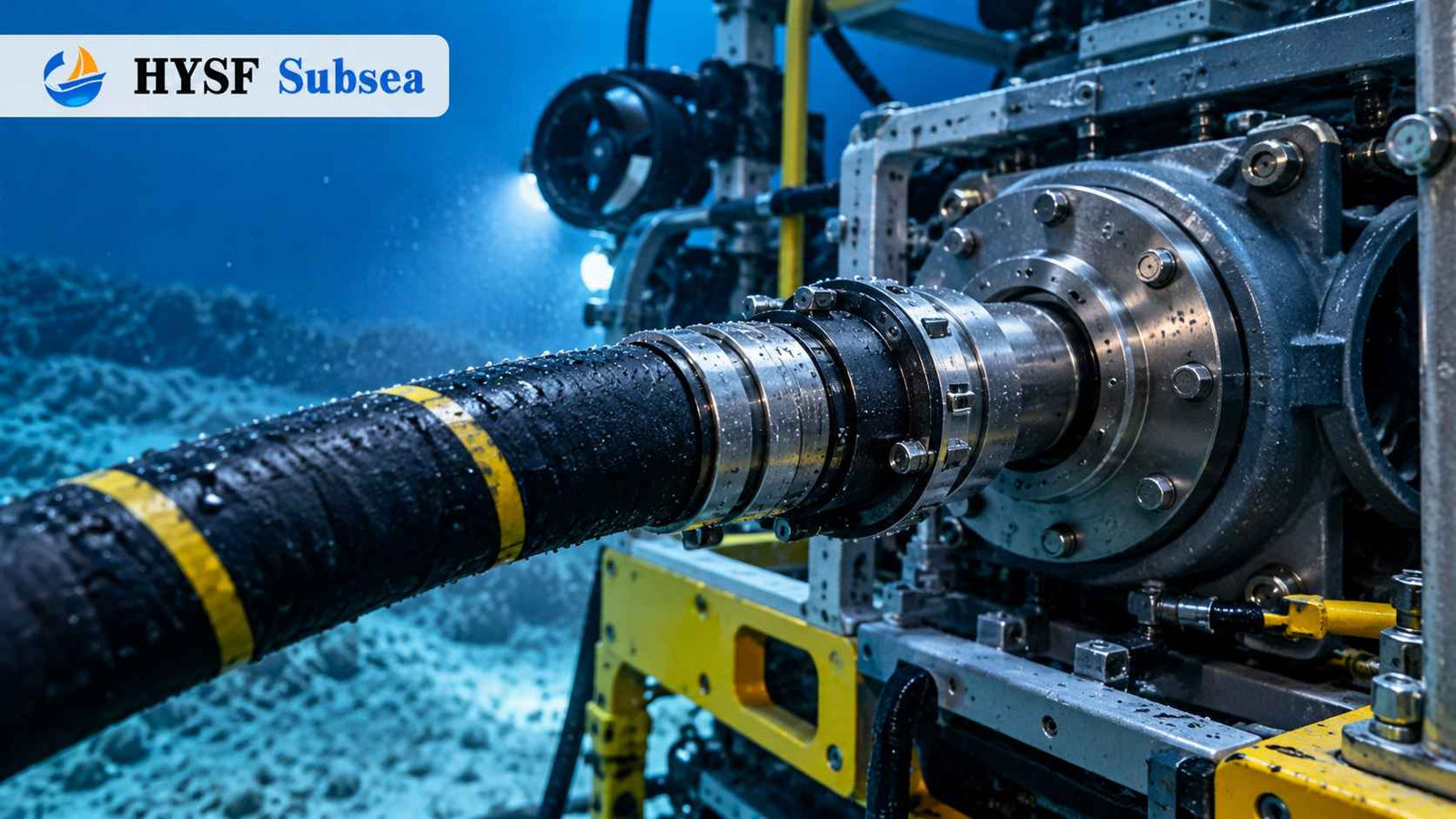
What Is a PBOF Connector? Pressure-Balanced Oil-Filled Cables Explained
Most underwater connectors are designed to keep water out by sealing against it. A PBOF connector takes a different approach. Instead of fighting the pressure of the ocean, it balances against it.
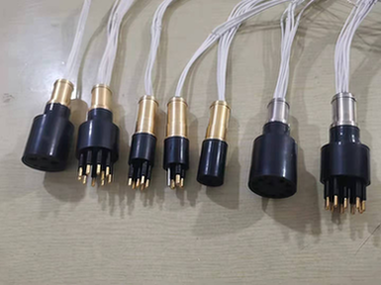
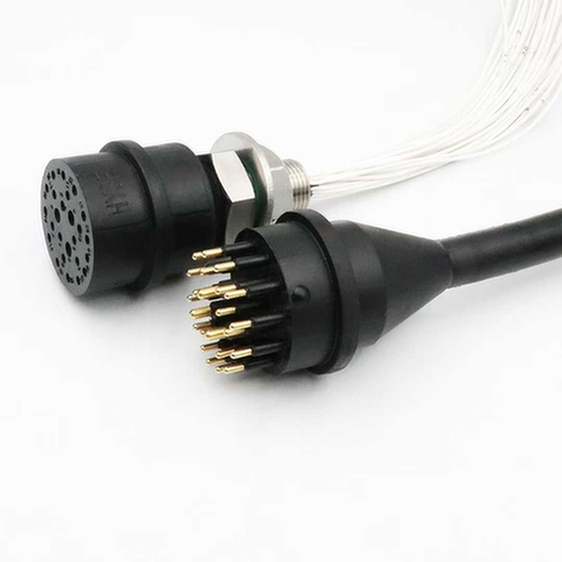
PBOF stands for Pressure-Balanced, Oil-Filled. It’s a design used across ROVs, subsea control systems and long-term offshore installations where cables have to survive high pressure, constant movement and years of immersion. In this guide, we explain how a PBOF connector works, where it makes sense, and what engineers and buyers should check before specifying one.
How a PBOF Connector Works

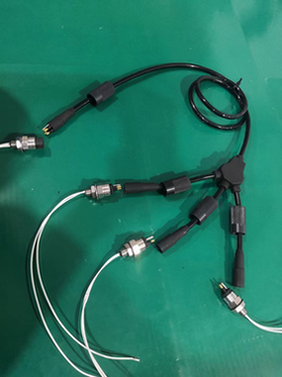
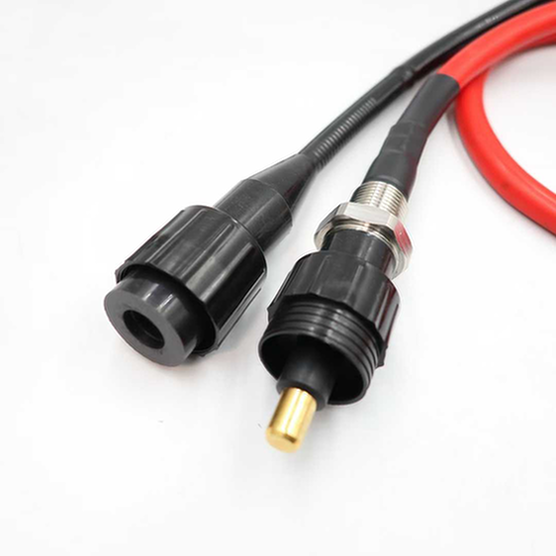
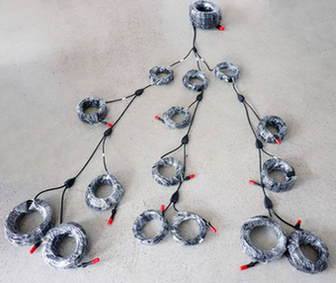
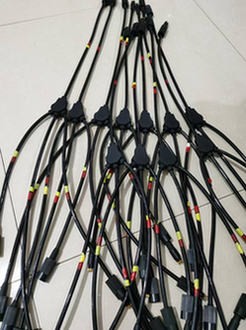
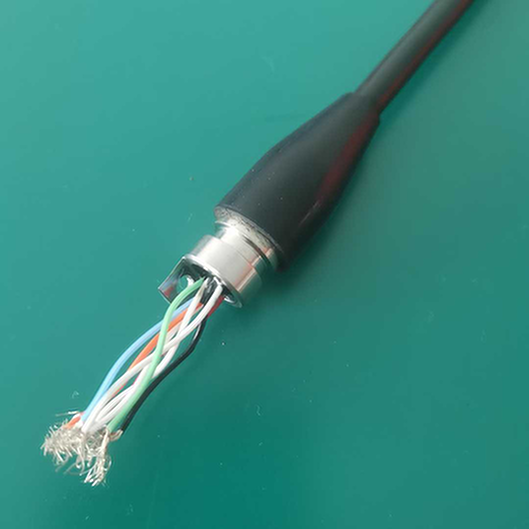
In a standard cable assembly, the conductors run through a solid rubber or polyurethane jacket. In a PBOF assembly, the conductors run inside a flexible hose that is completely filled with an insulating oil, usually a silicone oil or a similar dielectric fluid.
The oil does two jobs at once:
- It insulates the conductors and keeps seawater away from them.
- It transmits outside pressure evenly, because liquids are almost incompressible.
As the system dives, the surrounding water presses on the flexible hose. That pressure passes through the oil, so the pressure inside the assembly stays roughly equal to the pressure outside. Many systems also include a pressure compensator, such as a small bladder, piston or bellows, to absorb changes in oil volume as temperature and depth change.
The result is that the seals and the hose don’t have to resist a large pressure difference. Since pressure in the ocean increases by about one atmosphere for every 10 metres of depth, removing that difference makes a real impact on reliability in deep water.
Why Use a PBOF Connector?

1. Better reliability at depth
Because internal and external pressure are balanced, the seals aren’t being pushed hard from one side. That reduces the risk of slow water ingress, which is one of the most common long-term failure modes in subsea wiring.
2. Protection if the outer hose is damaged
If a solid cable jacket is cut, seawater can travel along the conductors and reach the connector or the electronics inside the housing. In a PBOF assembly, a small leak tends to push oil out rather than let water in, which gives the system time to keep working until the next maintenance window.
3. Flexibility for moving systems
Oil-filled hoses stay flexible and handle repeated bending well. That makes a PBOF connector a natural fit for ROV manipulators, pan-and-tilt units, thrusters and other parts that move during operation.
4. Isolation between housings
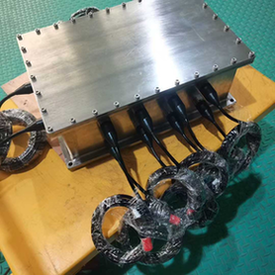
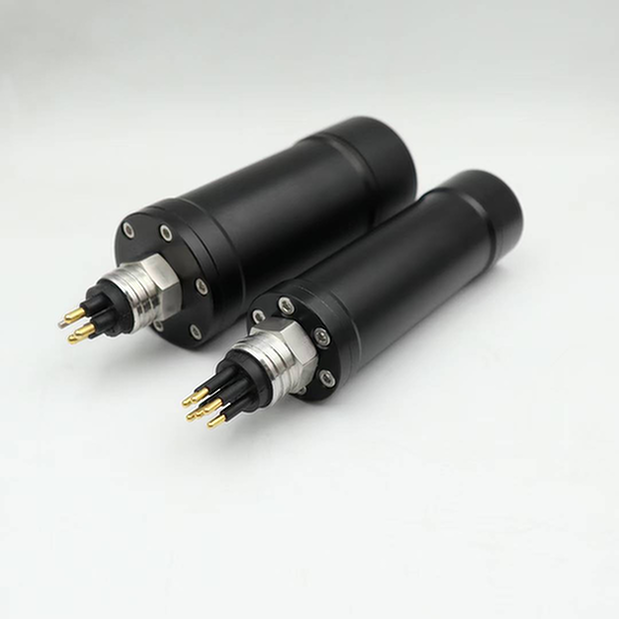
PBOF assemblies can be designed so that a flood in one pressure housing doesn’t travel along the cable into the next one. For systems with several housings, that kind of isolation is valuable protection for expensive electronics.
Where PBOF Connectors Are Used
You’ll find PBOF connector assemblies wherever subsea equipment has to work hard, deep and for a long time:
- Work-class and inspection ROVs, for thrusters, manipulators, cameras and lights
- AUVs and subsea gliders, where weight and long missions matter
- Offshore oil and gas, for subsea control modules, sensors and monitoring systems
- Offshore wind and marine renewables, where equipment stays submerged for years
- Oceanographic observatories and seabed sensors, which may run continuously with little maintenance
- Defense and naval systems, where reliability is not optional
PBOF Connector vs Standard Molded Cable Assembly
| Factor | PBOF connector assembly | Standard molded cable assembly |
|---|---|---|
| Conductor protection | Conductors sit in insulating oil inside a hose | Conductors sealed in a solid jacket |
| Pressure handling | Internal pressure balanced with sea pressure | Jacket and seals resist the full pressure difference |
| If the outer layer is damaged | Oil tends to leak out, slowing water ingress | Water can travel along the conductors |
| Flexibility | High, good for moving parts | Good, depends on jacket material |
| Cost and complexity | Higher, needs filling and sometimes a compensator | Lower, simpler to build and install |
| Best for | Deep, long-term or high-movement systems | General-purpose and shallower applications |
In short, a standard molded assembly is perfectly fine for many applications. A PBOF connector earns its place when depth, movement, mission length or the value of the equipment makes extra protection worth the cost.
What to Check When Specifying a PBOF Connector

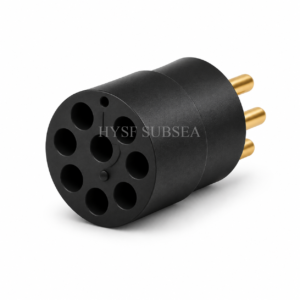
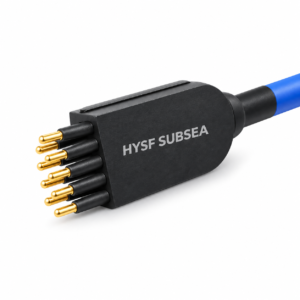
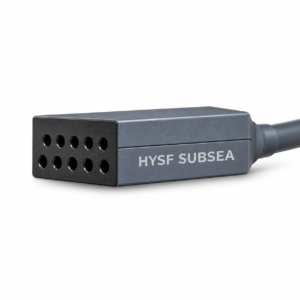
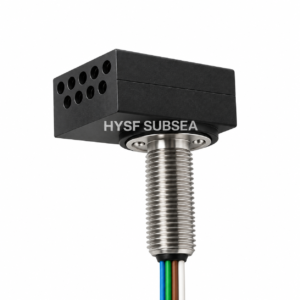
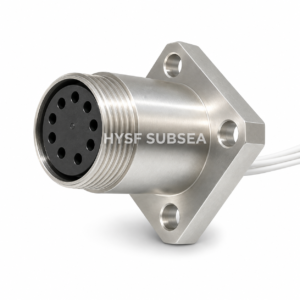
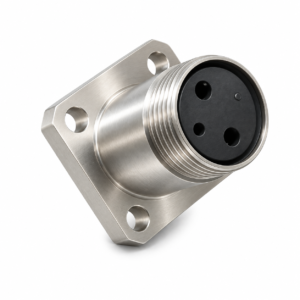
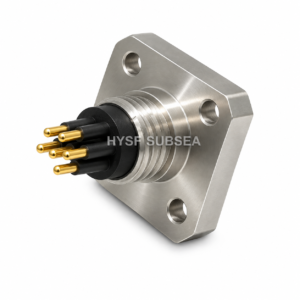
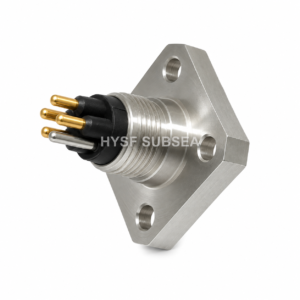
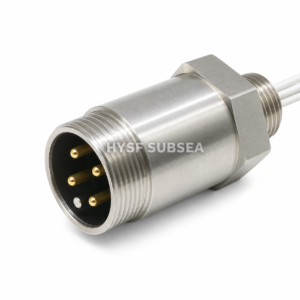
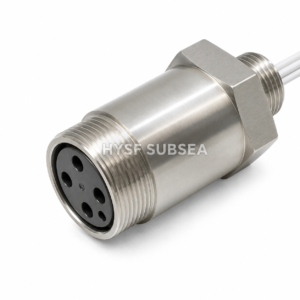
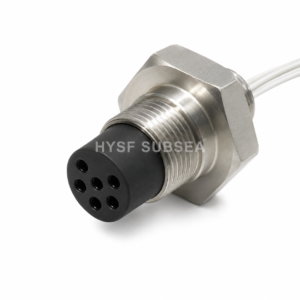
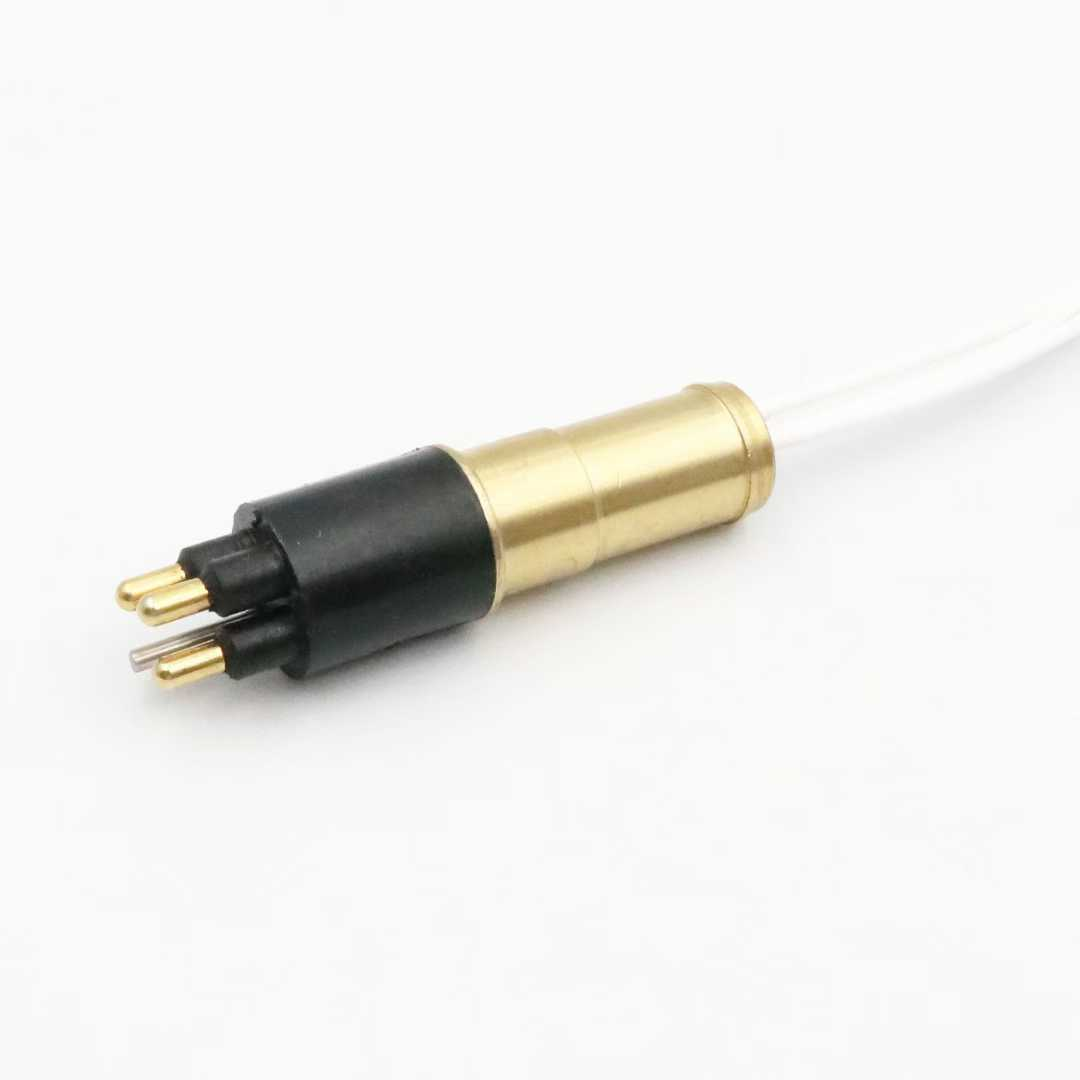
- Interface compatibility. Make sure the connector matches your existing receptacles or bulkheads. HYSF’s MCPBOF micro series sits within its Micro 2-8 Pin family, which uses the standard 7/16-20UNF mounting thread.
- Pin count and electrical ratings. Confirm current per pin, voltage and insulation resistance. For example, HYSF’s micro series is rated at 10A per pin for 2 to 4 pins and 5A per pin for 5 to 8 pins, up to 550V.
- Oil type and compatibility. Check that the oil is compatible with the hose, seals and any other materials it touches, and suitable for your operating temperature range.
- Hose length and routing. Plan the route so the hose isn’t kinked, crushed or rubbing against sharp edges.
- Compensation. Decide whether your system needs a separate compensator, especially for longer hoses or wide temperature changes.
- Pressure testing. Ask for hydrostatic test data. HYSF tests its micro connectors at up to 60 MPa, equivalent to around 6,000 metres of seawater.
- Housing material. For long deployments, choose metal parts that suit the environment, such as 316L stainless steel or titanium.
If you’re not sure which series suits your application, the HYSF Underwater Connector Selector is a quick way to narrow it down.
Installation and Maintenance Tips
- Fill carefully and remove air. Trapped air bubbles compress at depth and can affect pressure balance and insulation.
- Inspect hoses regularly. Look for cuts, abrasion, swelling or signs of oil loss.
- Keep the connector faces clean. Sand, salt and marine growth are common causes of seal problems.
- Follow the mating guidance. Use the correct tools and avoid forcing or over-tightening fittings. The HYSF Installation & Mating Guide covers the basics.
- De-energize before connecting. As a general rule, switch off power before mating or unmating any subsea connector.
When You Need Something Custom
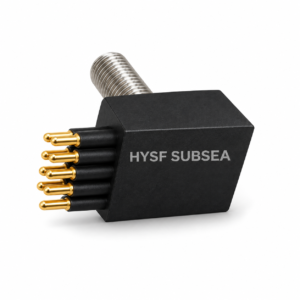
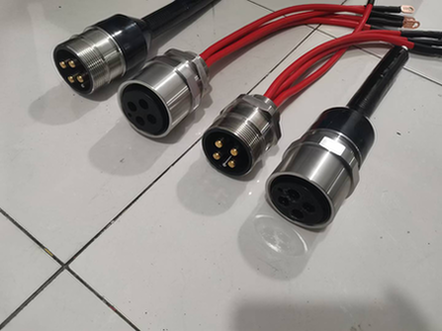
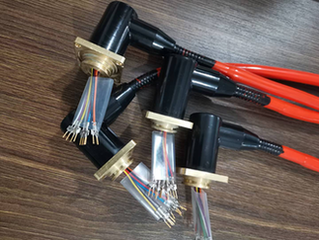
Every subsea system is a little different. You might need a specific hose length, a right-angle exit, a different pin layout or a special material for a long deployment. In those cases, a custom PBOF connector assembly built around your interface is often the simplest answer. HYSF offers custom engineering and OEM/ODM services and specialized underwater cable assemblies for exactly these projects.
Frequently Asked Questions
What does PBOF stand for?
PBOF stands for Pressure-Balanced, Oil-Filled. It describes a cable and connector assembly where the conductors sit in insulating oil inside a flexible hose, so internal pressure stays close to the surrounding sea pressure.
What is a PBOF connector used for?
A PBOF connector is used to connect subsea equipment that operates deep, moves frequently or stays underwater for long periods, such as ROV thrusters and manipulators, subsea control modules and seabed sensors.
What oil is used in PBOF cables?
Most PBOF assemblies use a silicone oil or another dielectric fluid that insulates the conductors and stays stable across the operating temperature range. Always confirm oil compatibility with your hose and seal materials.
Is a PBOF connector better than a standard cable assembly?
Not always. A PBOF connector offers better protection for deep, long-term or high-movement applications, but it’s more complex and costs more. For many general-purpose systems, a standard molded assembly is enough.
Are HYSF PBOF connectors compatible with other brands?
HYSF’s MCPBOF series is part of its micro connector range, which is designed to match standard international interface dimensions. Share your current part numbers with the HYSF team, or use the HYSF Cross Reference Tool, to confirm the right match.
Final Thoughts
A PBOF connector isn’t the answer for every subsea connection, but when depth, movement and long deployments come together, it’s one of the most reliable ways to protect your wiring and your electronics. The key is to match the interface, check the ratings and plan the hose routing and compensation properly from the start.
If you’re planning a project that needs oil-filled connections, contact the HYSF engineering team with your requirements, or download the 2026 catalog to explore the full range.