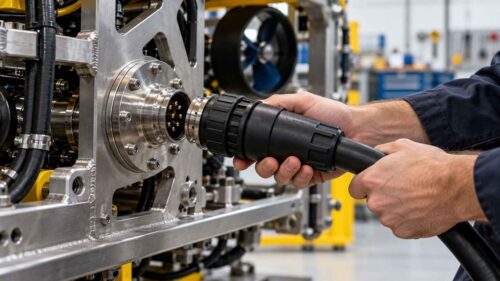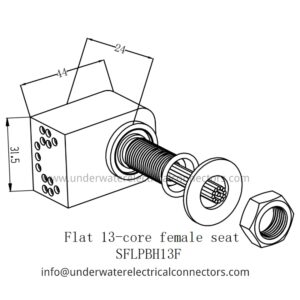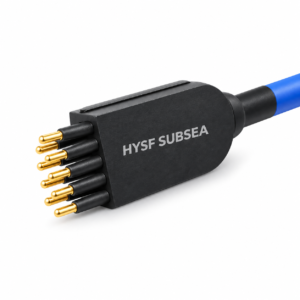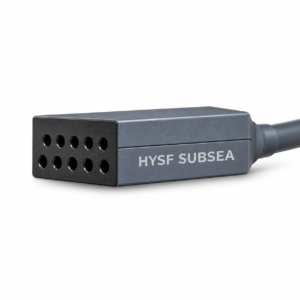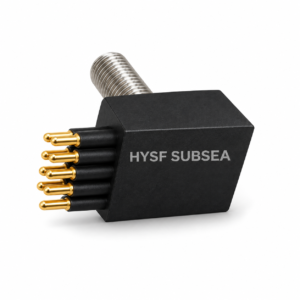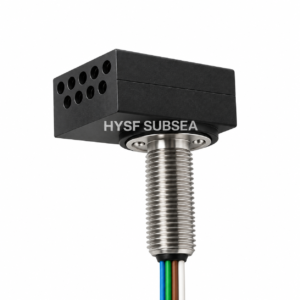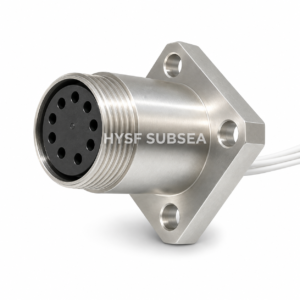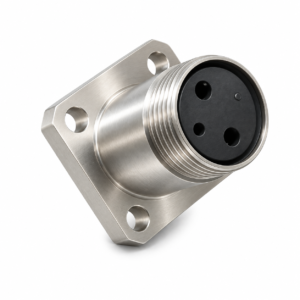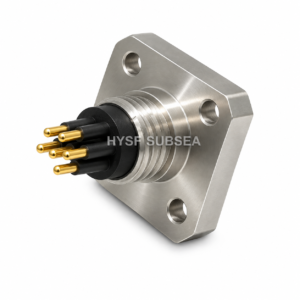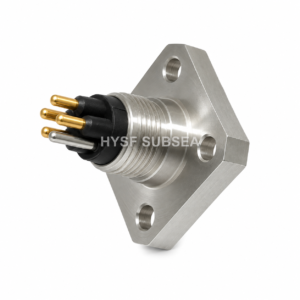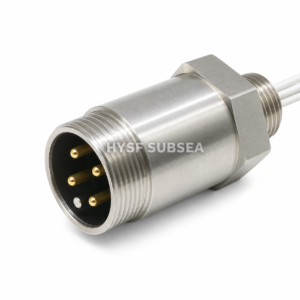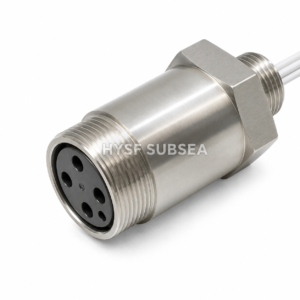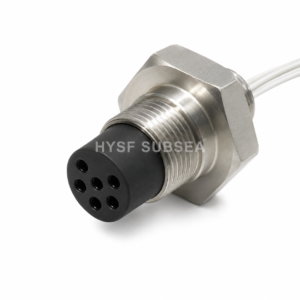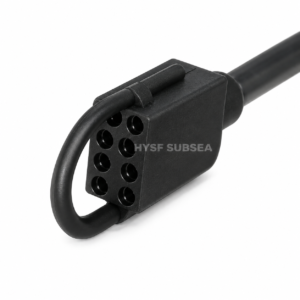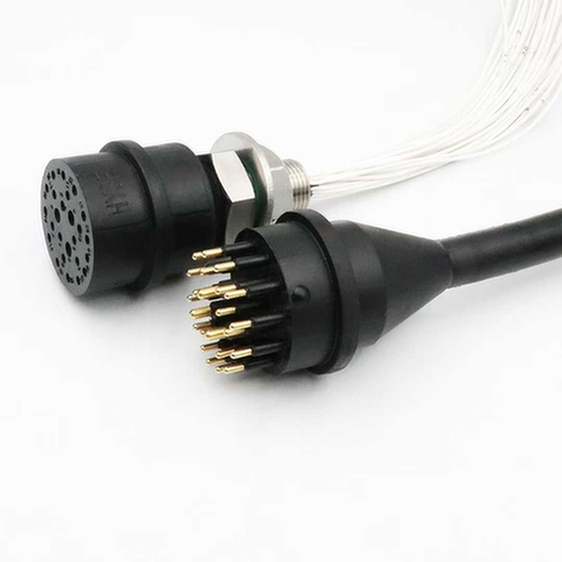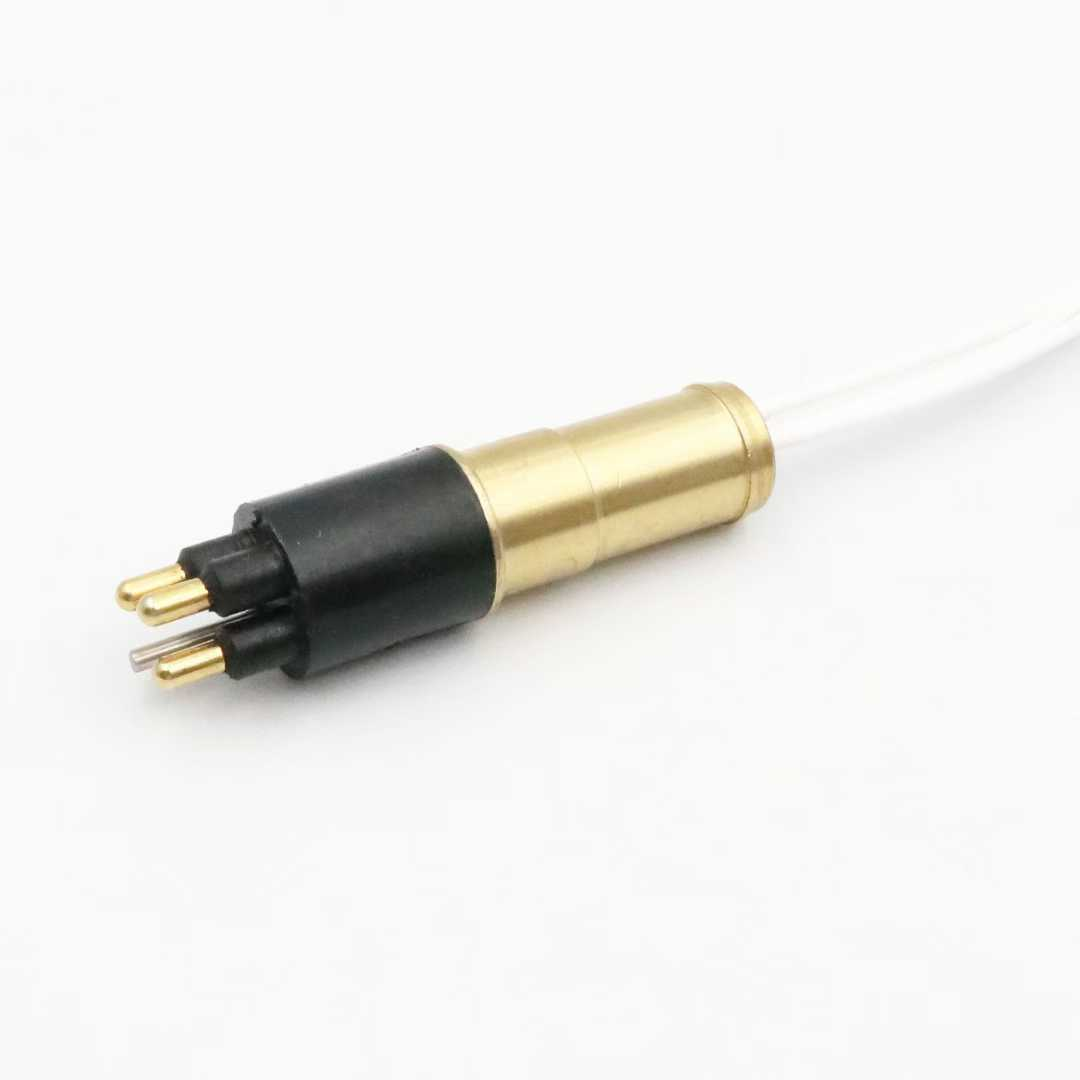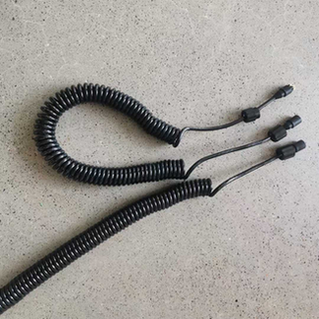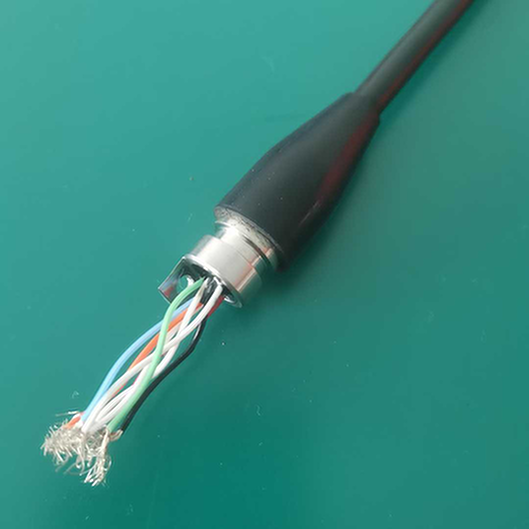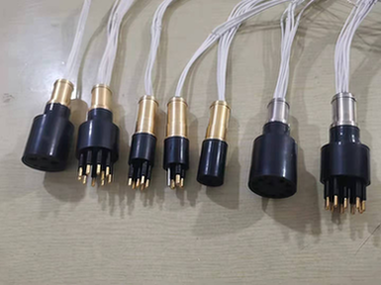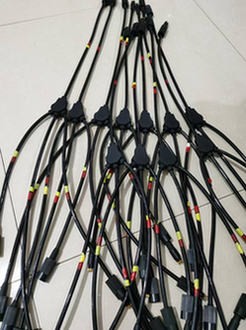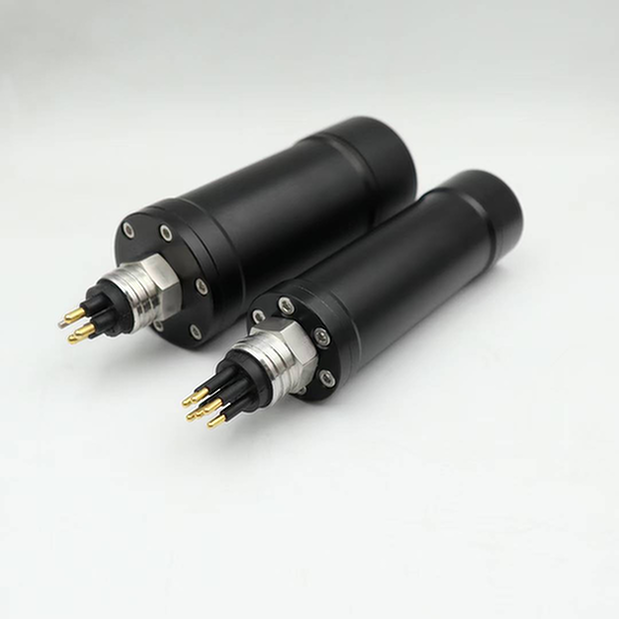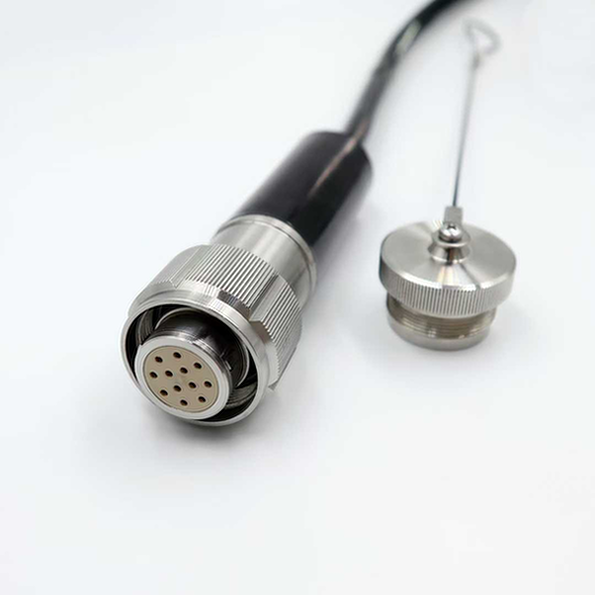
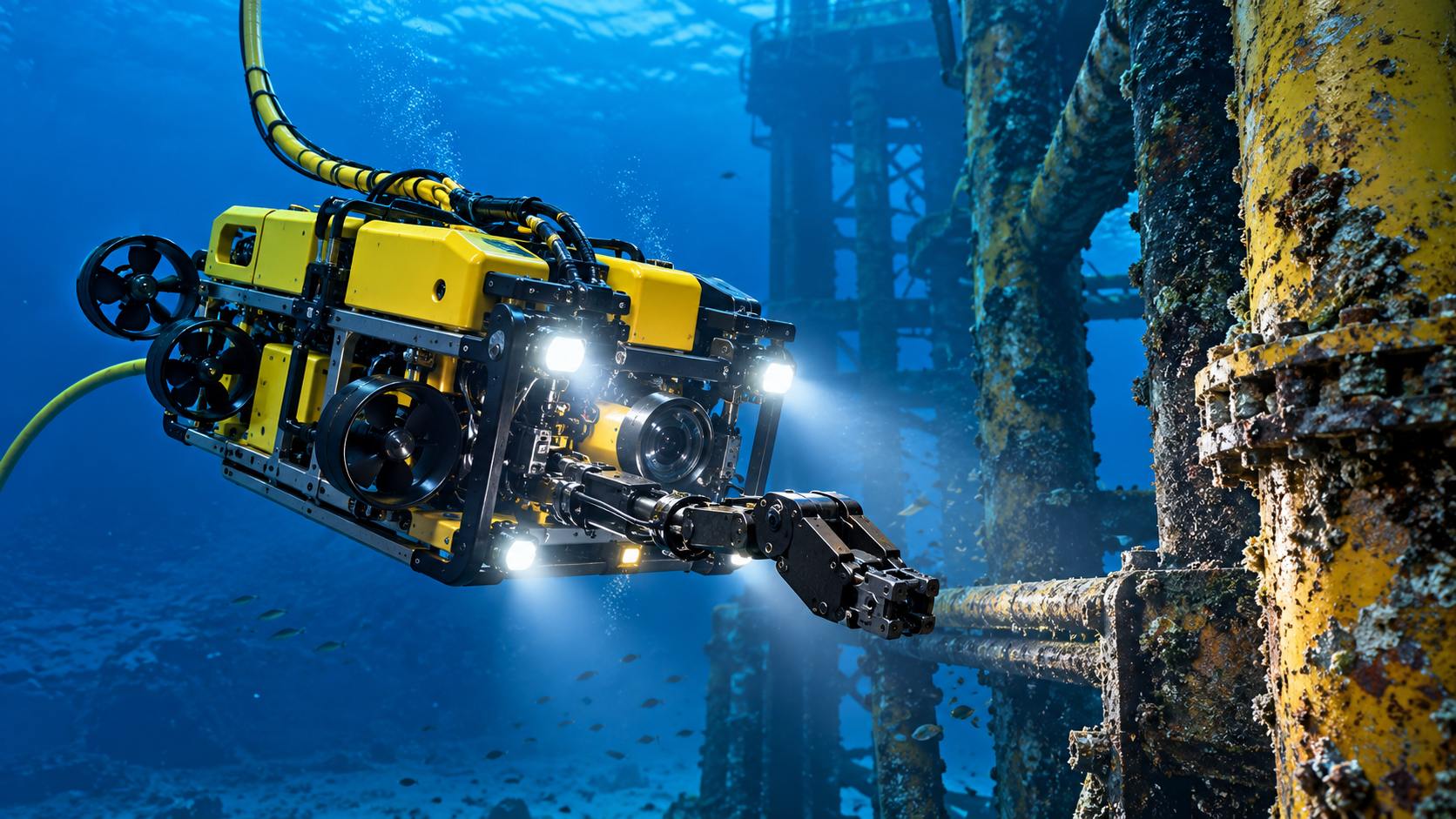
A modern ROV is a small network of systems working together underwater. Thrusters need power, cameras need video links, sensors need data lines, and lights, tools and manipulators all need their own connections. Every one of those links runs through a connector, and each one has to keep working at depth, in salt water, while the vehicle moves and vibrates.
That’s why choosing ROV connectors is about more than finding something waterproof. Engineers need the right connector for each job on the vehicle, and procurement teams need parts that are reliable, available and easy to replace. This guide breaks down the main connector types used on ROVs and AUVs, and what to check for each one.
Why ROV Connectors Matter
On most vehicles, connectors are among the most frequently handled parts. They’re mated and unmated during maintenance, tool changes and payload swaps, and they’re exposed to pressure, abrasion and marine growth on every dive.
A single failed connector can mean a lost camera feed, a dead thruster or a flooded housing, and on an offshore job that can stop a whole operation. Choosing the right ROV connectors at the design stage, and keeping compatible spares on hand, is one of the simplest ways to reduce downtime.
The Main Types of ROV Connectors
Most ROV and AUV systems use a mix of the following connector types.
1. Power connectors for thrusters and tools
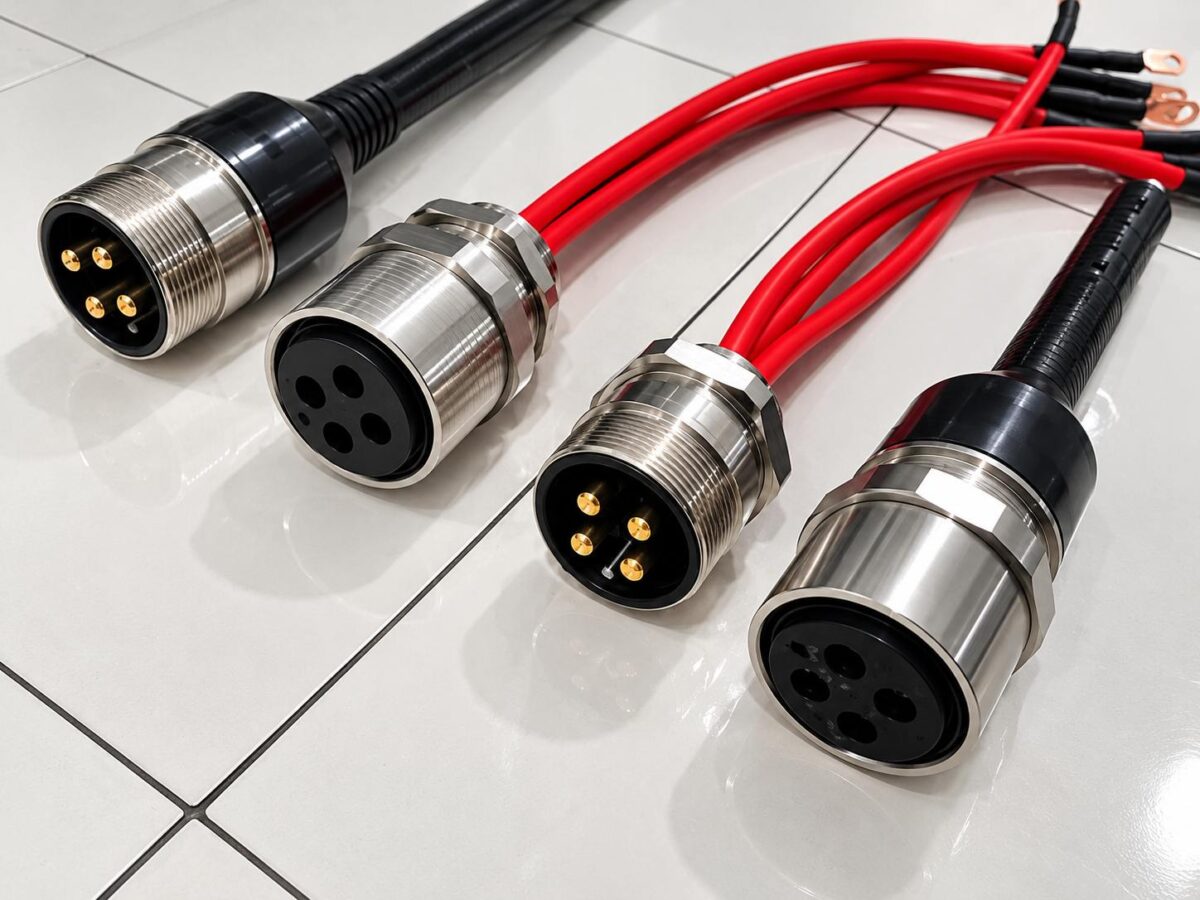
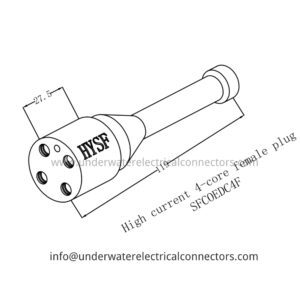
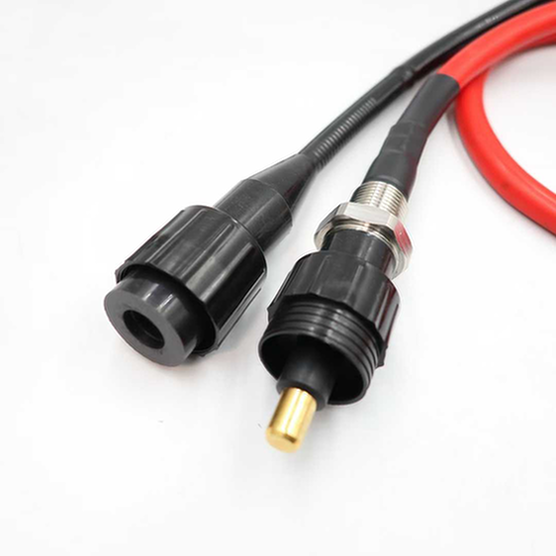
Thrusters, hydraulic power units and electric tools draw the most current on the vehicle. They need connectors with large contacts, low contact resistance and strong strain relief.
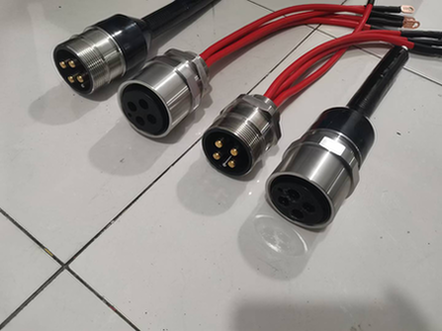
HYSF’s high-current range includes single-pin connectors rated at 150A and 180A, plus multi-pin versions from 25A up to 180A for heavier work-class systems. See the High-Current & High-Power series for details.
2. Signal connectors for sensors and control
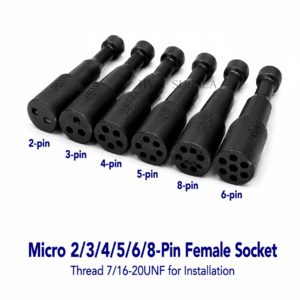
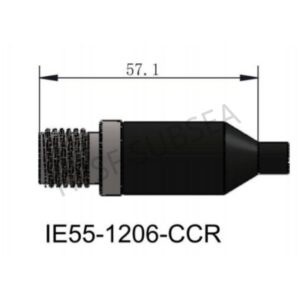
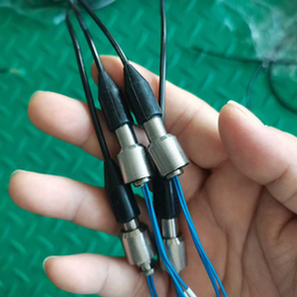
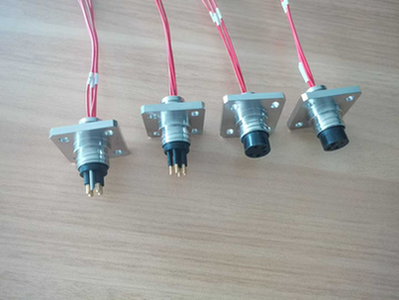
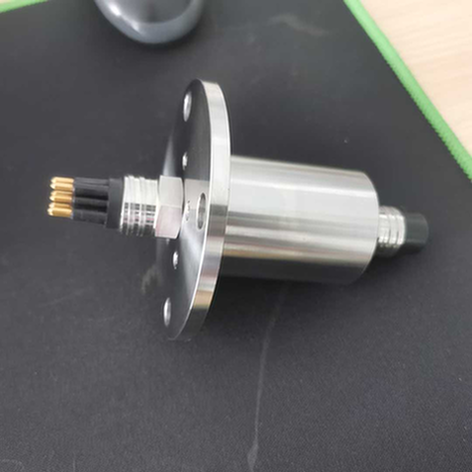
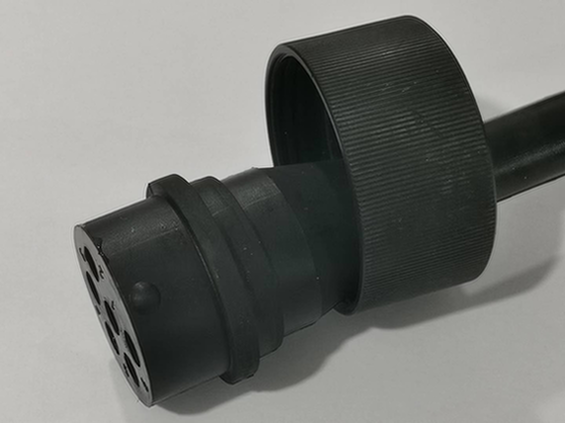
Sensors, compasses, depth gauges and control boards usually need several low-current lines in a small space. Micro circular connectors are the most common choice here because they’re compact, light and wet-mateable.
HYSF’s Micro 2-8 Pin series, for example, carries 10A per pin on 2 to 4-pin versions and 5A per pin on 5 to 8-pin versions, rated up to 550V and pressure tested to 60 MPa.
3. Ethernet connectors for data and HD video
As more ROVs move to IP cameras, sonar and networked sensors, Ethernet has become a standard part of the vehicle. Subsea Ethernet connectors need shielded, twisted-pair layouts so they can carry high-speed data based on IEEE 802.3 Ethernet without interference from nearby power lines.
HYSF’s Gigabit Ethernet cable assemblies come in 8 to 16-pin layouts, with some combining power and network cores in a single connector and options for speeds up to 10 Gbps.
4. Coaxial connectors for analog video and RF
Some cameras, sonar heads and radio systems still use coaxial signals. For these, impedance matching matters, so look for connectors built for 50Ω or 75Ω cables with low signal loss. HYSF offers micro and high-frequency coaxial connectors for 50-3, 50-5 and 75-3 cables.
5. Fiber optic and hybrid connectors
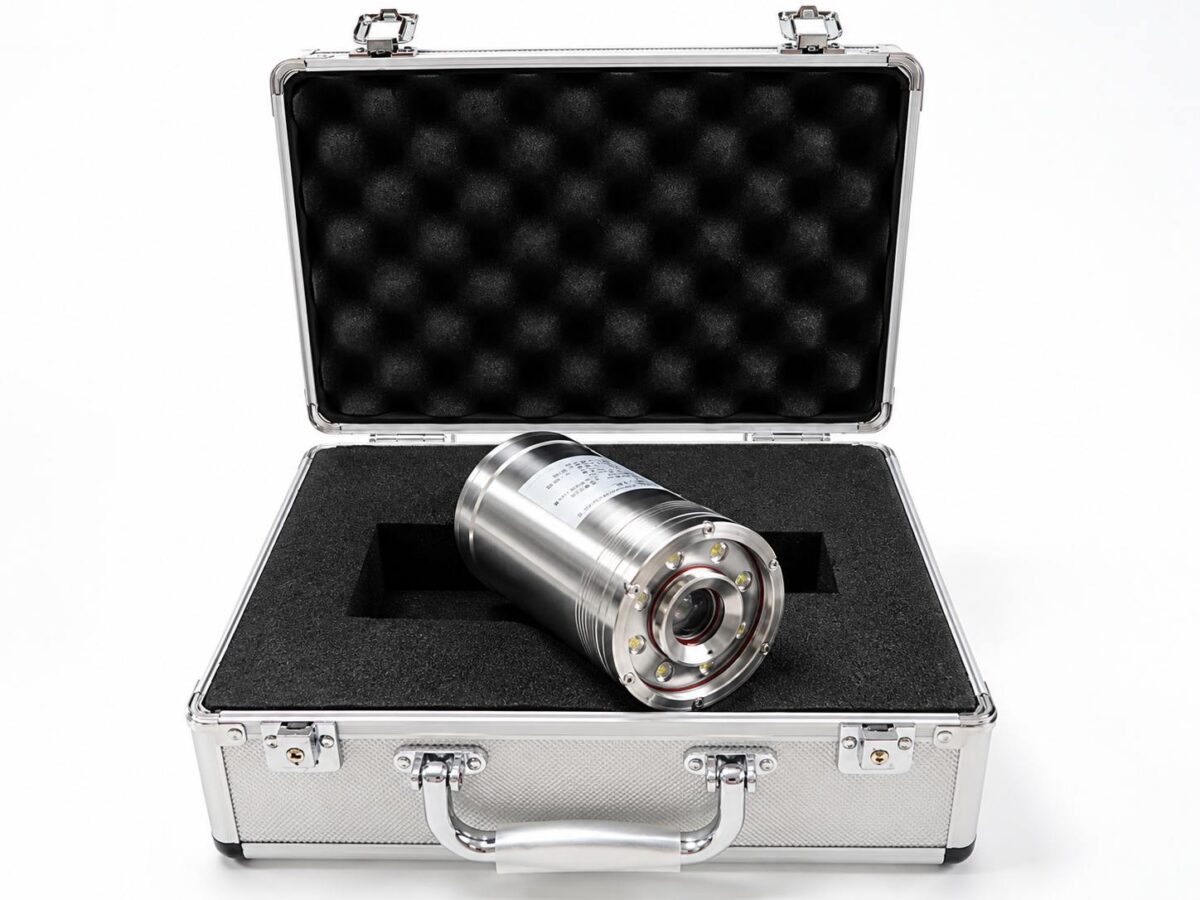
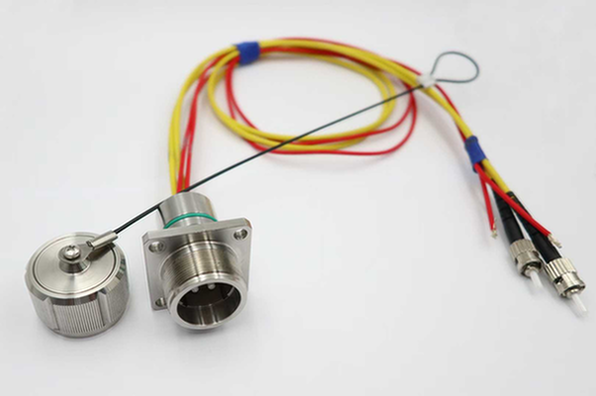
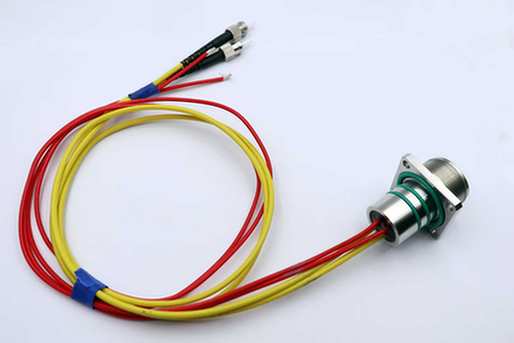
Long tethers and high-bandwidth systems often move data over fiber. Hybrid electro-optical connectors combine fiber and power in one interface, which saves space and reduces the number of penetrations in a housing. HYSF’s metal electro-optical connectors support up to 8 fibers, or mixed fiber and electrical layouts.
Matching ROV Connectors to Vehicle Class
| Vehicle type | Typical depth | Common connector needs |
|---|---|---|
| Observation / mini ROV | Up to a few hundred metres | Micro circular connectors, Ethernet for cameras, compact lights |
| Inspection-class ROV | Hundreds to around 3,000 m | Micro and standard connectors, Ethernet, coaxial, medium-power lines |
| Work-class ROV | Up to 3,000 m and beyond | High-current thruster connectors, fiber or hybrid, PBOF assemblies |
| AUV | Varies widely | Compact, lightweight connectors, often dry-mate inside the hull |
Depth matters because pressure rises by about one atmosphere every 10 metres. For a broader overview of vehicle classes, see this summary of remotely operated underwater vehicles.
What to Check When Selecting ROV Connectors
- Electrical load. Match the current and voltage rating to each circuit, with margin for thruster start-up loads.
- Data needs. Choose Ethernet, coaxial or fiber based on bandwidth, cable length and interference from power lines.
- Depth rating. Ask for hydrostatic test data, not just a datasheet figure.
- Wet-mate or dry-mate. Use wet-mate for anything swapped at sea and dry-mate for permanent connections inside housings. Our guide on wet mate vs dry mate connectors explains the difference.
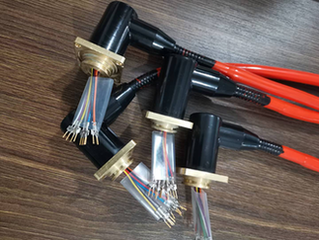
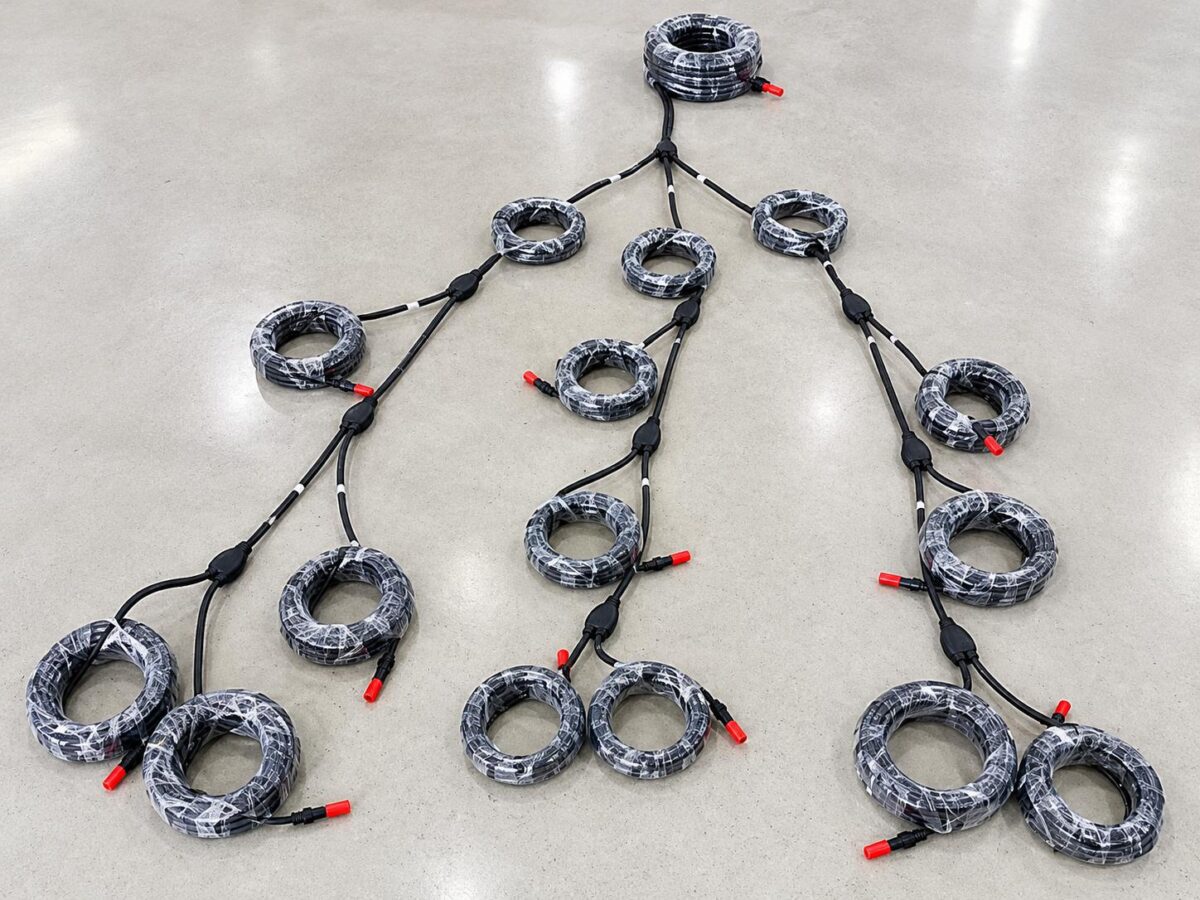
- Movement and flex. For manipulators and pan-and-tilt units, consider right-angle connectors or PBOF connector assemblies.
- Interface compatibility. If your vehicle already uses industry-standard connectors, compatible parts let you replace them without redesign. The HYSF Cross Reference Tool can help you find matches.
- Lead time and spares. Keep spares of your most-used connectors. Standard HYSF connectors typically ship in 7 to 15 days.
Not sure where to start? The HYSF Underwater Connector Selector helps narrow it down by application.
Keeping ROV Connectors in Good Condition
- Rinse connectors with fresh water after every dive.
- Inspect pins, sockets and rubber for cuts, corrosion or swelling.
- Apply a thin layer of silicone grease on wet-mate connectors as recommended.
- Fit dummy plugs on any unused ports.
- Switch off power before mating or unmating connectors.
The HYSF Installation & Mating Guide covers handling best practices in more detail.
Frequently Asked Questions
What are ROV connectors?
ROV connectors are underwater electrical, data or fiber optic connectors used to link the systems on a remotely operated vehicle, such as thrusters, cameras, lights, sensors and tools, while keeping water out at depth.
What type of connector is used for ROV thrusters?
Thrusters typically use high-current power connectors with large contacts and strong strain relief. Current ratings vary by thruster size, from around 25A on small vehicles to 150A or more on work-class systems.
Can I use Ethernet connectors on an ROV?
Yes. Subsea Ethernet connectors are now common on ROVs for IP cameras, sonar and networked sensors. Look for shielded designs with the right pin layout for your data and power needs.
Are wet-mate connectors required on ROVs?
Most external connections on ROVs use wet-mate connectors because tools, cameras and sensors are often swapped in the field. Dry-mate connectors are usually used inside housings.
Can I replace my existing ROV connectors with compatible ones?
Yes. Compatible connectors that match the same interface, thread and pin layout can replace existing parts without changes to your vehicle. Always verify fit with drawings or samples first.
Final Thoughts
The right ROV connectors keep power, data and video flowing reliably on every dive. By matching each connector to its job, checking depth and electrical ratings, and keeping compatible spares on hand, you can cut downtime and protect the rest of your vehicle.
To discuss connectors for your ROV or AUV project, contact the HYSF engineering team or download the 2026 catalog.