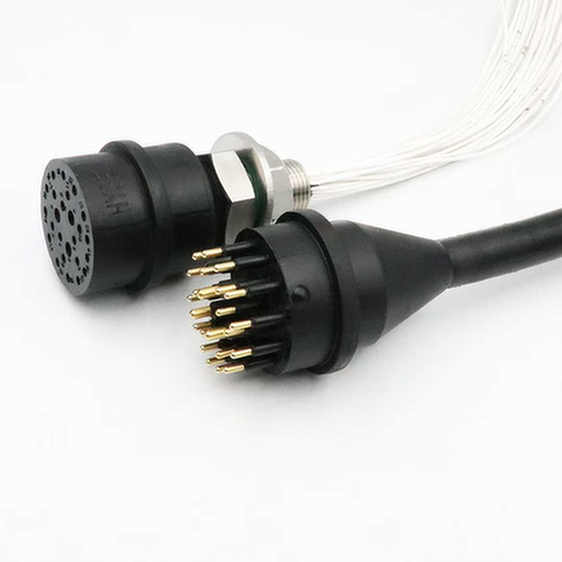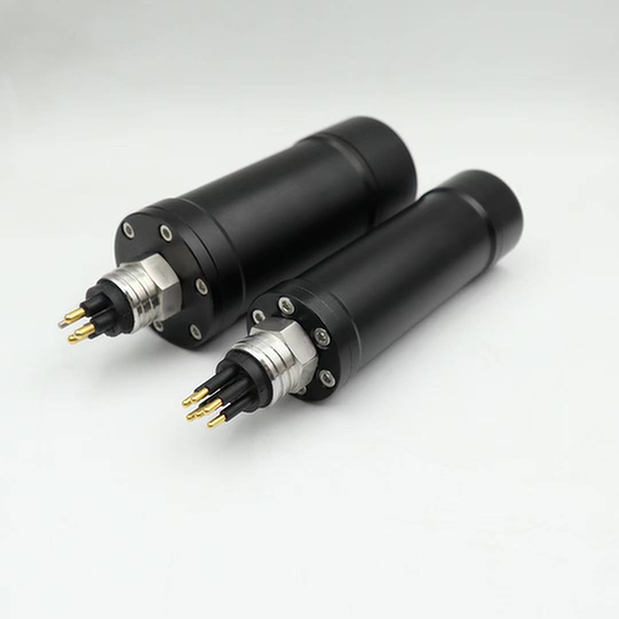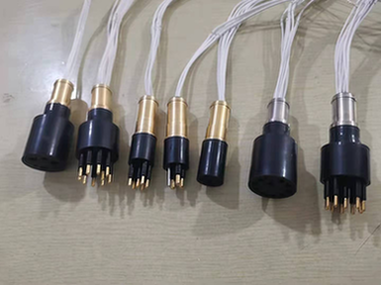
Wet-Mate vs Dry-Mate Underwater Connectors: Complete Technical Comparison & Selection Guide 2026
Исполнительное резюме
Choosing between wet-mate and dry-mate underwater connectors is one of the most critical decisions in subsea system design. This comprehensive technical guide provides detailed comparison, selection criteria, cost-benefit analysis, and real-world application recommendations to help engineers make informed decisions.
Key Comparison Highlights:
| Фактор | Wet-Mate | Dry-Mate | Winner |
|---|---|---|---|
| Mating Environment | Underwater (by diver/ROV) | Dry conditions only | Wet-Mate |
| Unit Cost | $3,000 – $50,000+ | $500 – $8,000 | Dry-Mate |
| Installation Cost | Low (no recovery needed) | High (vessel time) | Wet-Mate |
| Общая стоимость владения | Lower for deep/remote | Lower for shallow/access | Context-dependent |
| Reliability | Excellent (proven tech) | Excellent (simpler design) | Tie |
| Maintenance | Can be replaced underwater | Requires recovery | Wet-Mate |
| Время выполнения | 12-20 weeks | 4-12 weeks | Dry-Mate |
Quick Selection Guide:
Choose Wet-Mate When:
– Depth >200m (diver limitations)
– Remote locations (high vessel costs)
– Frequent reconfiguration needed
– Critical uptime requirements
– ROV operations already planned
Choose Dry-Mate When:
– Shallow water (<50m)
– Easy access (near shore/platform)
– Permanent installations
– Budget-constrained projects
– Short lead time required
Chapter 1: Technology Fundamentals
1.1 What Are Wet-Mate Connectors?
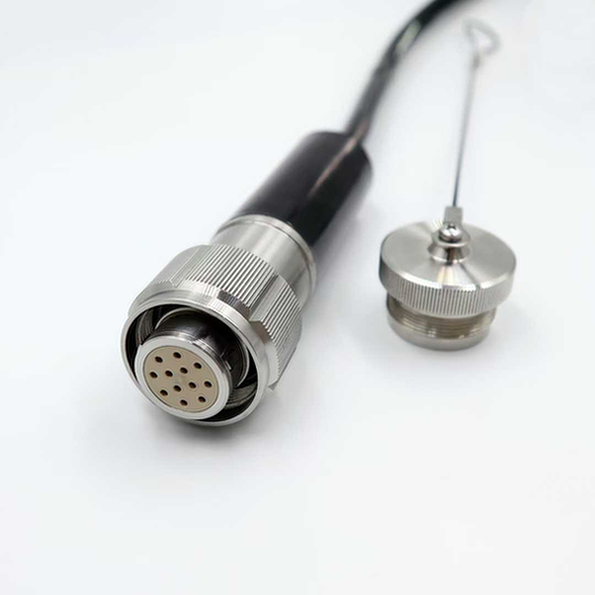
Definition: Wet-mate connectors are designed to be connected and disconnected underwater while submerged, typically by divers (shallow water) or Remotely Operated Vehicles (ROVs) (deep water).
Key Design Features:
Pressure Compensation:
– Oil-filled pressure-balanced design
– Elastomeric diaphragms or pistons
– Internal pressure equals external water pressure
– Prevents housing collapse at depth
Sealing Mechanism:
– Multiple redundant seals (O-rings, face seals)
– Self-cleaning contact interfaces
– Positive pressure barriers
– Contamination tolerance features
Mating System:
– Guided alignment (funnels, pins)
– Positive locking mechanisms
– Visual/tactile confirmation
– ROV tool interface compatibility
Operating Principle:
Wet-Mate Connection Sequence:

1. Approach & Alignment
   └─ ROV/Diver positions connector halves
   └─ Guide funnels engage
   └─ Coarse alignment achieved

2. Engagement
   └─ Mating faces contact
   └─ Primary seals compress
   └─ Water displacement begins

3. Connection
   └─ Contacts mate (electrical/optical)
   └─ Secondary seals engage
   └─ Locking mechanism secures

4. Verification
   └─ Visual confirmation (camera)
   └─ Electrical continuity test
   └─ System ready for operation
1.2 What Are Dry-Mate Connectors?
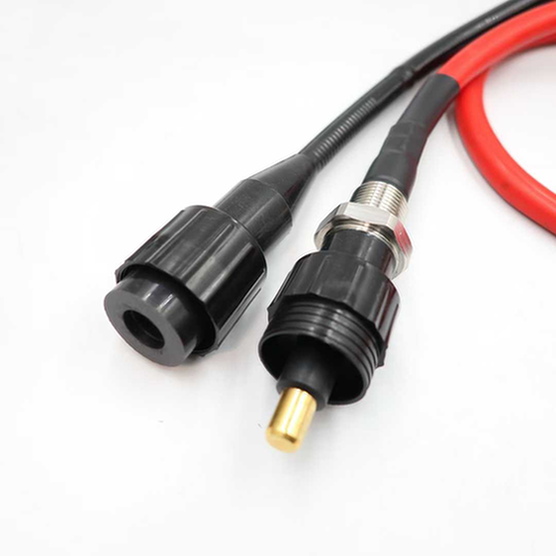
Definition: Dry-mate connectors must be connected in dry conditions and are not designed for underwater mating. Once installed, they remain submerged but cannot be disconnected without recovery to surface.
Key Design Features:
Environmental Sealing:
– Hermetic or near-hermetic sealing
– Multiple O-ring barriers
– Potting compounds (optional)
– Corrosion-resistant materials
Simplified Design:
– No pressure compensation needed
– No underwater mating mechanism
– Fewer moving parts
– Lower complexity
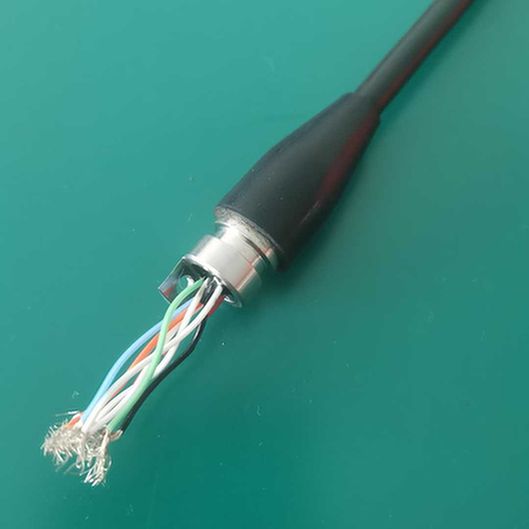
Окончание:
– Factory or field termination
– Requires dry environment
– Specialized tooling
– Test before deployment
Operating Principle:
Dry-Mate Installation Sequence:

1. Surface Preparation
   └─ Connector inspection
   └─ Cable preparation
   └─ Termination (if field)

2. Mating (Dry)
   └─ Clean environment required
   └─ Connect halves
   └─ Verify connection

3. Sealing
   └─ Apply sealant (if required)
   └─ Torque to specification
   └─ Visual inspection

4. Deployment
   └─ Lower to seabed
   └─ Connect to system
   └─ Commission and test
1.3 Historical Development
Wet-Mate Evolution:
| Era | Development | Key Innovation |
|---|---|---|
| 1960s | First wet-mate connectors | Basic electrical, shallow water |
| 1970s | Oil & gas adoption | Pressure compensation |
| 1980s | Fiber optic integration | Hybrid designs emerge |
| 1990s | ROV-mateable designs | Deepwater capability |
| 2000s | Standardization | Industry specifications |
| 2010s | High-power systems | 3kV+ ratings |
| 2020s | Smart connectors | Integrated monitoring |
Dry-Mate Evolution:
| Era | Development | Key Innovation |
|---|---|---|
| 1950s | Early subsea connectors | Basic sealing |
| 1960s | Oil & gas applications | Improved materials |
| 1970s | Standardization begins | API specifications |
| 1980s | Fiber optic versions | Data transmission |
| 1990s | Cost optimization | Manufacturing advances |
| 2000s | Modular designs | Easier installation |
| 2010s | Enhanced reliability | Better materials |
| 2020s | Digital integration | Smart features |
Chapter 2: Technical Comparison
2.1 Design Architecture
Wet-Mate Connector Anatomy:
Wet-Mate Connector Cross-Section:

┌─────────────────────────────────────────┐
│  Housing (Titanium/SS)                  │
│  ┌───────────────────────────────────┐  │
│  │  Pressure Compensation Chamber    │  │
│  │  (Oil-filled, flexible diaphragm) │  │
│  └───────────────────────────────────┘  │
│  ┌───────────────────────────────────┐  │
│  │  Contact Assembly                  │  │
│  │  - Spring-loaded pins             │  │
│  │  - Self-cleaning wipers           │  │
│  │  - Multiple seal barriers         │  │
│  └───────────────────────────────────┘  │
│  ┌───────────────────────────────────┐  │
│  │  Mating Interface                  │  │
│  │  - Guide funnels                  │  │
│  │  - Locking mechanism              │  │
│  │  - ROV tool interface             │  │
│  └───────────────────────────────────┘  │
└─────────────────────────────────────────┘
Dry-Mate Connector Anatomy:
Dry-Mate Connector Cross-Section:

┌─────────────────────────────────────────┐
│  Housing (SS/Aluminum/Plastic)          │
│  ┌───────────────────────────────────┐  │
│  │  Contact Assembly                  │  │
│  │  - Fixed or spring contacts       │  │
│  │  - Single/multiple seal barriers  │  │
│  └───────────────────────────────────┘  │
│  ┌───────────────────────────────────┐  │
│  │  Cable Entry                       │  │
│  │  - Strain relief                  │  │
│  │  - Seal gland                     │  │
│  └───────────────────────────────────┘  │
└─────────────────────────────────────────┘
2.2 Performance Specifications
Electrical Performance:
| Параметр | Wet-Mate | Dry-Mate | Примечания |
|---|---|---|---|
| Номинальное напряжение | 50V – 3,000V | 50V – 5,000V | Dry-mate can achieve higher |
| Текущий рейтинг | 5A – 400A | 5A – 500A | Similar capabilities |
| Сопротивление контактов | <10 mΩ | <5 mΩ | Dry-mate typically lower |
| Сопротивление изоляции | >100 MΩ | >500 MΩ | Dry-mate advantage |
| Dielectric Strength | 2x rated voltage | 3x rated voltage | Both exceed requirements |
Optical Performance:
| Параметр | Wet-Mate | Dry-Mate | Примечания |
|---|---|---|---|
| Insertion Loss | 0.3 – 0.75 dB | 0.2 – 0.5 dB | Dry-mate slightly better |
| Return Loss | >45 dB | >55 dB | Dry-mate advantage |
| Fiber Count | 2 – 48 fibers | 2 – 144 fibers | Dry-mate higher density |
| Contamination Tolerance | Высокий | Низкий | Wet-mate designed for it |
Environmental Performance:
| Параметр | Wet-Mate | Dry-Mate | Примечания |
|---|---|---|---|
| Рейтинг глубины | 100m – 4,000m+ | 100m – 6,000m+ | Both can go very deep |
| Диапазон температур | -40°C to +125°C | -55°C to +150°C | Dry-mate wider range |
| Pressure Rating | 1,000 – 6,000 psi | 1,000 – 9,000 psi | Dry-mate simpler design |
| Salt Spray | 1,000+ hours | 1,000+ hours | Both excellent |
| UV Resistance | Required (surface) | Optional | Wet-mate more exposed |
Mechanical Performance:
| Параметр | Wet-Mate | Dry-Mate | Примечания |
|---|---|---|---|
| Брачные циклы | 500 – 2,000 | 100 – 500 | Wet-mate designed for cycling |
| Mating Force | 50 – 200 N | 20 – 100 N | Wet-mate requires more force |
| Tensile Strength | 500 – 2,000 N | 500 – 3,000 N | Similar capabilities |
| Bend Radius | 10x cable OD | 8x cable OD | Dry-mate slightly better |
| Vibration | MIL-STD-810 | MIL-STD-810 | Both qualified |
2.3 Reliability Comparison
Failure Mode Analysis:
Wet-Mate Failure Modes:
| Failure Mode | Frequency | Последствия | Mitigation |
|---|---|---|---|
| Seal degradation | Низкий | Leakage | Regular inspection, quality seals |
| Contact contamination | Средний | Signal loss | Self-cleaning design, flushing |
| Mating mechanism jam | Низкий | Cannot mate/clear | Proper tooling, training |
| Pressure compensation failure | Very Low | Housing collapse | Redundant systems |
| Locking mechanism failure | Низкий | Accidental unmating | Positive locking, verification |
Dry-Mate Failure Modes:
| Failure Mode | Frequency | Последствия | Mitigation |
|---|---|---|---|
| Seal degradation | Низкий | Leakage | Quality seals, proper installation |
| Cable termination failure | Низкий | Open circuit | Proper training, testing |
| Housing corrosion | Very Low | Structural failure | Material selection, coating |
| Contact corrosion | Very Low | Increased resistance | Sealing, material selection |
| Strain relief failure | Низкий | Cable damage | Proper installation, inspection |
Mean Time Between Failures (MTBF):
| Application | Wet-Mate MTBF | Dry-Mate MTBF | Примечания |
|---|---|---|---|
| Oil & Gas (subsea) | 25+ years | 25+ years | Both excellent |
| Offshore Wind | 20+ years | 20+ years | Similar performance |
| Telecommunications | 25+ years | 25+ years | Proven reliability |
| Scientific | 15+ years | 20+ years | Wet-mate more handling |
| Defense/Naval | 20+ years | 25+ years | Dry-mate less exposure |
2.4 Installation & Maintenance
Wet-Mate Installation:
Process:
1. Deploy connector halves separately
2. ROV/Diver positions and mates underwater
3. Verify connection (visual + electrical)
4. System operational
Time Required:
– Shallow water (diver): 30-60 minutes per connection
– Deep water (ROV): 60-120 minutes per connection
– Vessel time: Minimal (ROV already deployed)
Cost Factors:
– Connector cost: High ($3,000-$50,000+)
– Installation cost: Low (no recovery)
– Total installed cost: Moderate to high
Dry-Mate Installation:
Process:
1. Mate connectors on surface (dry)
2. Test connection
3. Deploy assembled system
4. Connect to infrastructure on seabed
Time Required:
– Surface mating: 15-30 minutes per connection
– Deployment: Varies by depth and system
– Vessel time: Significant (full system deployment)
Cost Factors:
– Connector cost: Low to moderate ($500-$8,000)
– Installation cost: High (vessel time, recovery if issues)
– Total installed cost: Low to moderate
Maintenance Comparison:
| Activity | Wet-Mate | Dry-Mate | Advantage |
|---|---|---|---|
| Inspection | ROV visual (no recovery) | Requires recovery | Wet-Mate |
| Cleaning | ROV wash (in-situ) | Recovery required | Wet-Mate |
| Replacement | Underwater (ROV/diver) | Recovery required | Wet-Mate |
| Testing | Remote electrical test | Recovery for physical | Wet-Mate |
| Refurbishment | Limited (underwater) | Full refurb possible | Dry-Mate |
Chapter 3: Cost Analysis
3.1 Initial Purchase Cost
Wet-Mate Connector Pricing:
| Type | Power Only | Power+Data | Fiber Optic | Hybrid |
|---|---|---|---|---|
| Shallow (<200m) | $3,000-$8,000 | $8,000-$15,000 | $12,000-$25,000 | $15,000-$35,000 |
| Medium (200-1000m) | $5,000-$12,000 | $12,000-$22,000 | $18,000-$35,000 | $22,000-$45,000 |
| Deep (1000-3000m) | $8,000-$20,000 | $18,000-$35,000 | $25,000-$50,000 | $30,000-$60,000+ |
| Ultra-Deep (>3000m) | $15,000-$35,000 | $30,000-$55,000 | $40,000-$75,000 | $50,000-$100,000+ |
Dry-Mate Connector Pricing:
| Type | Power Only | Power+Data | Fiber Optic | Hybrid |
|---|---|---|---|---|
| Shallow (<200m) | $500-$2,000 | $1,500-$4,000 | $2,500-$6,000 | $3,500-$8,000 |
| Medium (200-1000m) | $800-$3,000 | $2,500-$6,000 | $4,000-$10,000 | $5,000-$12,000 |
| Deep (1000-3000m) | $1,500-$5,000 | $4,000-$10,000 | $6,000-$15,000 | $8,000-$20,000 |
| Ultra-Deep (>3000m) | $3,000-$8,000 | $7,000-$15,000 | $10,000-$25,000 | $12,000-$30,000 |
Price Differential:
| Depth | Wet-Mate Premium | Rationale |
|---|---|---|
| Shallow | 4x – 6x | Mating mechanism, pressure compensation |
| Средний | 5x – 7x | Enhanced sealing, ROV compatibility |
| Deep | 5x – 8x | High-pressure design, precision manufacturing |
| Ultra-Deep | 5x – 10x | Exotic materials, extensive testing |
3.2 Installation Cost
Vessel Day Rates (2026):
| Vessel Type | Day Rate | Typical Use |
|---|---|---|
| Diver Support Vessel (DSV) | $50,000-$100,000 | Shallow water (<100m) |
| ROV Support Vessel | $80,000-$150,000 | Medium depth (100-1000m) |
| Construction Vessel | $150,000-$300,000 | Heavy installation |
| Drill Ship | $300,000-$500,000 | Deepwater operations |
Installation Time Comparison:
Scenario: 10 Connector Installations at 500m Depth
Wet-Mate Approach:
Connector deployment: 2 days (separate halves)
ROV mating: 1 day (10 connections × 2 hours + transit)
Testing: 0.5 days
Total vessel time: 3.5 days
Vessel cost: 3.5 × $100,000 = $350,000
Connector cost: 10 × $20,000 = $200,000
Total: $550,000
Dry-Mate Approach:
Surface assembly: 0.5 days (included in system integration)
System deployment: 3 days (complete system)
Connection on seabed: 1 day (10 connections)
Testing: 0.5 days
Total vessel time: 4.5 days
Vessel cost: 4.5 × $100,000 = $450,000
Connector cost: 10 × $4,000 = $40,000
Total: $490,000
Analysis: In this scenario, dry-mate saves $60,000 (11%) on initial installation.
Scenario: Connector Replacement at 500m Depth (Year 5)
Wet-Mate Approach:
ROV mobilization: 2 days
Connector replacement: 1 day (ROV unmating + mating)
Testing: 0.5 days
Total vessel time: 3.5 days
Vessel cost: 3.5 × $100,000 = $350,000
Connector cost: 1 × $20,000 = $20,000
Total: $370,000
Dry-Mate Approach:
System recovery: 3 days
Surface repair: 2 days (includes connector replacement)
System redeployment: 3 days
Testing: 0.5 days
Total vessel time: 8.5 days
Vessel cost: 8.5 × $100,000 = $850,000
Connector cost: 1 × $4,000 = $4,000
Total: $854,000
Analysis: For replacement, wet-mate saves $484,000 (57%) – a massive difference.
3.3 Total Cost of Ownership (TCO)
10-Year TCO Model:
Assumptions:
– 10 connector installations
– 500m depth
– 2 connector failures requiring replacement over 10 years
– Annual inspection required
– Vessel rate: $100,000/day
Wet-Mate TCO:
| Cost Component | Year 0 | Years 1-10 | Total |
|---|---|---|---|
| Connector purchase | $200,000 | $40,000 (2 replacements) | $240,000 |
| Initial installation | $350,000 | – | $350,000 |
| Replacement installation | – | $700,000 (2 × $350K) | $700,000 |
| Annual inspection | – | $100,000 (10 × $10K) | $100,000 |
| Total | $550,000 | $840,000 | $1,390,000 |
Dry-Mate TCO:
| Cost Component | Year 0 | Years 1-10 | Total |
|---|---|---|---|
| Connector purchase | $40,000 | $8,000 (2 replacements) | $48,000 |
| Initial installation | $450,000 | – | $450,000 |
| Replacement installation | – | $1,700,000 (2 × $850K) | $1,700,000 |
| Annual inspection | – | $200,000 (10 × $20K recovery) | $200,000 |
| Total | $490,000 | $1,908,000 | $2,398,000 |
TCO Comparison:
| Metric | Wet-Mate | Dry-Mate | Difference |
|---|---|---|---|
| Initial Cost | $550,000 | $490,000 | Wet-mate +$60K |
| 10-Year TCO | $1,390,000 | $2,398,000 | Wet-mate -$1,008K |
| TCO Advantage | – | – | Wet-mate saves $1M (42%) |
Key Insight: While wet-mate connectors cost more upfront, the ability to replace and maintain underwater without system recovery results in significantly lower total cost of ownership for applications where access is difficult or expensive.
3.4 Break-Even Analysis
When Does Wet-Mate Become Cost-Effective?
Break-Even Formula:
Break-Even Point = (Wet-Mate Premium) / (Dry-Mate Recovery Cost - Wet-Mate ROV Cost)

Where:
- Wet-Mate Premium = Wet-Mate connector cost - Dry-Mate connector cost
- Dry-Mate Recovery Cost = Vessel days for recovery × day rate
- Wet-Mate ROV Cost = Vessel days for ROV work × day rate
Example Calculation:
| Параметр | Value |
|---|---|
| Wet-Mate connector cost | $20,000 |
| Dry-Mate connector cost | $4,000 |
| Wet-Mate Premium | $16,000 |
| Dry-Mate recovery (days) | 8 days |
| Wet-Mate ROV work (days) | 3 days |
| Vessel day rate | $100,000 |
| Dry-Mate Recovery Cost | $800,000 |
| Wet-Mate ROV Cost | $300,000 |
| Cost Difference per Event | $500,000 |
Break-Even: $16,000 / $500,000 = 0.032 events
Interpretation: Wet-mate becomes cost-effective if there’s even a 3.2% probability of needing underwater intervention over the system life. For most subsea applications, this threshold is easily exceeded.
Break-Even by Depth:
| Depth | Wet-Mate Premium | Break-Even Probability | Recommendation |
|---|---|---|---|
| <50m | $10,000 | 5% | Dry-mate often suitable |
| 50-200m | $15,000 | 3% | Evaluate case-by-case |
| 200-1000m | $20,000 | 2% | Wet-mate usually better |
| >1000m | $30,000+ | 1% | Wet-mate strongly preferred |
Chapter 4: Selection Criteria
4.1 Decision Framework
Step 1: Define Application Requirements
| Question | Wet-Mate Indicator | Dry-Mate Indicator |
|---|---|---|
| What is the water depth? | >200m | <50m |
| Is ROV already planned? | Yes | No |
| Will reconfiguration be needed? | Yes | No |
| Is uptime critical? | Yes | No |
| Is access difficult/expensive? | Yes | No |
| Is budget constrained? | No | Yes |
| Is lead time critical? | No | Yes |
Step 2: Evaluate Operational Scenarios
Scenario Analysis:
| Scenario | Frequency | Wet-Mate Value | Dry-Mate Value |
|---|---|---|---|
| Initial installation | Once | Moderate | Moderate |
| Routine inspection | Ежегодно | High (no recovery) | Low (recovery) |
| Connector replacement | Rare (1-2× life) | Very High | Very Low |
| System upgrade | Possible | Высокий | Низкий |
| Emergency repair | Rare but critical | Critical | Problematic |
Step 3: Calculate TCO
Use the TCO model from Section 3.3 to compare total costs over expected system life.
Step 4: Make Decision
Consider TCO, risk tolerance, operational flexibility, and strategic factors.
4.2 Application-Specific Recommendations
Offshore Wind:
| Application | Recommendation | Rationale |
|---|---|---|
| Turbine-to-array cable | Wet-Mate | ROV already deployed, future maintenance |
| Array-to-substation | Wet-Mate | High value, critical connection |
| Substation export | Dry-Mate | Permanent, accessible during installation |
| Floating wind mooring | Wet-Mate | Dynamic, may need adjustment |
| Monitoring systems | Wet-Mate | Sensor replacement likely |
Oil & Gas:
| Application | Recommendation | Rationale |
|---|---|---|
| Subsea tree | Wet-Mate | Critical, expensive recovery |
| Manifold connections | Wet-Mate | Multiple connections, future work |
| Pipeline end termination | Wet-Mate | Remote location |
| Umbilical termination | Wet-Mate | Complex, expensive |
| Shallow water wells | Dry-Mate | Accessible, cost-sensitive |
Telecommunications:
| Application | Recommendation | Rationale |
|---|---|---|
| Cable landing | Dry-Mate | Accessible, permanent |
| Branching unit | Wet-Mate | Deep water, critical |
| Cable repair | Wet-Mate | Emergency response |
| Repeater connections | Wet-Mate | Deep water, powered |
Scientific/Research:
| Application | Recommendation | Rationale |
|---|---|---|
| Observatory nodes | Wet-Mate | Frequent instrument changes |
| Sensor networks | Wet-Mate | Regular maintenance |
| AUV charging | Wet-Mate | Repeated mating |
| Permanent installations | Dry-Mate | Cost-effective for static |
Defense/Naval:
| Application | Recommendation | Rationale |
|---|---|---|
| Submarine systems | Wet-Mate | Operational flexibility |
| UUV charging | Wet-Mate | Repeated operations |
| Harbor installations | Dry-Mate | Accessible, permanent |
| Deep surveillance | Wet-Mate | Remote, critical |
4.3 Risk Assessment
Wet-Mate Risks:
| Risk | Probability | Воздействие | Mitigation |
|---|---|---|---|
| Mating failure | Низкий | Высокий | Proper tooling, training, backup |
| Seal failure | Низкий | Высокий | Quality components, inspection |
| Contamination | Средний | Средний | Self-cleaning design, flushing |
| Cost overrun | Средний | Средний | Accurate estimating, contingency |
Dry-Mate Risks:
| Risk | Probability | Воздействие | Mitigation |
|---|---|---|---|
| Installation damage | Средний | Высокий | Careful handling, testing |
| Future access needed | Средний | Very High | TCO analysis, scenario planning |
| Seal degradation | Низкий | Высокий | Quality seals, inspection program |
| Single point of failure | Низкий | Высокий | Redundancy, sparing strategy |
4.4 Hybrid Approaches
Combining Wet-Mate and Dry-Mate:
In some applications, a hybrid approach optimizes cost and flexibility:
Example: Offshore Wind Farm
Turbine Level:
├─ Turbine-to-Junction: Wet-Mate (future flexibility)
└─ Junction Box Internal: Dry-Mate (protected, permanent)

Array Level:
├─ Junction-to-Substation: Wet-Mate (critical, expensive recovery)
└─ Substation Internal: Dry-Mate (accessible platform)

Export Level:
└─ Substation-to-Shore: Dry-Mate (permanent cable)
Benefits:
– Wet-mate where flexibility matters
– Dry-mate where permanent and accessible
– Optimized total cost
– Balanced risk profile
Chapter 5: Installation Best Practices
5.1 Wet-Mate Installation
Pre-Installation:
- Connector Inspection
- Visual examination for damage
- Seal condition check
- Contact inspection (if accessible)
- Documentation review
- ROV Preparation
- Tool calibration
- Camera focus and lighting
- Manipulator function test
- Backup tooling ready
- Site Survey
- Seabed conditions
- Obstacle identification
- Current conditions
- Visibility assessment
Installation Process:
Step 1: Deploy Receptacle (Fixed Half)
├─ Lower to seabed
├─ Position and secure
├─ Verify orientation
└─ Document location

Step 2: Deploy Plug (Mating Half)
├─ Lower with ROV
├─ Approach receptacle
├─ Align using guides
└─ Engage partially

Step 3: Mate Connectors
├─ Final alignment
├─ Push to mate (50-200N force)
├─ Verify lock engagement
└─ Visual confirmation

Step 4: Test Connection
├─ Electrical continuity
├─ Insulation resistance
├─ Optical loss (if fiber)
└─ Document results
Post-Installation:
- Photograph connection
- Record GPS coordinates
- Log installation data
- Update as-built drawings
5.2 Dry-Mate Installation
Pre-Installation:
- Environment Preparation
- Clean, dry workspace
- Proper lighting
- ESD protection (if needed)
- Tool calibration
- Connector Preparation
- Unpack and inspect
- Clean mating surfaces
- Verify seal condition
- Check documentation
- Cable Preparation
- Cut to length
- Strip and prepare conductors
- Clean and inspect
- Verify specifications
Installation Process:
Step 1: Terminate Cable (if field termination)
├─ Follow manufacturer procedure
├─ Use proper tooling
├─ Verify termination quality
└─ Test individual connections

Step 2: Mate Connectors
├─ Align halves carefully
├─ Push together firmly
├─ Engage locking mechanism
└─ Torque to specification

Step 3: Seal (if required)
├─ Apply sealant per procedure
├─ Cure per specifications
├─ Inspect seal quality
└─ Document completion

Step 4: Test Assembly
├─ Continuity test
├─ Insulation resistance
├─ Hi-pot test (if required)
├─ Optical test (if fiber)
└─ Document all results
Deployment:
- Protect connectors during handling
- Avoid excessive bending
- Monitor during deployment
- Verify after installation
5.3 Common Mistakes to Avoid
Wet-Mate Mistakes:
| Ошибка | Последствия | Профилактика |
|---|---|---|
| Insufficient ROV training | Mating failure | Proper training, practice |
| Poor visibility | Misalignment | Schedule in good conditions |
| Wrong tooling | Damage | Use manufacturer-approved tools |
| Skipping inspection | Seal failure | Follow inspection checklist |
| Rushing procedure | Incomplete mating | Follow step-by-step procedure |
Dry-Mate Mistakes:
| Ошибка | Последствия | Профилактика |
|---|---|---|
| Contaminated surfaces | Seal failure | Clean environment, wipe surfaces |
| Improper torque | Leakage or damage | Use torque wrench, follow specs |
| Cable strain | Termination failure | Proper strain relief |
| Skipping tests | Undetected defects | Follow test procedure |
| Poor documentation | Future problems | Record all steps and results |
Chapter 6: Maintenance & Troubleshooting
6.1 Wet-Mate Maintenance
Routine Inspection:
| Frequency | Activity | Method |
|---|---|---|
| Ежегодно | Visual inspection | ROV camera |
| Ежегодно | Electrical test | Remote testing |
| 3 years | Detailed inspection | ROV with tools |
| 5 years | Performance verification | Full testing |
| 10 years | Refurbishment consideration | Evaluate condition |
Cleaning Procedures:
- ROV Wash-Down
- Use fresh water if available
- Gentle pressure (<2000 psi)
- Remove debris and marine growth
- Avoid direct spray on mating face
- Brush Cleaning
- Soft brush for stubborn growth
- Avoid scratching surfaces
- Focus on non-critical areas
- Rinse thoroughly
Troubleshooting:
| Симптом | Possible Cause | Solution |
|---|---|---|
| High contact resistance | Contamination | ROV flush, remate |
| Intermittent connection | Incomplete mating | ROV remate, verify lock |
| Insulation failure | Seal damage | Replace connector |
| Optical loss high | Contamination | ROV clean, remate |
| Cannot mate | Obstruction/damage | ROV inspect, clear/replace |
6.2 Dry-Mate Maintenance
Routine Inspection:
| Frequency | Activity | Method |
|---|---|---|
| Ежегодно | Remote electrical test | Shore-based testing |
| 3 years | Visual (if accessible) | Diver/ROV |
| 5 years | Performance review | System analysis |
| 10 years | Refurbishment/replace | Evaluate economics |
Troubleshooting:
| Симптом | Possible Cause | Solution |
|---|---|---|
| Open circuit | Cable/termination failure | Recovery and repair |
| High resistance | Corrosion/loose connection | Recovery and repair |
| Insulation failure | Seal degradation | Recovery and repair |
| Intermittent | Cable damage | Recovery and inspection |
Note: Dry-mate troubleshooting almost always requires recovery, emphasizing the importance of wet-mate for applications where access is difficult.
Заключение
The choice between wet-mate and dry-mate underwater connectors depends on application requirements, depth, access considerations, and total cost of ownership. While wet-mate connectors command a premium price (4-10× dry-mate), their ability to be mated, unmated, and replaced underwater often results in lower total cost for deepwater, remote, or critical applications.
Key Takeaways:
- Depth matters – Wet-mate becomes increasingly advantageous beyond 200m
- TCO trumps initial cost – Consider full lifecycle, not just purchase price
- Access is critical – Difficult/expensive access favors wet-mate
- Flexibility has value – Future reconfiguration capability is worth paying for
- Risk mitigation – Wet-mate reduces recovery risk for critical systems
Decision Summary:
| Тип приложения | Recommended Choice | Key Reason |
|---|---|---|
| Deepwater oil & gas | Wet-Mate | Recovery cost prohibitive |
| Offshore wind (turbine) | Wet-Mate | ROV deployed, future maintenance |
| Shallow water, accessible | Dry-Mate | Cost-effective, simple |
| Telecommunications (deep) | Wet-Mate | Critical, expensive recovery |
| Scientific observatories | Wet-Mate | Frequent instrument changes |
| Permanent, shallow | Dry-Mate | No future access needed |
Final Recommendation:
Invest in wet-mate connectors when the cost of underwater intervention exceeds the connector premium. For most subsea applications beyond 200m depth, this threshold is easily met, making wet-mate the economically superior choice despite higher initial cost.
Appendix: Specification Comparison Tables
A.1 Detailed Specification Comparison
| Технические характеристики | Wet-Mate (Typical) | Dry-Mate (Typical) |
|---|---|---|
| Электрика | ||
| Voltage rating | 50V – 3,000V | 50V – 5,000V |
| Current rating | 5A – 400A | 5A – 500A |
| Contact resistance | <10 mΩ | <5 mΩ |
| Insulation resistance | >100 MΩ | >500 MΩ |
| Dielectric strength | 2× rated | 3× rated |
| Optical | ||
| Insertion loss | 0.3 – 0.75 dB | 0.2 – 0.5 dB |
| Return loss | >45 dB | >55 dB |
| Fiber count | 2 – 48 | 2 – 144 |
| Окружающая среда | ||
| Depth rating | 100m – 4,000m+ | 100m – 6,000m+ |
| Температура | -40°C to +125°C | -55°C to +150°C |
| Давление | 1,000 – 6,000 psi | 1,000 – 9,000 psi |
| Механические | ||
| Брачные циклы | 500 – 2,000 | 100 – 500 |
| Mating force | 50 – 200 N | 20 – 100 N |
| Tensile strength | 500 – 2,000 N | 500 – 3,000 N |
| Commercial | ||
| Unit cost | $3,000 – $100,000+ | $500 – $30,000 |
| Lead time | 12 – 20 weeks | 4 – 12 weeks |
| Warranty | 2 – 5 years | 2 – 5 years |
About This Guide:
This technical comparison guide was prepared by HYSF Subsea based on industry standards, manufacturer specifications, and field experience. Actual performance may vary based on specific products and applications.
For More Information:
To discuss your specific application or request detailed specifications, contact our engineering team at info@hysfsubsea.com or visit /technical-support/.
Related Resources:
– Wet-Mate Connector Products
– Dry-Mate Connector Products
– Installation Services
– Technical Support








 English
 Spanish
 Russian
 French
 German
 Korean
 Japanese
 Arabic
 Thai
Thai Danish
 Norwegian