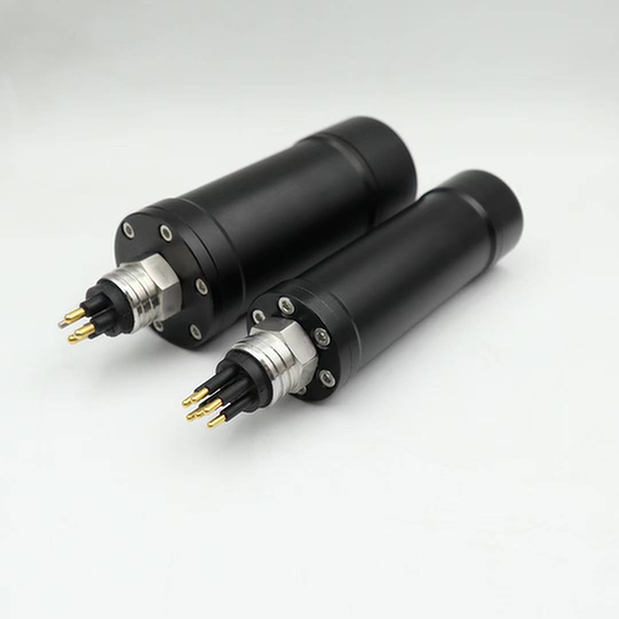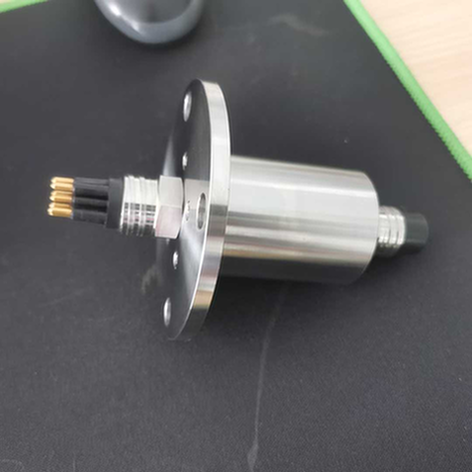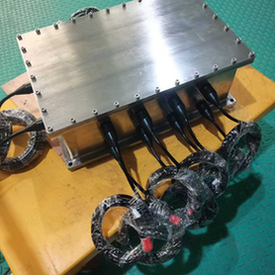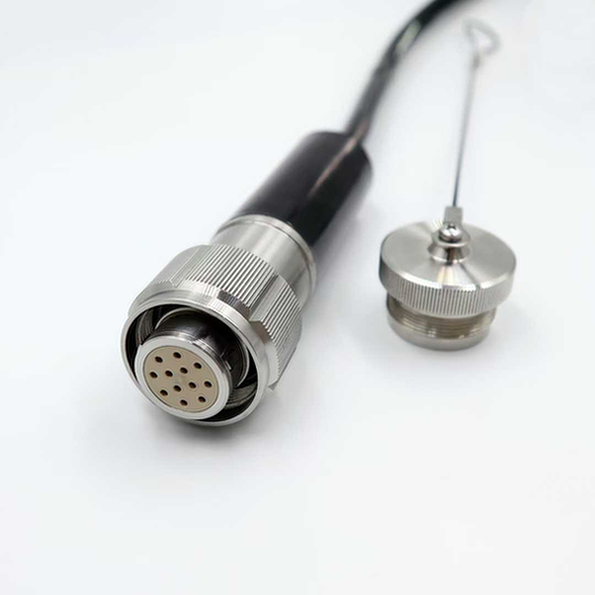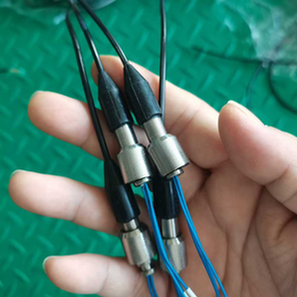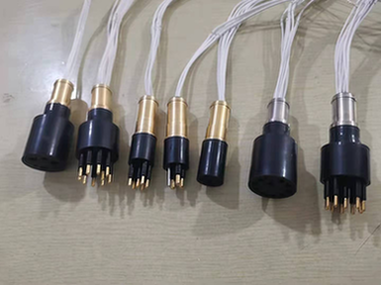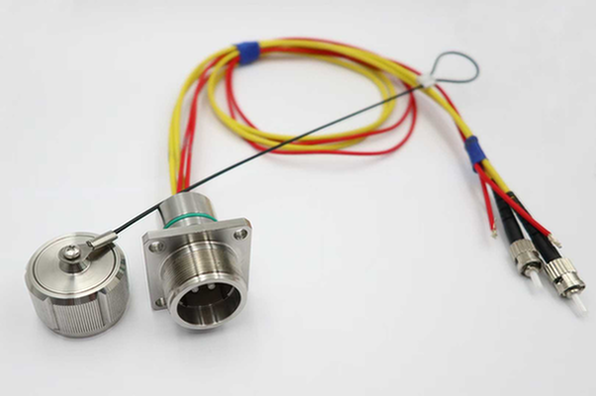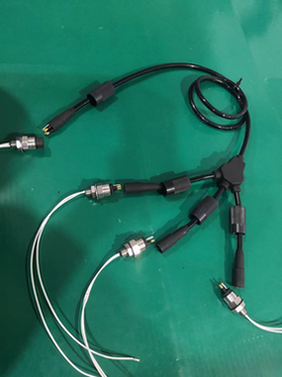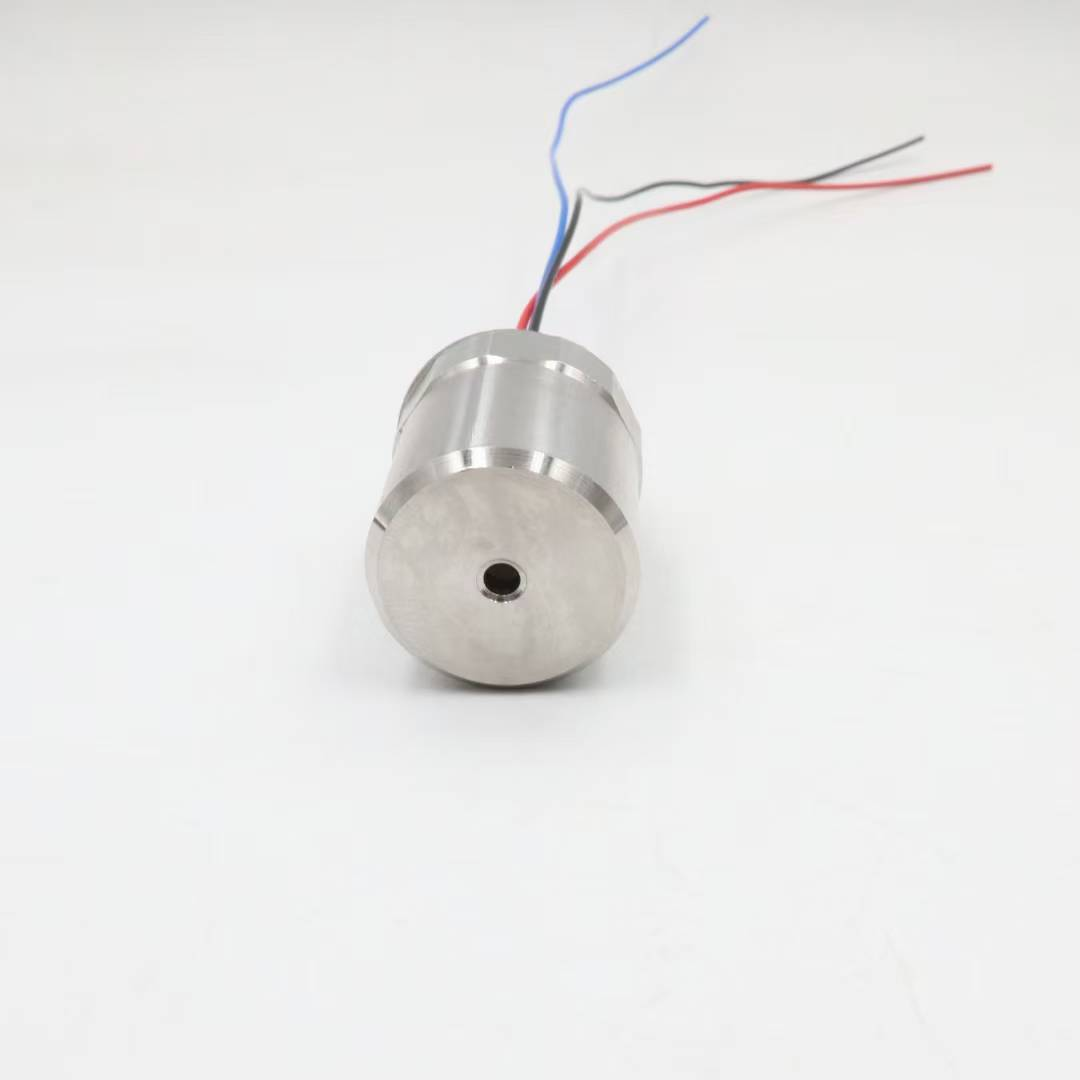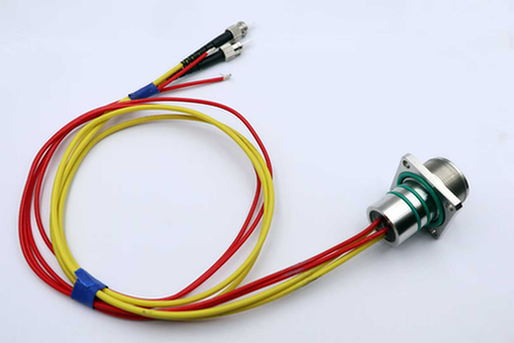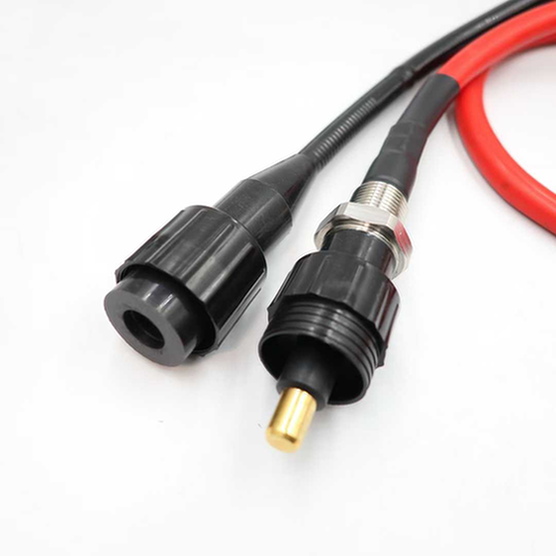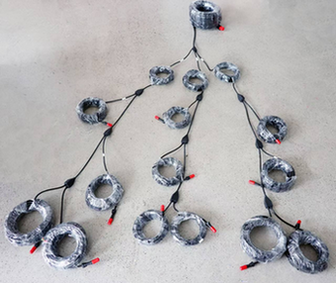
Complete guide for engineers designing water quality monitoring systems: underwater connector selection, M16 thread compatibility, RS485 integration, and real-world installation best practices.
สรุปผู้บริหาร
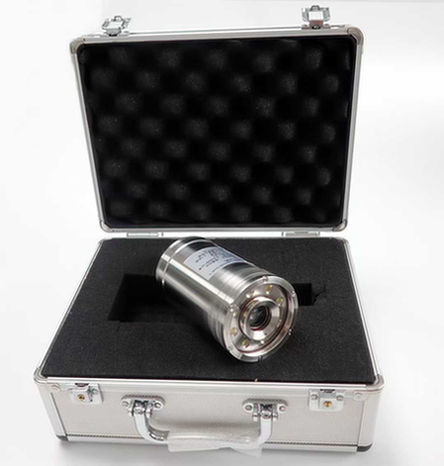
Water quality monitoring systems require reliable underwater connectors that can withstand harsh aquatic environments while maintaining stable signal transmission. This comprehensive guide addresses the most common challenges faced by sensor designers, including thread compatibility, material selection, and system integration.
Key Takeaways:
- HYSF connectors use UNF thread standards (5/8″-18 UNF closest to M16)
- Three series available: MCBH, Round Small (recommended), and Ultra Small
- 4-pin configurations ideal for RS485 communication
- Material options: 316L Stainless Steel (standard), Aluminum, Titanium
- Complete cable assembly solutions available (1-100+ meters)
1. Understanding Water Quality Monitoring Application Requirements
Water quality monitoring sensors operate in diverse environments, from freshwater lakes to seawater aquaculture facilities. Each application presents unique challenges for underwater connector selection.
1.1 Common Application Scenarios
| Application | Environment | Depth Range | Key Challenges |
|---|---|---|---|
| River/Lake Monitoring | Freshwater | 0-50 เมตร | Biofouling, seasonal temperature changes |
| Aquaculture Systems | Seawater/Brackish | 0-30m | Salt corrosion, fish farm chemicals |
| Coastal Monitoring | Seawater | 0-100m | Wave action, salt spray, UV exposure |
| Offshore Platforms | Open Ocean | 0-500m | High pressure, extreme corrosion |
| Deep Sea Research | Deep Ocean | 500-3000m+ | Extreme pressure, cold temperatures |
1.2 Electrical Requirements for Water Quality Sensors
Most water quality sensors use RS485 communication protocol for data transmission. Understanding the electrical requirements helps select the appropriate connector:
- Communication Protocol: RS485 (differential signaling)
- Conductors Needed: 4 pins (A+, B-, GND, VCC for powered sensors)
- Current Rating: Low current (signal level, typically <1A)
- Voltage Range: 5-24V DC (depends on sensor type)
- การป้องกัน: Recommended for noise immunity in industrial environments
2. M16 Thread Compatibility: Finding the Right Replacement
One of the most common questions from international customers is: “Can HYSF connectors replace my existing M16 threaded connectors?” The answer requires understanding thread standards.
2.1 Thread Standard Differences
HYSF manufactures connectors according to American Unified Thread (UNF) standards, not metric threads. However, close equivalents exist:
| HYSF Series | Thread Size (UNF) | Major Diameter | Closest Metric | Compatibility |
|---|---|---|---|---|
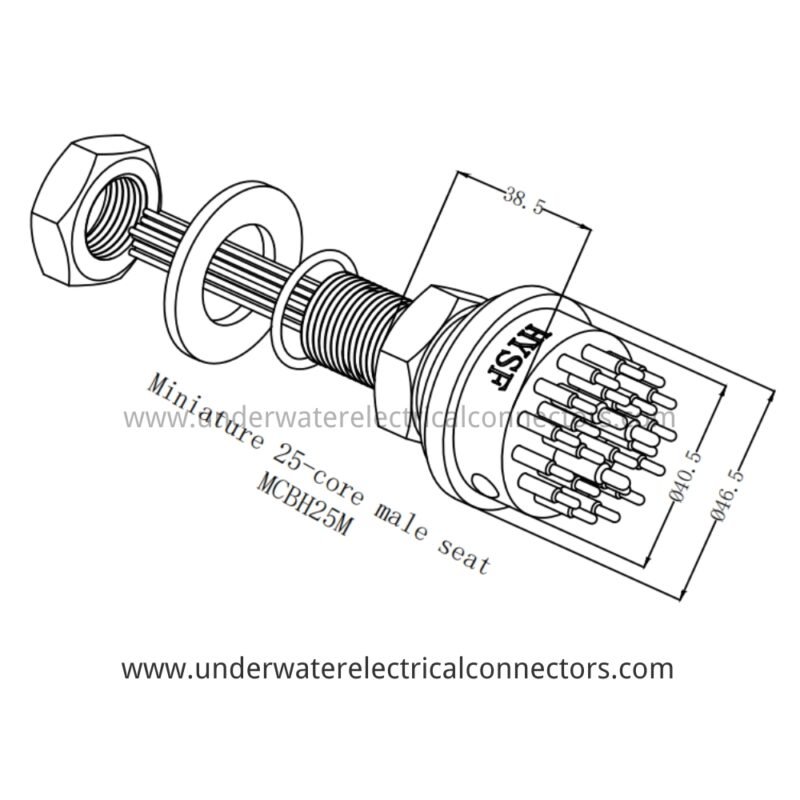
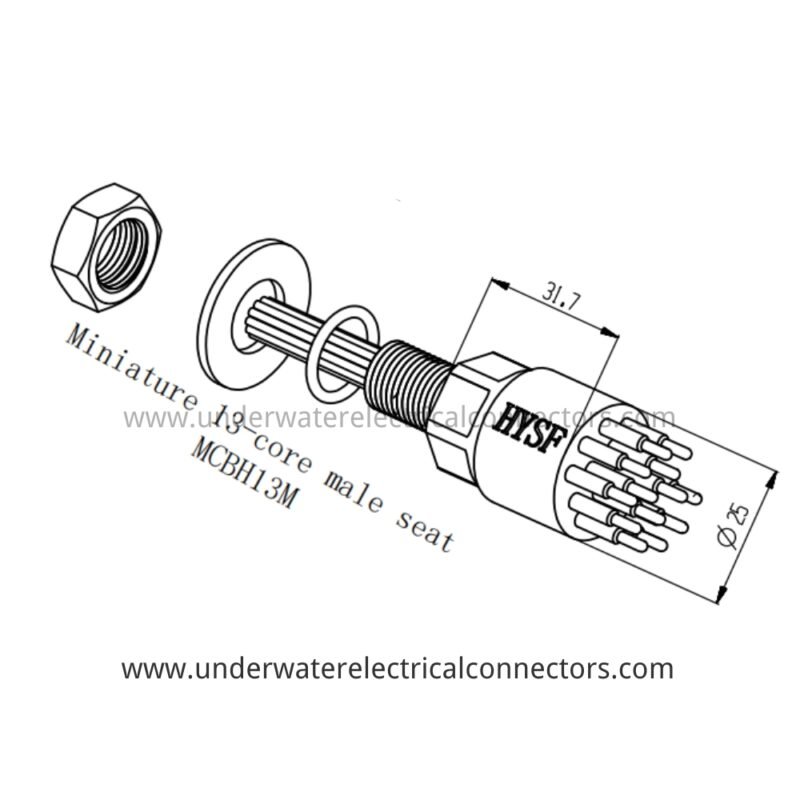
| MCBH Series | 5/8″-18 UNF-2A | 15.875mm | M16 (16mm) | ★★★★☆ Excellent |
| Round Small Series | 3/8″-24 UNF-2A | 9.525mm | M10 (10mm) | ★★★☆☆ Good (requires hole modification) |
| Ultra Small Series | 5/16″-24 UNF-2A | 7.938mm | M8 (8mm) | ★★★☆☆ Good (requires hole modification) |
2.2 Replacement Strategy
Option A: Direct Replacement (No Design Changes)
If your sensor housing already has M16 threaded holes and cannot be modified:
- Recommended: MCBH Series with 5/8″-18 UNF thread
- ข้อได้เปรียบ: Minimal modification needed (0.125mm diameter difference)
- Consideration: Slightly heavier and higher cost than smaller series
Option B: Design Optimization (New Product Development)
If you’re designing a new sensor or can modify existing housing:
- Recommended: Round Small Series (3/8″-24 UNF)
- ข้อดี:
- 40% lighter weight
- 20-30% cost reduction
- More compact design
- Excellent for high-volume production
3. HYSF Connector Series Comparison for Water Quality Applications
HYSF offers three connector series suitable for water quality monitoring sensors. Each has distinct advantages depending on your application requirements.
3.1 MCBH Series – Robust Industrial Solution
| Specification | Value |
|---|---|
| Thread Size | 5/8″-18 UNF-2A |
| Pin Count | 2-12 pins (4-pin available) |
| Current Rating | 5-10A per contact |
| Voltage Rating | Up to 600V |
| ระดับความลึก | Up to 3000m (stainless steel) |
| Sealing | Double O-ring (standard) |
| Materials | 316L SS, Titanium, Aluminum |
เหมาะที่สุดสำหรับ: Fixed installations, harsh environments, direct M16 replacement
3.2 Round Small Series – Recommended for Most Applications
| Specification | Value |
|---|---|
| Thread Size | 3/8″-24 UNF-2A |
| Pin Count | 2-8 pins (4-pin available) |
| Current Rating | 3-7A per contact |
| Voltage Rating | Up to 400V |
| ระดับความลึก | Up to 2000m (stainless steel) |
| Sealing | Single O-ring (sufficient for most applications) |
| Materials | 316L SS, Titanium, Aluminum |
เหมาะที่สุดสำหรับ: Water quality sensors, aquaculture monitoring, portable equipment, cost-sensitive projects
3.3 Ultra Small Series – Miniature Applications
| Specification | Value |
|---|---|
| Thread Size | 5/16″-24 UNF-2A |
| Pin Count | 2-6 pins (4-pin available) |
| Current Rating | 3-5A per contact |
| Voltage Rating | Up to 300V |
| ระดับความลึก | Up to 1000m (stainless steel) |
| Sealing | Single O-ring |
| Materials | 316L SS, Titanium |
เหมาะที่สุดสำหรับ: Miniature sensors, space-constrained designs, ultra-low-cost projects
4. Material Selection Guide for Different Water Environments
Choosing the right housing material is critical for connector longevity in aquatic environments.
4.1 Stainless Steel 316L (Standard)
- การต้านทานการกัดกร่อน: Excellent for seawater and freshwater
- Depth Rating: Up to 3000 meters
- Temperature Range: -40°C to +85°C
- ค่าใช้จ่าย: Mid-range (best value for most applications)
- Recommended For: 90% of water quality monitoring applications
4.2 Titanium Alloy (Premium)
- การต้านทานการกัดกร่อน: Superior, immune to chloride attack
- Depth Rating: Up to 6000 meters (full ocean depth)
- Temperature Range: -60°C to +150°C
- ค่าใช้จ่าย: 2-3x stainless steel
- Recommended For: Deep sea research, extreme environments, long-term deployments
4.3 Aluminum Alloy (Economy)
- การต้านทานการกัดกร่อน: Good for freshwater, requires anodizing for seawater
- Depth Rating: Up to 500 meters
- Temperature Range: -30°C to +70°C
- ค่าใช้จ่าย: Most economical
- Recommended For: Freshwater applications, short-term deployments, budget projects
5. Cable Assembly and System Integration
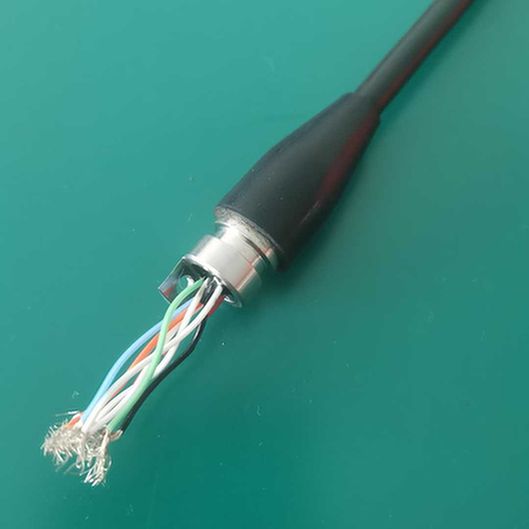
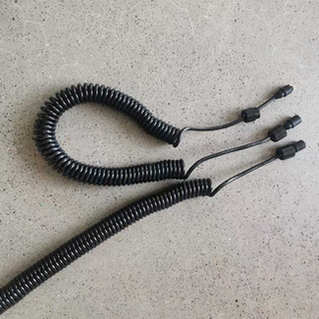
HYSF provides complete cable assembly solutions tailored to water quality monitoring systems.
5.1 Standard Cable Configuration
Based on typical customer requirements:
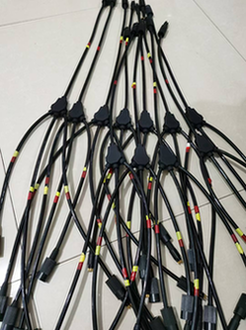
- Cable Length: 10 meters (standard), customizable 1-100+ meters
- Conductors: 4×0.5mm² (suitable for RS485)
- Cable Type: Shielded twisted pair (STP) for noise immunity
- Jacket Material: PU (polyurethane) or TPU (thermoplastic polyurethane)
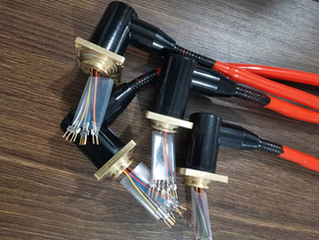
- Connector Configuration:
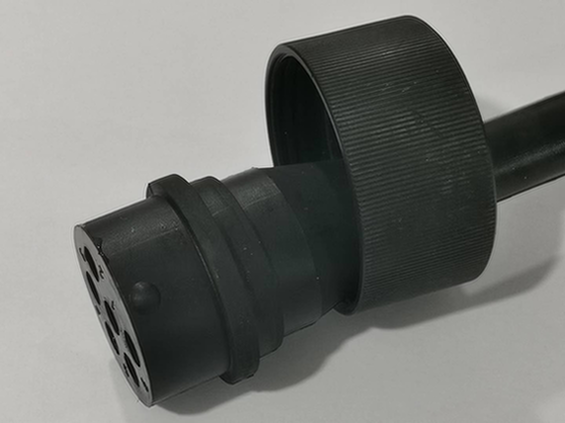
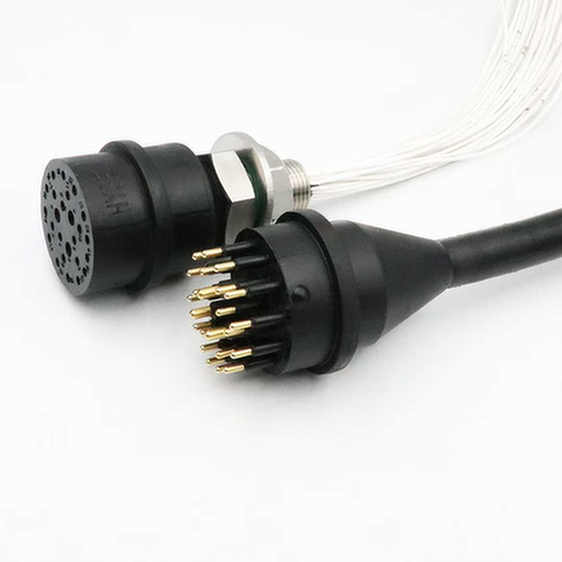
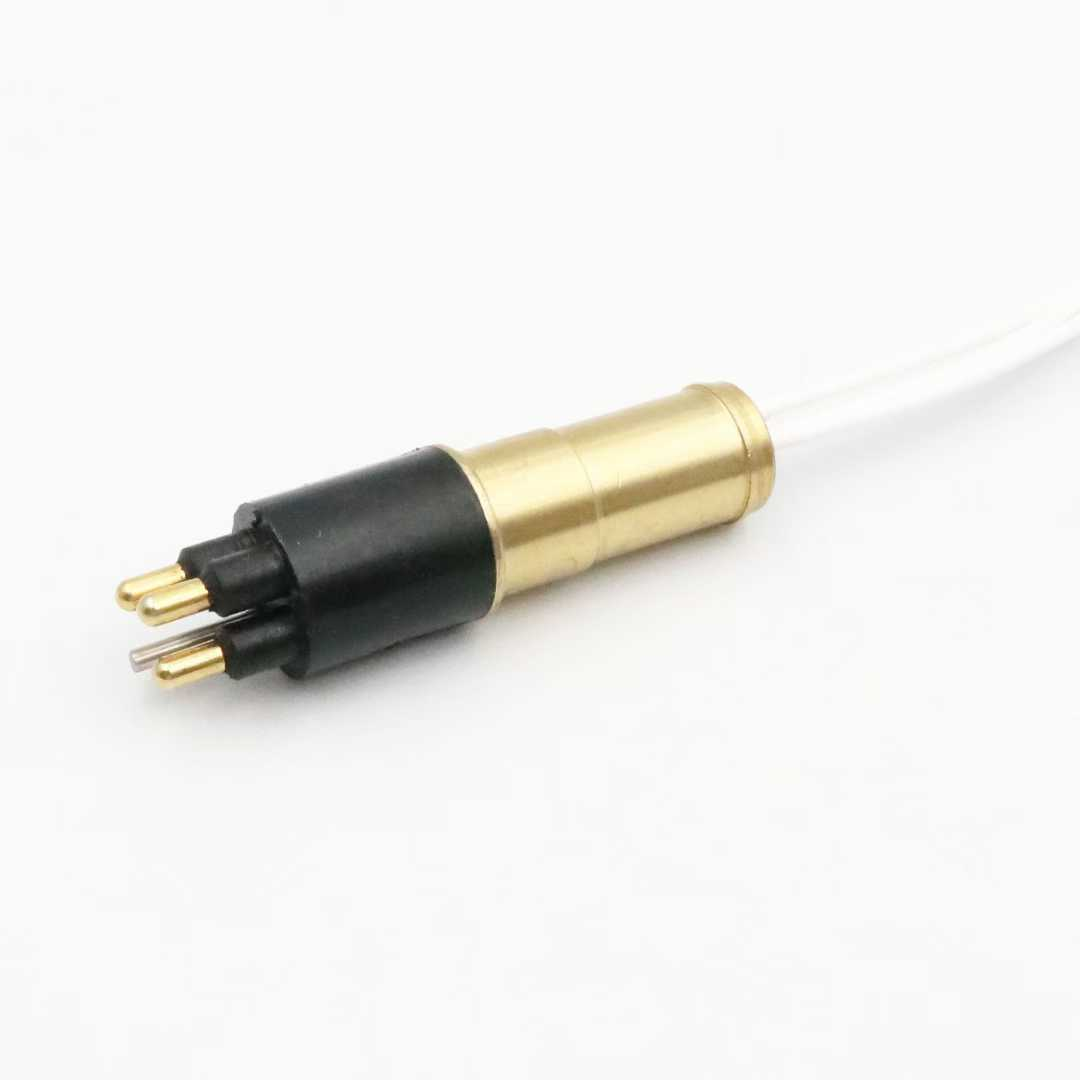
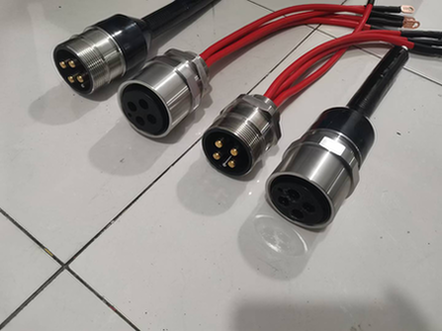
- Sensor side: Female plug (mates with male bulkhead on sensor)
- System side: Free cable ends (for connection to RS485 controller)
5.2 Installation Configuration
Typical installation for water quality sensor:
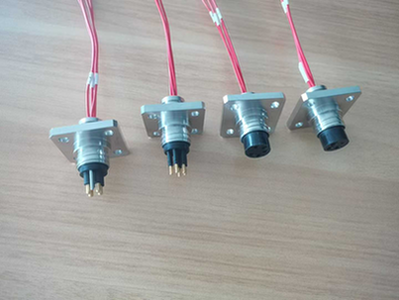
- Male Bulkhead: Threaded into sensor probe cap (inside the sensor housing)
- Female Connector: Attached to cable end (external, plug-in connection)
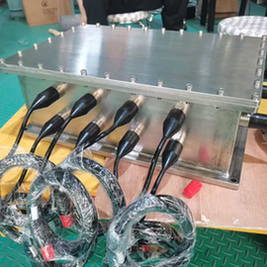
- Cable Routing: From sensor to surface controller/junction box
- System Connection: Free cable ends wired to RS485 master device
5.3 Custom Cable Options
| พารามิเตอร์ | Standard | Custom Options |
|---|---|---|
| Length | 10m | 1m – 100m+ |
| Conductor Size | 0.5mm² | 0.14mm² – 2.5mm² |
| Pin Count | 4-pin | 2-12 pins |
| Jacket | PU | PU, TPU, PE, custom |
| Shielding | Yes | Shielded or unshielded |
6. Real-World Case Study: Aquaculture Monitoring System
Project Background: A marine technology company needed underwater connectors for a fish farm water quality monitoring system in coastal China.
6.1 Customer Requirements
- Application: Dissolved oxygen, pH, temperature, salinity sensors
- Environment: Seawater aquaculture ponds (0-5m depth)
- Communication: RS485 (4-wire)
- Original Design: M16 4-pin connectors (supply chain issues)
- Cable Length: 15 meters per sensor
- Quantity: 200 sensor sets
6.2 HYSF Solution
- Connector Series: Round Small Series (3/8″-24 UNF)
- Material: Stainless Steel 316L
- Pin Configuration: 4-pin
- การปิดผนึก: Single O-ring (sufficient for 5m depth)
- Cable: 15m, 4×0.5mm² shielded PU jacket
- Configuration: Male bulkhead on sensor, female on cable
6.3 Results
- Cost Savings: 28% reduction compared to original M16 connectors
- Weight Reduction: 40% lighter, easier sensor handling
- Performance: 18 months of operation with zero connector failures
- Customer Feedback: “Excellent corrosion resistance in seawater environment”
7. Installation Best Practices
Proper installation ensures maximum connector lifespan and reliable performance.
7.1 Pre-Installation Checklist
- ✓ Verify thread compatibility (UNF vs metric)
- ✓ Inspect O-rings for damage or debris
- ✓ Confirm pin assignment matches your wiring diagram
- ✓ Check cable length and conductor size
- ✓ Prepare proper tools (torque wrench, wire strippers)
7.2 Installation Steps
- Prepare Housing: Clean threaded hole in sensor cap, remove any debris
- Install Male Bulkhead: Apply thread sealant (optional), torque to specification (typically 0.5-0.8 N·m for small connectors)
- Wire Cable: Strip cable ends, tin conductors, solder or crimp to female connector contacts
- Assemble Connector: Follow manufacturer assembly instructions, ensure O-ring is properly seated
- Test Connection: Perform continuity test and insulation resistance test before deployment
- Final Mating: Connect male and female halves, hand-tighten plus 1/8 to 1/4 turn with wrench (do not overtighten)
7.3 Common Installation Mistakes to Avoid
- ❌ Overtightening: Can damage threads or crush O-rings
- ❌ Cross-threading: Always start threading by hand to ensure proper alignment
- ❌ Dirty O-rings: Clean O-rings and mating surfaces before assembly
- ❌ Incorrect Pin Assignment: Double-check A+, B-, GND, VCC wiring
- ❌ Missing Shielding: Connect cable shield to connector housing for EMI protection
8. Maintenance and Troubleshooting
8.1 Routine Maintenance
- After Each Deployment: Rinse with fresh water, dry thoroughly
- Monthly Inspection: Check O-rings for wear, verify connector tightness
- O-Ring Replacement: Every 6-12 months or if visible damage
- Annual Testing: Insulation resistance test, continuity check
8.2 Common Issues and Solutions
| Issue | Possible Cause | Solution |
|---|---|---|
| Signal Intermittent | Loose connection, corroded contacts | Retighten connector, clean contacts, check wiring |
| Water Ingress | Damaged O-ring, improper tightening | Replace O-ring, verify torque specification |
| Connector Won’t Mate | Debris in threads, damaged pins | Clean threads, inspect pins, replace if damaged |
| High Resistance | Corrosion, poor contact | Clean contacts, apply contact cleaner, replace if needed |
9. Getting Datasheets and Pricing
Ready to select the right underwater connector for your water quality monitoring system?
9.1 What to Include in Your Inquiry
- Application: Water quality monitoring (specify parameters: DO, pH, temperature, etc.)
- Environment: Freshwater, seawater, or other
- Depth: Maximum operating depth
- Thread Requirement: Existing hole size or flexibility to modify
- Pin Count: Number of conductors needed (4-pin for RS485)
- Cable Length: Required length from sensor to controller
- Quantity: Estimated project volume
9.2 Response Time
- Datasheets: Sent within 24 hours
- Pricing: Quotation within 24-48 hours
- Samples: Available for evaluation (lead time 3-5 days)
- Technical Support: Engineering consultation available
ติดต่อ: info@hysfsubsea.com
10. Conclusion
Selecting the right underwater connector for water quality monitoring systems requires careful consideration of thread compatibility, material selection, electrical requirements, and environmental conditions. HYSF offers three connector series to meet diverse needs:
- MCBH Series: Direct M16 replacement, robust industrial solution
- Round Small Series: Recommended for most applications (best balance of performance, size, and cost)
- Ultra Small Series: Miniature designs, ultra-low-cost projects
With complete cable assembly solutions and technical support, HYSF helps engineers deploy reliable water quality monitoring systems in any aquatic environment.
Ready to get started? Contact our team at info@hysfsubsea.com for datasheets, pricing, and engineering support.



 English
 Spanish
 Russian
 French
 German
 Korean
 Japanese
 Arabic
 Thai
Thai Danish
 Norwegian