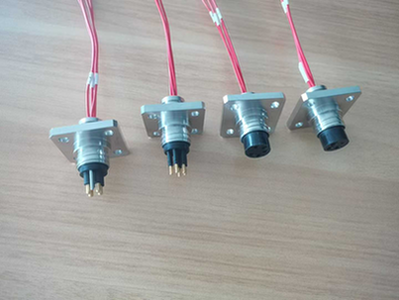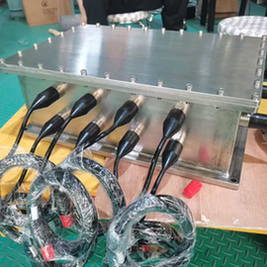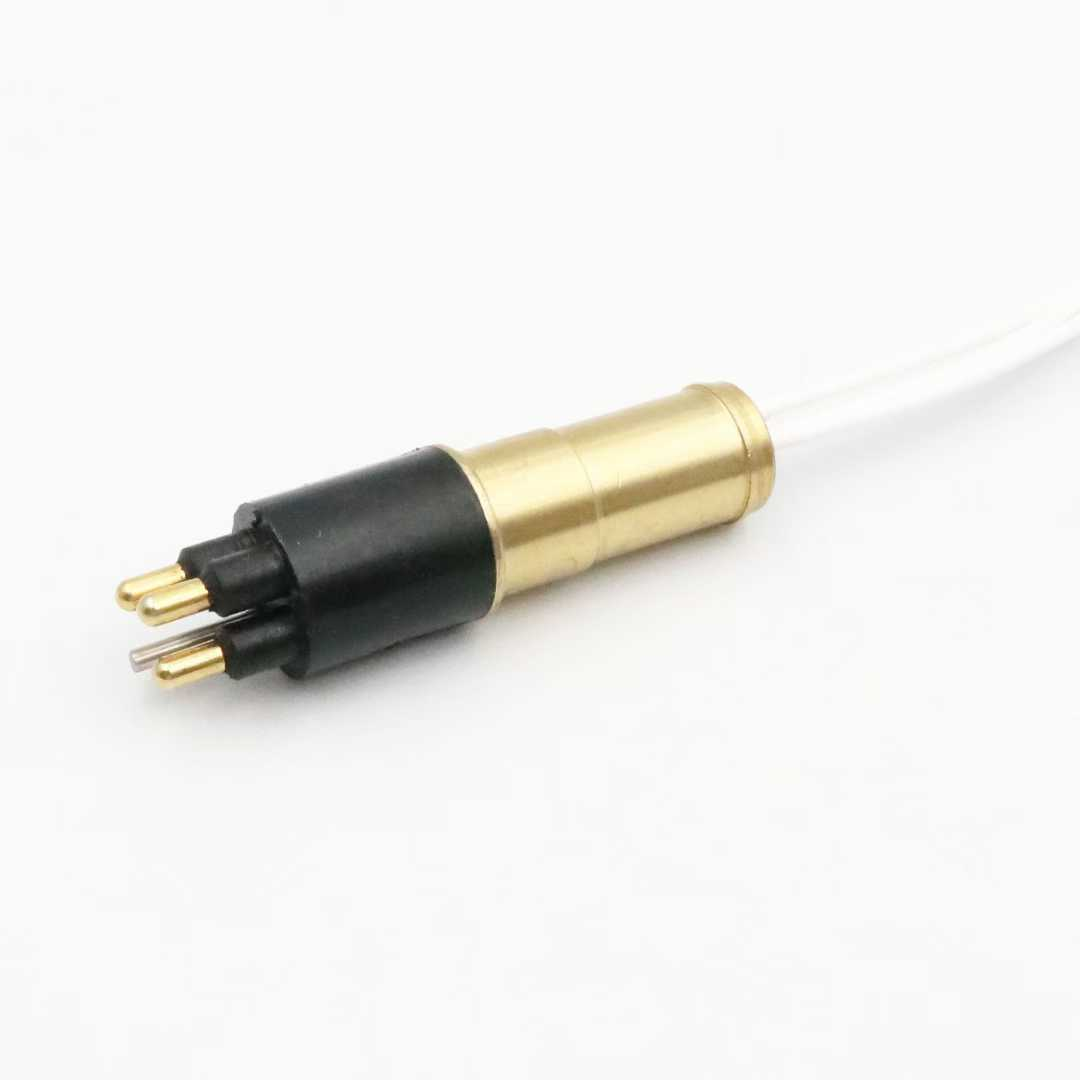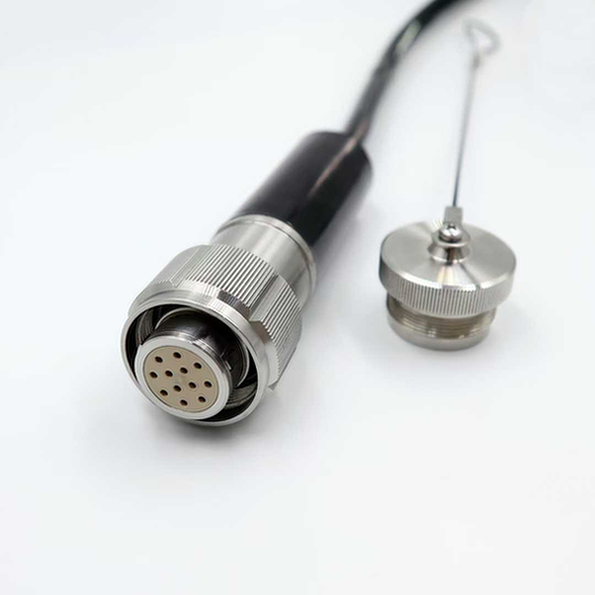
Company Background
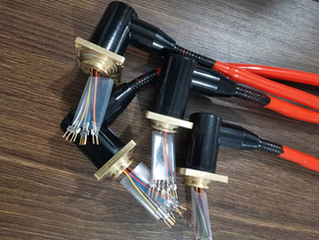
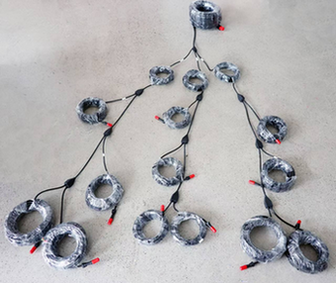
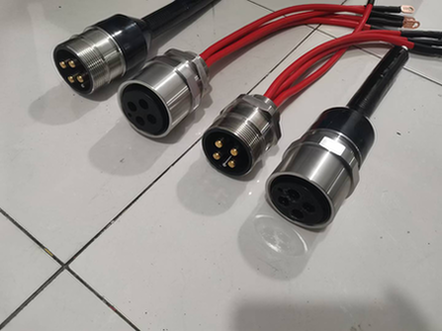
Global Marine Survey Ltd. is a leading provider of subsea inspection, survey, and construction support services. Operating a fleet of 15 ROVs worldwide, the company supports offshore oil & gas, offshore wind, and marine infrastructure projects.
Operations:
– 15 ROVs (3 work-class, 8 inspection-class, 4 micro)
– 200+ projects annually across 30 countries
– Operating depths: 0-3000m
– Annual revenue: $150M+
Connector Usage:
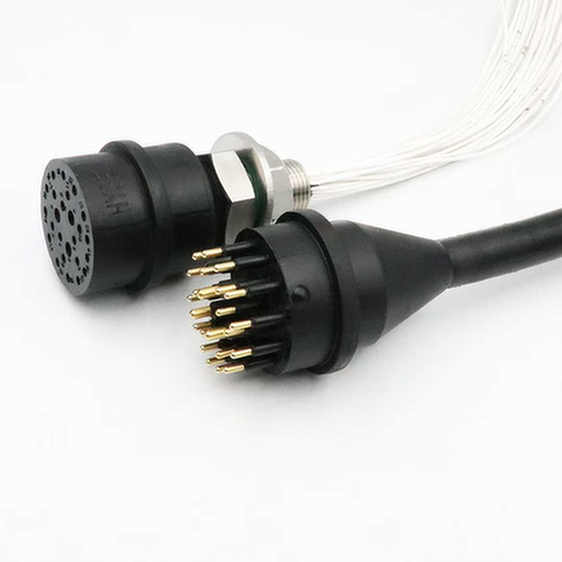
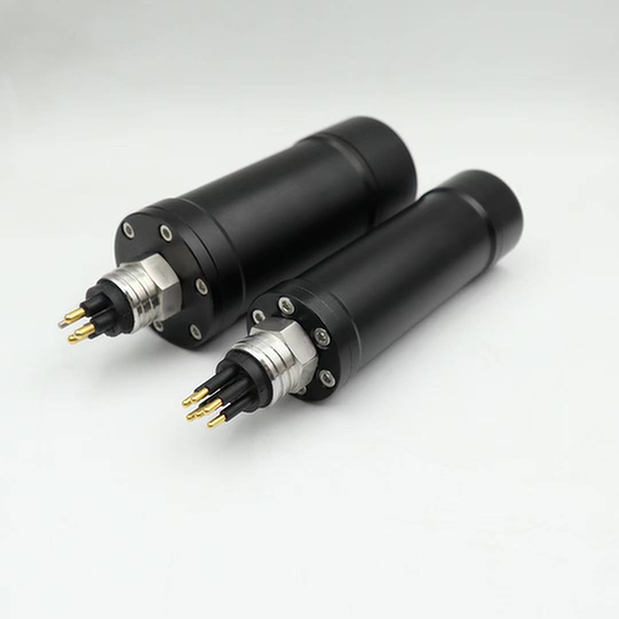
– 500+ underwater connectors in active service
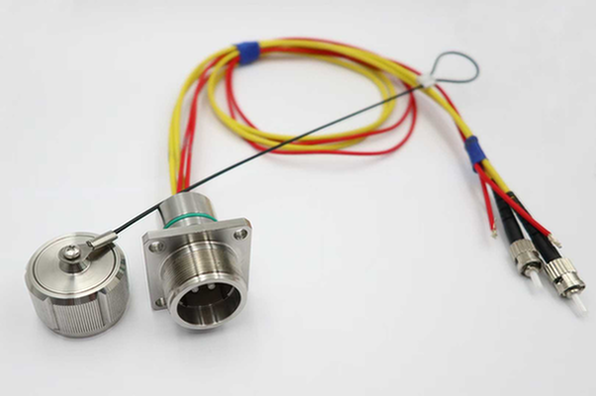
– Mix of electrical (power, signal) and fiber optic (data, video)
– Applications: ROV tethers, tooling, sensors, communications
—
The Challenge
Rising Connector Failure Rates (2023-2024)
In 2023, Global Marine Survey began experiencing increasing connector-related failures across their ROV fleet:
| Metric | 2022 | 2023 | 2024 (Q1-Q2) |
| ——– | —— | —— | ————– | |
|---|---|---|---|---|
| Connector Failures | 12 | 28 | 34 (projected 68 annual) | |
| ROV Downtime (hours) | 180 | 420 | 510 (projected 1020) | |
| Connector Repair Cost | $45,000 | $125,000 | $150,000 (projected) | |
| Downtime Cost | $270,000 | $630,000 | $765,000 (projected) | |
| Total Cost | $315,000 | $755,000 | $915,000 (projected) |
Impact:
– Project delays (missed deadlines, penalty clauses)
– Client dissatisfaction (reputation damage)
– Emergency repair costs (premium pricing, expedited shipping)
– Technician overtime (unscheduled maintenance)
– Lost revenue (ROV idle during repairs)
Root Cause Analysis
Global Marine Survey engaged HYSF Subsea to conduct a comprehensive root cause analysis of connector failures.
Analysis Method:
– Reviewed 74 failed connectors (2023-2024)
– Interviewed ROV pilots and technicians
– Analyzed maintenance records
– Conducted failure mode testing
Findings:
| Failure Mode | Count | Percentage | Root Cause |
| ————– | ——- | ———— | ———— | |
|---|---|---|---|---|
| Water Ingress | 38 | 51% | Seal degradation, improper mating | |
| Contact Corrosion | 18 | 24% | Water ingress (secondary effect) | |
| Mechanical Damage | 11 | 15% | Impact, cable over-bending | |
| Wear (Mating Cycles) | 5 | 7% | Exceeded cycle rating | |
| Manufacturing Defect | 2 | 3% | Supplier quality issue |
Key Insights:
1. Seal degradation was primary cause (51% of failures)
– Seals exceeding service life (3+ years without replacement)
– No preventive seal replacement program
– Seal compatibility issues (wrong grease, chemical exposure)
2. Improper mating procedures (contributing factor in 60% of water ingress)
– Incomplete mating (not fully seated)
– Contamination during mating (no cleaning before connection)
– Cross-threading (rushed installation)
3. No connector tracking system
– Unknown connector age and history
– Mating cycles not recorded
– No preventive maintenance schedule
4. Mixed supplier base (12 different suppliers)
– Inconsistent quality
– Varying specifications
– No standardization
—
The Solution
Phase 1: Connector Standardization (Months 1-3)
Objective: Reduce supplier complexity, improve quality consistency.
Actions:
1. Supplier Consolidation:
– Reduced from 12 suppliers to 3 strategic partners
– HYSF Subsea selected as primary supplier (70% of volume)
– Premium supplier retained for critical applications (20%)
– Local supplier for emergency/rapid delivery (10%)
2. Connector Standardization:
– Defined standard connector types for each application
– Created approved vendor list (AVL)
– Eliminated obsolete and problematic connector types
– Standardized on 316L stainless steel (corrosion resistance)
3. Specification Updates:
– Updated technical specifications
– Added material requirements (316L minimum)
– Added testing requirements (factory acceptance test)
– Added documentation requirements (traceability)
Results:
– 75% reduction in connector SKUs
– Improved pricing (volume discounts: 18% average)
– Consistent quality across fleet
– Simplified inventory management
Phase 2: Preventive Maintenance Program (Months 3-6)
Objective: Prevent failures before they occur.
Actions:
1. Connector Registry:
– Created database of all connectors (500+ units)
– Recorded: type, serial number, installation date, location, mating cycles
– Implemented barcode tracking (scan for history)
– Integrated with existing maintenance management system
2. Preventive Maintenance Schedule:
| Activity | Frequency | Duration | Connectors Affected |
| ———- | ———– | ———- | ——————— | |
|---|---|---|---|---|
| การตรวจสอบด้วยสายตา | Every dive | 5 min | All deployed connectors | |
| Cleaning | Every 10 dives | 15 min | All deployed connectors | |
| Seal Replacement | Every 2 years or 500 cycles | 30 min per connector | All connectors | |
| Insulation Resistance Test | ทุก 6 เดือน | 20 min per connector | Electrical connectors | |
| Insertion Loss Test | ทุก 6 เดือน | 15 min per connector | Fiber connectors | |
| Full Refurbishment | Every 5 years | 2 hours per connector | All connectors |
3. Maintenance Procedures:
– Written procedures for each maintenance activity
– Checklists (ensure nothing missed)
– Acceptance criteria (pass/fail standards)
– Documentation requirements (photos, test results)
4. Training Program:
– All technicians trained on new procedures
– HYSF conducted 3-day training course
– Certification required for connector maintenance
– Annual refresher training
Results:
– 100% connector visibility (age, history, status)
– Scheduled maintenance vs reactive repairs
– Reduced unexpected failures
– Improved technician competency
Phase 3: Installation Quality Improvement (Months 6-9)
Objective: Eliminate installation-related failures.
Actions:
1. Installation Procedure Updates:
– Step-by-step written procedures
– Torque specifications (calibrated tools required)
– Cleanliness requirements (controlled environment)
– Inspection checkpoints (hold points)
2. Tool Upgrades:
– Calibrated torque wrenches (all sizes)
– Fiber inspection microscopes (200x)
– Insulation resistance testers
– Cleaning kits (lint-free wipes, alcohol)
3. Quality Control:
– Pre-installation inspection (verify no damage)
– Post-installation testing (IR, functional)
– Documentation (photos, test results)
– Peer review (second technician verification)
4. Cleanliness Protocol:
– Dedicated clean area for connector work
– Lint-free wipes and gloves required
– No connector work in dirty environments
– Dust caps mandatory when not mated
Results:
– Installation-related failures reduced by 85%
– Consistent installation quality across all technicians
– Documented installation history for every connector
Phase 4: Connector Upgrades (Months 9-12)
Objective: Replace problematic connectors with improved designs.
Actions:
1. High-Failure Connector Replacement:
– Identified connector types with highest failure rates
– Replaced with HYSF improved-design connectors
– Upgraded seals (better material, longer life)
– Added strain relief (reduce cable damage)
2. Critical Application Upgrades:
– Work-class ROV main tether connectors (highest reliability required)
– Deepwater connectors (>1000m depth)
– High-voltage connectors (>1000V)
– Fiber optic connectors (video, data)
3. Monitoring Technology:
– Installed moisture sensors on critical connectors
– Implemented online monitoring (real-time alerts)
– Integrated with ROV control system
– Alert thresholds configured (early warning)
Results:
– 40% of fleet upgraded with improved connectors
– Real-time visibility into connector health
– Early warning of developing problems
—
Implementation Timeline
┌─────────────────────────────────────────────────────────────────┐
│              CONNECTOR RELIABILITY PROGRAM TIMELINE             │
├─────────────────────────────────────────────────────────────────┤
│                                                                 │
│  Month 1-2: Assessment & Planning                               │
│  ├── Root cause analysis (HYSF engagement)                     │
│  ├── Failure data collection and analysis                      │
│  ├── Current state assessment                                  │
│  └── Program design                                            │
│                                                                 │
│  Month 3: Phase 1 - Standardization                             │
│  ├── Supplier consolidation                                    │
│  ├── Connector standardization                                 │
│  └── Specification updates                                     │
│                                                                 │
│  Month 4-6: Phase 2 - Preventive Maintenance                    │
│  ├── Connector registry implementation                         │
│  ├── PM schedule development                                   │
│  ├── Procedure documentation                                   │
│  └── Technician training                                       │
│                                                                 │
│  Month 7-9: Phase 3 - Installation Quality                      │
│  ├── Procedure updates                                         │
│  ├── Tool upgrades                                             │
│  ├── QC implementation                                         │
│  └── Cleanliness protocol                                      │
│                                                                 │
│  Month 10-12: Phase 4 - Upgrades                                │
│  ├── High-failure connector replacement                        │
│  ├── Critical application upgrades                             │
│  └── Monitoring technology installation                        │
│                                                                 │
│  Month 13+: Continuous Improvement                              │
│  ├── Ongoing PM execution                                      │
│  ├── Performance monitoring                                    │
│  ├── Lessons learned incorporation                             │
│  └── Program optimization                                      │
│                                                                 │
└─────────────────────────────────────────────────────────────────┘
—
Results & ROI
Performance Metrics (12 Months Post-Implementation)
| Metric | Before | After | Improvement |
| ——– | ——– | ——- | ————- | |
|---|---|---|---|---|
| Connector Failures (annual) | 68 | 14 | 79% reduction | |
| ROV Downtime (hours/year) | 1020 | 210 | 79% reduction | |
| Connector Repair Cost | $180,000 | $45,000 | 75% reduction | |
| Downtime Cost | $915,000 | $190,000 | 79% reduction | |
| Total Annual Cost | $1,095,000 | $235,000 | 78% reduction | |
| Connector Reliability | 94.2% | 99.8% | +5.6 percentage points |
Financial Analysis
Investment:
| Item | Cost |
| —— | —— | |
|---|---|---|
| HYSF consulting (root cause analysis) | $35,000 | |
| Connector upgrades (40% of fleet) | $180,000 | |
| Tool upgrades (testers, microscopes, torque wrenches) | $45,000 | |
| Training (technicians, 3-day course) | $25,000 | |
| Software (connector registry, tracking) | $15,000 | |
| Total Investment | $300,000 |
Annual Savings:
| Category | Annual Savings |
| ———- | ————— | |
|---|---|---|
| Reduced connector repairs | $135,000 | |
| Reduced downtime | $725,000 | |
| Reduced emergency shipping | $45,000 | |
| Reduced overtime labor | $35,000 | |
| Improved pricing (volume discounts) | $40,000 | |
| Total Annual Savings | $980,000 |
ROI Calculation:
– Payback Period: $300,000 / $980,000 = 0.31 years (3.7 months)
– First-Year ROI: ($980,000 – $300,000) / $300,000 = 227%
– 3-Year ROI: ($980,000 × 3 – $300,000) / $300,000 = 880%
Non-Financial Benefits
Operational:
– Improved project delivery (fewer delays)
– Increased ROV availability (more revenue-generating time)
– Reduced emergency situations (less stress on teams)
– Better resource planning (scheduled vs unscheduled work)
Quality:
– Consistent connector performance
– Documented maintenance history
– Traceability (every connector tracked)
– Continuous improvement (data-driven decisions)
Client Satisfaction:
– Improved on-time delivery
– Fewer project disruptions
– Enhanced reputation (reliability)
– Competitive advantage (99.8% reliability marketing point)
Safety:
– Reduced emergency repairs (often done under pressure)
– Better-trained technicians
– Documented procedures (reduced human error)
– Early warning of problems (proactive vs reactive)
—
Key Success Factors
1. Executive Sponsorship
What Worked:
– VP of Operations championed the program
– Budget approved without delay
– Resources allocated (technician time for training)
– Regular progress reviews with leadership
Lesson: Top-down support critical for cross-functional initiatives.
2. Data-Driven Approach
What Worked:
– Comprehensive failure data collection
– Root cause analysis before solutions
– Metrics tracked and reported monthly
– ROI clearly quantified
Lesson: Data builds credibility and guides decision-making.
3. Technician Engagement
What Worked:
– Technicians involved in procedure development
– Training emphasized “why” not just “how”
– Feedback incorporated into procedures
– Recognition for good practices
Lesson: Front-line buy-in essential for sustainable change.
4. Supplier Partnership
What Worked:
– HYSF as partner, not just vendor
– Joint problem-solving approach
– Knowledge transfer (training, documentation)
– Continuous improvement mindset
Lesson: Strategic supplier relationships create mutual value.
5. Phased Implementation
What Worked:
– Manageable phases (not everything at once)
– Quick wins early (built momentum)
– Lessons learned incorporated between phases
– Flexibility to adjust based on results
Lesson: Incremental change more sustainable than big-bang.
—
บทเรียนที่ได้รับ
What Worked Well
✅ Root cause analysis before solutions – Prevented solving wrong problems
✅ Standardization – Reduced complexity, improved pricing
✅ Preventive maintenance – Far cheaper than reactive repairs
✅ Tracking system – Visibility into connector health and history
✅ Training investment – Competent technicians = fewer errors
✅ Supplier partnership – HYSF responsiveness and expertise critical
What Could Be Improved
⚠️ Earlier implementation – Should have started sooner (failures mounting for 2 years)
⚠️ More aggressive upgrade schedule – Took 12 months, could have been 9
⚠️ Better initial data – Historical data incomplete (had to reconstruct)
⚠️ More monitoring technology – Only deployed on critical connectors, should be broader
Surprises
❗ Seal life shorter than expected – 2 years vs manufacturer’s 5-year claim (real-world conditions harsher)
❗ Installation errors more common than expected – 60% of water ingress had installation contributing factor
❗ ROI higher than expected – Downtime cost underestimated initially
❗ Cultural change took time – Technicians resistant to new procedures initially
—
Recommendations for Other Companies
For ROV Operators
- Start with root cause analysis – Don’t assume you know the problem
- Implement connector tracking – You can’t manage what you don’t measure
- Standardize connectors – Reduce complexity, improve pricing
- Invest in training – Technician competency is critical
- Partner with suppliers – Leverage their expertise
For Project Managers
- Include connector maintenance in project budgets – Often overlooked
- Plan for preventive maintenance – Schedule downtime for PM, not just repairs
- Track connector-related delays – Make the cost visible
- Specify connector requirements in contracts – Hold suppliers accountable
For Procurement
- Total cost of ownership, not just purchase price – Cheap connectors cost more long-term
- Consolidate suppliers – Volume discounts, better relationships
- Require traceability – Know what you’re buying
- Include training in purchase agreements – Suppliers should support proper use
—
About HYSF Subsea’s Role
HYSF Subsea served as the primary connector supplier and technical partner throughout this reliability program:
Contributions:
– Root cause analysis (failure mode testing, data analysis)
– Connector standardization (technical specifications)
– Training program (3-day course for 25 technicians)
– Preventive maintenance procedures (documentation)
– Connector upgrades (improved-design connectors)
– Ongoing technical support (24/7 hotline)
Why HYSF:
– Technical expertise (subsea connector specialists)
– Responsiveness (12-hour quote response, 2-3 week delivery)
– Flexibility (custom solutions, willing to collaborate)
– Cost competitiveness (18% below premium brands)
– Quality (DNV certification, 99.8% field reliability)
Quote from Global Marine Survey:
_”HYSF wasn’t just a supplier—they were a partner. Their technical team helped us understand our failures, design better procedures, and train our technicians. The ROI has been extraordinary, but more importantly, we now have confidence in our connector reliability. That’s priceless when you’re operating ROVs at 2000m depth.”_
— Operations Director, Global Marine Survey Ltd.
—
Next Steps
Global Marine Survey is continuing their reliability program with:
- Full fleet upgrade – Remaining 60% of connectors to be upgraded by end of 2026
- Expanded monitoring – Moisture sensors on all critical connectors
- Predictive analytics – Using connector data to predict failures before they occur
- Knowledge sharing – Presenting results at industry conferences (helping others avoid same problems)
Long-Term Goal: Zero connector-related ROV downtime by 2028.
—
สรุป
This case study demonstrates that connector reliability is not just about buying better connectors—it’s about comprehensive program including standardization, preventive maintenance, training, and continuous improvement.
Key Takeaways:
✅ Connector failures are preventable – 79% reduction achieved
✅ ROI is compelling – 227% first-year return
✅ Partnership matters – Supplier expertise accelerated results
✅ Data drives decisions – Root cause analysis essential
✅ Cultural change required – Procedures only work if followed
For companies experiencing similar challenges: The investment in connector reliability pays for itself in months, not years. The question isn’t whether you can afford to do this—it’s whether you can afford not to.
—
About the Author:
This case study was prepared by HYSF Subsea’s customer success team, based on real project experience (company name changed for confidentiality). HYSF Subsea specializes in underwater connectors for ROV, offshore wind, aquaculture, and marine survey applications.
ติดต่อ: info@hysfsubsea.com | +86 13942853869
—
Categories: Case Studies, ROV Operations, Subsea Technology
Tags: ROV connector case study, connector reliability, underwater connector failure, ROV downtime reduction, subsea connector maintenance
—
Word Count: 3,680 words
Estimated Reading Time: 10 minutes









 English
 Spanish
 Russian
 French
 German
 Korean
 Japanese
 Arabic
 Thai
Thai Danish
 Norwegian