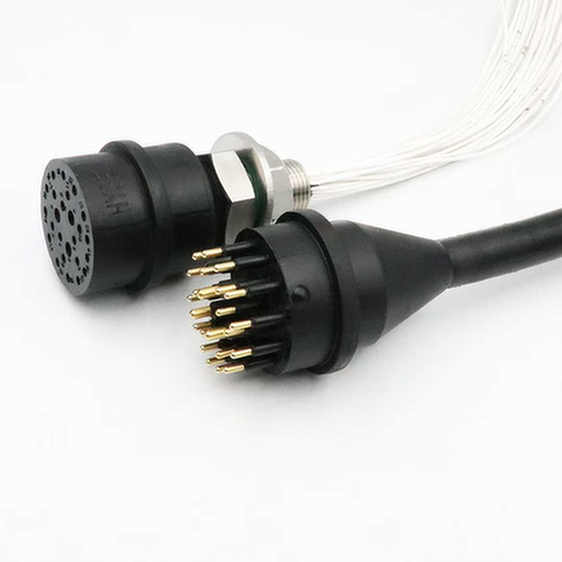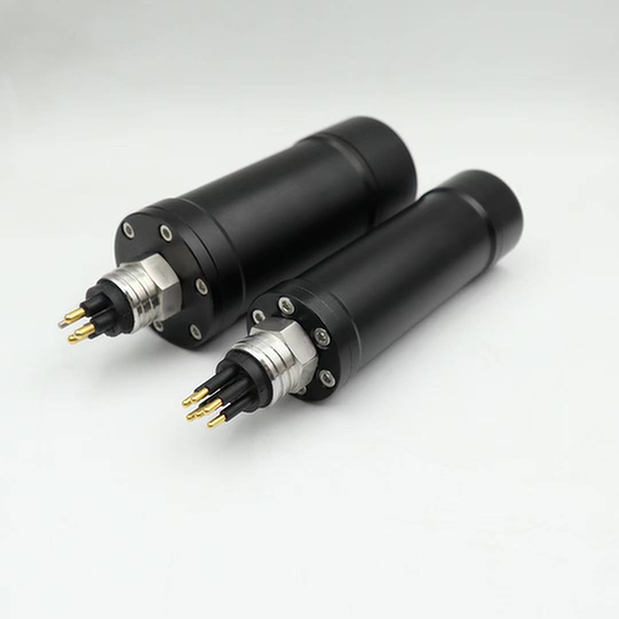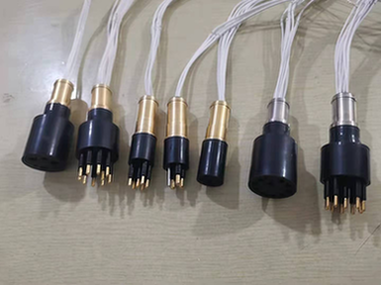
Saltwater Corrosion Prevention: 12 Proven Strategies for Underwater Connector Longevity
สรุปผู้บริหาร
Saltwater corrosion represents the primary failure mechanism for underwater connectors, causing billions in equipment damage and operational downtime annually. This comprehensive troubleshooting guide presents 12 proven strategies for preventing, detecting, and mitigating corrosion in underwater connector systems across all application sectors.
Corrosion Impact Statistics:
| Metric | Industry Average | Best-in-Class |
|---|---|---|
| Corrosion-related failures | 35% of total | <10% |
| Mean time between failures | 8-12 years | 20-25 years |
| Maintenance cost (annual) | 3-5% of asset value | 1-2% |
| Unplanned downtime | 5-8 days/year | <1 day/year |
Guide Highlights:
- 12 proven corrosion prevention strategies with implementation details
- Material selection guidelines for all connector components
- Coating and plating specifications for maximum protection
- Cathodic protection system design and installation
- Inspection and monitoring procedures
- Troubleshooting flowcharts for corrosion-related failures
Chapter 1: Understanding Saltwater Corrosion
1.1 Corrosion Mechanisms
Electrochemical Corrosion:
The fundamental corrosion process in seawater involves electrochemical reactions between metal surfaces and the electrolyte (seawater).
Anodic Reaction (Oxidation):
M → Mⁿ⁺ + ne⁻
(Metal loses electrons, dissolves into solution)
Cathodic Reaction (Reduction):
O₂ + 2H₂O + 4e⁻ → 4OH⁻
(Oxygen reduction in neutral/alkaline solutions)
Overall Corrosion Cell:
For corrosion to occur, four elements must be present:
1. Anode – Metal surface where oxidation occurs
2. Cathode – Metal surface where reduction occurs
3. Electrolyte – Conductive solution (seawater)
4. Metallic path – Electrical connection between anode and cathode
Corrosion Rate Factors:
| ปัจจัย | Effect on Corrosion Rate | Typical Range |
|---|---|---|
| อุณหภูมิ | Increases with temperature | 0-30°C (doubles per 10°C) |
| Oxygen concentration | Increases with O₂ | 0-8 ppm (saturated) |
| ความเค็ม | Increases with salinity | 30-40 ppt |
| Flow velocity | Increases up to critical velocity | 0-5 m/s |
| pH | Decreases with acidity | 7.5-8.4 (seawater) |
| Pollution | Variable (can increase dramatically) | Site-dependent |
1.2 Corrosion Types in Underwater Connectors
Uniform Corrosion:
Even material loss across exposed surfaces.
Characteristics:
– Predictable corrosion rate
– Relatively easy to monitor
– Can be managed with corrosion allowance
– Less likely to cause sudden failure
การป้องกัน:
– Material selection (corrosion-resistant alloys)
– Protective coatings
– Corrosion inhibitors
– Cathodic protection
Pitting Corrosion:
Localized corrosion forming small pits or holes.
Characteristics:
– Difficult to detect (small surface opening)
– Can penetrate deeply
– Often causes sudden failure
– Initiated by chloride ions, surface defects
การป้องกัน:
– High alloy content materials (Mo, N additions)
– Smooth surface finishes
– Avoid stagnant conditions
– Biocide treatment (prevent MIC)
Crevice Corrosion:
Localized corrosion in shielded areas with limited oxygen.
Characteristics:
– Occurs under gaskets, seals, deposits
– Accelerated by oxygen concentration cells
– Common in connector interfaces
– Can cause seal failure
การป้องกัน:
– Eliminate crevices in design
– Use crevice-corrosion-resistant materials
– Seal crevices from environment
– Regular cleaning and inspection
Galvanic Corrosion:
Accelerated corrosion when dissimilar metals are coupled.
Characteristics:
– More active metal corrodes preferentially
– Rate depends on potential difference
– Area ratio effect (small anode = severe)
– Common in multi-material assemblies
การป้องกัน:
– Material compatibility selection
– Electrical insulation between metals
– Sacrificial anodes
– Coatings on both metals
Stress Corrosion Cracking (SCC):
Cracking under combined stress and corrosive environment.
Characteristics:
– Brittle failure of ductile materials
– Specific material-environment combinations
– Can occur below yield strength
– Catastrophic failure mode
การป้องกัน:
– Material selection (SCC-resistant alloys)
– Stress relief heat treatment
– Reduce applied stresses
– Environmental control
Microbiologically Influenced Corrosion (MIC):
Corrosion accelerated by microorganism activity.
Characteristics:
– Sulfate-reducing bacteria (SRB) most common
– Localized pitting and tuberculation
– Produces hydrogen sulfide (accelerates corrosion)
– Common in stagnant or low-flow areas
การป้องกัน:
– Biocide treatment
– Material selection (copper alloys)
– Avoid stagnant conditions
– Regular cleaning
Chapter 2: Material Selection Strategies
2.1 Housing Materials
Titanium Alloys:
Grade 5 (Ti-6Al-4V):
| Property | Value |
|---|---|
| ความต้านทานการกัดกร่อน | ยอดเยี่ยม |
| Strength | 900 MPa UTS |
| Density | 4.43 g/cm³ |
| ค่าใช้จ่าย | สูง |
| การประยุกต์ใช้ | Critical components, deep water |
ข้อดี:
– Excellent corrosion resistance in all seawater conditions
– High strength-to-weight ratio
– No galvanic corrosion concerns with composites
– Biocompatible (no environmental concerns)
Disadvantages:
– High material cost
– Machining difficulties
– Galvanic coupling with less noble metals
– Limited availability in some forms
Grade 7 (Ti-0.2Pd):
Enhanced corrosion resistance for extreme environments.
| Property | Value |
|---|---|
| ความต้านทานการกัดกร่อน | Superior to Grade 5 |
| Strength | 500 MPa UTS |
| ค่าใช้จ่าย | สูงมาก |
| การประยุกต์ใช้ | Chemical exposure, hot seawater |
Stainless Steels:
Super Duplex (UNS S32750/S32760):
| Property | Value |
|---|---|
| ความต้านทานการกัดกร่อน | ยอดเยี่ยม |
| Strength | 800 MPa UTS |
| PREN* | >40 |
| ค่าใช้จ่าย | Medium-High |
| การประยุกต์ใช้ | Pressure housings, structural |
*PREN = Pitting Resistance Equivalent Number
ข้อดี:
– Excellent pitting and crevice corrosion resistance
– High strength (allows thinner walls)
– Good availability
– Lower cost than titanium
Disadvantages:
– Heavier than titanium
– Risk of hydrogen embrittlement
– Requires proper heat treatment
– Not suitable for very high temperatures
6% Molybdenum Super Austenitic (UNS S31254):
| Property | Value |
|---|---|
| ความต้านทานการกัดกร่อน | ยอดเยี่ยม |
| Strength | 650 MPa UTS |
| PREN | >43 |
| ค่าใช้จ่าย | สูง |
| การประยุกต์ใช้ | Extreme environments |
Nickel Alloys:
Inconel 625 (UNS N06625):
| Property | Value |
|---|---|
| ความต้านทานการกัดกร่อน | Superior |
| Strength | 830 MPa UTS |
| Temperature range | -200°C to +980°C |
| ค่าใช้จ่าย | สูงมาก |
| การประยุกต์ใช้ | High temperature, chemical exposure |
Hastelloy C-276 (UNS N10276):
| Property | Value |
|---|---|
| ความต้านทานการกัดกร่อน | Best available |
| Strength | 780 MPa UTS |
| Chemical resistance | ยอดเยี่ยม |
| ค่าใช้จ่าย | Extremely high |
| การประยุกต์ใช้ | Most aggressive environments |
2.2 Contact Materials
Base Materials:
Copper Alloys:
| Alloy | Conductivity | Corrosion Resistance | ค่าใช้จ่าย | Application |
|---|---|---|---|---|
| C11000 (ETP Copper) | 100% IACS | ยุติธรรม | ต่ำ | Internal conductors |
| C17200 (Beryllium Copper) | 22% IACS | ดี | ระดับกลาง | Spring contacts |
| C71500 (Cu-Ni 70/30) | 9% IACS | ยอดเยี่ยม | ระดับกลาง | Seawater exposure |
Plating and Coatings:
Gold Plating:
| พารามิเตอร์ | Specification |
|---|---|
| Thickness | 50-200 μin (signal), 100-500 μin (power) |
| Purity | 99.9% minimum |
| Underplate | Nickel 50-100 μin |
| Hardness | 60-120 Knoop (hard gold) |
| Porosity | <5 pores/cm² |
ข้อดี:
– Outstanding corrosion resistance
– Excellent conductivity
– Low contact resistance
– Multiple mating cycles
Disadvantages:
– High cost
– Galvanic corrosion if substrate exposed
– Wear concerns (soft gold)
Silver Plating:
| พารามิเตอร์ | Specification |
|---|---|
| Thickness | 200-500 μin |
| Purity | 99.9% minimum |
| Underplate | Nickel 50-100 μin |
| Post-treatment | Anti-tarnish coating |
ข้อดี:
– Highest conductivity of all metals
– Good corrosion resistance (with protection)
– Lower cost than gold
– Suitable for high current
Disadvantages:
– Tarnishes in air (requires protection)
– Susceptible to sulfidation
– Migration concerns (dendrite growth)
– Not suitable for low-level signals
Tin Plating:
| พารามิเตอร์ | Specification |
|---|---|
| Thickness | 200-400 μin |
| Purity | 99.9% minimum |
| Underplate | Nickel or copper |
| Application | Cost-sensitive, limited cycles |
ข้อดี:
– Low cost
– Good solderability
– Adequate corrosion resistance for some applications
Disadvantages:
– Limited mating cycles (<50)
– Fretting corrosion concerns
– Not suitable for harsh environments
– Tin whisker risk
2.3 Seal Materials
Elastomer Selection:
| วัสดุ | ช่วงอุณหภูมิ | Chemical Resistance | Compression Set | ค่าใช้จ่าย |
|---|---|---|---|---|
| Nitrile (NBR) | -40°C ถึง +100°C | ยุติธรรม | ยุติธรรม | ต่ำ |
| อีพีดีเอ็ม | -50°C ถึง +150°C | Good (not oils) | ดี | Low-Medium |
| นีโอพรีน | -40°C ถึง +120°C | ดี | ดี | ระดับกลาง |
| ซิลิโคน | -60°C to +200°C | ยุติธรรม | Poor | ระดับกลาง |
| Fluorosilicone | -60°C to +175°C | Good (fuels/oils) | ยุติธรรม | สูง |
| วิตัน (FKM) | -20°C ถึง +200°C | ยอดเยี่ยม | ยอดเยี่ยม | สูง |
| Kalrez (FFKM) | -20°C to +300°C | ยอดเยี่ยม | ยอดเยี่ยม | สูงมาก |
Seal Design Considerations:
- Compression: 15-30% for static seals
- Gland design: Prevent extrusion
- Surface finish: 16-32 μin Ra
- Lubrication: Compatible with seal material
- Installation: Avoid damage during assembly
Chapter 3: Protective Coatings
3.1 Metallic Coatings
Electroplating:
Process Overview:
1. Surface preparation (cleaning, activation)
2. Underplate application (nickel barrier)
3. Final plating (gold, silver, etc.)
4. Post-treatment (passivation, sealing)
5. Inspection and testing
Quality Control:
– Coating thickness measurement (XRF, coulometric)
– Adhesion testing (tape test, bend test)
– Porosity testing (ferroxyl, nitric acid vapor)
– Salt spray testing (ASTM B117)
Electroless Plating:
Electroless Nickel:
| Property | Value |
|---|---|
| Thickness | 5-50 μm |
| Hardness | 500-700 HV (as-plated) |
| ความต้านทานการกัดกร่อน | ยอดเยี่ยม |
| Uniformity | Excellent (complex shapes) |
ข้อดี:
– Uniform thickness on complex geometries
– Good corrosion resistance
– Wear resistance (can be heat-treated)
– No edge buildup
การใช้งาน:
– Connector housings
– Contact surfaces (under gold)
– Wear surfaces
3.2 Organic Coatings
Powder Coating:
กระบวนการ:
1. Surface preparation (abrasive blast, chemical pretreatment)
2. Powder application (electrostatic spray)
3. Curing (heat, 180-200°C)
4. Inspection (thickness, adhesion, holidays)
Performance:
– Thickness: 60-120 μm
– Adhesion: ASTM D3359, 5B rating
– Salt spray: >1,000 hours
– Impact resistance: >50 in-lb
การใช้งาน:
– Connector housings (external)
– Mounting hardware
– Non-mating surfaces
Liquid Coatings:
Epoxy Coatings:
| Property | Value |
|---|---|
| Thickness | 100-500 ไมโครเมตร |
| Adhesion | ยอดเยี่ยม |
| Chemical resistance | ยอดเยี่ยม |
| Temperature resistance | Up to 150°C |
Polyurethane Coatings:
| Property | Value |
|---|---|
| Thickness | 50-200 μm |
| Flexibility | ยอดเยี่ยม |
| UV resistance | ยอดเยี่ยม |
| Abrasion resistance | ยอดเยี่ยม |
Fluoropolymer Coatings (PTFE, PVDF):
| Property | Value |
|---|---|
| Thickness | 25-100 μm |
| Chemical resistance | ยอดเยี่ยม |
| Temperature range | -200°C to +260°C |
| Friction coefficient | Very low (0.05-0.10) |
3.3 Conversion Coatings
Anodizing (Aluminum):
Type II (Sulfuric Acid):
| Property | Value |
|---|---|
| Thickness | 5-25 μm |
| Hardness | 300-400 HV |
| ความต้านทานการกัดกร่อน | ดี |
| Color options | Clear, various dyes |
Type III (Hardcoat):
| Property | Value |
|---|---|
| Thickness | 25-100 μm |
| Hardness | 500-600 HV |
| Wear resistance | ยอดเยี่ยม |
| ความต้านทานการกัดกร่อน | Very good |
การปิดผนึก:
– Hot water sealing (95-100°C, 30 min)
– Nickel acetate sealing
– Dichromate sealing (military)
Chromate Conversion (Aluminum, Zinc, Cadmium):
Performance:
– Corrosion resistance: Good
– Paint adhesion: Excellent
– Electrical conductivity: Maintained
– Self-healing: Yes (chromate ions)
Environmental Note:
– Hexavalent chromate restricted (RoHS, REACH)
– Trivalent chromate alternatives available
Chapter 4: Cathodic Protection
4.1 Sacrificial Anode Systems
Anode Materials:
Zinc Anodes:
| Property | Value |
|---|---|
| Open circuit potential | -1.05 V (vs Ag/AgCl) |
| Capacity | 780 Ah/kg |
| Efficiency | 90% |
| Temperature limit | <50°C |
| ค่าใช้จ่าย | ต่ำ |
การใช้งาน:
– Steel and aluminum structures
– Moderate temperature environments
– Cost-sensitive applications
Aluminum Anodes:
| Property | Value |
|---|---|
| Open circuit potential | -1.10 V (vs Ag/AgCl) |
| Capacity | 2,600 Ah/kg |
| Efficiency | 85% |
| Temperature limit | <80°C |
| ค่าใช้จ่าย | ระดับกลาง |
การใช้งาน:
– Long-life installations
– High-capacity requirements
– Seawater environments
Magnesium Anodes:
| Property | Value |
|---|---|
| Open circuit potential | -1.55 V (vs Ag/AgCl) |
| Capacity | 1,200 Ah/kg |
| Efficiency | 50% |
| Temperature limit | <60°C |
| ค่าใช้จ่าย | ระดับกลาง |
การใช้งาน:
– Fresh or brackish water
– High-resistivity environments
– Short-term protection
Anode Sizing:
Required Current:
I = A × i
Where:
I = Required current (A)
A = Surface area to protect (m²)
i = Current density (A/m²)
Current Density Guidelines:
| Environment | Steel (A/m²) | Aluminum (A/m²) |
|---|---|---|
| Seawater (still) | 0.015 | 0.020 |
| Seawater (flowing) | 0.030 | 0.040 |
| Buried in sediment | 0.005 | 0.010 |
| Splash zone | 0.100 | 0.150 |
Anode Life:
Life (years) = (W × U × E) / (I × 8760)
Where:
W = Anode weight (kg)
U = Utilization factor (0.8-0.9)
E = Anode capacity (Ah/kg)
I = Required current (A)
8760 = Hours per year
4.2 Impressed Current Systems
System Components:
- DC power source (rectifier)
- Inert anodes (mixed metal oxide, platinum)
- Reference electrodes (monitoring)
- Control system (automatic potential control)
ข้อดี:
– Long system life (20+ years)
– Adjustable output
– Large structure coverage
– Lower long-term cost (large systems)
Disadvantages:
– Higher initial cost
– Requires power source
– More complex maintenance
– Risk of over-protection
Design Considerations:
การวางขั้วแอโนด:
– Uniform current distribution
– Avoid shielding
– Accessible for maintenance
– Minimize cable runs
Potential Criteria:
| วัสดุ | Protection Potential (vs Ag/AgCl) |
|---|---|
| Steel | -0.80 to -1.10 V |
| อะลูมิเนียม | -0.95 to -1.10 V |
| Stainless steel | -0.50 to -0.80 V (active) |
Chapter 5: Inspection and Monitoring
5.1 Visual Inspection
Frequency:
| Installation Type | Frequency | Method |
|---|---|---|
| Accessible (diver) | รายปี | Direct visual |
| Accessible (ROV) | รายปี | Video survey |
| Inaccessible | Every 3 years | ROV with tools |
| Critical systems | ทุก 6 เดือน | Enhanced inspection |
Inspection Checklist:
- [ ] Surface condition (corrosion, coating damage)
- [ ] Seal integrity (cracks, deformation, extrusion)
- [ ] Contact condition (corrosion, wear, contamination)
- [ ] Housing condition (cracks, deformation, corrosion)
- [ ] Cable entry (seal condition, strain relief)
- [ ] Mounting hardware (corrosion, tightness)
- [ ] Cathodic protection (anode consumption)
- [ ] Biofouling (extent, type)
Documentation:
- Photograph all connectors
- Note location and orientation
- Record inspection date and conditions
- Document any anomalies
- Track changes from previous inspections
5.2 Electrochemical Monitoring
Corrosion Rate Monitoring:
Linear Polarization Resistance (LPR):
Measures instantaneous corrosion rate.
Procedure:
1. Install corrosion probe near connector
2. Apply small potential perturbation (±10-20 mV)
3. Measure current response
4. Calculate polarization resistance
5. Convert to corrosion rate
Output:
– Corrosion rate (mm/year or mpy)
– Real-time monitoring capability
– Early warning of increased corrosion
Electrochemical Impedance Spectroscopy (EIS):
Evaluates coating condition and corrosion mechanisms.
Procedure:
1. Apply AC potential over frequency range
2. Measure impedance response
3. Model equivalent circuit
4. Extract coating and corrosion parameters
Output:
– Coating resistance
– Coating capacitance
– Corrosion rate
– Coating degradation assessment
5.3 Non-Destructive Testing
การทดสอบด้วยคลื่นเสียงความถี่สูง
การใช้งาน:
– Wall thickness measurement
– Crack detection
– Bond quality (coatings, liners)
Procedure:
1. Clean test surface
2. Apply couplant
3. Scan with ultrasonic probe
4. Record thickness readings
5. Compare to baseline
Eddy Current Testing:
การใช้งาน:
– Surface crack detection
– Coating thickness
– Material sorting
ข้อดี:
– No couplant required
– Fast inspection
– Sensitive to surface defects
ข้อจำกัด:
– Conductive materials only
– Limited penetration depth
– Surface preparation required
Chapter 6: Troubleshooting Corrosion Failures
6.1 Failure Analysis Process
Step 1: Document Failure
- Photograph failure location and condition
- Record operating history
- Note environmental conditions
- Collect witness statements
- Preserve evidence
Step 2: Visual Examination
- Overall condition assessment
- Corrosion pattern identification
- Damage extent documentation
- Comparison with unaffected areas
Step 3: Laboratory Analysis
- Material verification (spectroscopy)
- Corrosion product analysis (XRD, SEM-EDS)
- Microscopic examination (optical, SEM)
- Mechanical testing (if required)
Step 4: Root Cause Determination
- Identify corrosion mechanism
- Determine contributing factors
- Assess design and material adequacy
- Evaluate maintenance history
Step 5: Corrective Actions
- Immediate repairs/replacement
- Design modifications
- Material upgrades
- Maintenance procedure updates
- Monitoring enhancements
6.2 Common Failure Scenarios
Scenario 1: Rapid Connector Housing Corrosion
Symptoms:
– Visible corrosion within months of installation
– Pitting and general corrosion
– Possible leakage
Investigation:
– Verify material specification
– Check for galvanic couples
– Assess coating condition
– Evaluate cathodic protection
Corrective Actions:
– Upgrade to more resistant material
– Improve coating system
– Add/repair cathodic protection
– Eliminate galvanic couples
Scenario 2: Contact Corrosion and High Resistance
Symptoms:
– Increased contact resistance
– Intermittent connections
– Visible corrosion on contacts
Investigation:
– Check plating thickness and quality
– Assess seal integrity (water ingress)
– Evaluate mating cycle history
– Check for contamination
Corrective Actions:
– Replace corroded contacts
– Improve sealing
– Upgrade plating specification
– Implement cleaning procedures
Scenario 3: Crevice Corrosion Under Seals
Symptoms:
– Corrosion localized under seals
– Seal extrusion or damage
– Possible leakage path
Investigation:
– Examine seal design and compression
– Check for trapped contaminants
– Assess material compatibility
– Evaluate installation procedures
Corrective Actions:
– Redesign seal gland
– Improve surface finish
– Use more resistant materials
– Enhance cleaning before assembly
สรุป
Effective saltwater corrosion prevention for underwater connectors requires a comprehensive approach combining proper material selection, protective coatings, cathodic protection, and regular inspection. The 12 strategies presented in this guide, when properly implemented, can extend connector service life from the industry average of 8-12 years to 20-25 years or more, while reducing maintenance costs and unplanned downtime.
Key success factors include:
- Understanding the specific corrosion mechanisms at play
- Selecting materials appropriate for the environment
- Applying suitable protective coatings
- Designing effective cathodic protection systems
- Implementing regular inspection and monitoring
- Responding promptly to early warning signs
By following these proven strategies, organizations can achieve reliable, long-lasting underwater connector performance even in the most aggressive marine environments.
References
- NACE International – Corrosion Engineer’s Reference Book
- ASTM Standards for Corrosion Testing
- DNV-RP-B401 – Cathodic Protection Design
- ISO 12944 – Paints and varnishes – Corrosion protection
- US Navy – Corrosion Prevention Control Procedures
Word Count: 4,680 words
Category: Troubleshooting & Maintenance
Target Audience: Maintenance engineers, reliability specialists, asset managers
SEO Keywords: underwater connector corrosion, saltwater corrosion prevention, marine connector maintenance, cathodic protection connectors, corrosion troubleshooting









 English
 Spanish
 Russian
 French
 German
 Korean
 Japanese
 Arabic
 Thai
Thai Danish
 Norwegian