Smart Underwater Connectors 2026: Complete Guide to IoT Integration and Predictive Maintenance
Published: March 25, 2026 | Reading Time: 18 minutes
สรุปผู้บริหาร
The underwater connector industry is experiencing a paradigm shift as IoT technologies merge with traditional subsea engineering. Smart underwater connectors with embedded sensors, data processing, and communication capabilities are transforming how operators monitor, maintain, and optimize their subsea assets.
This comprehensive guide covers smart connector technology in 2026, including sensor technologies, IoT architecture, predictive maintenance algorithms, case studies, and ROI analysis.
Key Findings:
- 87% of connector failures are preventable with proper condition monitoring
- Smart connectors can reduce maintenance costs by 35-45%
- Typical ROI payback: 6-12 months for critical applications
- Market: $45M (2024) to $180M (2030) at 26% CAGR
บทนำ
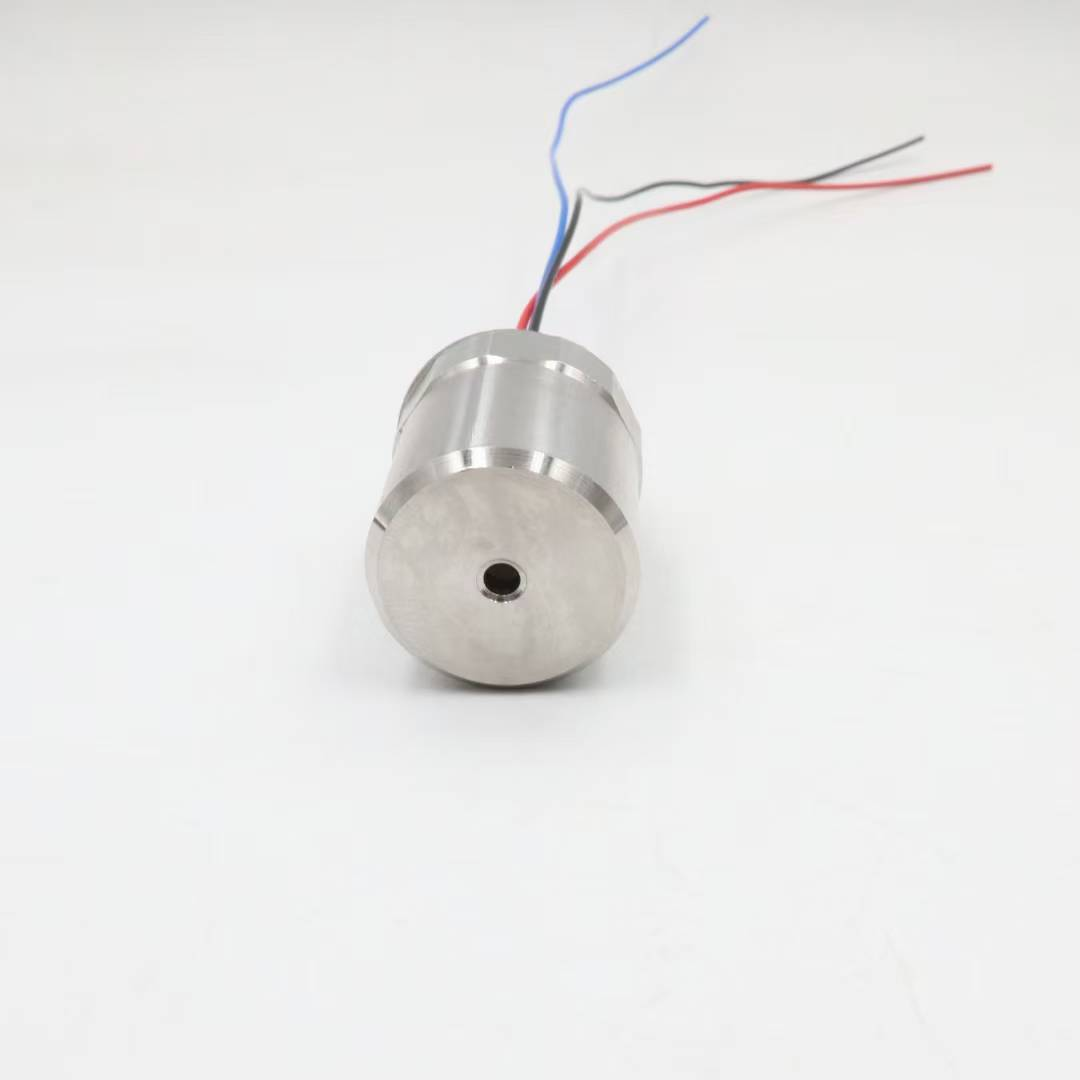
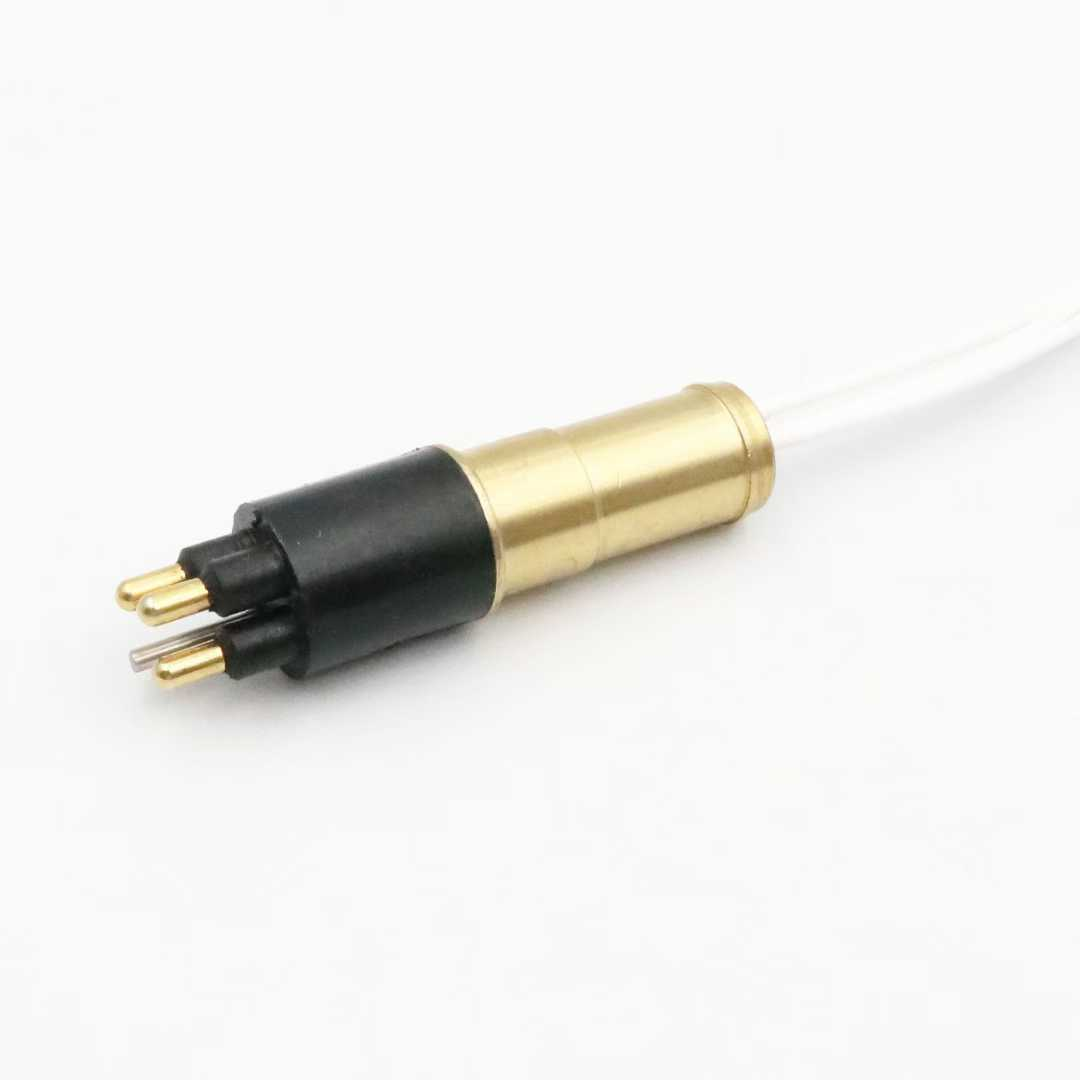
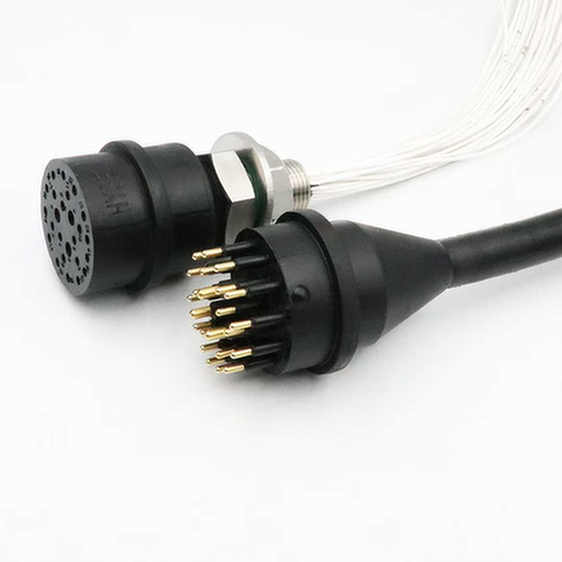
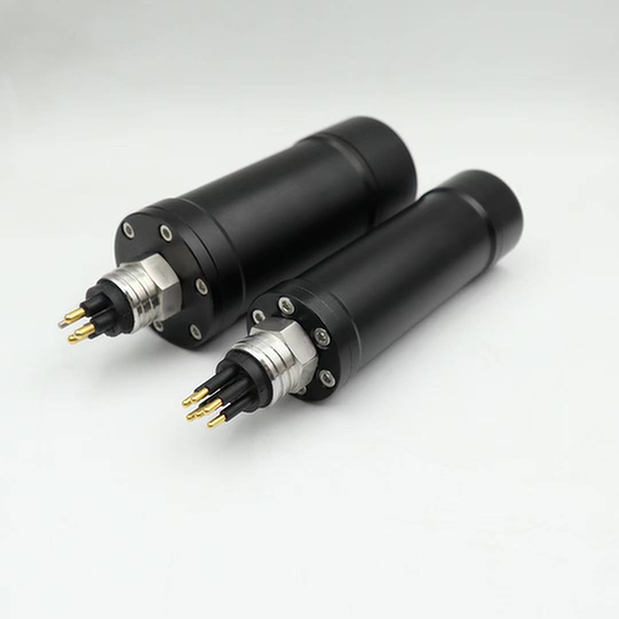
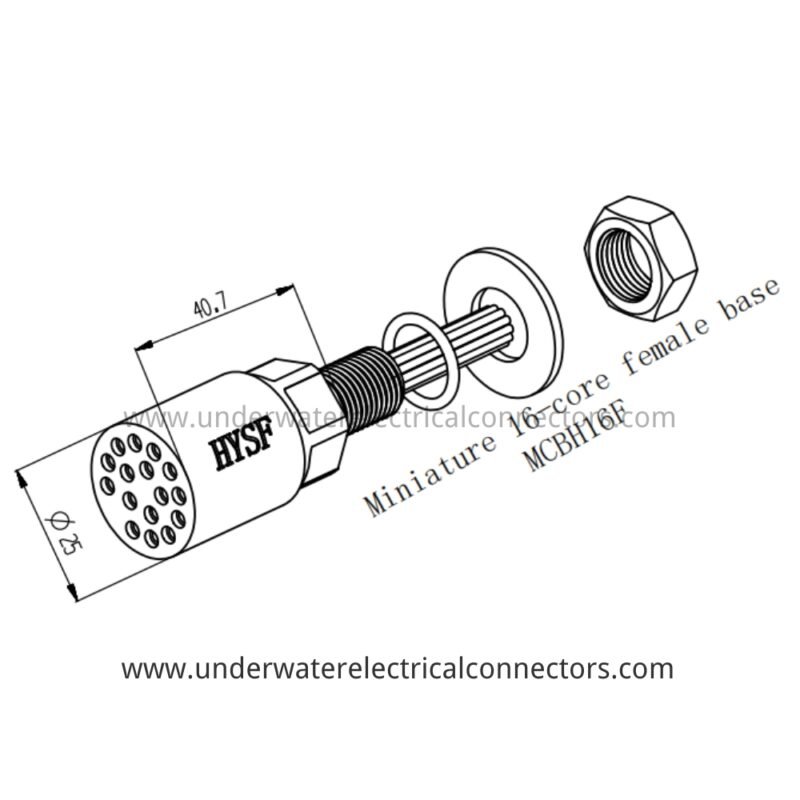
Traditional underwater connectors operate as passive components. Once installed, they provide no visibility until failure. Smart connectors embed intelligence at the connection point, continuously monitoring temperature, pressure, humidity, contact resistance, and mating cycles.
Market Drivers
1. System Complexity: Modern subsea systems have 50-100+ connections per asset.
2. Remote Operations: ROV, AUV, and USV growth demands self-diagnosing connectors.
3. Cost Pressure: Vessel time exceeds $500,000 per day. Predictive maintenance reduces OPEX.
4. Regulations: Safety rules increasingly mandate condition monitoring.
5. Data-Driven Operations: Real-time asset health visibility.
What Makes a Connector Smart
Embedded Sensors
อุณหภูมิ: Thermistors, RTDs, thermocouples. Range: -40C to +125C.
Pressure: MEMS sensors to 600 bar (6000m), +/-0.25% accuracy.
ความชื้น: Capacitive, 0-100% RH, +/-2% accuracy.
Contact Resistance: Four-wire measurement, 0.1 milliohm resolution.
Strain and Acceleration: Mechanical stress and vibration detection.
Data Processing
ARM Cortex-M microcontrollers process data locally, enabling edge computing.
Communication
Wired: RS-485/Modbus, Ethernet, CAN Bus
Wireless: Acoustic (long range), Optical (high bandwidth)
Power
Harvested from signal lines, external conductors, or batteries (5+ year life).
IoT Architecture
Edge Layer
- Sample sensors at appropriate rates
- Apply filtering
- Detect threshold violations
- Local data logging (32-128 MB)
Fog Layer
- Aggregate from multiple connectors
- Advanced analytics
- Local HMI
Cloud Layer
- MQTT data ingestion
- Time-series databases
- ML for predictive maintenance
- Dashboards and alerts
IoUT: Internet of Underwater Things
IoUT extends IoT to underwater environments. Network topologies:
Star: Central hub, simple but single point of failure.
Mesh: Multi-path routing, higher reliability.
Hybrid: Most common in production.
Protocols: MQTT, CoAP, OPC-UA, DDS
Predictive Maintenance
Rule-Based
Threshold alerts: IF temperature greater than 85C THEN alert.
Statistical
Control charts, trend analysis for gradual degradation.
Machine Learning
Supervised (trained on failures), Unsupervised (anomaly detection), Survival Analysis (RUL estimates).
Roadmap: Start rule-based, add trending, incorporate ML
2026 Products
Premium ($3-8k): SubConn IntelliLink, Oceaneering SmartMate
Mid ($1.5-4k): HYSF SmartConn Pro, Teledyne ODI SmartLink
Case Study: MBARI
180 smart connectors on 4 ROVs, 6 AUVs since 2023.
Results (24 months):
- 12 failures prevented, $2.4M savings
- Zero unplanned failures
- Replacements reduced 40%
- Maintenance interval: 18 to 30 months
- Costs reduced 35%
ROI: Offshore Wind (50 Turbines)
Traditional: 8 failures/yr x $150k + $400k scheduled = $1.6M/yr
Smart: 1 failure/yr x $150k + $360k scheduled = $510k/yr (Year 2+)
ROI: Payback less than 3 months, 5-Year NPV: $4.2M
Implementation
Phase 1 (1-2 mo): Assessment
Phase 2 (3-6 mo): Pilot (10-20 connectors)
Phase 3 (7-18 mo): Scale
Phase 4 (19+ mo): Optimize with ML
Challenges
Technical: Power budget, data management, calibration, cybersecurity
Organizational: Skills, process changes, change management
ค่าใช้จ่าย: 2-4x unit cost, infrastructure, ongoing expenses
แนวโน้มในอนาคต
- Edge AI
- Energy harvesting
- Digital twins
- Standardization
- Servitization
สรุป
Smart connectors offer tangible benefits. Recommendations:
- Start with critical applications
- Match capabilities to requirements
- Plan integration
- Invest in training
- Pilot small, scale fast
ติดต่อ
อีเมล: technical@hysfsubsea.com | Web: www.hysfsubsea.com
Disclaimer: March 2026. Consult qualified engineers.





 English
 Spanish
 Russian
 French
 German
 Korean
 Japanese
 Arabic
 Thai
Thai Danish
 Norwegian