...

When should I choose Titanium over Stainless Steel?

You should choose Titanium if your equipment is intended for long-term permanent deployment (e.g., ocean observatories) or extreme depths (>3,000m). Titanium is virtually immune to pitting and crevice corrosion in seawater and offers a superior strength-to-weight ratio, which is critical for buoyancy-sensitive vehicles.

While 316L is good, Titanium is the ultimate subsea metal.

  • Corrosion Immunity: unlike Stainless Steel, Titanium does not rely on a passive oxide layer that can be stripped away; it is chemically stable in chloride-rich environments.
  • Weight: Titanium is roughly 45% lighter than steel, allowing ROV designers to reduce the amount of syntactic foam (buoyancy material) required.
  • Cost: While the initial cost is higher, the “Total Cost of Ownership” is lower for long-term projects due to zero maintenance requirements.
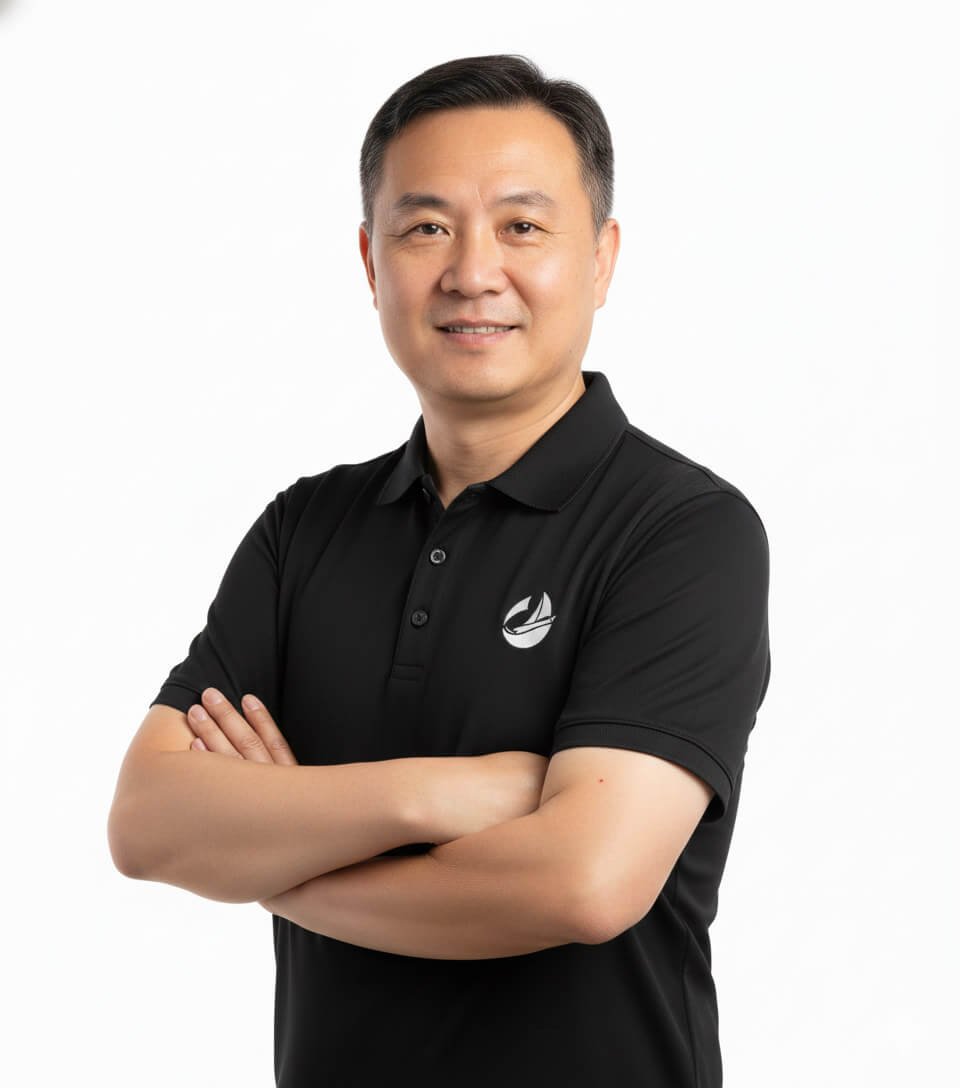
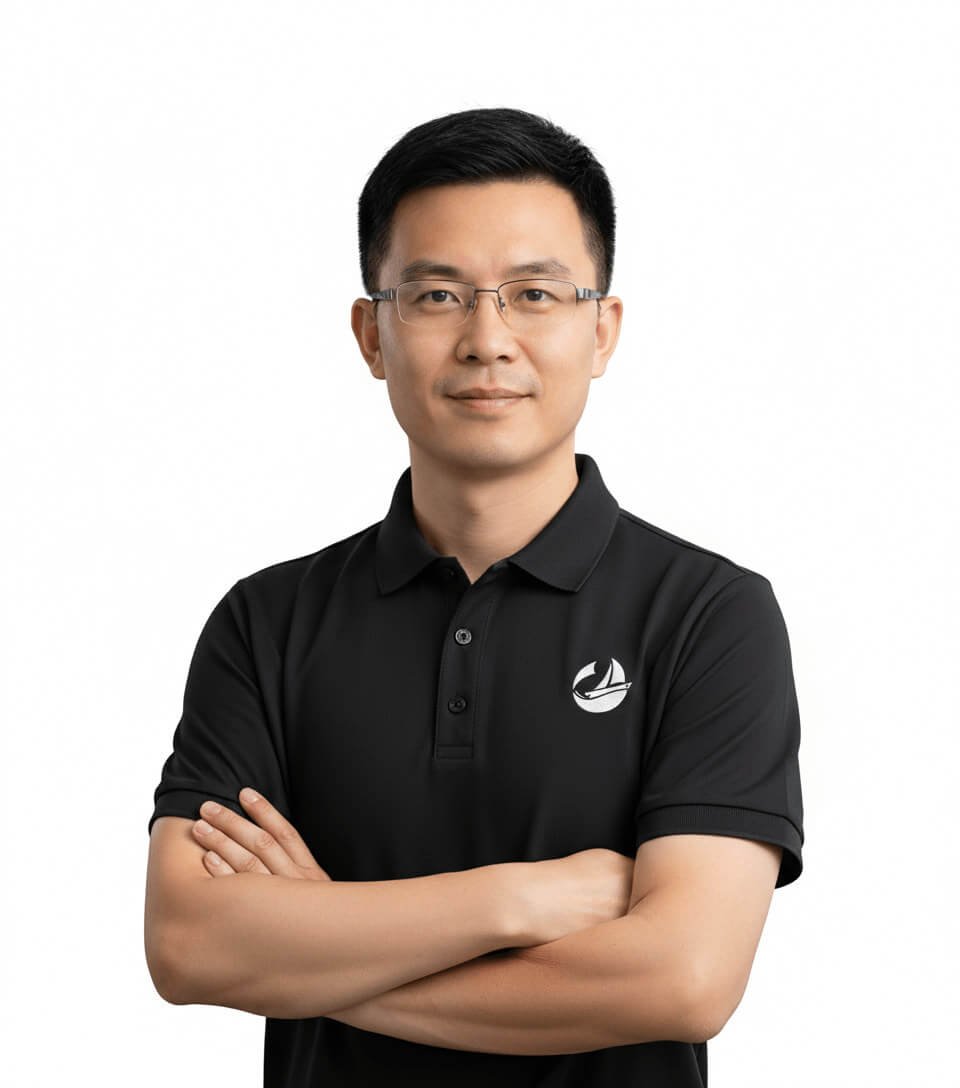
Picture of John Zhang

John Zhang

(CEO & Lead Engineer)
Email: [email protected]
With over 15 years of expertise in subsea interconnect technology, I lead HYSF's R&D team in designing high-pressure (60MPa) solutions. My focus is on ensuring zero-leakage reliability for ROVs, AUVs, and offshore instrumentation. I personally oversee the validation of our custom connector prototypes.
Have a complex technical question?

Proven Solutions in the Field

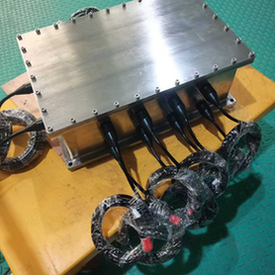
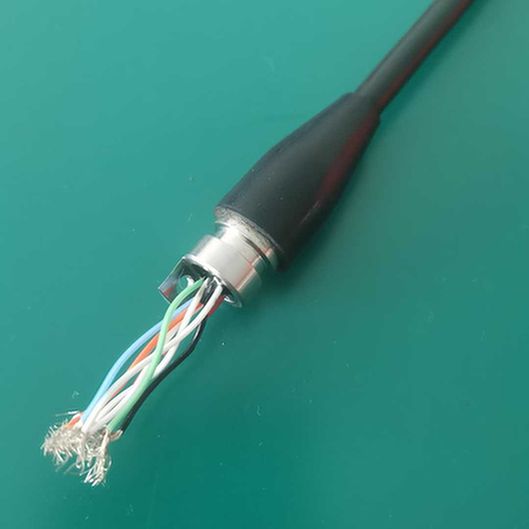
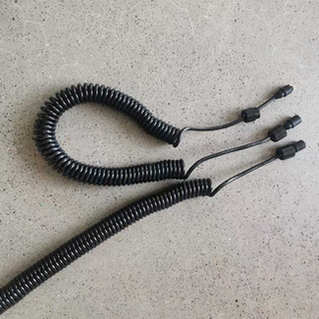
A showcase of our successful collaborations with global marine robotics, energy, and research partners. Every project reflects our commitment to zero-leak integrity and operational reliability.

Start Your Subsea Project with HYSF

Whether you need a quick quote for standard connectors or a complex custom cable assembly, our engineering team is ready to assist. Expect a technical response within 12 hours.

John Zhang

CEO

Jason Liu
Kevin Wang
Cindy Chen
Lily Li
Contact Form Demo
页眉表单