...

What is the difference between Neoprene and Polyurethane (PUR) bodies?

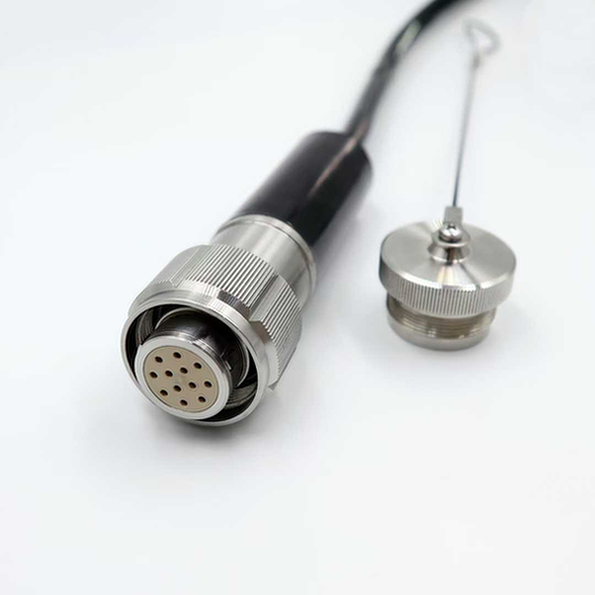
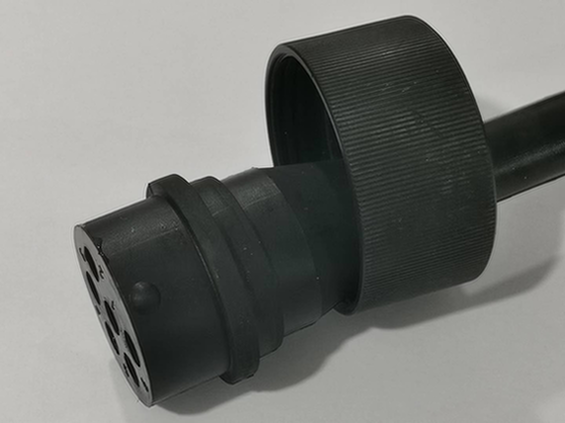
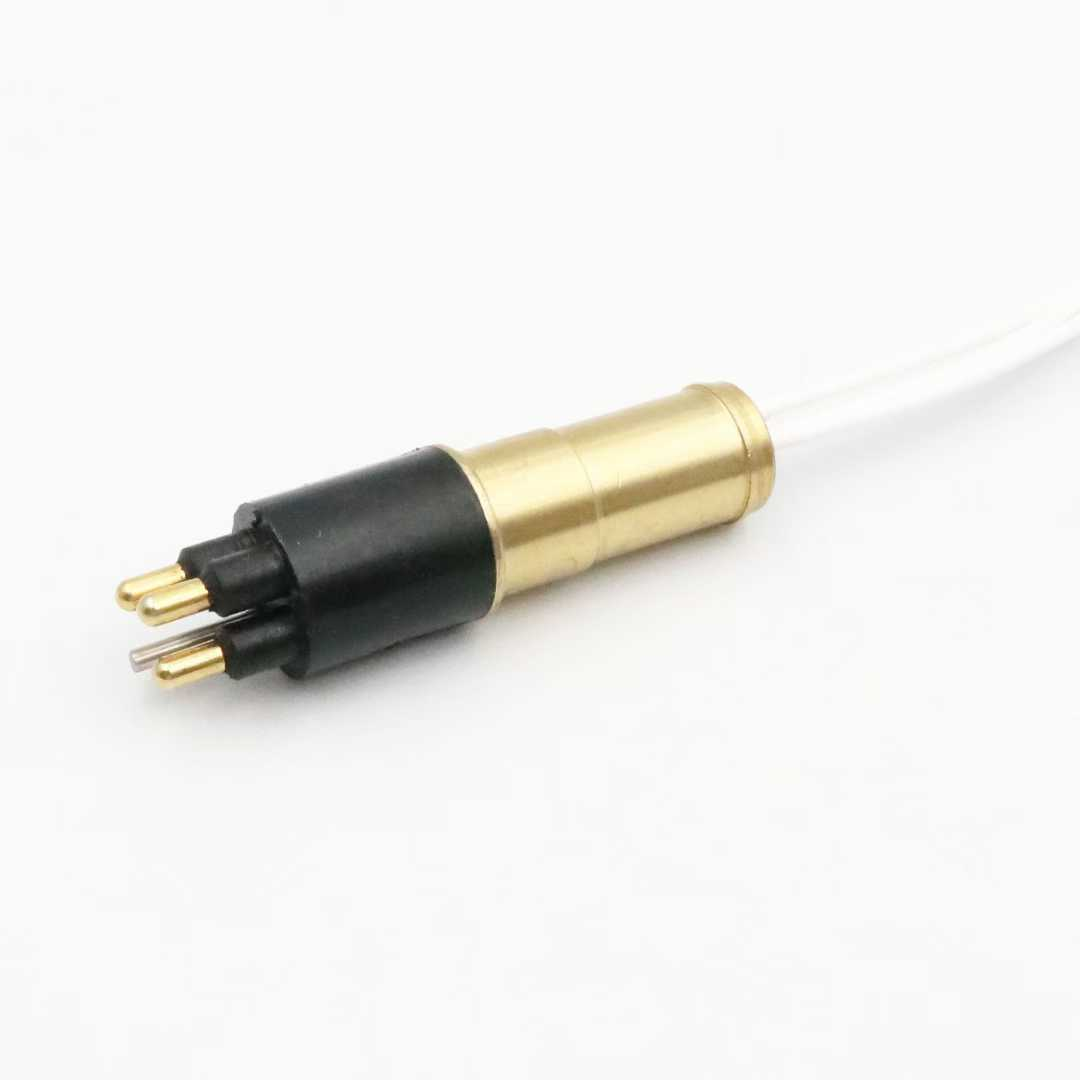
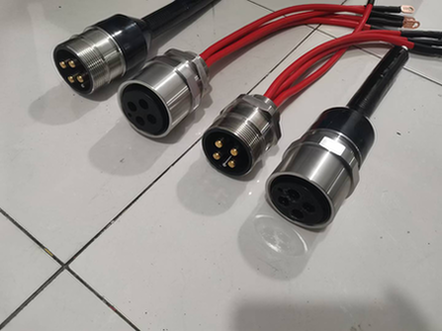
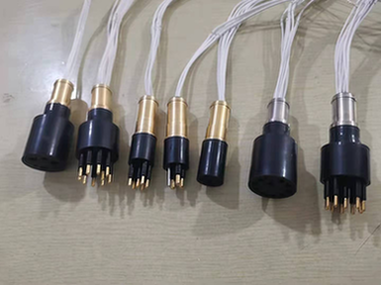
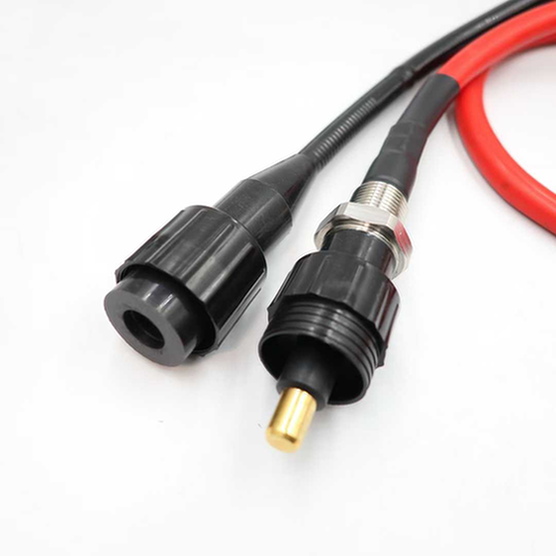
Neoprene (Chloroprene Rubber) is our standard material for “Wet-Mate” connectors due to its excellent flexibility and water-sealing memory. Polyurethane (PUR) is harder and tougher, offering superior abrasion and cut resistance. We recommend Neoprene for general sealing and PUR for high-wear components like cable strain reliefs.

The rubber body is the heart of the seal.

  • Neoprene: Has excellent resistance to seawater and UV. Its elasticity allows the socket to expand and seal repeatedly (500+ cycles) without permanent deformation (Compression Set).
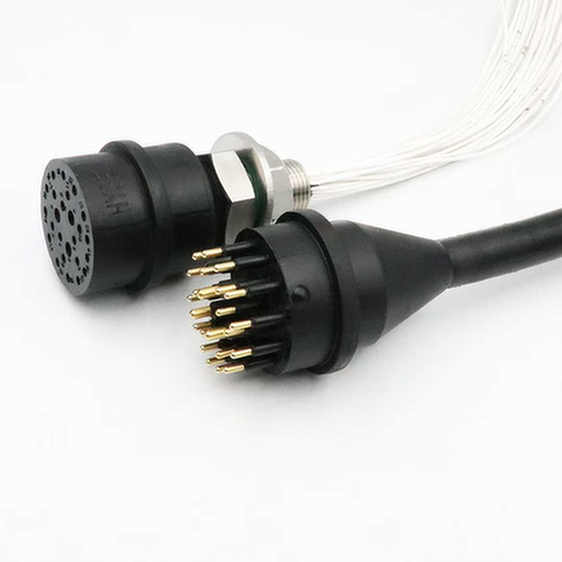
  • Polyurethane: While less flexible, it acts like “armor.” It is ideal for the cable jacketing and the molded boot area to prevent cuts from sharp rocks or corals during operation.
  • Bonding: Our High-Temperature Vulcanization ensures both materials chemically bond to the metal shell, creating a watertight unibody.
Picture of John Zhang

John Zhang

(CEO & Lead Engineer)
Email: [email protected]
With over 15 years of expertise in subsea interconnect technology, I lead HYSF's R&D team in designing high-pressure (60MPa) solutions. My focus is on ensuring zero-leakage reliability for ROVs, AUVs, and offshore instrumentation. I personally oversee the validation of our custom connector prototypes.

Have a complex technical question?

Proven Solutions in the Field

A showcase of our successful collaborations with global marine robotics, energy, and research partners. Every project reflects our commitment to zero-leak integrity and operational reliability.
Start Your Subsea Project with HYSF

Whether you need a quick quote for standard connectors or a complex custom cable assembly, our engineering team is ready to assist. Expect a technical response within 12 hours.

John Zhang

CEO

Jason Liu
Kevin Wang
Cindy Chen
Lily Li
Contact Form Demo
页眉表单