What is the difference between Neoprene and Polyurethane (PUR) bodies?

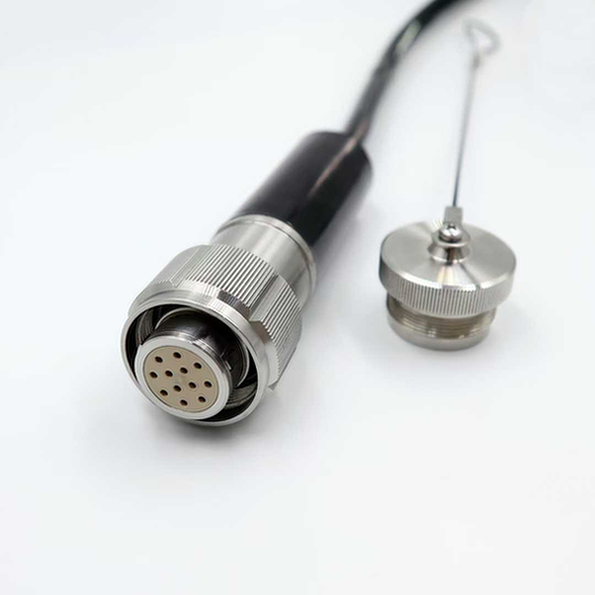
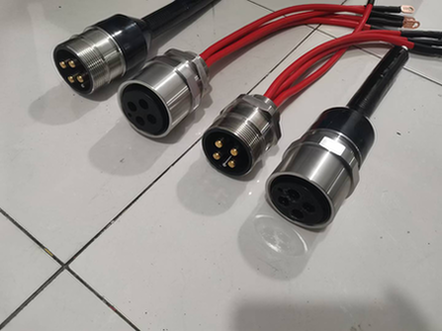
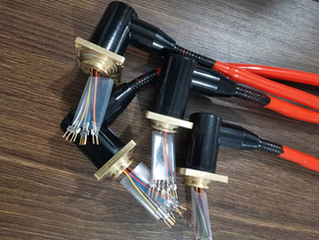
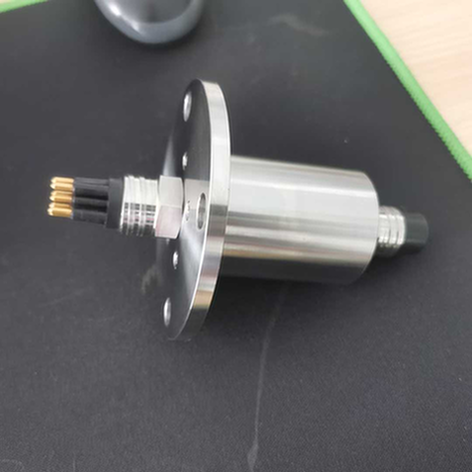
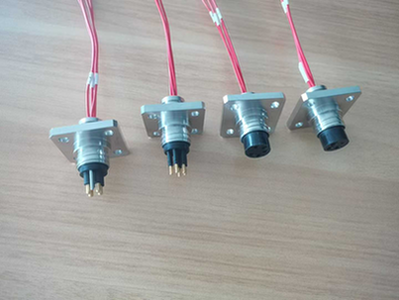
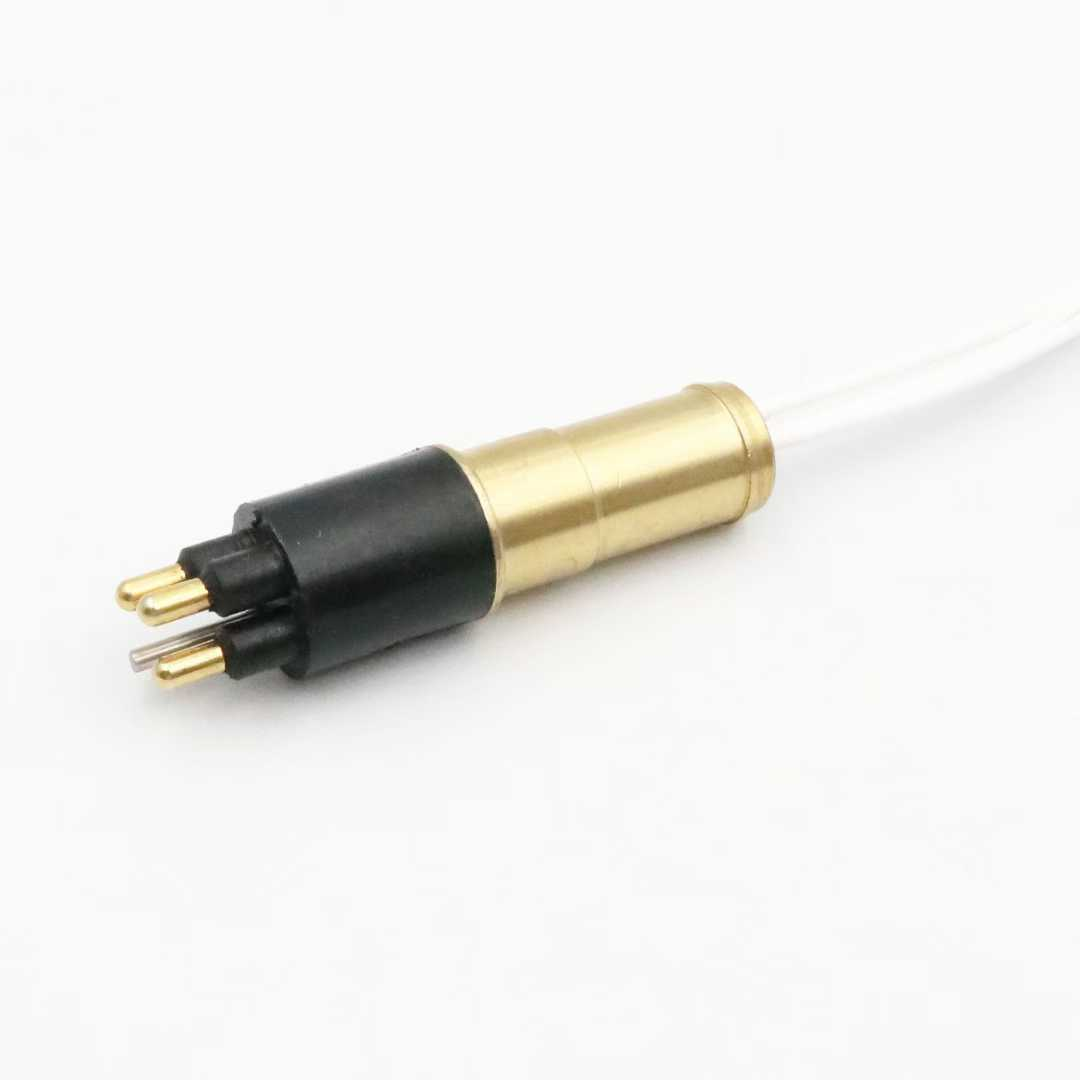
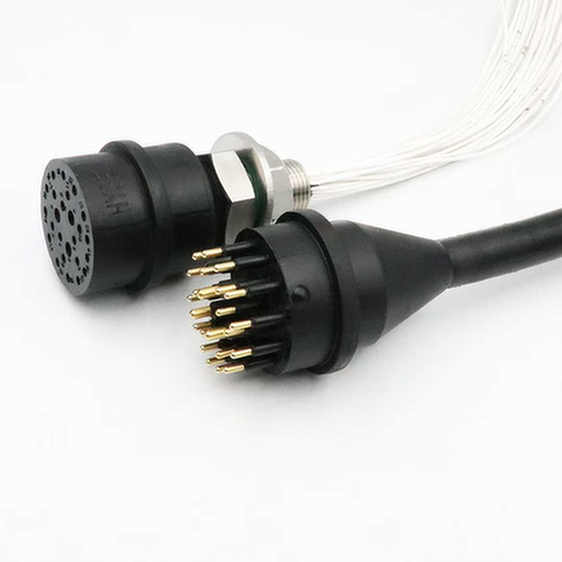
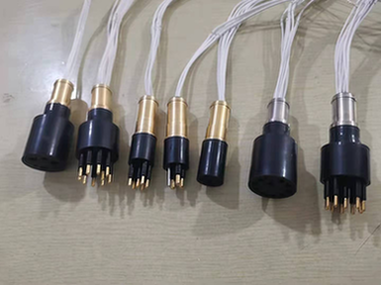
Neoprene (Chloroprene Rubber) is our standard material for “Wet-Mate” connectors due to its excellent flexibility and water-sealing memory. Polyurethane (PUR) is harder and tougher, offering superior abrasion and cut resistance. We recommend Neoprene for general sealing and PUR for high-wear components like cable strain reliefs.

The rubber body is the heart of the seal.

  • Neoprene: Has excellent resistance to seawater and UV. Its elasticity allows the socket to expand and seal repeatedly (500+ cycles) without permanent deformation (Compression Set).
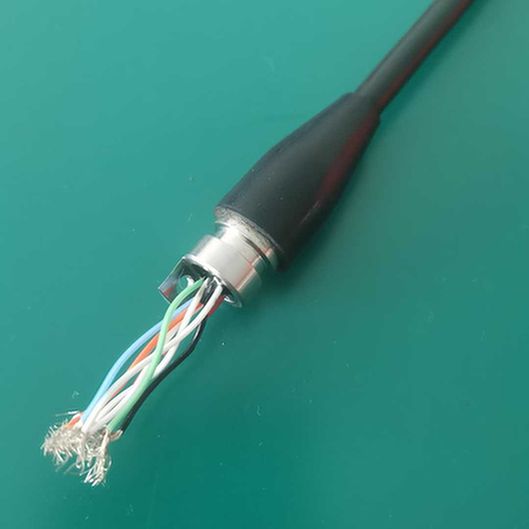
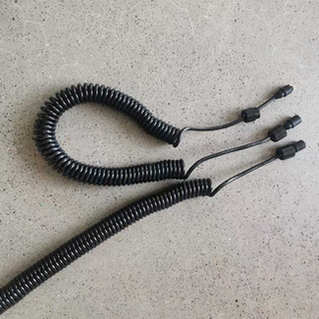
  • Polyurethane: While less flexible, it acts like “armor.” It is ideal for the cable jacketing and the molded boot area to prevent cuts from sharp rocks or corals during operation.
  • Bonding: لدينا High-Temperature Vulcanization ensures both materials chemically bond to the metal shell, creating a watertight unibody.
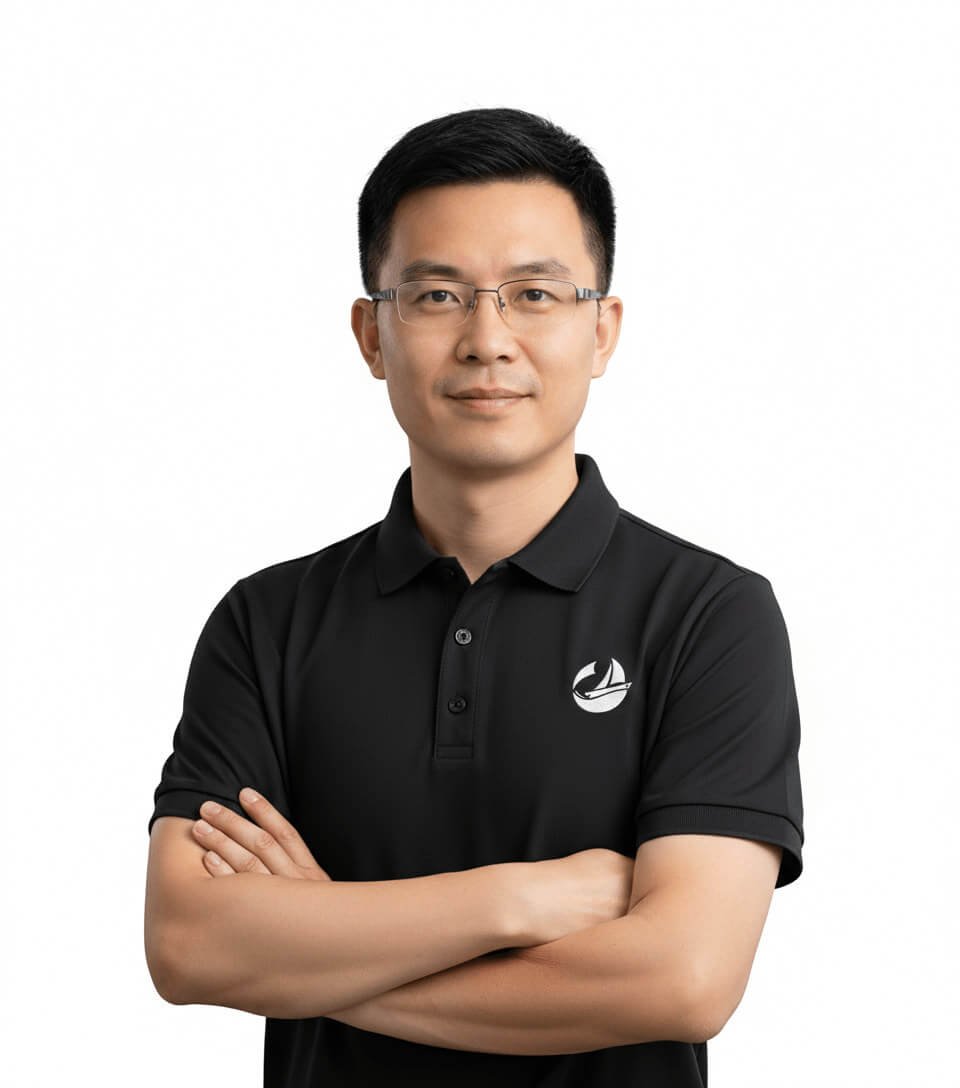
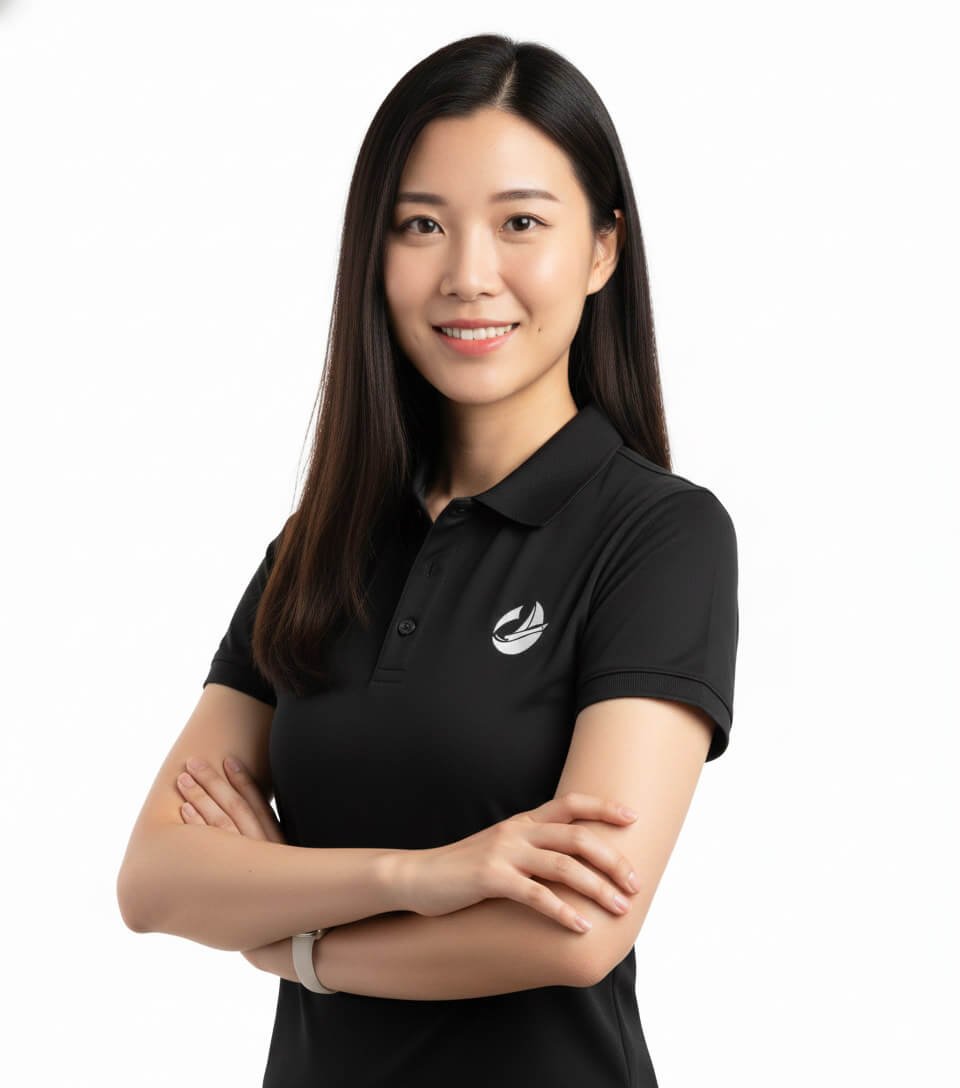
صورة John Zhang

جون زانغ

(الرئيس التنفيذي والمهندس الرئيسي)
البريد الإلكتروني: info@hysfsubsea.com
مع أكثر من 15 عامًا من الخبرة في مجال تكنولوجيا التوصيل البيني تحت سطح البحر، أقود فريق البحث والتطوير في HYSF في تصميم حلول الضغط العالي (60 ميجا باسكال). وينصب تركيزي على ضمان موثوقية عدم التسرب للمركبات التي تعمل تحت سطح البحر والمركبات ذاتية القيادة والمركبات ذاتية الحركة والأجهزة البحرية. وأشرف شخصياً على التحقق من صحة نماذج الموصلات المخصصة لدينا.

هل لديك سؤال تقني معقد؟

حلول مثبتة في الميدان

عرض لتعاوننا الناجح مع شركائنا العالميين في مجال الروبوتات البحرية والطاقة والأبحاث. يعكس كل مشروع التزامنا بسلامة عدم التسرب والموثوقية التشغيلية.

ابدأ مشروعك تحت سطح البحر مع HYSF

سواء كنت بحاجة إلى عرض أسعار سريع للموصلات القياسية أو مجموعة كبلات مخصصة معقدة، فإن فريقنا الهندسي مستعد للمساعدة. توقع الحصول على رد فني في غضون 12 ساعة.

جون زانغ

الرئيس التنفيذي

جيسون ليو
كيفن وانغ
سيندي تشين
ليلي لي
عرض نموذج الاتصال التوضيحي