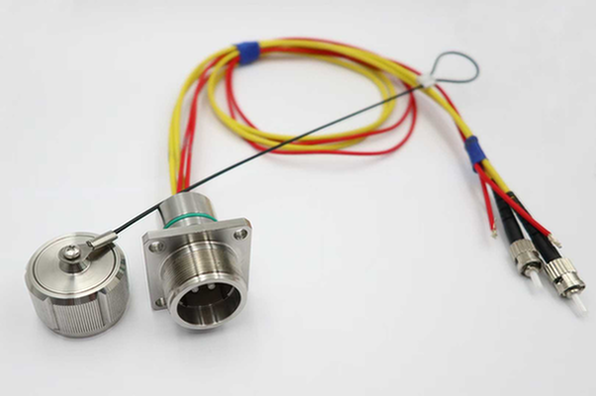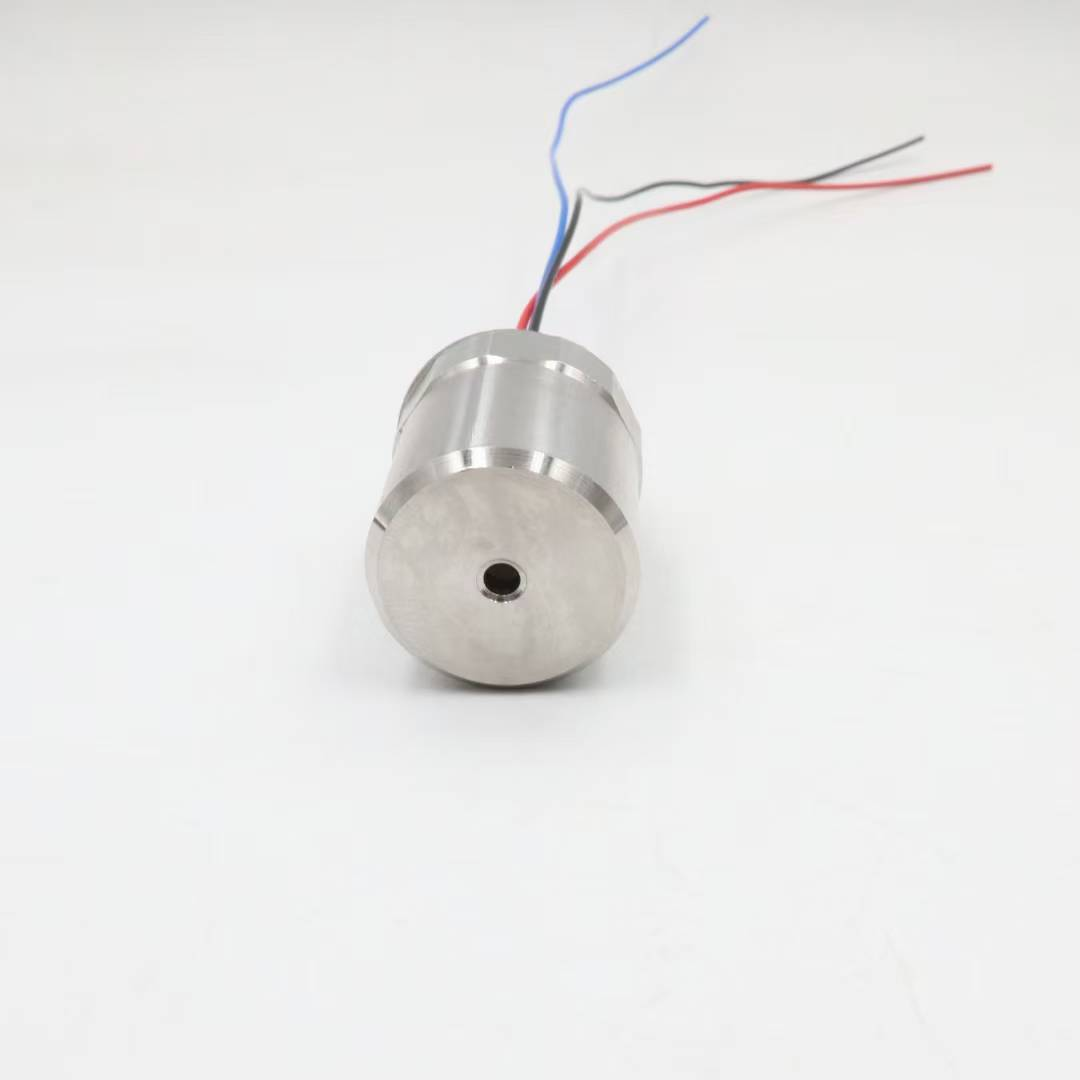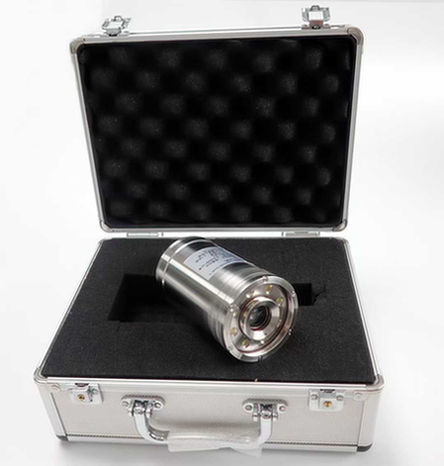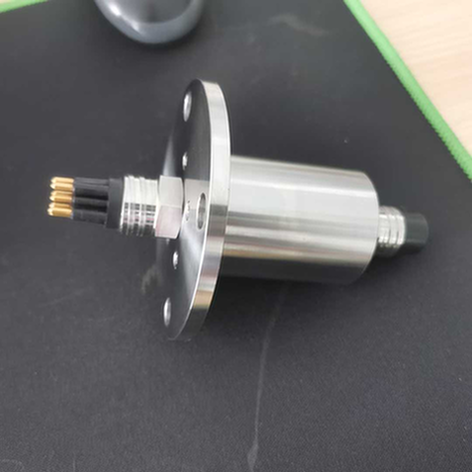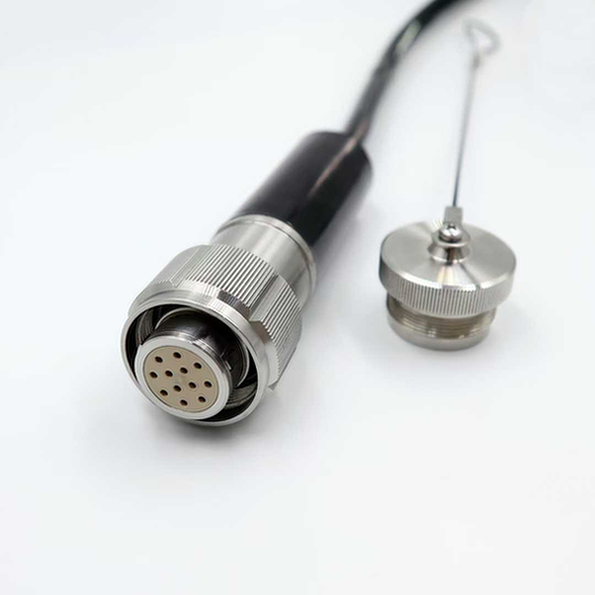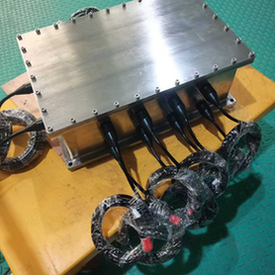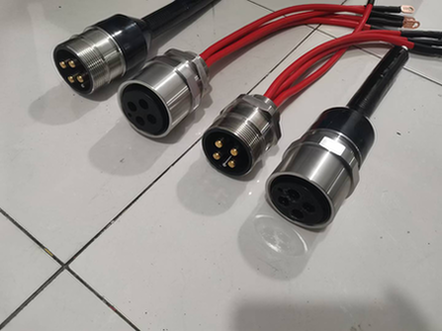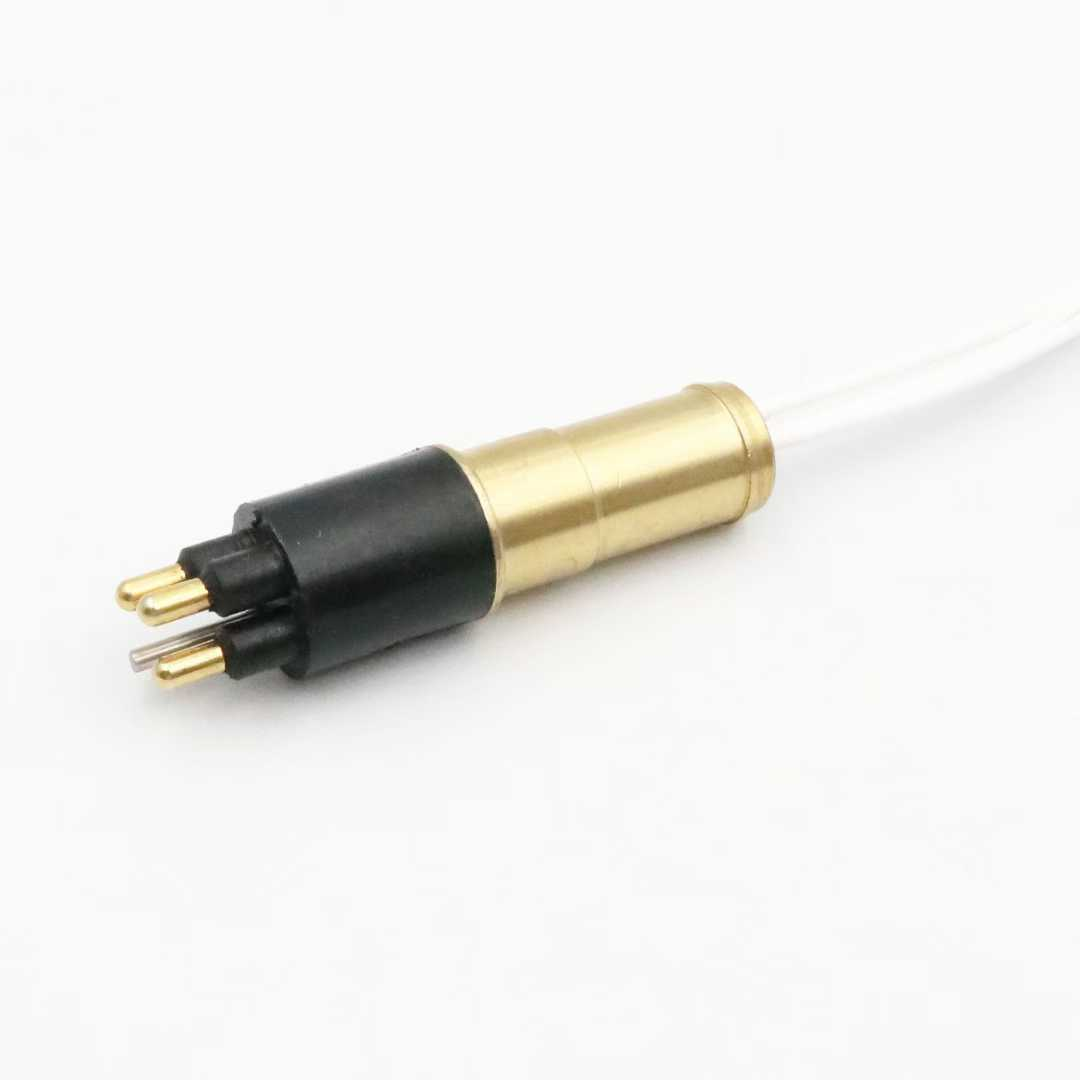
Quick Answer: After 2 years continuous immersion, connectors need thorough inspection but not necessarily replacement. Key checks: 1) Visual inspection for corrosion, 2) O-ring condition (likely need replacement), 3) Electrical testing, 4) Pressure test if possible. If no leaks and passes tests, can continue use with fresh O-rings. For critical applications, consider proactive replacement. Many HYSF connectors operate 5+ years in continuous immersion with proper maintenance. Schedule inspection within next maintenance window.
Long-Term Immersion: Inspection & Replacement Guide
2-Year Immersion Assessment
Short answer: 2 years continuous immersion is within normal service life, but requires thorough inspection before continuing use.
Expected Condition After 2 Years
| Component | Expected Condition | Action Needed |
|---|---|---|
| Housing (316L stainless) | Good, possible surface corrosion | Inspect, clean |
| O-rings | Degraded, compressed | Replace (mandatory) |
| Electrical contacts | Good if sealed properly | Inspect, clean if needed |
| Threads | Good, possible minor corrosion | Clean, lubricate |
| Cable jacket | May show wear/swelling | Inspect carefully |
Mandatory Inspection Steps
Step 1: Recovery and Initial Rinse
- Recover ROV carefully
- Rinse entire system with fresh water immediately
- Don’t disconnect connectors yet (pressure differential)
- Allow to dry in clean environment (24-48 hours)
Step 2: Visual Inspection (Before Disassembly)
- Check for obvious damage (cracks, dents)
- Look for corrosion (especially around seams)
- Inspect cable entry points
- Check for biofouling (marine growth)
- Document condition with photos
Step 3: Disassembly and Detailed Inspection
- Disconnect connectors carefully
- Inspect mating interfaces
- Remove and inspect O-rings
- Check for moisture inside connector
- Inspect electrical contacts
- Look for corrosion or deposits
Step 4: O-Ring Assessment
After 2 years immersion, expect:
- 🔴 Compression set (flattened)
- 🔴 Hardening or softening
- 🔴 Possible cracks
- 🔴 Loss of elasticity
Recommendation: Replace all O-rings regardless of appearance
Step 5: Electrical Testing
- Continuity test: each pin should conduct
- Insulation resistance: >1000 megohms between pins
- Insulation resistance: >1000 megohms pin-to-housing
- Document all readings
- Investigate any anomalies
Step 6: Pressure Test (If Possible)
- Reassemble with new O-rings
- Pressure test to rated depth
- Hold for 24 hours
- Check for leaks
- Inspect internally after test
Decision Matrix: Replace or Continue?
| Condition | Decision | Reasoning |
|---|---|---|
| No moisture, passes electrical test, housing good | Continue with new O-rings | Connector still functional |
| Minor surface corrosion, otherwise good | Clean, continue with new O-rings | Surface corrosion cosmetic |
| Moisture inside but no corrosion | Dry thoroughly, replace O-rings, retest | Seal failed but no damage yet |
| Moisture with contact corrosion | Udskift stik | Corrosion will worsen |
| Housing cracks or damage | Udskift stik | Structural integrity compromised |
| Thread damage | Udskift stik | Can’t seal properly |
| Critical application + 2+ years | Consider proactive replacement | Risk vs cost analysis |
Industry Experience
Case Study 1: Aquaculture Installation
Application: Underwater camera system, salmon farm
Immersion time: 3 years continuous
Condition: Surface corrosion, O-rings hardened
Action: Replaced O-rings, cleaned, continued use
Result: Another 2 years successful operation
Case Study 2: Research ROV
Application: Deep water research ROV
Immersion time: 18 months (intermittent use)
Condition: Excellent, no issues
Action: Replaced O-rings, preventive maintenance
Result: Continued use, no failures
Case Study 3: Offshore Monitoring
Application: Subsea monitoring station
Immersion time: 5 years continuous
Condition: Significant corrosion, seal failure
Action: Replaced all connectors
Result: System restored, 5-year interval adopted
Factors Affecting Longevity
Positive Factors (Extend Life)
- ✅ 316L stainless steel or titanium housing
- ✅ Quality O-rings (Viton)
- ✅ Proper installation
- ✅ Stable environment (no temperature swings)
- ✅ Clean water (low pollution)
- ✅ No mechanical stress or movement
Negative Factors (Reduce Life)
- ❌ Inferior materials (304 stainless, aluminum)
- ❌ Poor installation (pinched O-rings)
- ❌ Temperature cycling
- ❌ Polluted water (industrial, harbor)
- ❌ Mechanical stress (current, movement)
- ❌ Biofouling (marine growth)
- ❌ Stray currents (galvanic corrosion)
Proactive Replacement Considerations
When to Replace Proactively
Consider replacement even if passing tests:
- Critical application: Can’t afford failure
- Hard to access: Expensive recovery
- Deep water: High consequence of failure
- Extended deployment planned: Going back in for 2+ more years
- Signs of degradation: Even if still functional
Cost-Benefit Analysis
| Scenarie | Proactive Replace | Run to Failure |
|---|---|---|
| Connector cost | $400 | $0 (until failure) |
| Replacement labor | $200 | $200 |
| Recovery cost (if failure) | $0 | $10,000+ |
| Downtime cost | $0 | $5,000+/day |
| Total risk cost | $600 | $15,000+ |
Recommendation for Your Situation
For 2-Year Continuous Immersion:
- Immediate: Schedule inspection within next maintenance window
- Mandatory: Replace all O-rings
- Recommended: Full electrical testing
- If possible: Pressure testing
- Decision: Based on inspection results
- For critical applications: Consider proactive replacement
Going Forward:
- Inspection interval: Every 1-2 years for continuous immersion
- O-ring replacement: Every 1-2 years
- Expected service life: 5-10 years with proper maintenance
Need Replacement Connectors?
If inspection reveals need for replacement:
- 📧 Email: sales@hysfsubsea.com
- Include: Current model, quantity, application
- We offer: Rush production for critical replacements
Related: Maintenance Guide | ROV Solutions
Need inspection help? Email support@hysfsubsea.com with your具体情况.


 English
 Spanish
 Russian
 French
 German
 Korean
 Japanese
 Arabic
 Thai
Thai Danish
 Norwegian