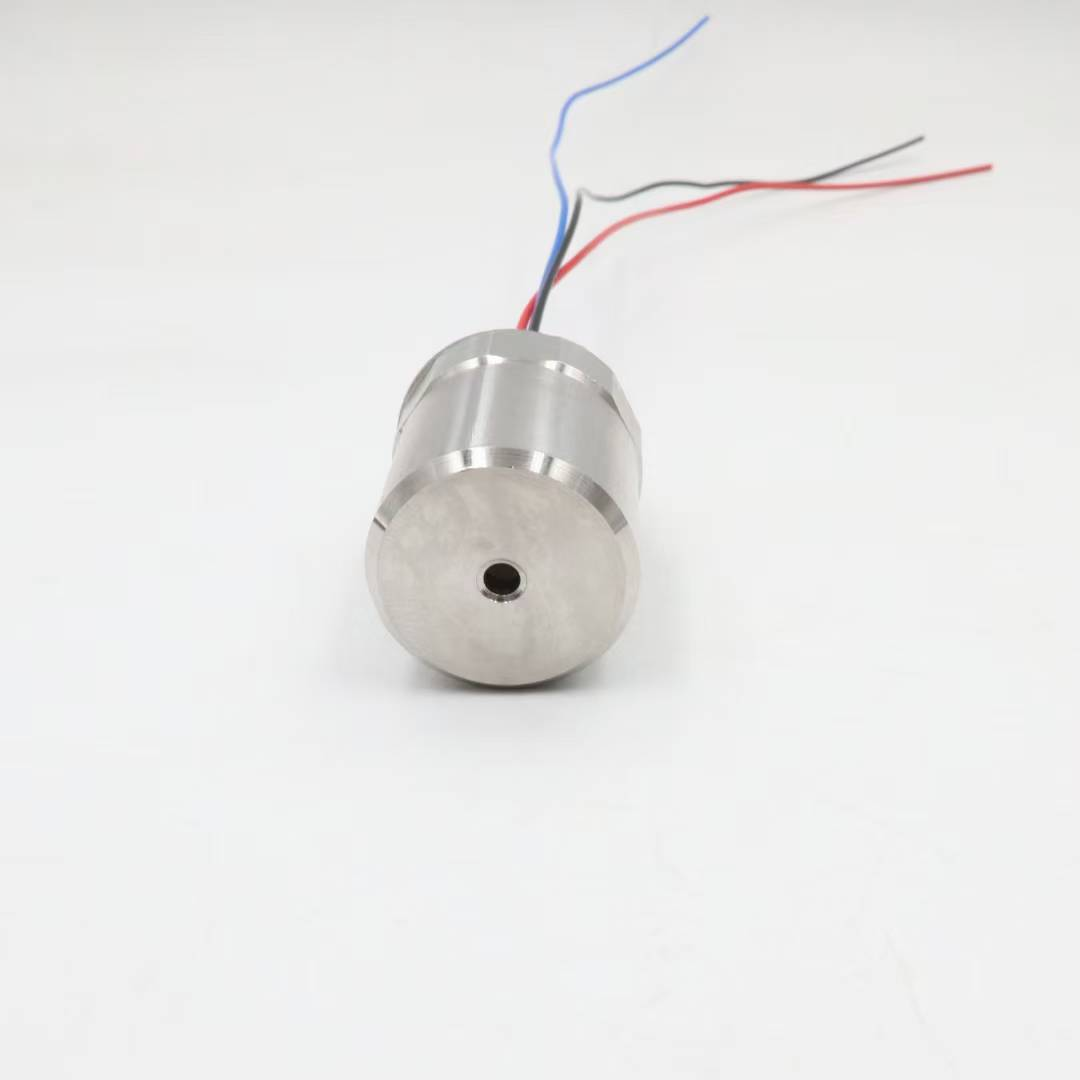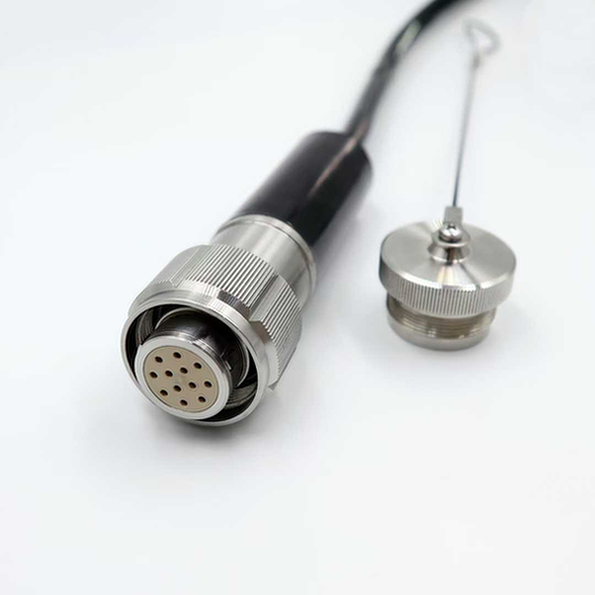
Quick Answer: Material selection depends on your water type and conditions. Quick guide: Freshwater = 304 or 316L stainless (both fine). Saltwater = 316L stainless minimum. Harsh saltwater (hot, polluted, high flow) = Duplex stainless or Titanium. Extreme depth/weight critical = Titanium. Avoid aluminum in saltwater (corrodes quickly). Tell us your environment and we’ll recommend the right material. 316L stainless works for 90% of marine applications and is our standard offering.
Material Selection Guide
Quick Material Selector
| Your Environment | Minimum Material | Recommended | Premium Option |
|---|---|---|---|
| Freshwater (lake, river) | 304 Stainless | 316L Stainless | Titanium |
| Brackish water (estuary) | 316L Stainless | 316L Stainless | Duplex/Titanium |
| Saltwater (ocean, standard) | 316L Stainless | 316L Stainless | Titanium |
| Hot saltwater (>30°C) | 316L Stainless | Duplex 2205 | Titanium Gr5 |
| Polluted water (harbor, industrial) | 316L Stainless | Duplex 2205 | Titanium Gr5 |
| High flow/turbulent water | 316L Stainless | Duplex 2205 | Titanium Gr5 |
| Deep water (>2000m) | 316L Stainless | High-strength stainless | Titanium Gr5 |
| Weight critical (AUV, portable) | 316L Stainless | Titanium Gr5 | Titanium Gr5 |
Material Options Explained
304 Stainless Steel
- Best for: Freshwater, occasional saltwater exposure
- Pros: Lowest cost, good general corrosion resistance
- Cons: Not ideal for continuous saltwater immersion
- Cost: $ (baseline)
- HYSF use: Freshwater applications only
316L Stainless Steel (Our Standard)
- Best for: 90% of marine applications
- Pros: Excellent saltwater resistance, good strength, reasonable cost
- Cons: Can experience crevice corrosion in stagnant conditions
- Cost: $$ (20-30% more than 304)
- HYSF use: Standard material for all saltwater connectors
Duplex 2205 Stainless
- Best for: Harsh marine environments
- Pros: 2x corrosion resistance vs 316L, higher strength
- Cons: Higher cost, longer lead time
- Cost: $$$ (50-80% more than 316L)
- HYSF use: Available for harsh environment applications
Titanium Grade 5 (Ti-6Al-4V)
- Best for: Extreme conditions, weight-critical applications
- Pros: Virtually immune to corrosion, 45% lighter than steel, very strong
- Cons: Premium cost, longer lead time
- Cost: $$$$ (3-5x more than 316L)
- HYSF use: Deep water, high-performance applications
Aluminum (Anodized)
- Best for: Freshwater only, budget applications
- Pros: Lightweight, low cost
- Cons: Poor saltwater performance, galvanic corrosion risk
- Cost: $ (similar to 304)
- HYSF use: Not recommended for marine use
Environment-Specific Recommendations
Freshwater Applications
Examples: Lakes, rivers, pools, tanks, freshwater aquaculture
- Recommended: 316L stainless (standard)
- Why: Good corrosion resistance, cost-effective
- Avoid: Nothing specific, all materials work in freshwater
Coastal Saltwater
Examples: Harbors, bays, coastal aquaculture, shallow ROV
- Recommended: 316L stainless (standard)
- Why: Proven performance in typical saltwater
- Avoid: Aluminum, plain carbon steel
Open Ocean
Examples: Offshore oil & gas, deep water ROV, oceanographic
- Recommended: 316L stainless (standard), Titanium for critical
- Why: Continuous immersion, higher salinity
- Avoid: 304 stainless, aluminum
Harsh Environments
Examples: Hot water (>30°C), polluted harbors, high flow areas
- Recommended: Duplex 2205 or Titanium
- Why: Enhanced corrosion resistance
- Avoid: Standard 316L for critical applications
Deep Water (>2000m)
Examples: Deep sea research, subsea construction, deep ROV
- Recommended: Titan Grad 5
- Why: Strength at extreme pressure, corrosion resistance
- Avoid: Standard stainless may deform at extreme depths
Galvanic Corrosion Warning
Problem: Connecting different metals in saltwater causes rapid corrosion
Example: Aluminum connector on steel housing = aluminum corrodes quickly
Solutions:
- Use same material for connector and housing when possible
- If different materials needed, use insulating gaskets
- Apply protective coatings
- Use sacrificial anodes
Material Comparison Table
| Property | 304 SS | 316L SS | Duplex 2205 | Titanium Gr5 |
|---|---|---|---|---|
| Korrosionsbeständigkeit | Gut | Ausgezeichnet | Herausragend | Virtually immune |
| Strength | Gut | Gut | Very High | Very High |
| Weight | Heavy | Heavy | Heavy | 45% lighter |
| Kosten | $ | $$ | $$$ | $$$$ |
| Availability | Hoch | Hoch | Mittel | Mittel |
| Best for | Freshwater | Standard marine | Harsh marine | Extreme/weight critical |
Still Unsure?
Tell us about your application:
- 📧 Email: sales@hysfsubsea.com
- Include: Water type, temperature, depth, deployment type
- We’ll recommend: Best material for your needs and budget
Related: Materials Guide | Kontakt
Need material advice? Email sales@hysfsubsea.com with your environment details.









 English
 Spanish
 Russian
 French
 German
 Korean
 Japanese
 Arabic
 Thai
Thai Danish
 Norwegian