Aller au contenu

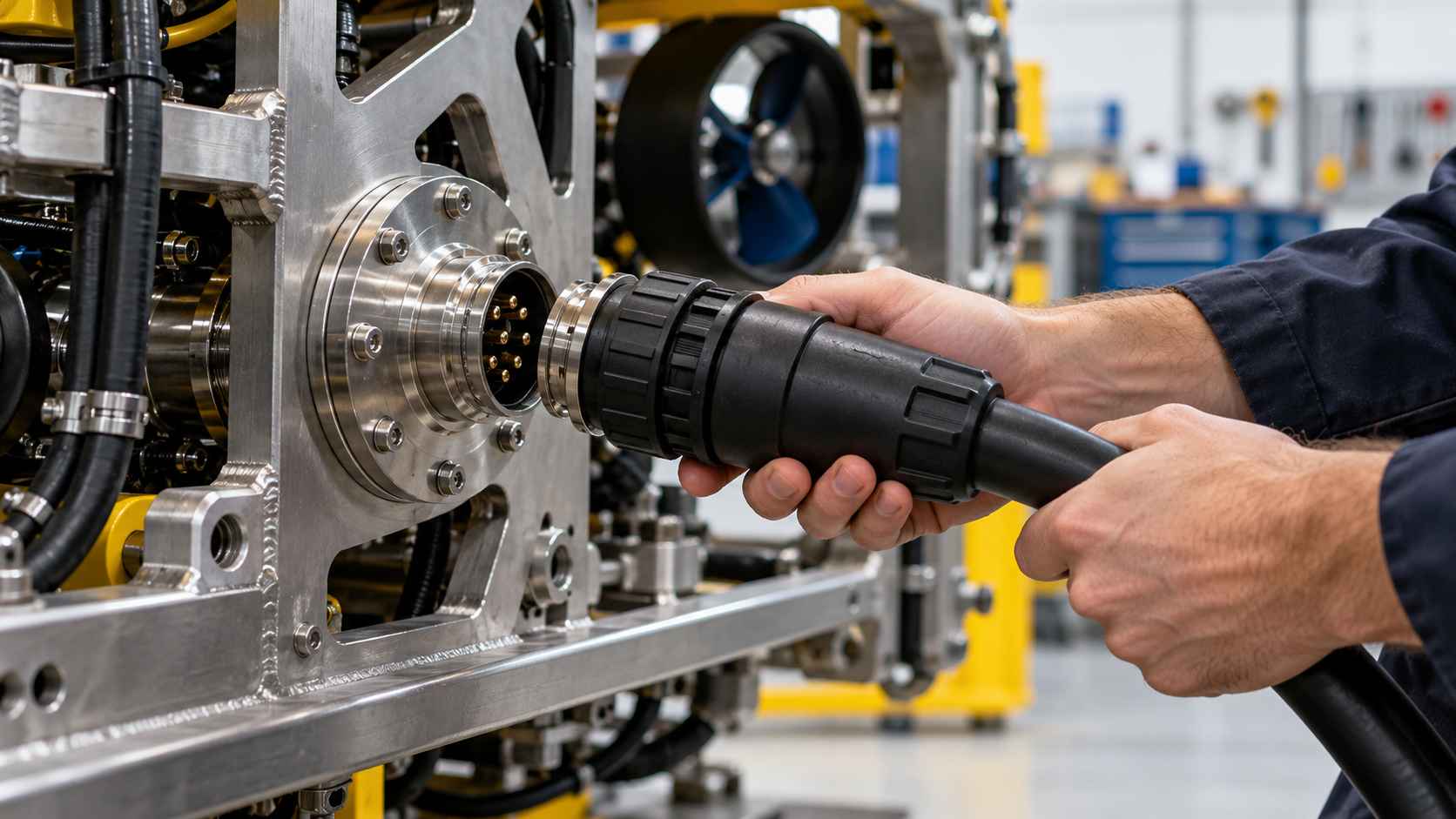
If you build or maintain ROVs, AUVs, oceanographic instruments or offshore equipment, there’s a good chance your system already uses SubConn style connectors. They’ve become something of an industry default, and for good reason. But “default” can come with long lead times and a price tag that’s hard to justify when you need dozens of connectors for a single build or a quick replacement before a deployment window closes.
That’s why more engineering and procurement teams are looking at SubConn compatible connectors: parts that match the same mating interface, mounting dimensions and pin layout, so they can drop straight into an existing design.
This guide explains what “compatible” really means, what to check before you switch, and how to make the move without putting your system at risk.
What Is a SubConn Compatible Connector?

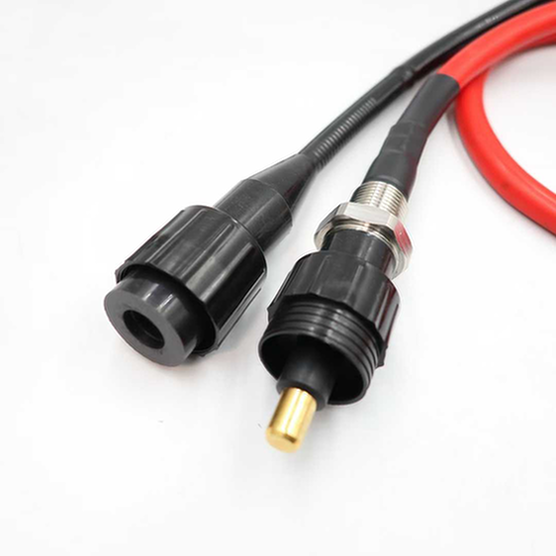
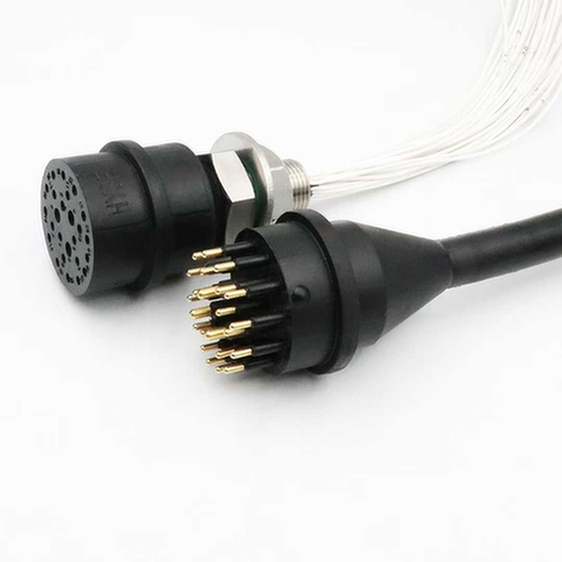
A SubConn compatible connector is an underwater connector built to mate with, and physically replace, connectors from the SubConn range (a MacArtney brand). In practice, that means it shares:
- The same mating interface, so a compatible plug mates with an existing SubConn receptacle and vice versa
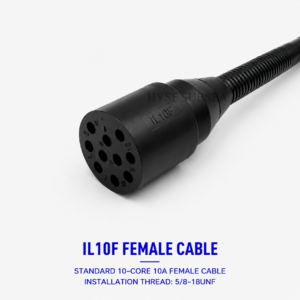
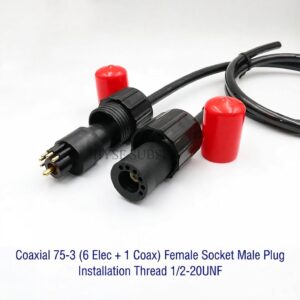
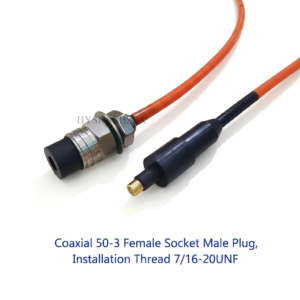
- The same mounting dimensions and threads, such as 7/16-20UNF, 1/2-20UNF or 5/8-18UNF bulkhead threads
- The same pin count and contact layout, so wiring and pinouts stay unchanged
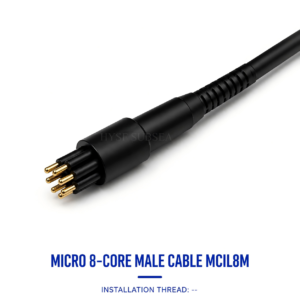
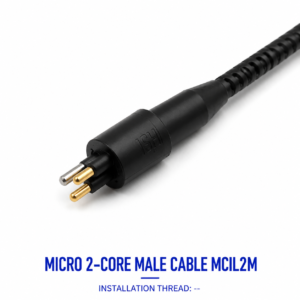
- Similar naming conventions, which makes cross-referencing easier (for example MCBH for micro bulkhead or MCIL for micro inline)
The key point is that nothing else in your system needs to change. Your housing stays the same, your cable harness stays the same, and your existing spares remain usable.
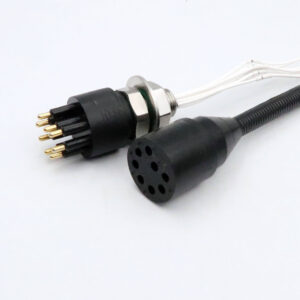
Examples of HYSF Compatible Models
| HYSF product | Compatible interface / part style | Thread | Typical use |
|---|---|---|---|
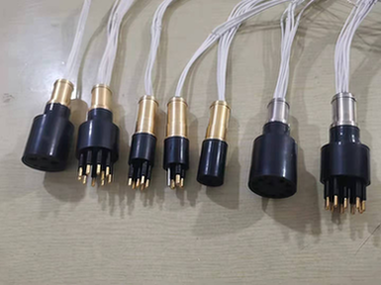
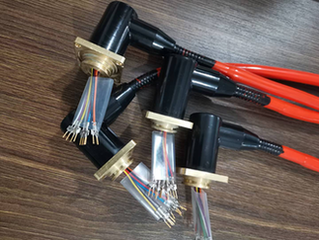
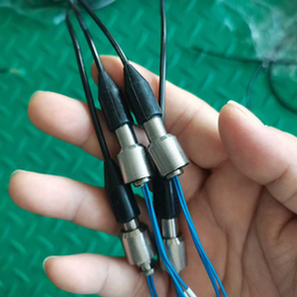
| Right Angle Molded Micro Bulkhead Connector | LPMBH-IL12/16MF | 1/2-20UNF | Tight spaces in ROVs and sensor housings |
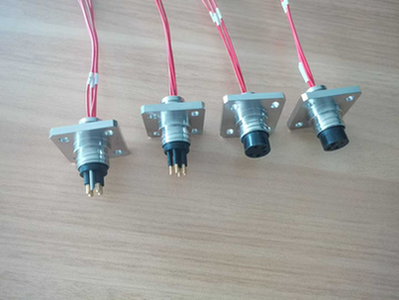
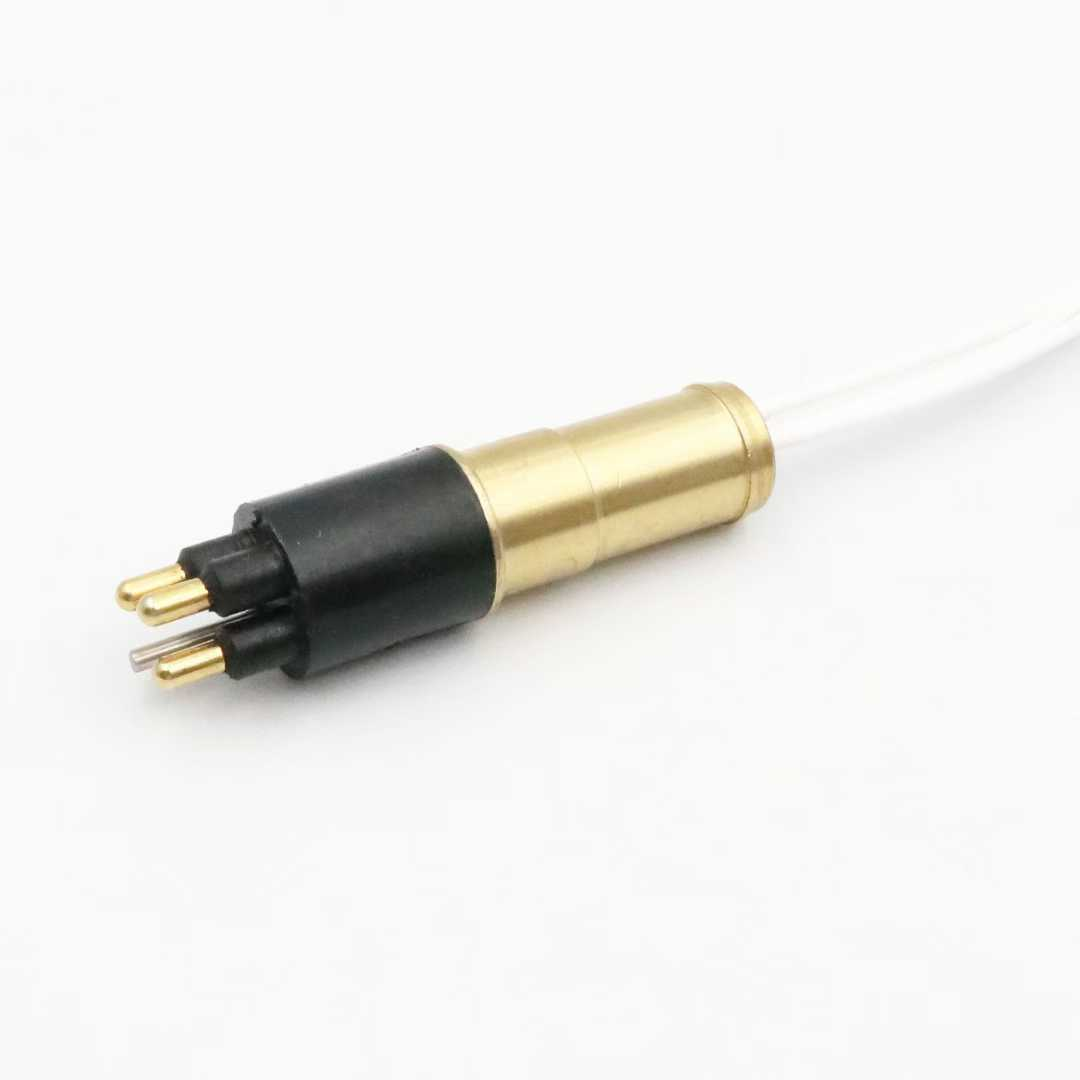
| Micro Flange 3-Pin Bulkhead Connector | IL4MF | 7/16-20UNF | Compact sensors and instruments |
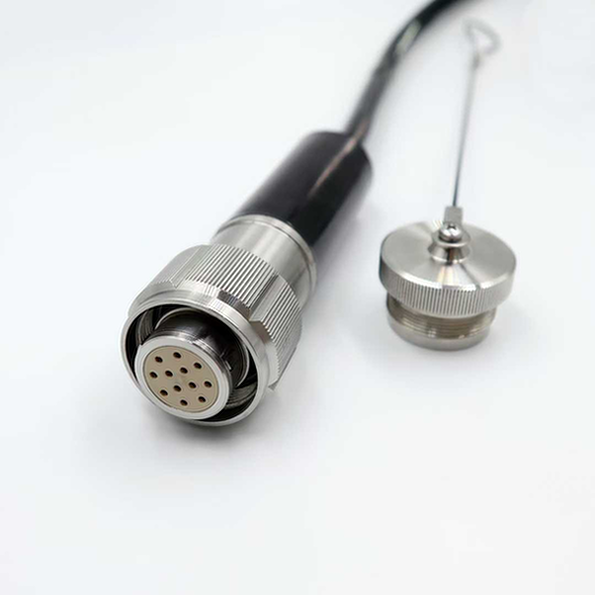
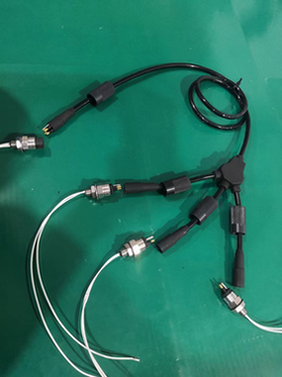
| Gigabit Ethernet 8-Pin Cable Assembly | MCDIL8M/F, MCDBH8M/F | 7/16-20UNF | HD cameras and data links |
| Gigabit Ethernet 10/12/13/16-Pin Cable Assemblies | MCDIL / MCDBH 10, 12, 13, 16 M/F | 1/2-20UNF | Ethernet plus power in one connector |
| Low Profile Gigabit Ethernet 13-Pin | LPDIL13M/F, LPDBH13M/F | 1/2-20UNF | Low-height mounting with high-speed data |
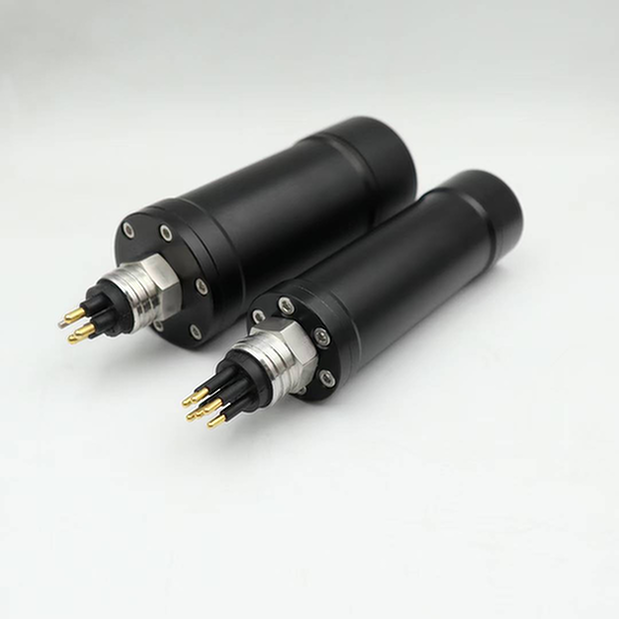
| Oil-Filled 8-Pin Connector | MCPBOF2-8MF | 7/16-20UNF | Pressure-compensated (PBOF) systems |
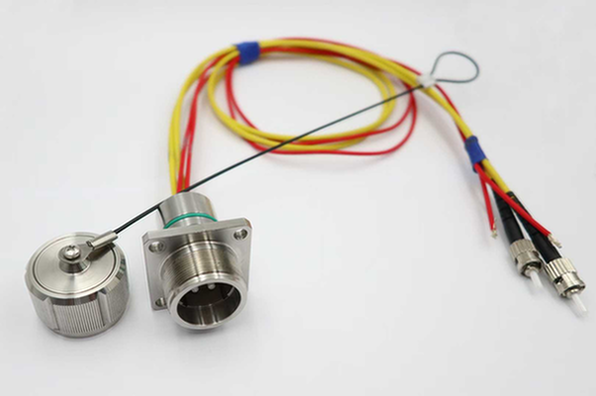
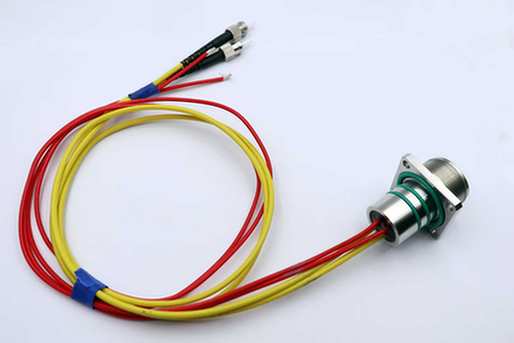
| Hybrid 4+2 Photoelectric Connector | MCBH-Hybrid 4+2 | – | Power and fiber optic in one connector |
For your exact part number, use the HYSF Cross Reference Tool or send it to the HYSF engineering team for confirmation.
Why Engineering Teams Are Looking at Alternatives
Switching connector suppliers isn’t something most teams do lightly. When they do, it usually comes down to three practical pressures.
Lead time. Major brands commonly quote two to three months for standard parts. When a vehicle is waiting on a single damaged connector, or a research cruise has a fixed sailing date, that delay costs far more than the part itself.
Cost at volume. A prototype might need a handful of connectors. A production run of ROVs, a sensor network or an offshore monitoring system can need hundreds. At that scale, unit price matters, especially for procurement teams working to fixed project budgets.
Supply chain resilience. Relying on a single source for a critical component is a risk in itself. Having a qualified second source means one supplier’s backlog doesn’t stop your whole project.
What to Check Before Switching to a Compatible Connector
“Compatible” should never be taken on faith. Before approving an alternative, engineers and buyers should confirm a few things.
1. Mechanical fit and mating
Ask for 2D drawings or 3D STEP files and check them against your current design. Bulkhead threads, panel thickness, O-ring grooves and overall length all need to match. Ideally, test-mate a sample with your existing connectors before placing a volume order.
2. Electrical ratings
Check rated current per contact, rated voltage and insulation resistance. These should meet or exceed what your current connector delivers, especially for power lines feeding thrusters or lights.
3. Pressure and depth rating
Your connector must survive the deepest point of the mission, with margin. Look for evidence of hydrostatic pressure testing, not just a datasheet figure. For example, HYSF tests connectors up to 60 MPa in its own pressure chambers and rates them for depths of up to 6,000 metres.
4. Materials
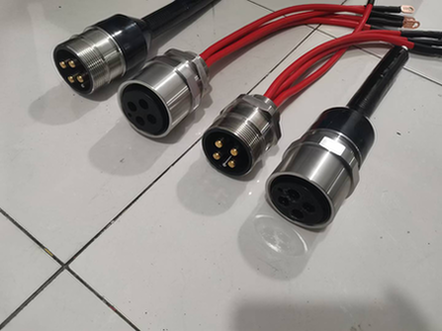
Rubber-molded connectors typically use neoprene bodies with brass or stainless steel inserts, while metal-shell connectors use stainless steel or titanium for harsher, deeper or long-term deployments. Match the material to your environment, especially for long immersion periods or high-salinity conditions.
5. Quality documentation
For many projects, especially in oil and gas or defense, documentation is just as important as performance. Ask whether the supplier works under ISO 9001, whether parts are CE and RoHS compliant, and whether material traceability reports are available.
Wet-Mate vs Dry-Mate: Make Sure You’re Comparing Like for Like
Not every connector in the SubConn family works the same way. Some are wet-mateable, meaning they can be connected underwater. Others are designed to be mated only in dry conditions before deployment.
When you source an alternative, make sure it matches the original’s mating type. Replacing a wet-mate connector with a dry-mate part, even one with the same dimensions, can lead to failures in the field. If you’re unsure which you need, our Underwater Connector Selector can help narrow it down.
Which Applications Benefit Most

Compatible connectors make the most sense where standard interfaces are already in use and volume or speed matters:
- ROV and AUV builds, where power, video and Ethernet connections are needed across multiple vehicles
- Oceanographic and environmental sensors, often deployed in large numbers on moorings and buoys
- Underwater cameras and lighting, which commonly use micro circular connectors
- Offshore oil, gas and wind monitoring, where spare parts need to be on hand quickly
- Research institutes and universities, where budgets are tight but reliability still matters
For high-speed data, compatible Gigabit Ethernet cable assemblies are also available in standard pin counts. See the Gigabit Ethernet series for details.
How to Switch Without Disrupting Your Project
A smooth transition usually follows a simple path:
- List the parts you use. Pull existing part numbers from your bill of materials.
- Cross-reference them. Use the HYSF Cross Reference Tool to find the matching HYSF model for each part.
- Request drawings and samples. Verify fit and mating against your current hardware.
- Run your own tests. Pressure test the samples to your mission depth and check electrical performance.
- Qualify and order. Once approved, add the compatible part as a second source on your BOM.
Standard HYSF connectors typically ship within 7 to 15 days, with most custom configurations completed within around 30 days, so the qualification step doesn’t have to slow down your schedule.
When a Standard Compatible Part Isn’t Enough

Sometimes the existing connector isn’t quite right either. You might need a different cable length, a right-angle version, an oil-filled (PBOF) variant or a specific material for a long deployment. In those cases, a custom build based on the same interface can be the better answer. HYSF offers custom engineering and OEM/ODM services for exactly these situations.
Frequently Asked Questions
Are SubConn compatible connectors interchangeable with original SubConn connectors?
A properly designed compatible connector matches the mating interface, mounting dimensions and pin layout, so it can mate with and replace the original. You should always confirm fit with drawings and a physical sample before a volume order.
Can I mix compatible connectors with my existing SubConn parts?
Yes. In most cases, a compatible plug can mate with an existing SubConn receptacle, which means you can introduce alternatives gradually instead of replacing everything at once.
How much can I save with a compatible connector?
Savings depend on the part and quantity, but HYSF connectors are typically priced at around one-half to one-third of major international brands.
Do compatible connectors meet the same depth rating?
It depends on the supplier and model. Look for hydrostatic test data rather than datasheet claims alone. HYSF connectors are pressure tested up to 60 MPa and rated for depths of up to 6,000 metres.
What information do I need to get a quote?
Your existing part numbers, required quantities, application details, depth, and any electrical requirements. Drawings or photos of current parts also help speed things up.
Final Thoughts
Switching to a SubConn compatible connector isn’t about cutting corners. Done properly, it’s a way to shorten lead times, control costs and remove single-source risk while keeping your existing design exactly as it is. The key is to verify fit, ratings and documentation before you commit.
If you’d like help matching your current parts, contact the HYSF engineering team with your part numbers. You can also download the 2026 catalog to explore the full range.
SubConn is a registered trademark of its respective owner. HYSF is not affiliated with or endorsed by SubConn or MacArtney. Brand names are used only to indicate compatibility.