コンテンツにスキップ

はじめに
In the field of subsea engineering, connectors represent one of the most critical yet frequently overlooked components in any underwater system. According to the International Marine Contractors Association (IMCA) Safety Alert published in 2025, approximately 23% of all ROV (Remotely Operated Vehicle) failures are directly attributed to connector-related issues, with each connector failure resulting in average downtime losses ranging from $150,000 to $500,000.
Chapter 1: Understanding the Fundamental Classification of Subsea Connectors
1.1 Rubber Series vs. Metal Series
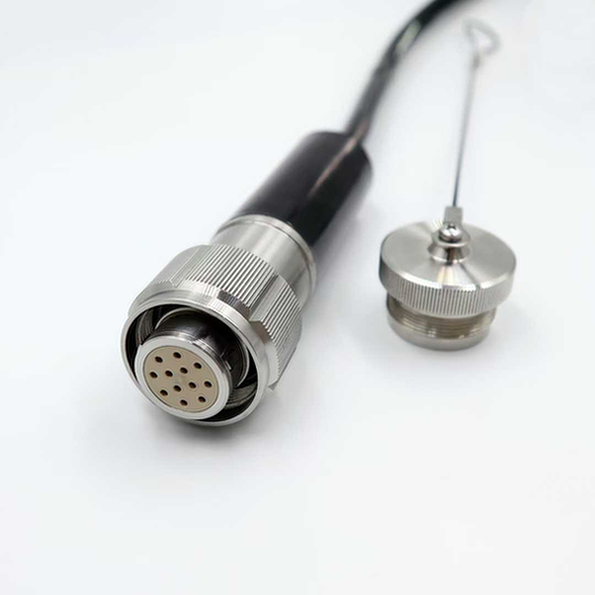
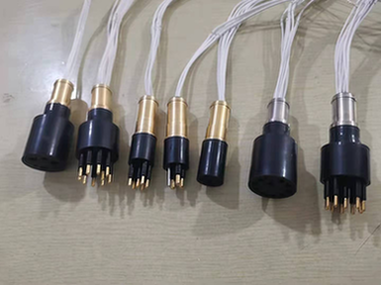
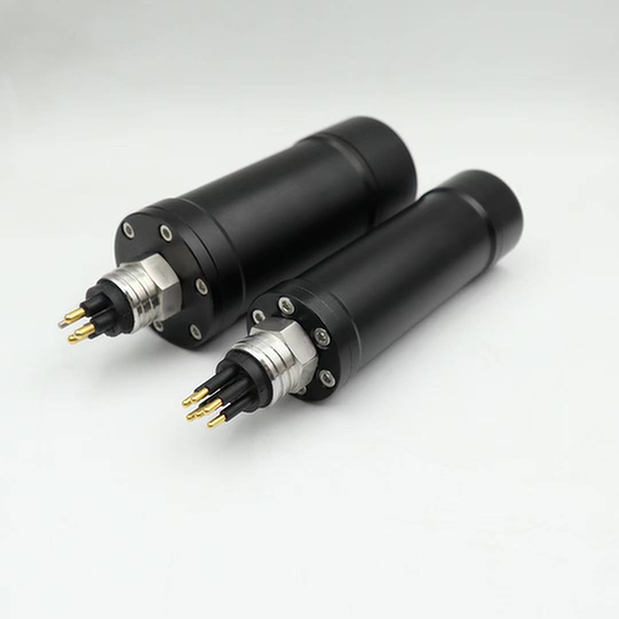
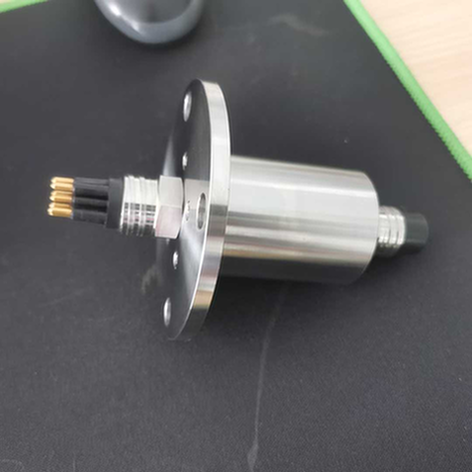
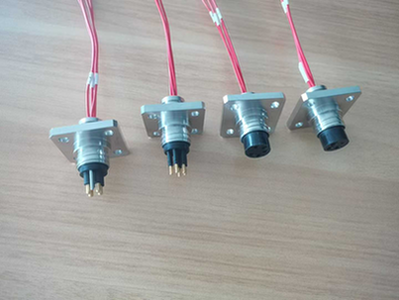
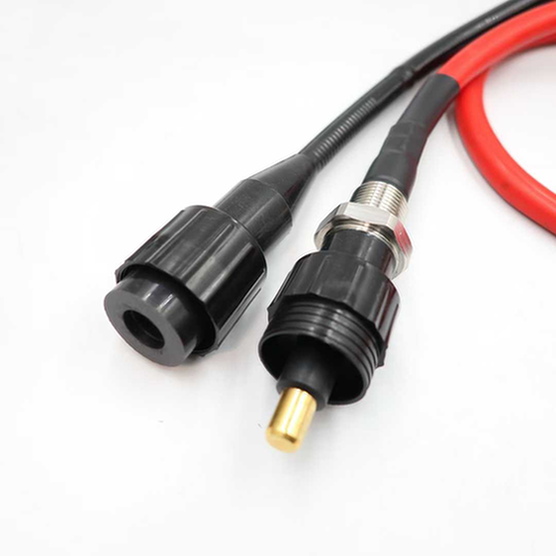
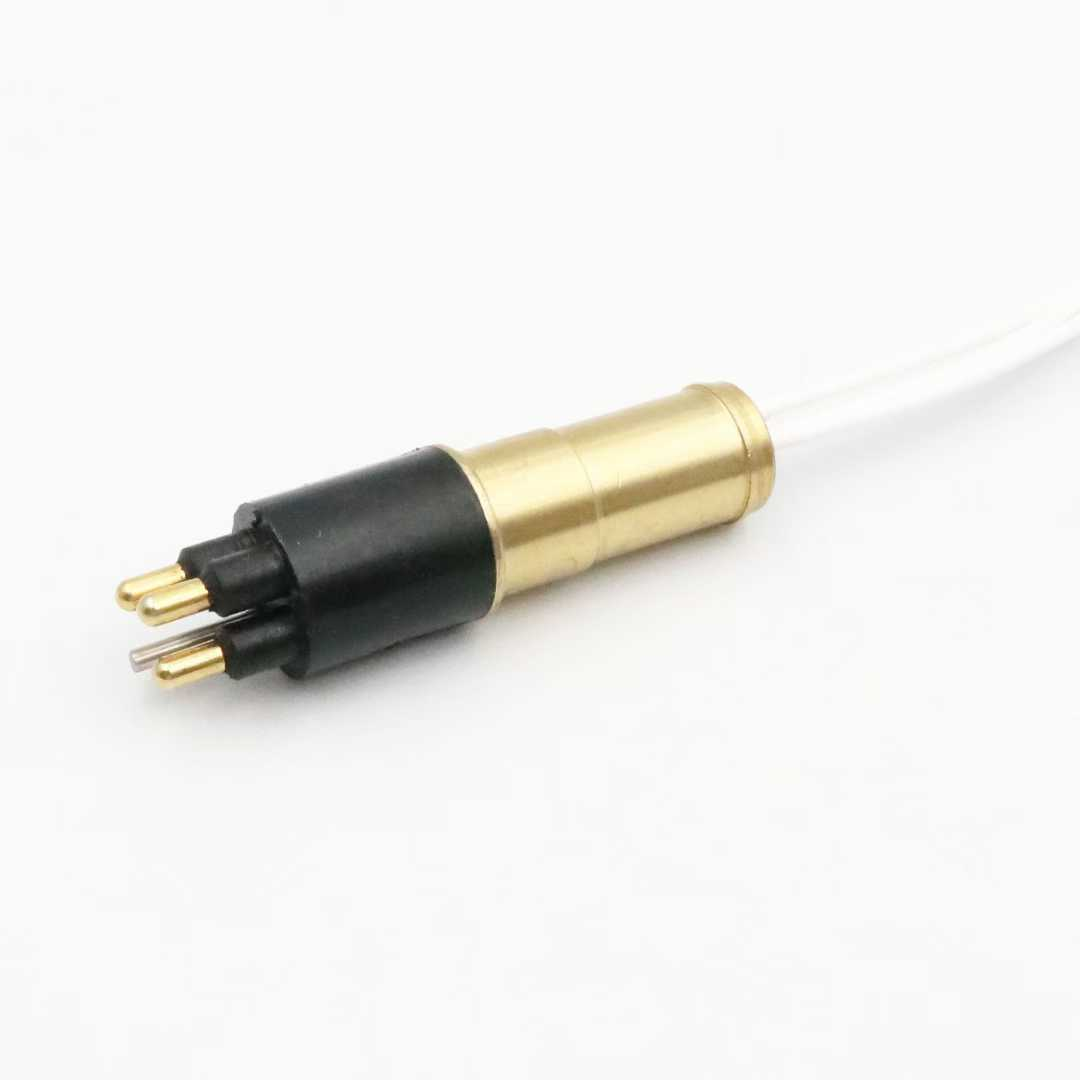
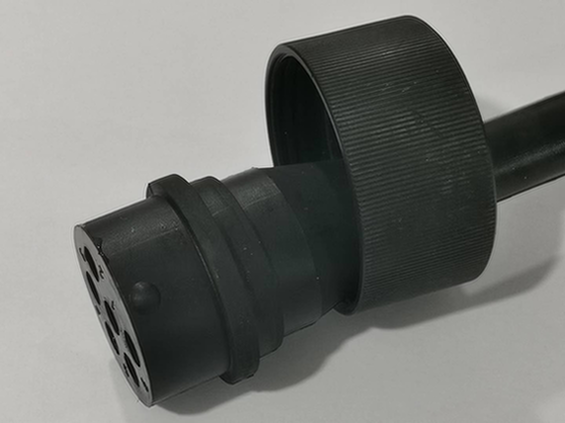
Subsea connectors are primarily classified into two major material families: the rubber (neoprene/nitrile rubber) series and the metal (stainless steel/titanium alloy) series.
| パラメータ | Rubber Series | Metal Series |
| Maximum Depth Rating | 7000m (70MPa) | 7000m (70MPa) |
| Typical Applications | ROV umbilicals, seabed observatories | Deep-sea mining, subsea pipelines |
| Temperature Range | -40C to +125C | -55C to +200C |
| コスト | Economical | Higher |
1.2 Classification by Function
| Type | Description | Typical Applications |
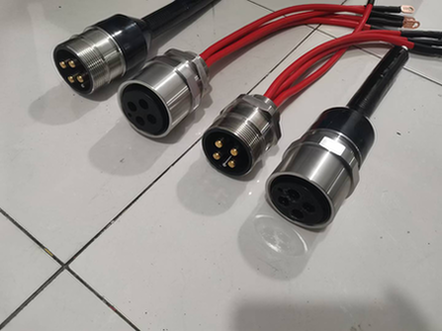
| Power Connectors | Transmit electrical power, up to 250A | Subsea power systems |
| Signal Connectors | Transmit control signals and data | Sensor networks |
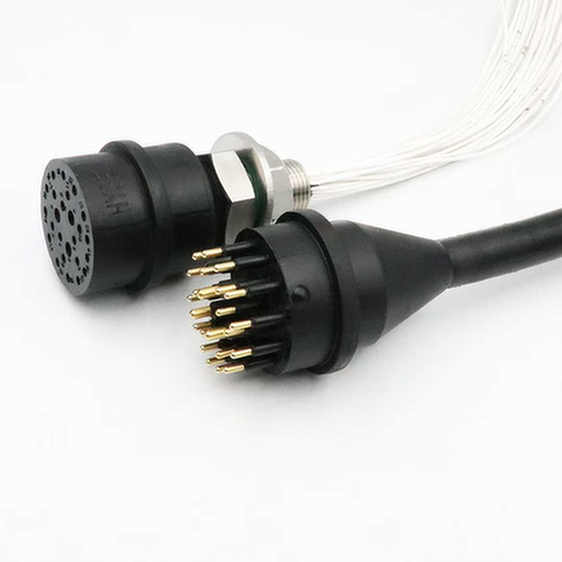
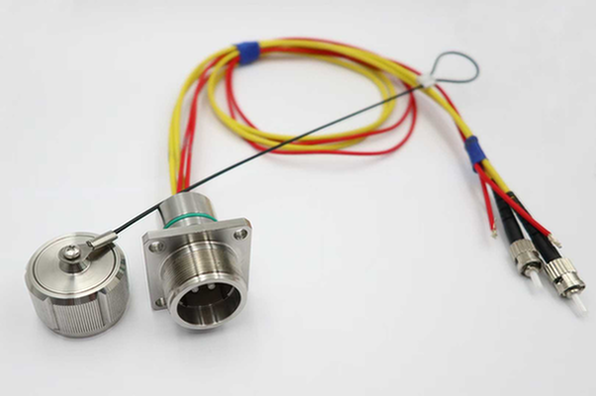
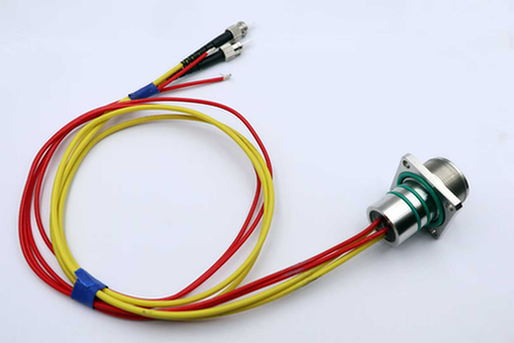
| Hybrid Fiber-Optic | Transmit power and fiber optic signals simultaneously | Seabed observatories |
Chapter 2: The Seven Key Parameters for Selection
2.1 Depth Rating
Depth rating serves as the most fundamental selection parameter, directly determining the maximum water pressure that a connector can withstand.
| デプス評価 | Water Pressure | Applicable Scenarios |
| 500m | 5MPa | Coastal engineering |
| 1000m | 10MPa | Shallow water operations |
| 3000m | 30MPa | Deepwater oil and gas |
| 7000m | 70MPa | Deep-sea research |
Important Note: When selecting depth rating, always maintain a safety margin of at least 20%.
2.2 Current Rating
| 仕様 | Current Range | Typical Applications |
| Micro Current | 1A-5A | Sensor signals |
| Standard Current | 5A-30A | Control circuits |
| High Current | 30A-100A | Propulsion power |
| Ultra-High Current | 100A-250A | Main propulsion |
2.3 Signal Types and Bandwidth Requirements
| Signal Type | Bandwidth Requirement | Recommended Connector Type |
| Analog Signal (4-20mA) | 低い | Standard signal connector |
| Digital Signal (RS-485/RS-232) | ミディアム | Shielded signal connector |
| Ethernet (10/100/1000Mbps) | 高い | Dedicated Ethernet connector |
| Fiber Optic Signal | Extremely High | Hybrid fiber-optic connector |
2.4 Mating Configuration
| Connection Method | Characteristics | Applicable Scenarios |
| Wet-Mate | Can be mated underwater | ROV operations |
| Dry-Mate | Must be mated in dry environment | Surface operations |
| Fixed (Permanent) | One-time installation | Subsea pipelines |
2.5 Material Compatibility
| 素材 | Seawater Corrosion Resistance | Recommended Applications |
| 316Lステンレス鋼 | 素晴らしい | Standard seawater applications |
| Titanium Alloy | Superior | Deep-sea environments |
| Neoprene Rubber | 素晴らしい | Seals, protective jackets |
2.6 Certification Requirements
| Certification | Scope | Mandatory Markets |
| ISO 9001 | Quality Management System | Global |
| CE | European Safety Standards | Europe |
| IP68 | Ingress Protection | Global |
| RoHS | Hazardous Substance Restriction | Europe, USA |
2.7 Compatibility and Interchangeability
| Original Brand Model | HYSF Compatible Model | Interface Type |
| SubConn PDS | HYSF-SF21M | Power/Signal Hybrid |
| SubConn BH | HYSF-SF33M | High-Current Power |
| SubConn Fiber Optic | HYSF-OF Series | Hybrid Fiber-Optic |
Chapter 3: The Four-Step Standard Selection Process
Step 1: Determine the Working Environment
- What is the operating working depth?
- What is the ambient water temperature range?
- Are there corrosive substances present?
Step 2: Define Transmission Requirements
- What types of signals need to be transmitted?
- What is the electrical power requirement in amperes?
Step 3: Match Specification Parameters
- Depth rating (should be >= working depth x 1.2)
- Current capacity (should be >= peak current x 1.25)
Step 4: Verify Certifications and Costs
- Confirm product certifications for target markets
- Compare Total Cost of Ownership (TCO)
Chapter 4: Common Selection Mistakes and Solutions
Mistake 1: Focusing Solely on Procurement Cost
Problem: Selecting the cheapest connector while ignoring long-term reliability.
結果: Downtime losses can be 10 to 100 times the amount saved on procurement.
Solution: Calculate Total Cost of Ownership (TCO).
Mistake 2: Selecting Insufficient Depth Rating
Problem: Selecting connectors with depth ratings that barely meet working depth requirements.
Solution: Select products with depth ratings at least 20% higher than actual working depth.
結論
Subsea connector selection is a systematic engineering process that requires comprehensive consideration of multiple factors including working environment, transmission requirements, certification needs, and cost-effectiveness.
HYSF SUBSEA is a leading Chinese subsea connector manufacturer with over 10 years of industry experience. Our product depth ratings span from 500m to 7,000m, with 100% compatibility with mainstream international brand interfaces, at prices representing only 1/2 to 1/3 of international brands.
FAQ
Q1: How do I determine the correct depth rating? A1: Formula: Required rated depth >= Working depth x 1.2.
Q2: Which is better, rubber or metal connectors? A2: Both types have distinct advantages. The optimal choice depends on the specific application scenario.
Q3: Can SubConn-compatible connectors directly replace original products? A3: Yes, provided interface dimensions and specifications are fully confirmed to match.