Polyurethane (PUR) vs. Neoprene Cable: Which should I choose?

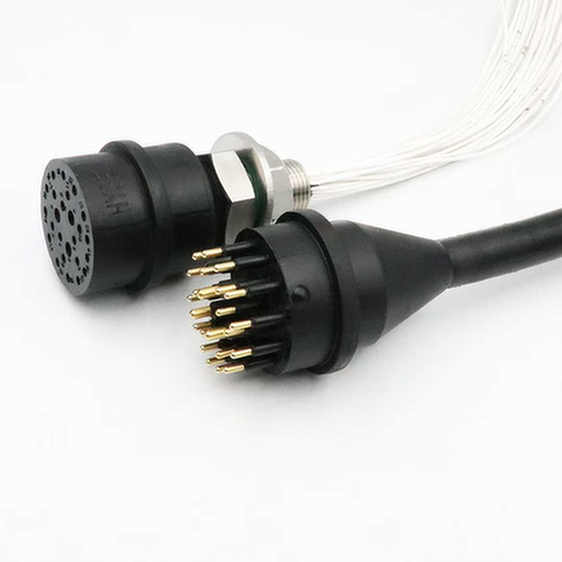
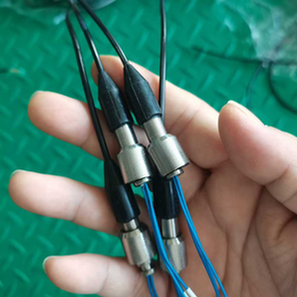
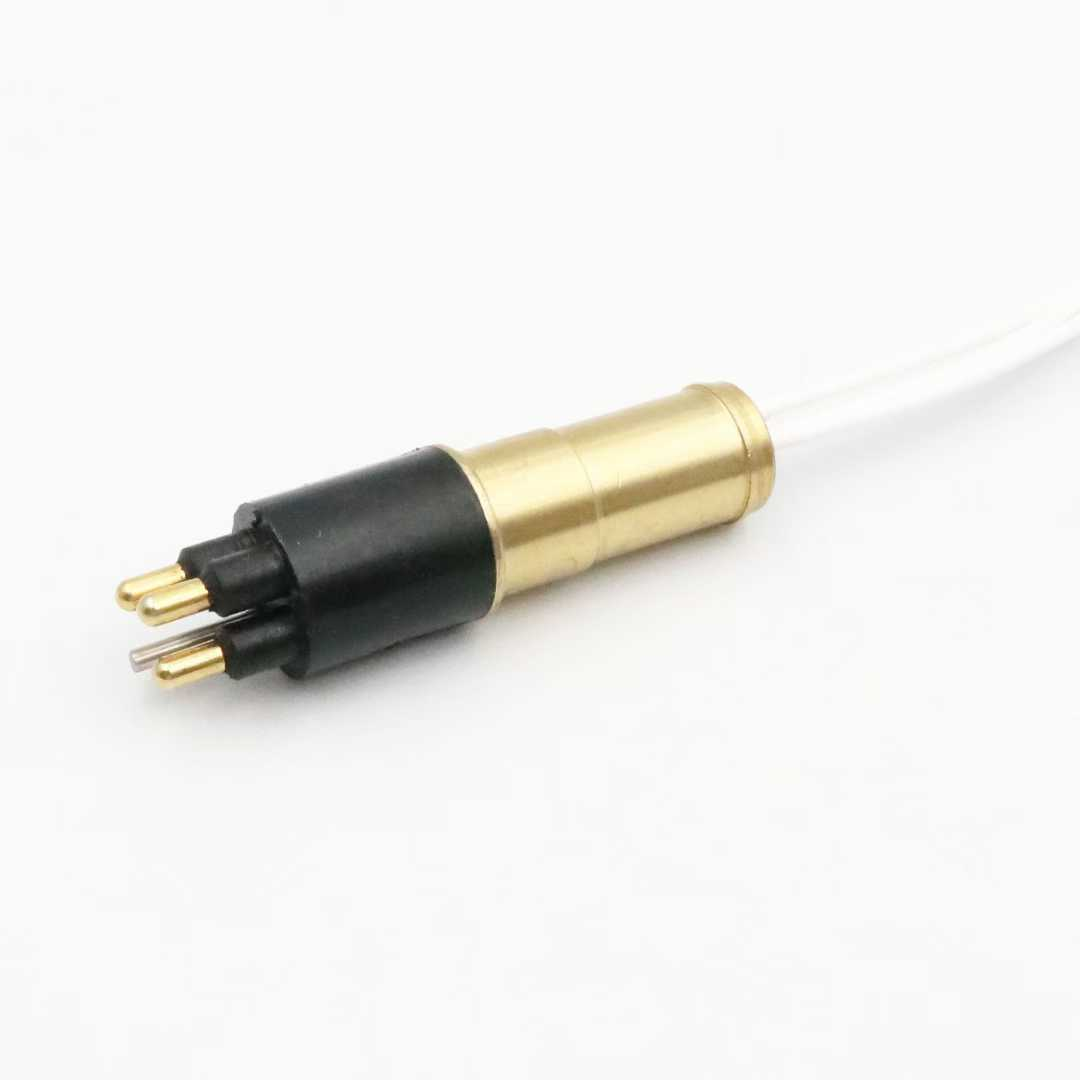
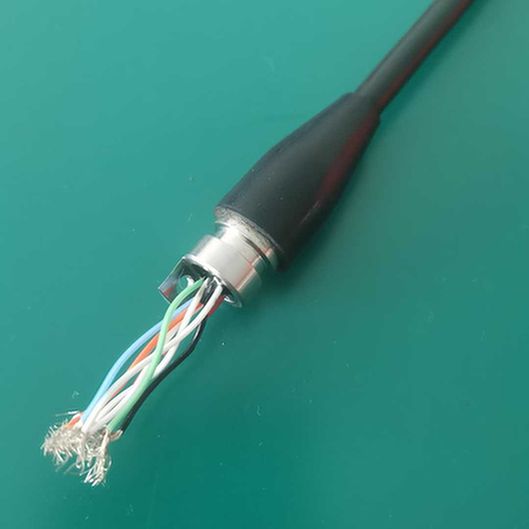
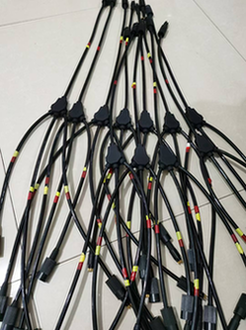
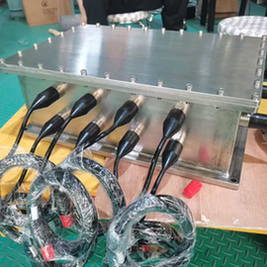
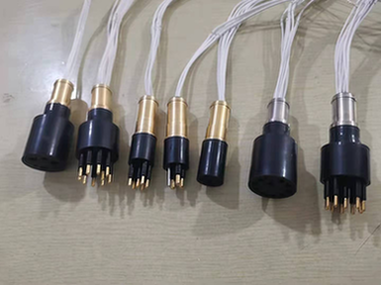
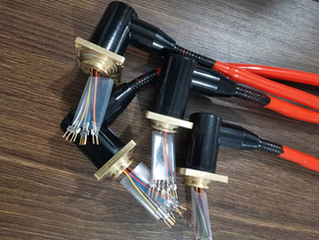
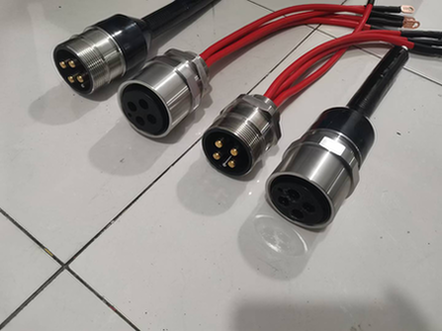
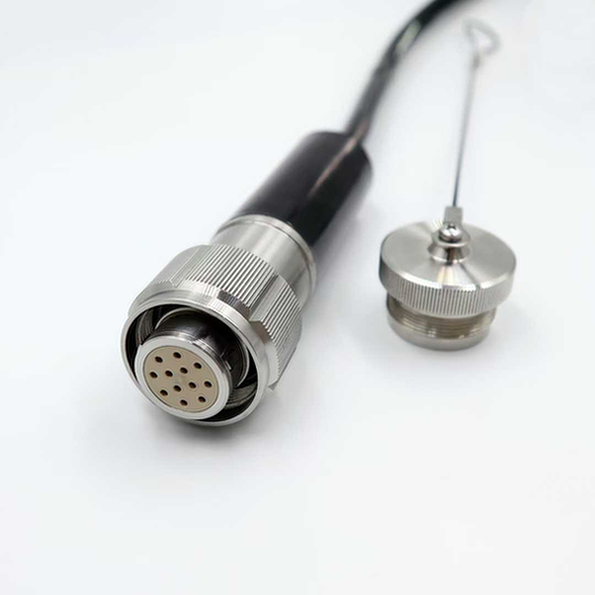
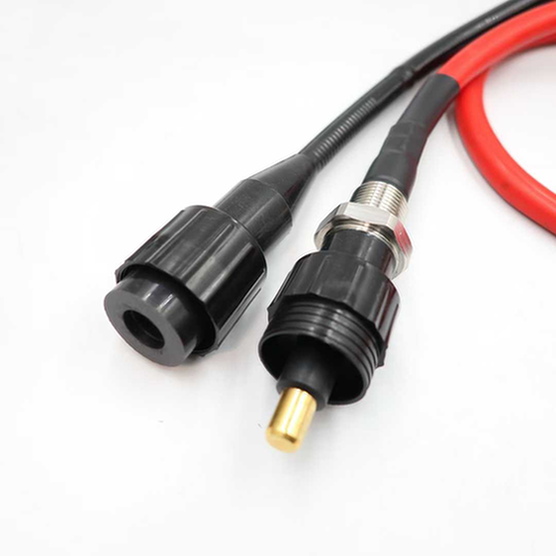
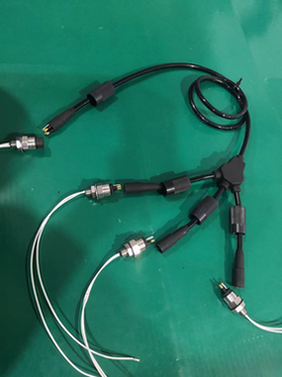
HYSF offers both. Neoprene is the standard for “Wet-Mate” flexibility and bonds perfectly with the connector head. Polyurethane (PUR) is recommended for applications requiring higher abrasion resistance (e.g., dragged along the seabed) or cut resistance.

Material selection depends on your operational environment.

  • Neoprene (Chloroprene):
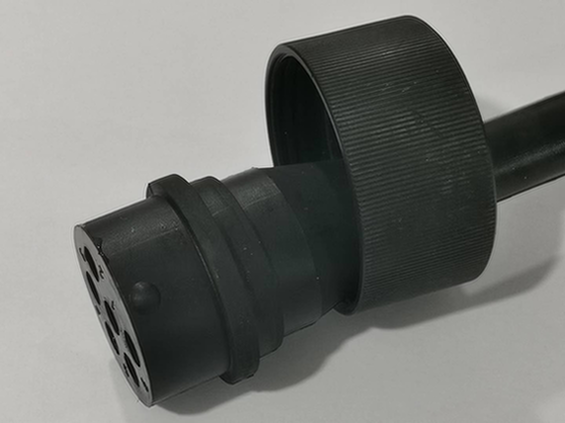
    • Pros: Excellent flexibility, good memory (returns to shape), and perfect chemical bond with the rubber connector body (Unibody).
    • Best for: Standard ROV tethers, diver equipment.
  • Polyurethane (PUR):
    • Pros: Extremely tough, resistant to cuts/nicks, better oil/chemical resistance.
    • Best for: Shallow water abrasive environments, ploughs, and trenchers.
  • Note: Our High-Temperature Vulcanization works best with Neoprene cables for the ultimate watertight bond.
Picture of John Zhang

John Zhang

(CEO & Lead Engineer)
Email: info@hysfsubsea.com
With over 15 years of expertise in subsea interconnect technology, I lead HYSF's R&D team in designing high-pressure (60MPa) solutions. My focus is on ensuring zero-leakage reliability for ROVs, AUVs, and offshore instrumentation. I personally oversee the validation of our custom connector prototypes.

Have a complex technical question?

Proven Solutions in the Field

A showcase of our successful collaborations with global marine robotics, energy, and research partners. Every project reflects our commitment to zero-leak integrity and operational reliability.

Start Your Subsea Project with HYSF

Whether you need a quick quote for standard connectors or a complex custom cable assembly, our engineering team is ready to assist. Expect a technical response within 12 hours.

John Zhang

CEO

Jason Liu
Kevin Wang
Cindy Chen
Lily Li
Contact Form Demo