...

What is HYSF’s “High-Temperature Vulcanization” process?

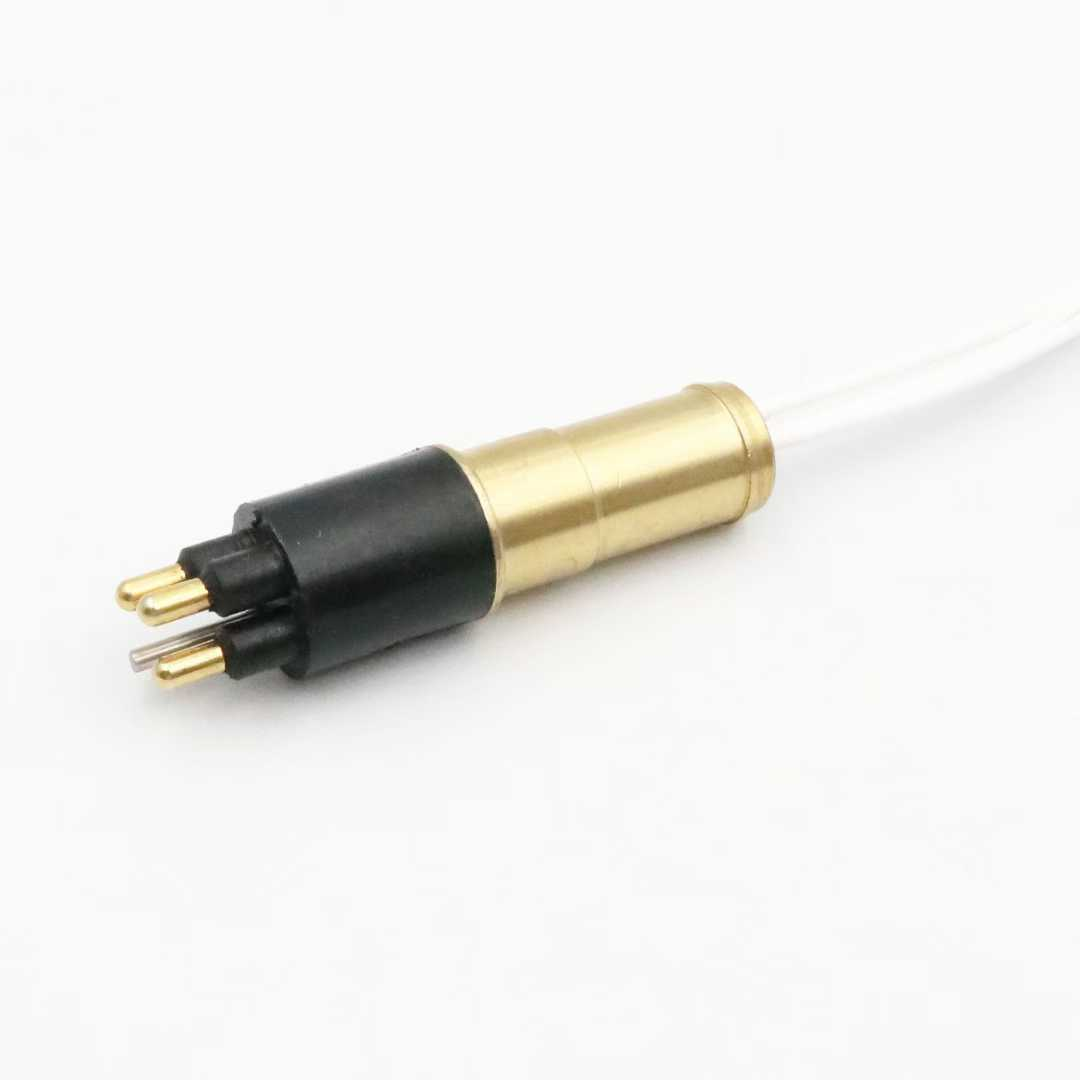
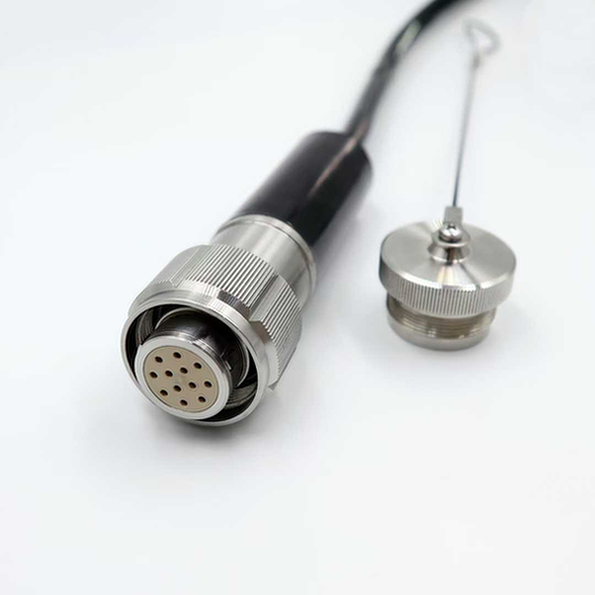
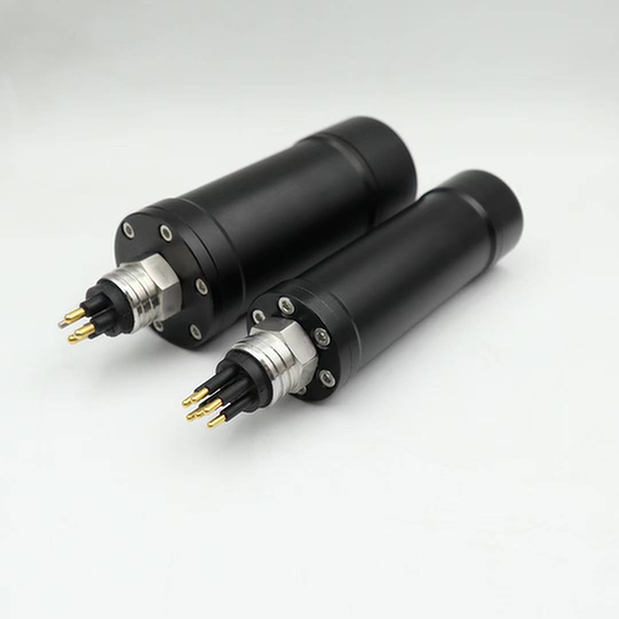
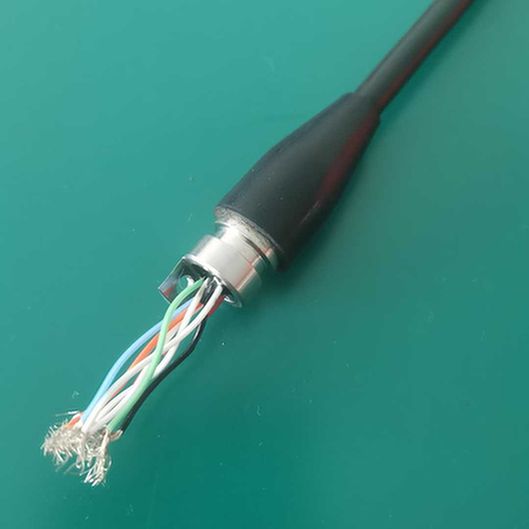
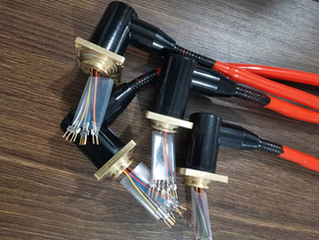
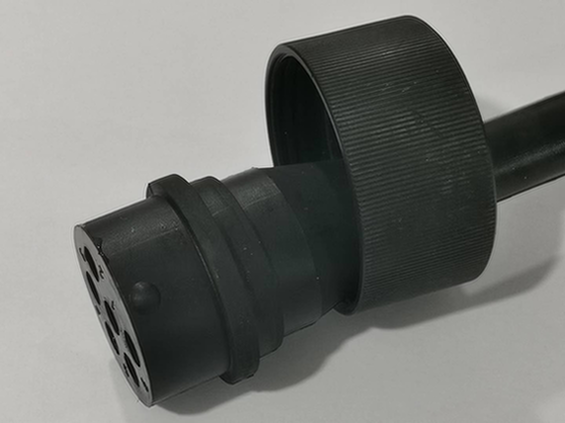
High-Temperature Vulcanization (HTV) is a core manufacturing process used by HYSF to create a unibody molded structure. Unlike simple gluing or potting, HTV chemically bonds the Neoprene rubber body to the metal shell and contacts, ensuring exceptional sealing integrity and preventing delamination under high pressure.

The reliability of a watertight connector depends on how well the different materials stay together under pressure. HYSF employs an advanced HTV process:

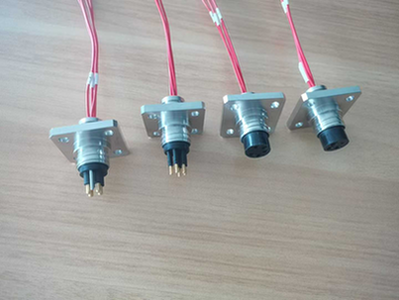
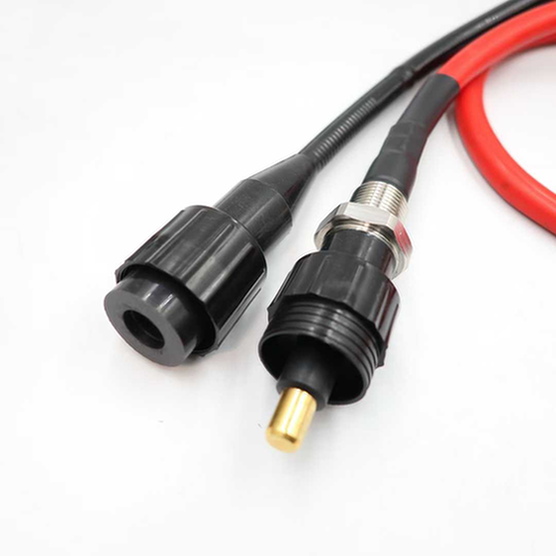
  • Unibody Construction: The cable, metal contacts, and rubber body are integrated into a single, solid unit during the molding process.
  • Zero Leakage: This chemical bonding eliminates potential leak paths between the rubber and metal, allowing our connectors to withstand 60MPa (6,000m) of pressure without failure.
  • Durability: This process ensures the connector remains robust even during repeated mating and unmating cycles.
Picture of John Zhang

John Zhang

(CEO & Lead Engineer)
Email: [email protected]
With over 15 years of expertise in subsea interconnect technology, I lead HYSF's R&D team in designing high-pressure (60MPa) solutions. My focus is on ensuring zero-leakage reliability for ROVs, AUVs, and offshore instrumentation. I personally oversee the validation of our custom connector prototypes.

Have a complex technical question?

Proven Solutions in the Field

A showcase of our successful collaborations with global marine robotics, energy, and research partners. Every project reflects our commitment to zero-leak integrity and operational reliability.

Start Your Subsea Project with HYSF

Whether you need a quick quote for standard connectors or a complex custom cable assembly, our engineering team is ready to assist. Expect a technical response within 12 hours.

John Zhang

CEO

Jason Liu
Kevin Wang
Cindy Chen
Lily Li
Contact Form Demo
页眉表单