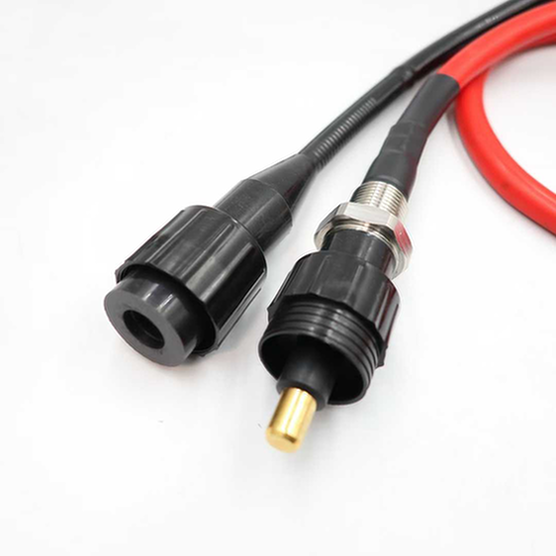
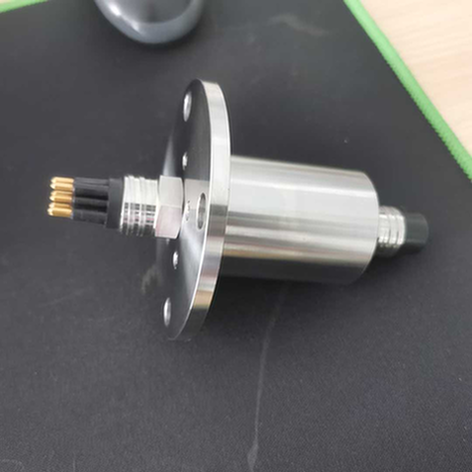
Skip to content

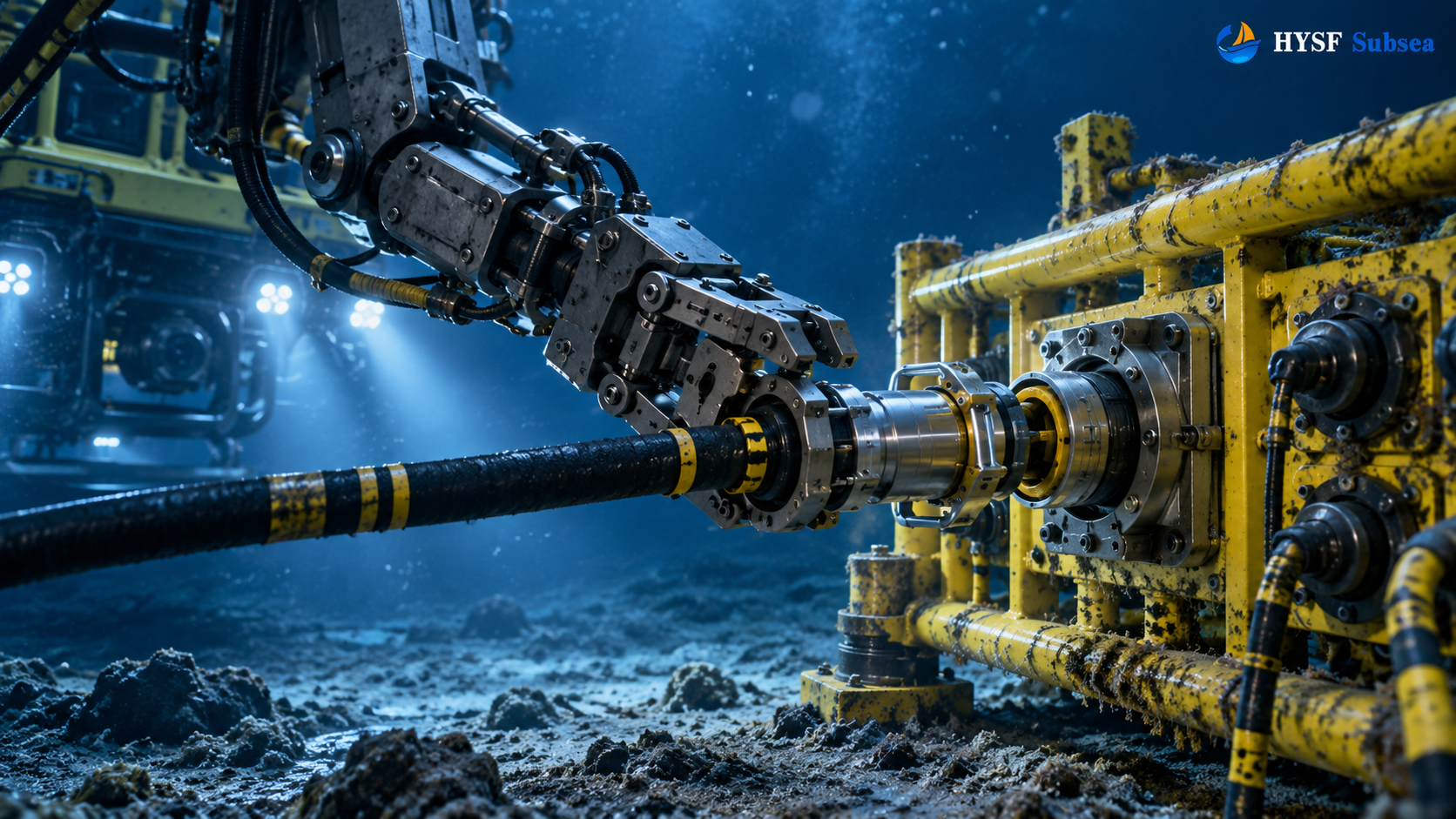
Every underwater connector has to answer one basic question before anything else: will it ever need to be connected while it’s underwater? That single requirement splits subsea connectors into two families, wet-mate and dry-mate, and choosing the wrong one is one of the most common causes of early connector failure.
In this guide, we compare the wet mate vs dry mate connector question from an engineering and procurement point of view: how each type works, where each one fits, and what to check before you specify one for your system.
What Is a Wet-Mate Connector?
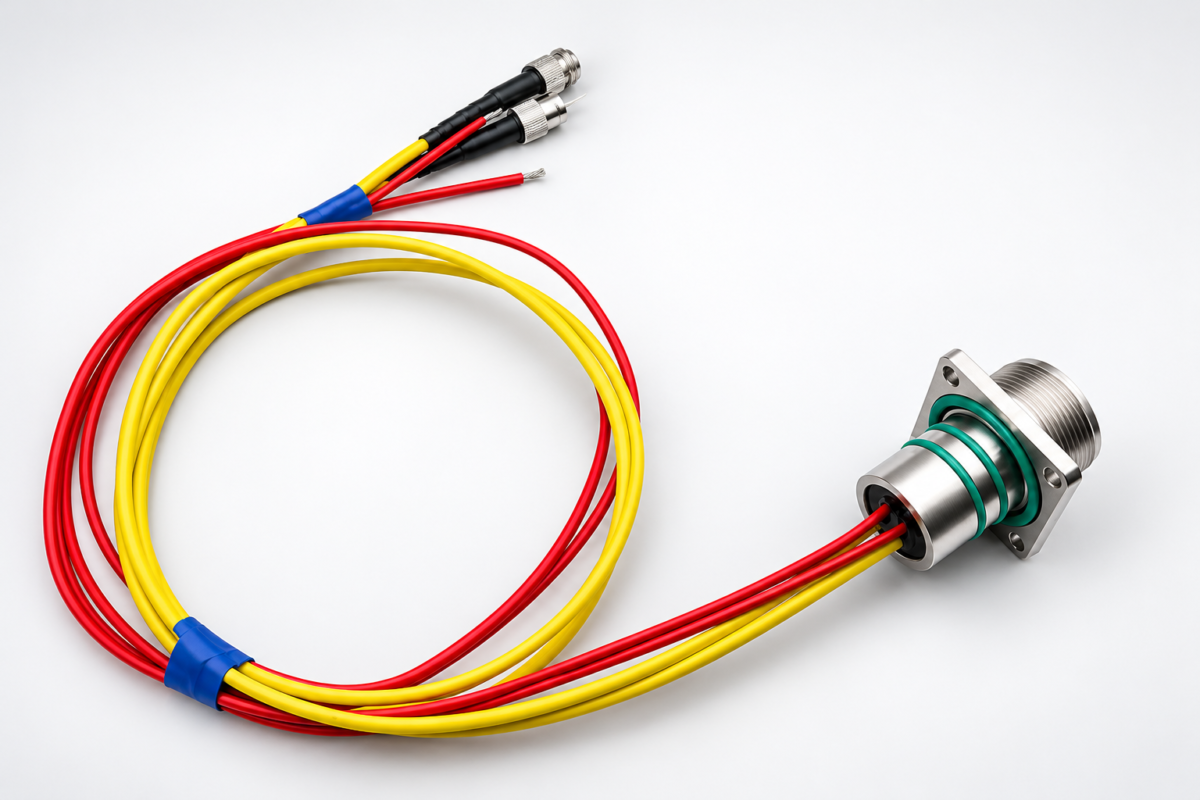
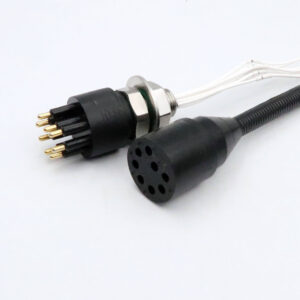
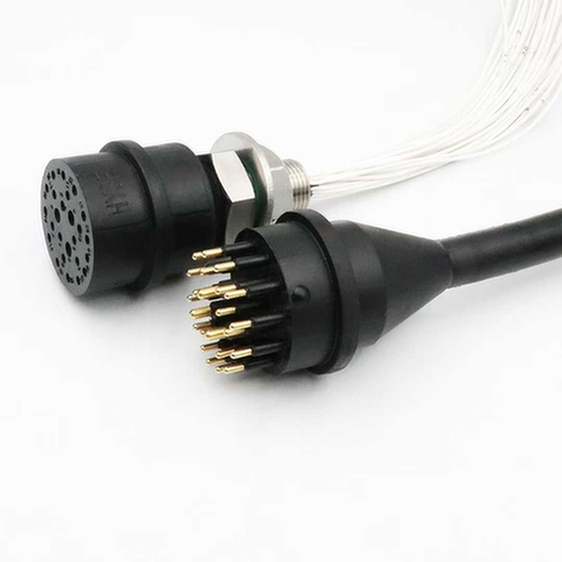
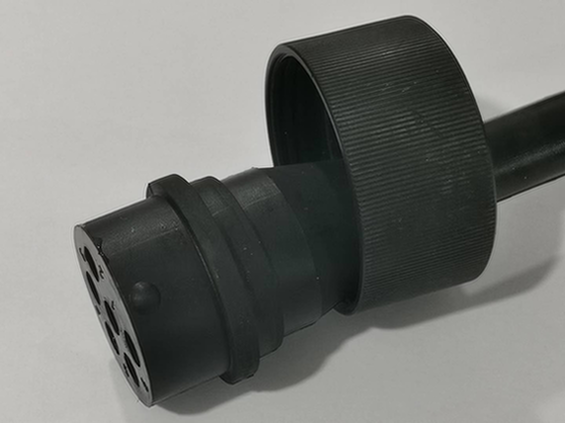
A wet-mate (or wet-mateable) connector is designed to be connected and disconnected while submerged. Water is present at the moment the plug and receptacle come together, so the connector has to push that water out of the contact area as it mates.
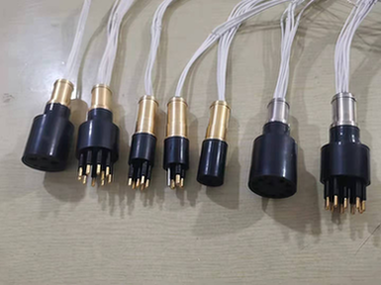
In rubber-molded wet-mate connectors, this is done mechanically. The rubber sleeve of the plug fits tightly around each pin of the receptacle, and as the two halves slide together, the rubber wipes water away from the contact surfaces. A thin layer of silicone grease is usually applied to help the rubber slide and to keep the seal effective over many mating cycles.
Wet-mate connectors are widely used on:
- ROVs and AUVs, where tools, cameras and sensors are swapped between missions
- Oceanographic instruments and moorings, where sensors may be serviced at sea
- Underwater cameras and lights that need quick replacement in the field
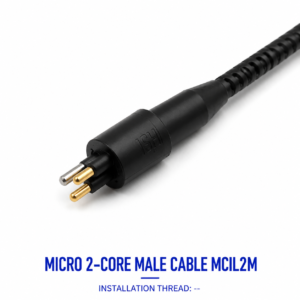
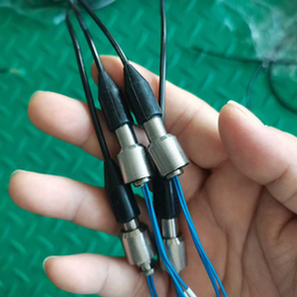
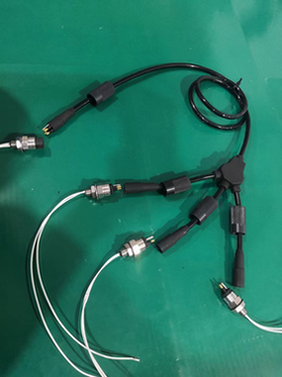
HYSF’s Micro Watertight Connectors, for example, are wet-mateable and designed for compact sensors and portable ROVs.
What Is a Dry-Mate Connector?
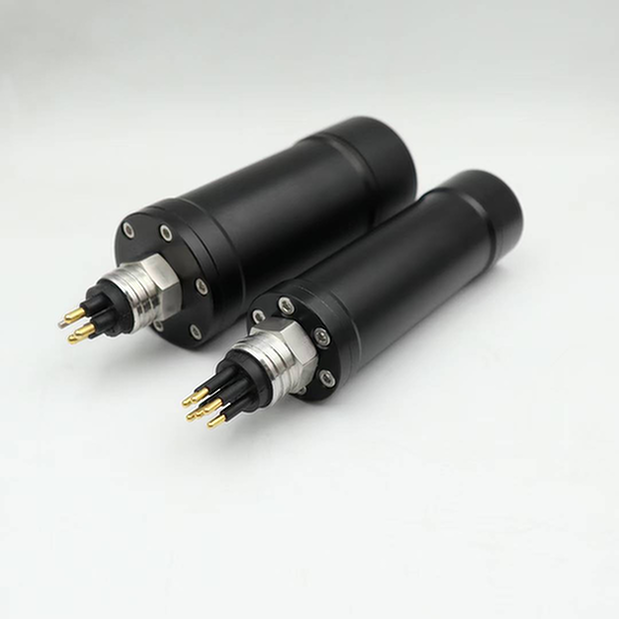
A dry-mate connector must be connected in dry conditions, usually on deck or in a workshop, before the equipment goes into the water. Once mated and locked, it’s fully watertight and can be submerged, but it should not be disconnected or reconnected underwater.
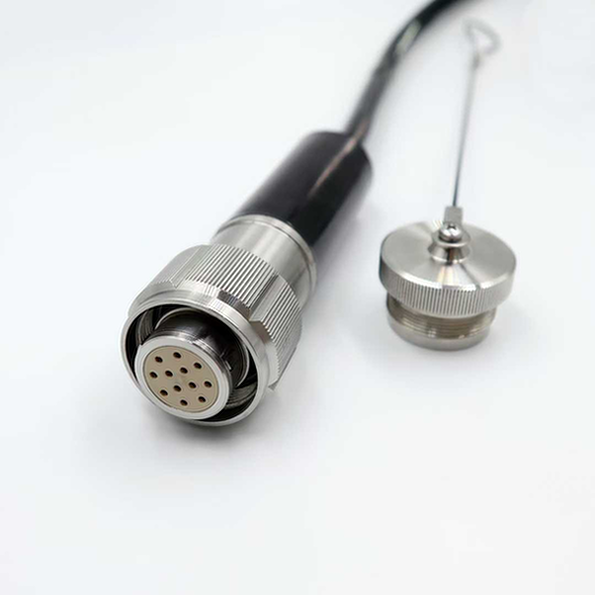
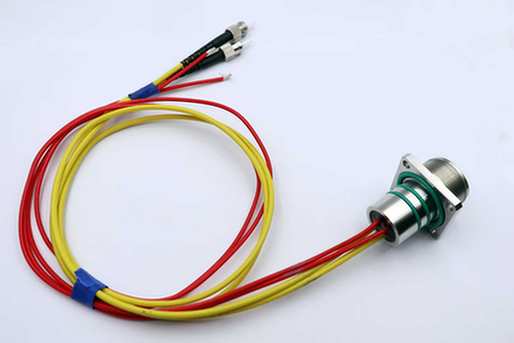
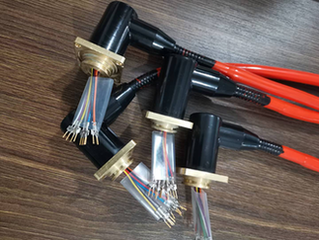
Because it doesn’t need to clear water during mating, a dry-mate connector can rely on O-ring seals, metal shells and tighter tolerances. That often makes it smaller, more robust under high pressure, and better suited to permanent or long-term installations.
Typical uses include:
- Pressure housings and junction boxes that are assembled before deployment
- Permanently installed sensors and monitoring systems
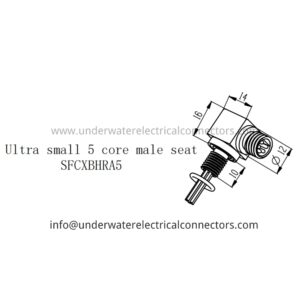
- Miniature devices where space is extremely limited
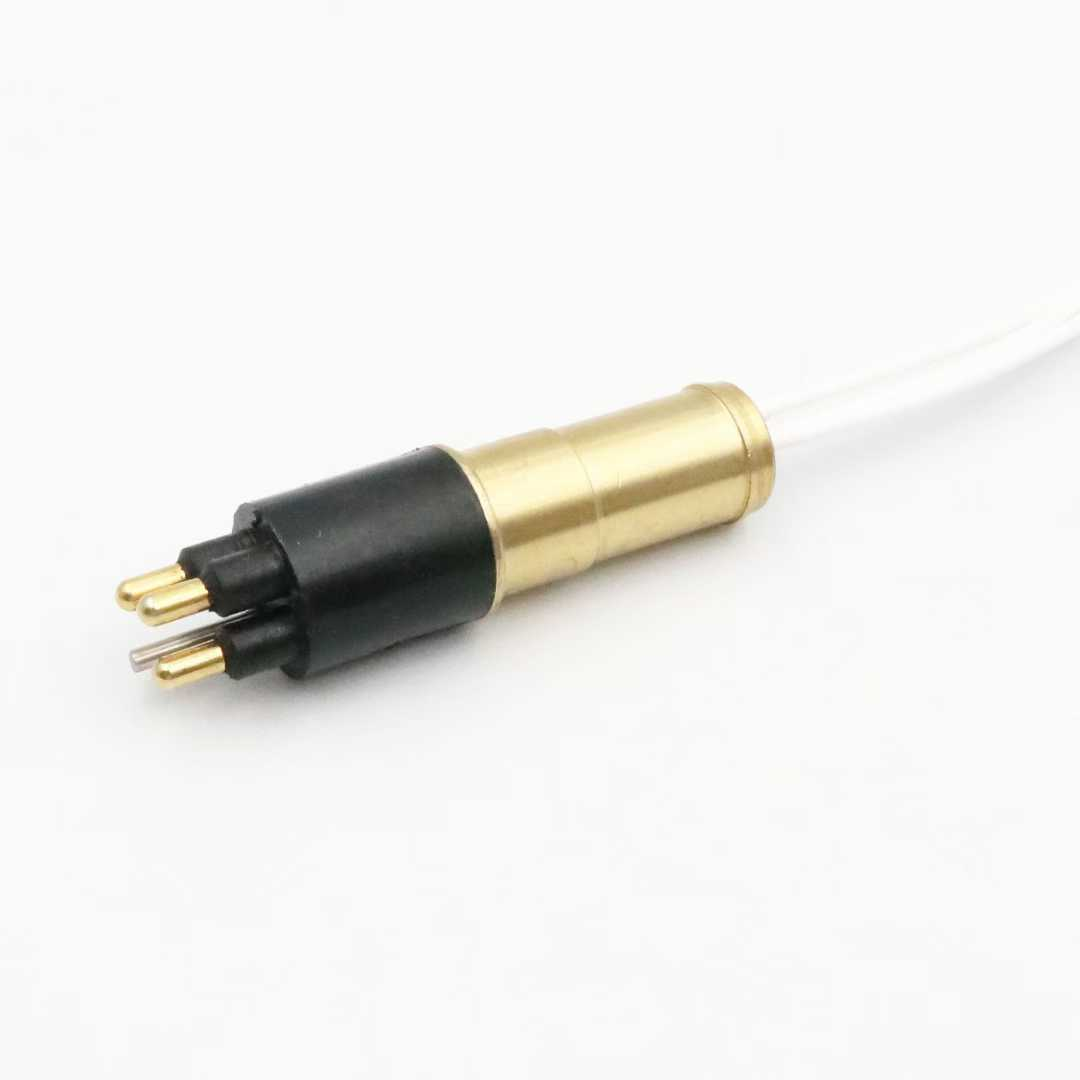
HYSF’s Ultra-Small Watertight Connectors are a good example. They are dry-mate only and built for the smallest instruments and sensors.
Wet Mate vs Dry Mate Connector: Side-by-Side Comparison
| Factor | Wet-mate connector | Dry-mate connector |
|---|---|---|
| Can be mated underwater | Yes | No, mate on deck before deployment |
| Sealing method | Rubber sleeve wipes water from contacts | O-rings and mechanical seals |
| Typical body | Rubber-molded (neoprene) | Rubber or metal shell |
| Size | Slightly larger for the same pin count | Can be more compact |
| Field flexibility | High, quick swaps at sea | Low, needs dry access |
| Maintenance | Regular cleaning and greasing | Check O-rings before each mating |
| Best for | ROVs, AUVs, serviceable sensors | Housings, permanent systems, micro devices |
How Depth and Pressure Affect Your Choice
Pressure in the ocean rises by roughly one atmosphere for every 10 metres of depth. Both connector types can be rated for deep water, but they handle pressure differently.
Wet-mate rubber connectors actually use pressure to their advantage: the deeper they go, the harder the surrounding water presses the rubber against the contacts, which can improve the seal. Dry-mate metal-shell connectors rely on O-rings and rigid housings, which is why they are often chosen for the highest-pressure, long-duration deployments.
Whichever you choose, ask for real hydrostatic test data rather than a datasheet number alone. HYSF pressure tests its connectors in-house at up to 60 MPa. It’s also worth knowing that a surface rating such as IP68 under the IEC IP code doesn’t on its own prove deep-sea performance.
Pros and Cons at a Glance
Wet-mate connectors
- ✅ Can be connected and disconnected underwater
- ✅ Ideal for modular systems and quick field swaps
- ❌ Need regular cleaning and lubrication
- ❌ Usually slightly larger for the same number of contacts
Dry-mate connectors
- ✅ Compact and robust, with strong sealing under pressure
- ✅ Well suited to permanent installations
- ❌ Must be mated in dry conditions
- ❌ Less flexible if equipment needs servicing at sea
How to Choose Between Wet-Mate and Dry-Mate
When you’re deciding on a wet mate vs dry mate connector for a new design, these five questions usually settle it:
- Will the connection ever need to be made underwater? If yes, you need wet-mate. If it’s always done on deck, dry-mate is an option.
- How often will it be connected? Frequent swaps favor wet-mate. Set-and-forget installations favor dry-mate.
- What’s the deployment depth and duration? Very deep or long-term deployments may lean toward dry-mate or metal-shell designs.
- How much space do you have? For micro sensors, a dry-mate ultra-small connector may be the only one that fits.
- Do you need to match an existing system? If your current design uses a particular interface, a compatible connector lets you keep it without redesign.
If you’re still unsure, HYSF’s Underwater Connector Selector can help narrow down the right series for your application.
Common Mistakes to Avoid
- Mating a dry-mate connector underwater. Even once can let water into the contact area and cause a short circuit.
- Skipping lubrication on wet-mate connectors. Dry rubber can tear or fail to seal properly.
- Connecting under power. As a general rule, de-energize the circuit before mating or unmating any underwater connector.
- Ignoring cleaning. Sand, salt crystals and marine growth are among the most common causes of seal failure.
For handling and maintenance guidance, see the HYSF Installasjons- og sammenkoblingsveiledning.
Frequently Asked Questions
What is the main difference between a wet mate vs dry mate connector?
A wet-mate connector can be connected and disconnected underwater, while a dry-mate connector must be connected in dry conditions before deployment. Both are watertight once mated.
Can a dry-mate connector be used underwater?
Yes. Once it has been mated and locked on deck, a dry-mate connector can be submerged and will stay watertight. It just shouldn’t be disconnected or reconnected while underwater.
Do wet-mate connectors need grease?
Most rubber-molded wet-mate connectors use a thin layer of silicone grease to help the rubber slide smoothly and maintain the seal. Always follow the manufacturer’s recommendations.
Which is better for ROVs?
Most ROV and AUV systems use wet-mate connectors for cameras, lights, sensors and tools, because they make field swaps easy. Dry-mate connectors are often used inside housings and for permanently mounted equipment.
Are wet-mate connectors more expensive?
Standard rubber-molded wet-mate connectors are widely available at competitive prices. Costs rise for specialist designs, such as fiber optic or high-voltage connectors built to be mated by an ROV at great depth.
Final Thoughts
The wet mate vs dry mate connector decision comes down to how and where your system will be connected, how often, and how deep it will go. Get that right at the design stage, and you avoid most of the connector problems that show up later in the field.
If you’d like help choosing the right series for your project, contact the HYSF engineering team eller download the 2026 catalog to explore the full range.