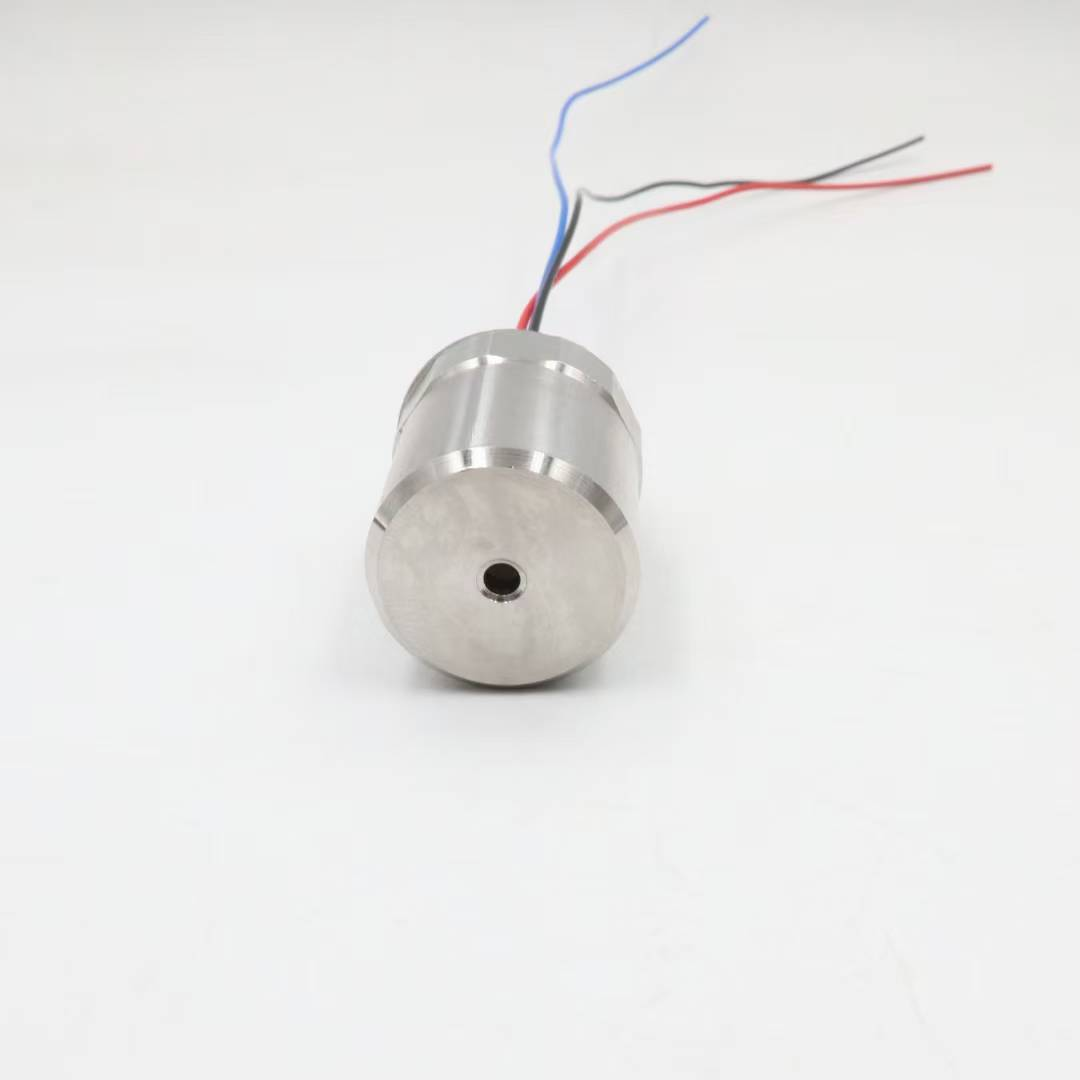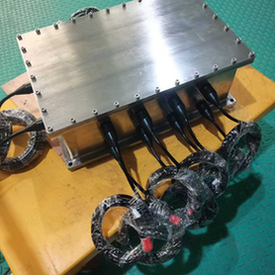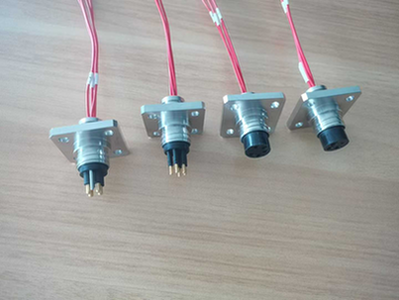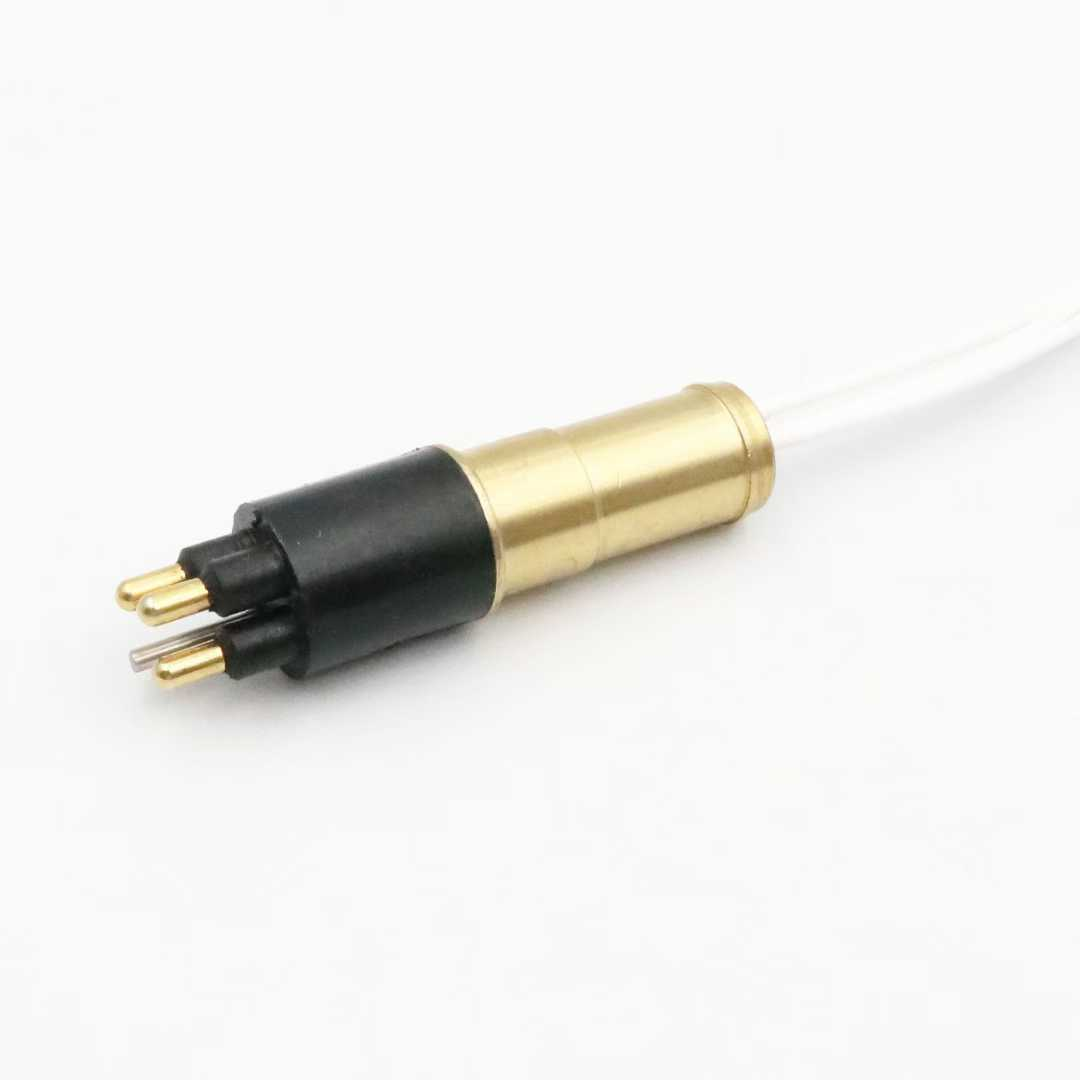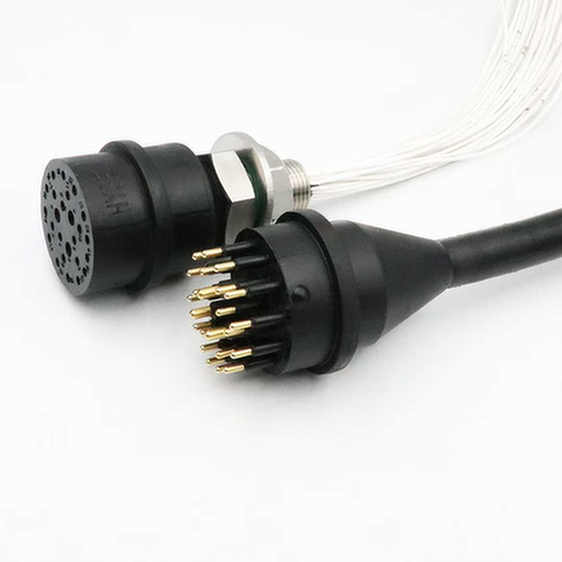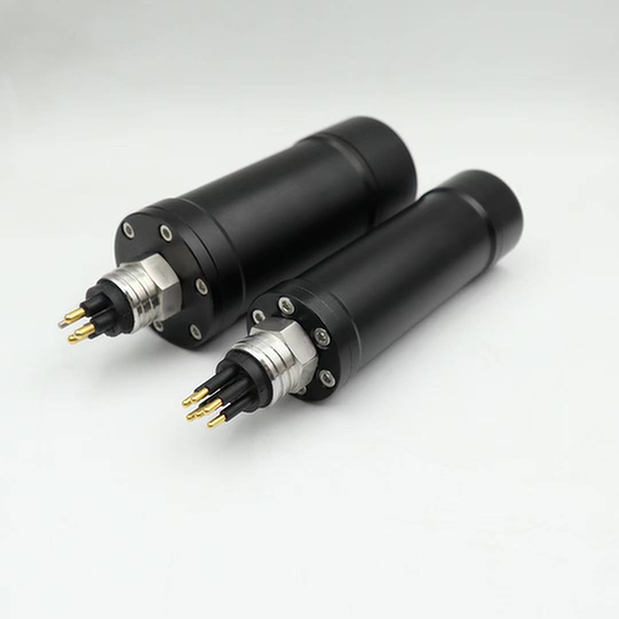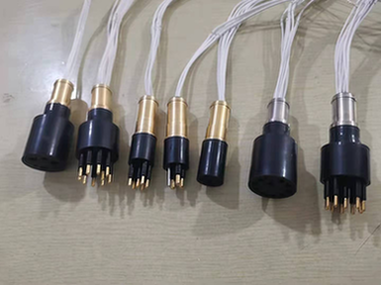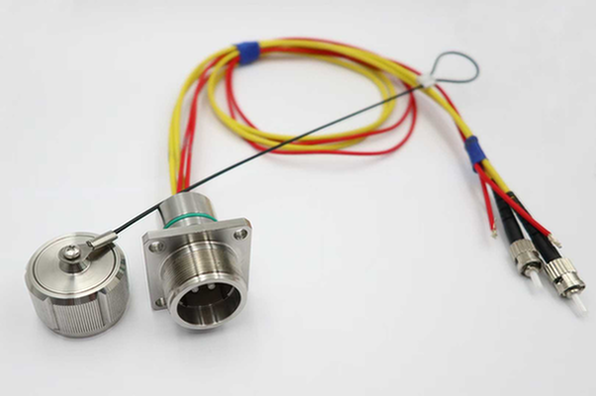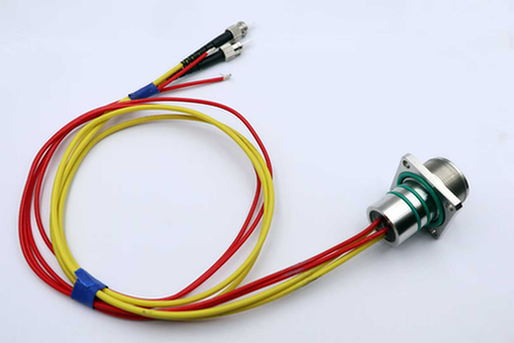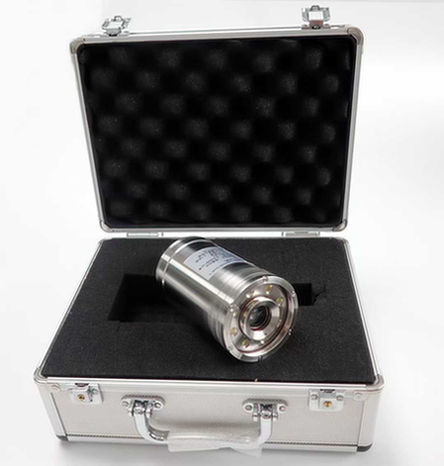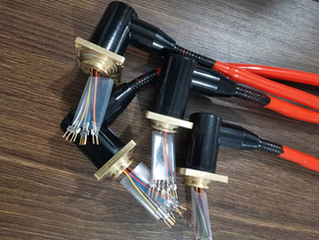
Abstract: Correct installation torque is critical for ensuring underwater connector sealing performance and electrical reliability. This article provides recommended torque values for aluminum alloy, stainless steel, titanium alloy, and engineering plastics across M12, M16, M19, M24 and other thread specifications, including detailed calculation formulas and practical guidance.
1. Why Correct Installation Torque Matters
1.1 Risks of Insufficient Torque
- Poor Sealing – O-ring compression inadequate, water leakage ⚠️⚠️⚠️
- Increased Contact Resistance – Unstable electrical connection ⚠️⚠️
- Vibration Loosening – Connection failure over time ⚠️⚠️⚠️
- Fretting Wear – Debris on mating surfaces ⚠️⚠️
1.2 Risks of Excessive Torque
- Thread Stripping – Permanent damage ⚠️⚠️⚠️
- O-ring Over-compression – Seal failure ⚠️⚠️⚠️
- Housing Cracking – Aluminum/plastic risk ⚠️⚠️⚠️
- Difficult Disassembly – Cannot open ⚠️⚠️
1.3 Recommended Torque Targets
- ✅ O-ring Compression: 25-30%
- ✅ Thread Preload: 60-70% of yield strength
- ✅ Contact Resistance: <5mΩ
- ✅ Safety Factor: 1.5-2.0
2. Recommended Torque Values by Material
2.1 Torque Reference Table (Metric Fine Thread)
| Thread Size | Aluminum (N·m) | Stainless 316L (N·m) | Titanium (N·m) | Plastic (N·m) |
|---|---|---|---|---|
| M12×1.0 | 8-10 | 15-18 | 12-15 | 5-7 |
| M12×1.5 | 10-12 | 18-22 | 15-18 | 6-8 |
| M14×1.0 | 12-15 | 22-26 | 18-22 | 8-10 |
| M14×1.5 | 14-17 | 26-30 | 22-26 | 10-12 |
| M16×1.0 | 18-22 | 32-38 | 28-32 | 12-15 |
| M16×1.5 | 20-25 | 38-45 | 32-38 | 15-18 |
| M18×1.0 | 25-30 | 45-52 | 38-45 | 18-22 |
| M18×1.5 | 28-33 | 52-60 | 45-52 | 20-25 |
| M20×1.0 | 32-38 | 58-68 | 50-58 | 25-30 |
| M20×1.5 | 35-42 | 68-78 | 58-68 | 28-33 |
| M22×1.0 | 40-48 | 75-88 | 65-75 | 30-36 |
| M22×1.5 | 45-52 | 88-100 | 75-88 | 33-40 |
| M24×1.0 | 50-60 | 95-110 | 80-95 | 38-45 |
| M24×1.5 | 55-65 | 110-125 | 95-110 | 42-50 |
| M27×1.0 | 65-75 | 125-145 | 105-125 | 50-60 |
| M27×1.5 | 70-80 | 145-165 | 125-145 | 55-65 |
| M30×1.0 | 80-95 | 155-180 | 130-155 | 60-70 |
| M30×1.5 | 85-100 | 180-200 | 155-180 | 65-75 |
2.2 Material Properties Comparison
| Material | Tensile (MPa) | Yield (MPa) | Hardness (HV) | Factor |
|---|---|---|---|---|
| Aluminum 6061-T6 | 310 | 276 | 107 | 0.65 |
| Aluminum 7075-T6 | 572 | 503 | 150 | 0.75 |
| Stainless 316L | 580 | 290 | 150 | 1.00 |
| Titanium Ti-6Al-4V | 950 | 880 | 340 | 0.85 |
| Engineering Plastic (PEEK) | 100 | 75 | 25 | 0.35 |
3. HYSF Product Torque Specifications
3.1 MCIL Series (Aluminum Alloy)
| Model | Thread | Torque (N·m) | O-ring | Depth |
|---|---|---|---|---|
| MCIL12F-Al | M16×1.0 | 18-22 | 25×2.0 mm | 7000m |
| MCIL19F-Al | M22×1.0 | 40-48 | 35×2.5 mm | 5000m |
| MCIL37F-Al | M27×1.0 | 65-75 | 42×2.5 mm | 3000m |
| MCIL61F-Al | M33×1.0 | 90-105 | 50×3.0 mm | 2000m |
3.2 MCIL Series (Stainless Steel)
| Model | Thread | Torque (N·m) | O-ring | Depth |
|---|---|---|---|---|
| MCIL12F-SS | M16×1.0 | 32-38 | 25×2.0 mm | 7000m |
| MCIL19F-SS | M22×1.0 | 75-88 | 35×2.5 mm | 5000m |
| MCIL37F-SS | M27×1.0 | 125-145 | 42×2.5 mm | 3000m |
| MCIL61F-SS | M33×1.0 | 165-190 | 50×3.0 mm | 2000m |
4. Torque Correction Factors
4.1 Lubrication Corrections
- Dry, Clean: 1.00 (standard)
- Light Lubrication (Silicone): 0.85-0.90
- Full Lubrication: 0.75-0.80
- Anti-seize: 0.70-0.75
- Threadlocker: 0.85-0.90
Formula: Actual Torque = Standard Torque × Correction Factor
4.2 Temperature Corrections
- -40°C to -20°C: 1.10-1.15
- -20°C to +60°C: 1.00
- +60°C to +100°C: 0.90-0.95
- +100°C to +150°C: 0.80-0.85
5. Practical Guide and Best Practices
5.1 Recommended Tools
- Presetting Torque Wrench (±3%) – Batch assembly
- Digital Torque Wrench (±1%) – Precision assembly
- Dial Torque Wrench (±4%) – General maintenance
5.2 Assembly Steps
- Preparation – Clean threads, inspect O-ring, apply grease
- Initial Engagement – Hand-tighten until contact
- Step Tightening – 50% → 80% → 100% target torque
- Verification – Mark position, wait 5 min, recheck
- Documentation – Record torque, tool ID, calibration date
5.3 Common Mistakes
- ❌ Uncalibrated tools → ✅ Calibrate every 6 months
- ❌ Rapid impact tightening → ✅ Apply force slowly
- ❌ Lubricating threads → ✅ Lubricate O-ring only
- ❌ Ignoring temperature → ✅ Use correction factors
- ❌ One-step tightening → ✅ Use 50%→80%→100%
6. Frequently Asked Questions
Q1: What happens if I exceed recommended torque?
May cause thread stripping, O-ring failure, housing cracks, difficult disassembly. Back out and inspect if over-torqued.
Q2: Underwater vs land installation difference?
Same torque values, but pre-assembly on land recommended. Deep water: reduce 5-10%.
Q3: How often to retighten?
- After initial: 24 hours
- Routine: Every 6 months or 500 hours
- After vibration: Immediately
Q4: Can I use power tools?
Production: Yes with torque control. Field: Manual wrench recommended (higher accuracy).
Q5: Does threadlocker affect torque?
Yes. Medium strength (243): ×0.85-0.90. Apply 85% of recommended torque.
7. Summary and Quick Reference
7.1 Quick Selection Table
- ROV/AUV Light – Aluminum, 18-48 N·m (M16-M22)
- Fixed Installation Medium – Stainless, 75-145 N·m (M22-M27)
- Deep Sea Heavy – Titanium, 105-180 N·m (M27-M33)
- Consumer Shallow – Plastic, 5-30 N·m (M12-M20)
7.2 Key Points
- ✅ Follow torque table
- ✅ Use calibrated tools (±3%)
- ✅ Step tightening (50%→80%→100%)
- ✅ Consider lubrication & temperature
- ✅ Regular retesting (24h, then 6 months)
Technical parameters based on HYSF specifications and industry standards (ISO 898, ASME B1.1).
Published: March 12, 2026
Category: Technical Guides / Installation
Word Count: ~3,500 words








 English
 Spanish
 Russian
 French
 German
 Korean
 Japanese
 Arabic
 Thai
Thai Danish
 Norwegian