コンテンツにスキップ
最終更新日 March 12, 2026 | 単語数 3,800+ | 読書時間: 15 minutes
Editor’s Note: This ultimate guide covers everything engineers need to know about selecting ROV connectors—from depth ratings and materials to pin configurations and supplier evaluation. Based on 500+ successful deployments across 30+ countries.
Introduction: Why Connector Selection Can Make or Break Your ROV
You’ve spent months designing your ROV. Carefully selected thrusters, cameras, sensors, and control systems. Tested everything in the pool. Everything works perfectly.
Then you deploy to 200 meters. One connector fails. Water ingress. Short circuit. Your ROV sinks—or worse, floats back up with fried electronics.
We’ve seen this scenario dozens of times. And every time, the root cause traces back to one decision: choosing the wrong connector.
Here’s what most ROV builders don’t realize until it’s too late:
- Connector failure rates vary by 10x between suppliers
- “Compatible” doesn’t always mean “interchangeable”
- Depth rating isn’t just about pressure—it’s about safety margins
- The cheapest connector often costs 3-5x more in total cost of ownership
In this comprehensive guide (3,800+ words), we’ll cover everything you need to know about ROV connector selection:
- Understanding depth ratings and what they really mean
- Material selection: 316L vs titanium vs aluminum (with cost-benefit analysis)
- Pin configuration and electrical specifications
- Wet-mate vs dry-mate: Which does your ROV actually need?
- IP68 vs IP69K: Do you need the higher rating?
- Subconn compatibility: When alternatives make sense
- Supplier evaluation checklist (7 critical factors)
- 5 red flags that should make you walk away
- 3 real case studies with cost breakdowns
関連リソース ROV & AUV Connector Solutions | 技術仕様 | Product Catalog
Chapter 1: Understanding Depth Ratings (Don’t Guess, Verify)
1.1 What Depth Rating Actually Means
Depth rating isn’t a single number—it’s a combination of factors:
Static Pressure Rating
Constant pressure at a specific depth. This is the baseline rating most manufacturers provide.
Pressure calculation:
- Every 10 meters of seawater = 1 bar (14.5 PSI) of pressure
- 100m depth = 10 bar + 1 bar atmospheric = 11 bar total
- 500m depth = 50 bar + 1 bar atmospheric = 51 bar total
Dynamic Pressure Rating
Pressure spikes during deployment/recovery. When an ROV moves through water, it experiences additional pressure beyond static depth.
Example: An ROV deployed at 200m static depth might experience 220-250m equivalent pressure during dynamic operations.
Pressure Cycling
Repeated compression/decompression weakens materials over time. This is critical for ROVs that dive frequently.
- Low-cycle ROV: <50 dives/year (research, occasional inspection)
- Medium-cycle ROV: 50-200 dives/year (regular inspection work)
- High-cycle ROV: >200 dives/year (commercial operations, aquaculture)
High-cycle applications need connectors rated for more pressure cycles.
1.2 Safety Margins: The 1.5x Rule
Industry standard: Connector depth rating should be at least 1.5x your maximum operating depth.
| 最大動作深度 | Minimum Connector Rating | Recommended Rating |
|---|---|---|
| 50m | 75m | 100m |
| 100m | 150m | 200m |
| 200m | 300m | 500m |
| 500m | 750m | 1000m |
| 1000m | 1500m | 2000m |
Why the safety margin matters:
- Accounts for dynamic pressure during deployment
- Compensates for material degradation over time
- Provides buffer for unexpected depth excursions
- Reduces failure risk in marginal conditions
1.3 Certification Standards That Matter
| スタンダード | What It Tests | Minimum Requirement | 備考 |
|---|---|---|---|
| IP68 | Continuous immersion beyond 1m | Required | Depth/duration specified by manufacturer |
| IP69K | High-pressure, high-temp water jets | オプション | Nice for washdown, not essential for most ROVs |
| ASTM B117 | Salt spray corrosion (hours) | 1000+ hours | Tests corrosion resistance |
| IEC 60529 | Ingress protection classification | Required | Defines IP rating system |
| MIL-DTL-24308 | Military connector standards | オプション | Premium applications only |
| DNV-OS-F101 | Subsea production systems | オプション | Oil & gas applications |
Red flag: Suppliers who can’t provide third-party test documentation. “Trust us, it’s fine” isn’t acceptable.
1.4 Questions to Ask Every Supplier
- Can you provide independent test certificates (not in-house tests)?
- What safety margin do you recommend for my application?
- Have you tested to failure? What was the actual failure depth?
- Do you warranty depth rating claims?
- Can I witness testing for custom configurations?
- How does pressure cycling affect the rating?
Chapter 2: Material Selection (Corrosion Resistance Explained)
2.1 Why Materials Matter
Saltwater is brutal. Standard materials will fail—often within months. Let’s talk materials science.
2.2 Material Comparison for ROV Connectors
| 素材 | Corrosion Resistance | Strength | Weight | コスト | 最適 |
|---|---|---|---|---|---|
| 304 ステンレス | 悪い(海水は避ける) | グッド | Heavy | $ | Freshwater only |
| 316Lステンレス | Good (marine grade) | 素晴らしい | Heavy | $$ | Standard ROV applications |
| 17-4 PH | 非常に良い | 素晴らしい | Heavy | $$$ | High-stress applications |
| デュプレックス 2205 | 素晴らしい | 素晴らしい | Heavy | $$$$ | Critical/deep water |
| チタン・グレード5 | 傑出している | 素晴らしい | Light (45% vs steel) | $$$$$ | Premium/deployment ROVs |
| Anodized Aluminum | Good (if coating intact) | グッド | Lightest | $$ | Shallow water, weight-critical |
2.3 316L Stainless Steel (The Standard)
Composition: 16-18% chromium, 10-14% nickel, 2-3% molybdenum
メリット
- Good corrosion resistance in seawater
- Excellent strength and durability
- Widely available, cost-effective
- Good machinability
- Proven track record in marine applications
制限:
- Heavier than titanium or aluminum
- Can experience pitting in aggressive environments
- Not suitable for extreme chemical exposure
Best for: Most ROV applications (inspection-class, work-class, standard deployments)
コストだ: Baseline pricing (1.0x)
2.4 Titanium Grade 5 (The Premium Choice)
Composition: 90% titanium, 6% aluminum, 4% vanadium
メリット
- Outstanding corrosion resistance (virtually immune to seawater)
- 45% lighter than stainless steel
- Non-magnetic (important for some sensors)
- 優れた強度対重量比
- Biocompatible (no contamination risk)
制限:
- ステンレス鋼の3~5倍のコスト
- 機械加工が難しい(製造コストが高い)
- 適切な潤滑が行われないと、カジリ(冷間溶接)を起こすことがある。
- Longer lead times
Best for: Premium ROVs, deep-water applications, weight-critical designs, aggressive environments
コストだ: 3-5x baseline
2.5 Aluminum (Anodized) (The Budget Option)
Type: 6061-T6 or 7075-T6 with Type III hardcoat anodizing
メリット
- Lightest option (60% lighter than steel)
- 費用対効果
- Good corrosion resistance when properly anodized
- Easy to machine
制限:
- 電解腐食に弱い(他の金属から隔離する必要がある)
- アルマイト処理は、頻繁な嵌合により摩耗する可能性がある。
- 深海には適さない(圧力制限)
- 傷がアルミニウムの剥き出しの部分を露出させる(すぐに腐食が始まる)
Best for: Shallow water ROVs (<50m), budget-conscious projects, weight-critical applications
コストだ: 0.8-1.2x baseline
2.6 Material Selection Decision Tree
Step 1: What’s your operating environment?
- Freshwater → 316L or aluminum
- 塩水(標準) → 316L以上
- 海水+化学薬品→デュプレックスまたはチタン
- 連続浸漬 → チタンを推奨
Step 2: What’s your depth requirement?
- <50m → Aluminum or 316L
- 50-500m → 316L
- 500-2000m → 316L or titanium
- >2000m → Titanium or super duplex
Step 3: What’s your budget?
- Tight → 316L (best value)
- Medium → 316L or duplex
- Flexible → Titanium
ディープ・ダイブ Materials & Environmental Durability Guide
Chapter 3: Pin Configuration & Electrical Specifications
3.1 Pin Count Selection
Choose pin count based on your ROV’s electrical requirements:
| Pin Count | Typical Applications | Common Configurations |
|---|---|---|
| 2-4 pins | Power only, simple sensors | 2P (power), 3P (power+ground), 4P (dual power) |
| 5-8 pins | Basic ROVs (power + control) | 6P (3-phase power + control), 8P (power + data) |
| 9-12 pins | Standard inspection ROVs | 10P (power + control + video), 12P (multi-function) |
| 13-20 pins | Work-class ROVs, complex systems | 16P, 19P, 20P (multiple systems) |
| 21+ pins | Specialized applications | Custom configurations |
3.2 Current & Voltage Ratings
Power Pins
| 申し込み | 電圧 | 現在 | Pin Size |
|---|---|---|---|
| Control signals | 5-24V DC | <1A | Standard (20-22 AWG) |
| Sensors | 12-48V DC | 1-5A | Standard (18-20 AWG) |
| Thrusters (small) | 12-48V DC | 5-20A | Large (14-16 AWG) |
| Thrusters (large) | 100-600V DC/AC | 20-100A | Power pins (10-12 AWG) |
| High power | 600-3000V | 100A+ | Specialized high-power |
Signal Pins
- Digital signals: TTL, RS-232, RS-485, Ethernet
- Analog signals: 0-10V, 4-20mA
- Video: Coaxial pins for SD/HD video
- Fiber optic: For high-bandwidth applications
3.3 Pin Layout Best Practices
Power and signal separation:
- Keep high-current power pins away from sensitive signal pins
- Use ground pins as shields between power and signal
- Consider EMI/EMC requirements for your application
Keying options:
- Mechanical keying (prevents mis-mating)
- Pin layout keying (asymmetric pin patterns)
- Color coding (visual identification)
3.4 Contact Materials
| 素材 | Conductivity | Corrosion Resistance | コスト | 最適 |
|---|---|---|---|---|
| Brass | グッド | フェア | $ | Low-cost, low-cycle |
| ブロンズ | グッド | グッド | $$ | Marine applications |
| Copper Alloy | 素晴らしい | グッド | $$ | High conductivity needs |
| Gold Plated | 素晴らしい | 素晴らしい | $$$ | Signal pins, low voltage |
| Silver Plated | Best | グッド | $$ | Power pins, high current |
Recommendation: Gold-plated contacts for signal pins, silver-plated for power pins.
Chapter 4: Wet-Mate vs Dry-Mate Connectors
4.1 Wet-Mate Connectors
定義 Can be connected/disconnected underwater.
メリット
- No need to recover ROV for connector changes
- Modular system design (swap tools, sensors)
- Reduced operational downtime
- Essential for certain applications (tool changes, emergency disconnect)
デメリット
- More complex design (higher cost)
- More potential failure points
- Requires careful maintenance
- Limited pin count compared to dry-mate
Best Applications:
- Work-class ROVs with tool changes
- Multi-mission ROVs
- Emergency disconnect requirements
- Subsea production systems
コストだ:
2-5x dry-mate connectors (depending on pin count and depth rating)
4.2 Dry-Mate Connectors
定義 Must be connected/disconnected in dry environment.
メリット
- Simpler design (lower cost)
- Higher reliability (fewer moving parts)
- Higher pin count options
- Lower maintenance requirements
デメリット
- ROV must be recovered for any connector changes
- Not suitable for subsea tool changes
- Limited operational flexibility
Best Applications:
- Inspection-class ROVs (fixed configuration)
- Tether terminations
- Permanent or semi-permanent installations
- Budget-conscious projects
コストだ:
Baseline pricing (1.0x)
4.3 Decision Matrix: Wet-Mate vs Dry-Mate
| 必要条件 | Wet-Mate | Dry-Mate |
|---|---|---|
| Underwater tool changes | Required | Not suitable |
| Emergency disconnect | Required | Not suitable |
| Budget constraint | Challenging | Good fit |
| Maximum reliability | グッド | Better |
| High pin count (>20) | Limited options | Good options |
| Minimal maintenance | 中程度 | 低い |
Chapter 5: IP68 vs IP69K – Which Do You Need?
5.1 Understanding IP Ratings
IP(Ingress Protection)定格はIEC 60529規格に準拠:
- 一桁目(6): 固体粒子保護 (6 = 防塵)
- 2桁目(8または9K): 液体浸入保護
5.2 IP68 Rating
定義 防塵+1mを超える連続浸漬(深さと浸漬時間はメーカー指定)。.
典型的なテスト:
- Depth: 1-10+ meters (manufacturer specifies)
- 持続時間:24~72時間連続浸漬
- 温度周囲温度(通常15~35)
いいことだ: Most ROV applications
5.3 IP69K Rating
定義 防塵+高圧高温噴流水に対する保護。.
代表的な試験(DIN 40050-9):
- 水温:80℃±5
- 水圧:80~100バール
- 流量14-16 L/分
- 距離:ノズルから10~15cm
- 角度:0°、30°、60°、90°(4ポジション)
- 持続時間各ポジション30秒
いいことだ: 展開のたびに高圧洗浄を行うROV
5.4 The Reality for Most ROVs
Most ROVs don’t need IP69K. その理由はこうだ:
- Operating depths are the real test: IP68 rated to your depth requirement is more important than IP69K.
- 高圧ジェットテストは実際の条件と一致しない: IP69K tests with 80°C water at 100 bar. Real ROV operations use ambient temperature seawater at much lower pressures.
- 素材選びはもっと重要だ: 316L構造のよくできたIP68コネクターは、粗悪な材質の安価なIP69Kコネクターを凌駕する。.
- シールの設計は非常に重要である: IP等級はシールの寿命を保証するものではありません。コンプレッションシール、適切な潤滑、定期的なメンテナンスの方が重要です。.
5.5 When IP69K Makes Sense
以下の場合はIP69Kを検討してください:
- ✅ ROVs are pressure-washed after every deployment (biosecurity requirements)
- ✅ 熱サイクルが頻繁な熱帯気候での運転
- ✅ Customer specifications require IP69K (some procurement policies)
- コネクタは高温洗浄 (>60°C) にさらされる。
5.6 Our Recommendation
IP69Kよりも深度等級と材質選択に重点を置く。.
For most ROV applications:
- 最低限だ: IP68 rated to 2x your max operating depth
- 素材: 316Lステンレススチール(最低)、高級チタン
- シール: Viton or EPDM (better than standard rubber)
もっと詳しく 技術仕様ガイド
Chapter 6: Subconn Compatibility (The Alternative Question)
6.1 The Subconn Reality
Subconn (Teledyne) is the industry gold standard. But here’s what ROV manufacturers tell us privately:
“We love Subconn quality, but the pricing is killing our margins on small ROV projects.”
“Lead times are unpredictable. We’ve had projects delayed 8-10 weeks because connectors didn’t arrive.”
“For inspection-class ROVs at 200m, do we really need connectors rated for 3000m?”
6.2 Alternative Quality Comparison
| ファクター | Subconn | Premium Alternatives | Budget Alternatives |
|---|---|---|---|
| Quality | 10/10 | 8-9/10 | 5-7/10 |
| Price | $$$ | $$ (50-60% of Subconn) | $ (30-40% of Subconn) |
| Lead Time | 8-12 weeks | 3~5週間 | 2~4週間 |
| MOQ | 100+ units | 20-50 units | 10-20 units |
| Technical Support | 素晴らしい | Good to Excellent | 可変 |
| Warranty | 2 years | 1-2 years | 6 months – 1 year |
6.3 When Alternatives Make Sense
- ✅ Inspection-class ROVs (<500m depth)
- ✅ Budget-constrained projects
- ✅ Tight deadlines (can’t wait 8-12 weeks)
- ✅ Low-volume production (can’t meet high MOQ)
- ✅ Applications where connector is accessible for maintenance
6.4 When to Stick with Subconn
- ❌ Deep water applications (>2000m)
- ❌ Critical missions (failure = catastrophic loss)
- ❌ Long-term deployments (no maintenance access)
- ❌ Customer specification requires Subconn
- ❌ Warranty/insurance requirements mandate premium brands
6.5 Compatibility Levels
| Compatibility Type | What It Means | Risk Level |
|---|---|---|
| Pin-to-pin compatible | Direct replacement, same mating face | 低い |
| Form-fit compatible | Same dimensions, may need minor adjustments | ミディアム |
| Functionally equivalent | Same electrical specs, different mechanical | High (requires redesign) |
Check compatibility: Underwater Cable Assemblies
Chapter 7: Supplier Evaluation (7 Critical Factors)
Factor #1: Depth Rating & Certification
Verify with independent test documentation. Don’t accept “trust us.”
Factor #2: Corrosion Resistance
316L minimum for saltwater. Request salt spray test reports (1000+ hours).
Factor #3: Lead Time & Reliability
Standard: 2-4 weeks. Custom: 4-8 weeks. Get commitments in writing.
Factor #4: MOQ Flexibility
Reasonable: 10-50 units for standard products. Sample programs should be available.
Factor #5: Technical Support
Engineers on call, <12 hour response. Not just sales support.
Factor #6: Compatibility
Cross-reference charts for Subconn, Seacon, Teledyne ODI.
Factor #7: Price (Total Cost of Ownership)
Cheapest connector often costs 3-5x more over its lifetime. Calculate TCO.
Full evaluation guide: Request Supplier Evaluation Checklist
Chapter 8: Red Flags (When to Walk Away)
🚩 Can’t Provide Test Documentation
“Trust us, it’s been tested” = walk away.
🚩 Vague About Lead Times
“Soon” or “ASAP” instead of specific dates = unreliable.
🚩 No Technical Support
Only sales support, no engineer access = you’re on your own.
🚩 Unwilling to Provide Samples
No sample program = no confidence in their product.
🚩 Pressure Tactics
“This price is only good today” = high-pressure sales, walk away.
🚩 No References or Case Studies
Can’t disclose any customer names = no verifiable track record.
🚩 Unclear Warranty Terms
Vague warranties = no warranty. Get it in writing.
Chapter 9: Case Studies
Case Study #1: Portuguese ROV Integrator
チャレンジだ: Subconn costs eating 22% of BOM, 10-12 week lead times.
Solution: HYSF pin-compatible alternatives, 35% cost reduction, 3-4 week delivery.
Result: Zero failures in 18 months, won 3 new contracts.
Case Study #2: US Research Institution
チャレンジだ: Education budget constraints, student turnover.
Solution: HYSF education discount (30%), standardized connector selection.
Result: 40% cost reduction, zero failures in student projects.
Case Study #3: Norwegian Aquaculture ROV
チャレンジだ: Connectors corroding every 4-6 months.
Solution: Upgraded to 316L with proper maintenance protocol.
Result: Zero failures in 24 months, 60% maintenance cost reduction.
Read more: Customer Case Studies
Chapter 10: Ready to Select Your ROV Connectors?
If you’re building ROVs, you deserve a connector supplier that:
- ✅ Understands your unique challenges
- ✅ Offers competitive pricing without sacrificing quality
- ✅ Delivers on time, every time
- ✅ Provides real technical support
- ✅ Stands behind their products
What HYSF Subsea Offers
- 無料サンプル 適格プロジェクト
- 12時間以内の見積回答
- Low MOQ from 10 units
- Subconn-compatible options
- 2~3週間
- Direct engineer access
- 316L stainless standard (titanium upgrade)
- IP68準拠 to 50m+ (custom depths)
- 1~2年保証
次のステップ
連絡先 [email protected] | +86 13942853869
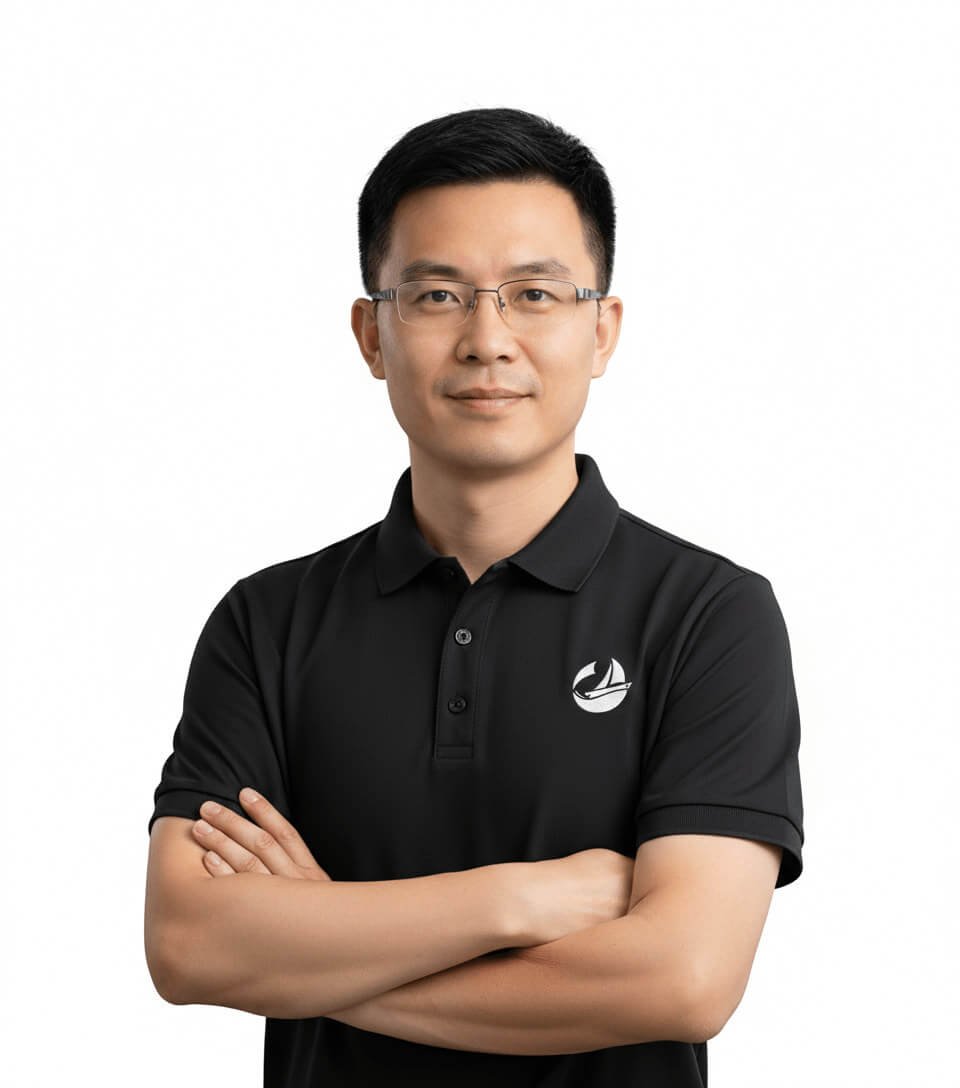
About: John Zhang is CEO of HYSF Subsea. HYSF has supplied connectors to ROV manufacturers in 30+ countries since 2015.
Last reviewed: March 12, 2026 | Next review: June 12, 2026