How does HYSF address Microbial Induced Corrosion (MIC)?

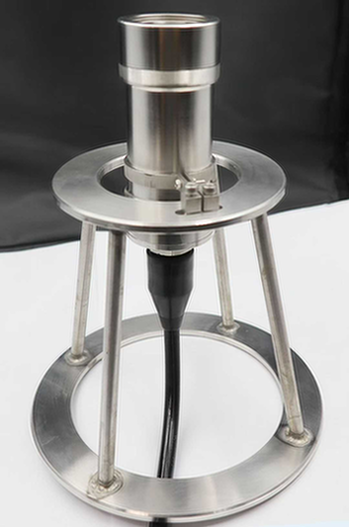
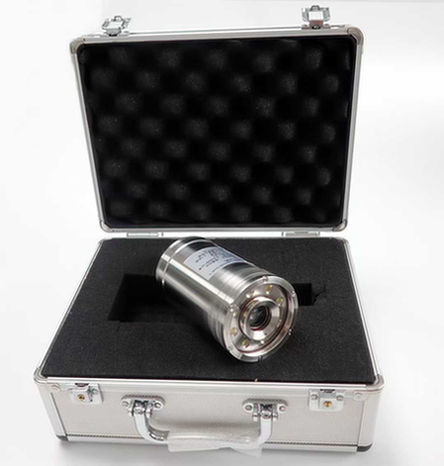
For long-term deployments (10+ years), bacteria can create acidic micro-environments that eat through metal. HYSF mitigates this by using high-molybdenum alloys (like 316L Stainless or Titanium) and smooth surface finishes (Ra 0.8) that make it difficult for bacterial biofilms to adhere and colonize.

The ocean is alive.

  • The Threat: Sulfate-Reducing Bacteria (SRB) can colonize metal surfaces and produce hydrogen sulfide, causing rapid localized pitting even in stainless steel.
  • Defense: Our polishing process reduces the surface roughness, leaving fewer crevices for bacteria to hide.
  • Material: For extremely high-risk anaerobic environments (like buried mud lines), we recommend Titanium, which is immune to MIC.
Picture of John Zhang

John Zhang

(CEO & Lead Engineer)
Email: info@hysfsubsea.com
With over 15 years of expertise in subsea interconnect technology, I lead HYSF's R&D team in designing high-pressure (60MPa) solutions. My focus is on ensuring zero-leakage reliability for ROVs, AUVs, and offshore instrumentation. I personally oversee the validation of our custom connector prototypes.
Have a complex technical question?

Proven Solutions in the Field

A showcase of our successful collaborations with global marine robotics, energy, and research partners. Every project reflects our commitment to zero-leak integrity and operational reliability.

Start Your Subsea Project with HYSF

Whether you need a quick quote for standard connectors or a complex custom cable assembly, our engineering team is ready to assist. Expect a technical response within 12 hours.

John Zhang

CEO

Jason Liu
Kevin Wang
Cindy Chen
Lily Li
Contact Form Demo