How should I route the cables to avoid stress?

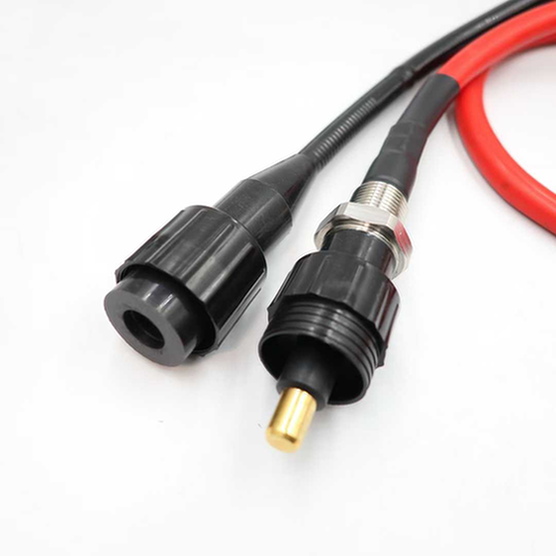
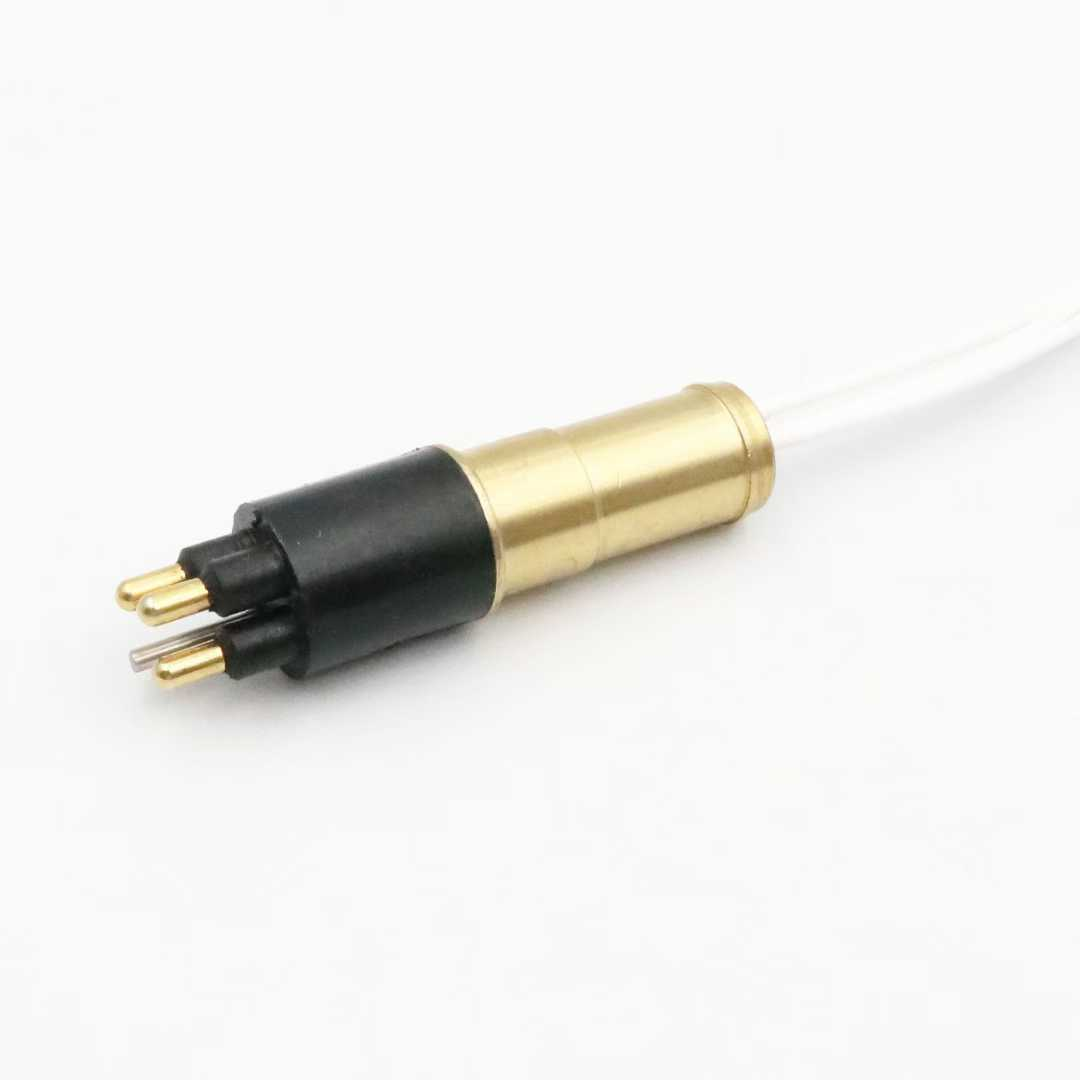
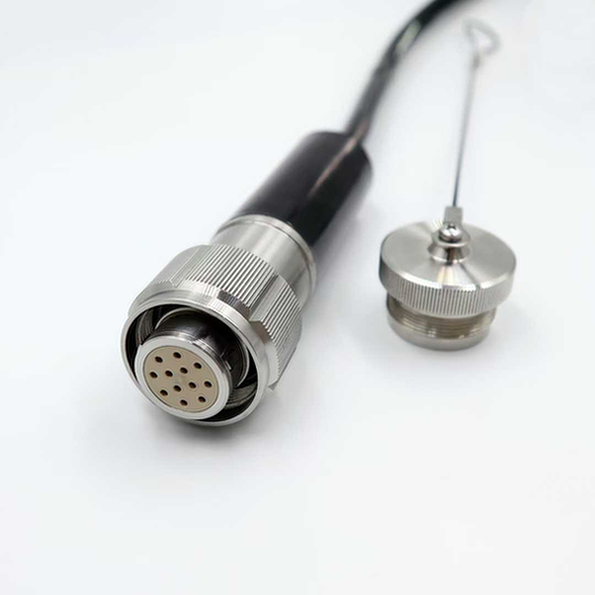
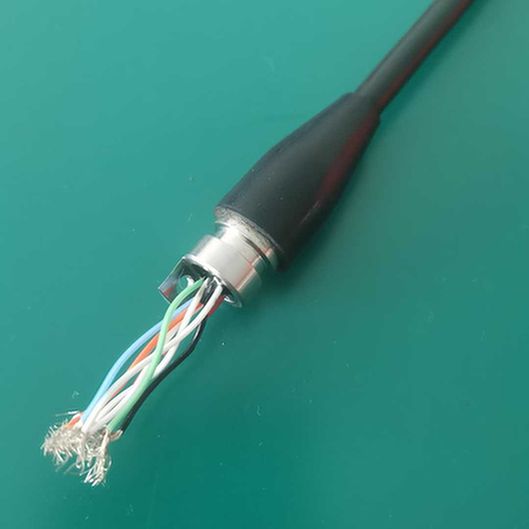
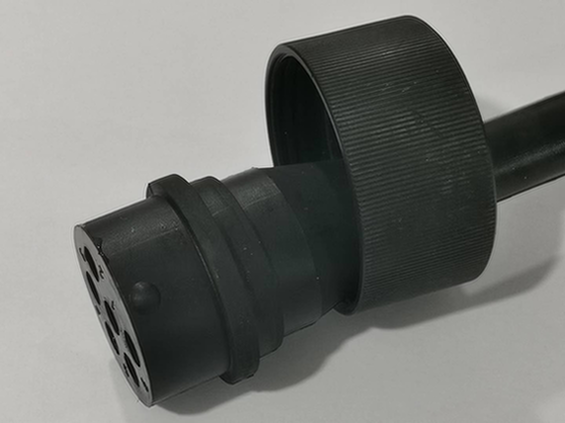
Ensure the cable exits the connector straight for at least 2-3 cm before bending. Do not bend the cable sharply at the “boot” (the transition point between the connector head and the cable). Use P-clips or cable ties to secure the cable to the ROV frame, taking the load off the connector.

Strain relief prevents fatigue.

  • The “Boot” Area: This is the stress concentration point. Bending it sharply acts like a lever, prying the rubber bond apart.
  • Vibration: If the cable is loose and flapping in the current, it transmits vibration directly to the connector pins. Secure the cable firmly to the chassis about 10-15cm away from the connector to absorb this energy.
Picture of John Zhang

John Zhang

(CEO & Lead Engineer)
Email: info@hysfsubsea.com
With over 15 years of expertise in subsea interconnect technology, I lead HYSF's R&D team in designing high-pressure (60MPa) solutions. My focus is on ensuring zero-leakage reliability for ROVs, AUVs, and offshore instrumentation. I personally oversee the validation of our custom connector prototypes.

Have a complex technical question?

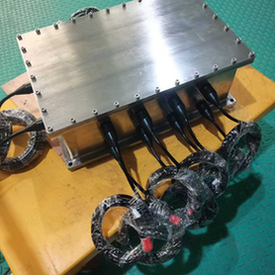
Proven Solutions in the Field

A showcase of our successful collaborations with global marine robotics, energy, and research partners. Every project reflects our commitment to zero-leak integrity and operational reliability.
Start Your Subsea Project with HYSF

Whether you need a quick quote for standard connectors or a complex custom cable assembly, our engineering team is ready to assist. Expect a technical response within 12 hours.
John Zhang

CEO

Jason Liu
Kevin Wang
Cindy Chen
Lily Li
Contact Form Demo