Quick Answer
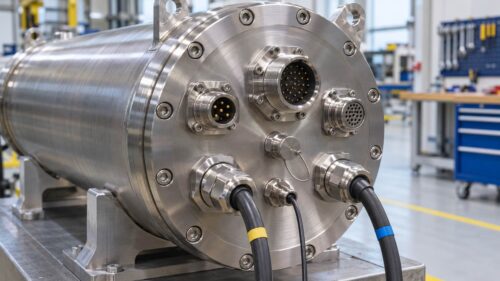
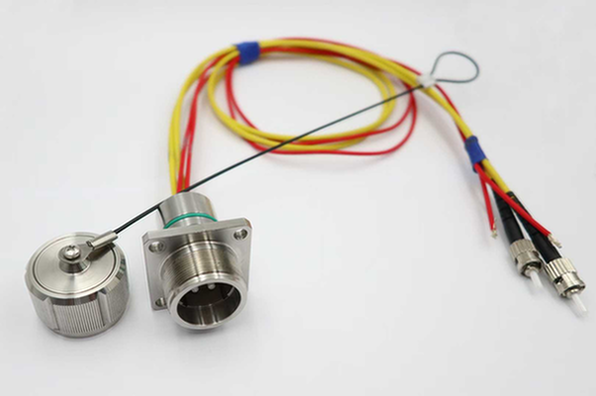
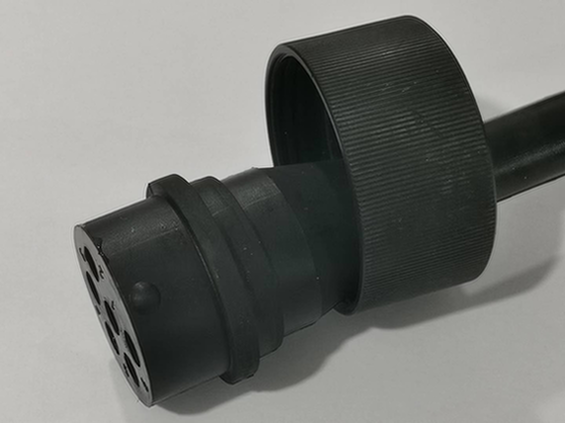
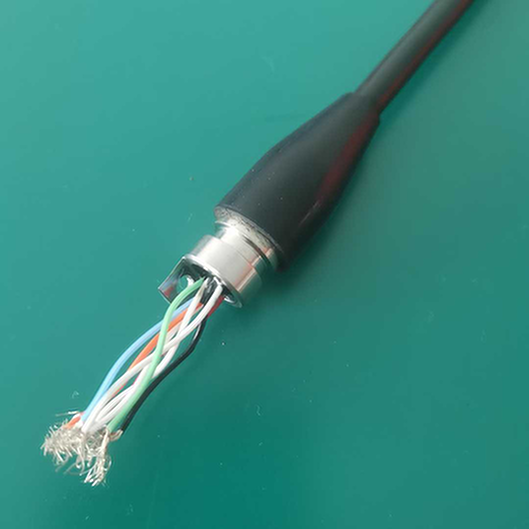
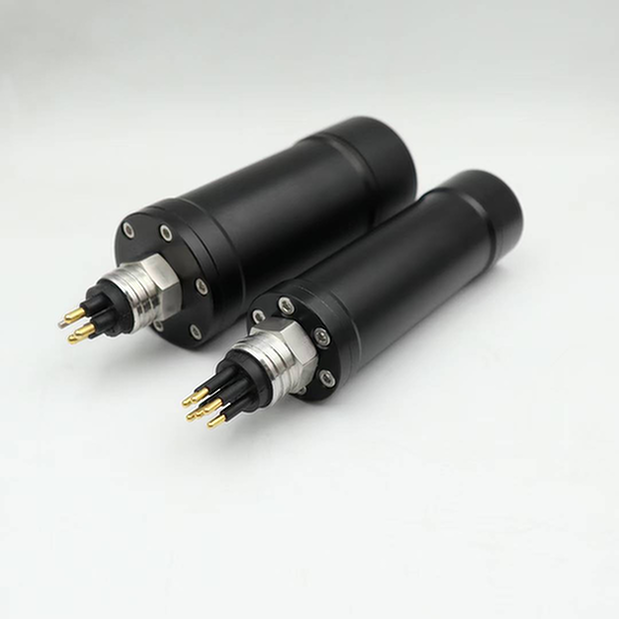
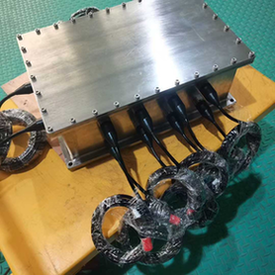
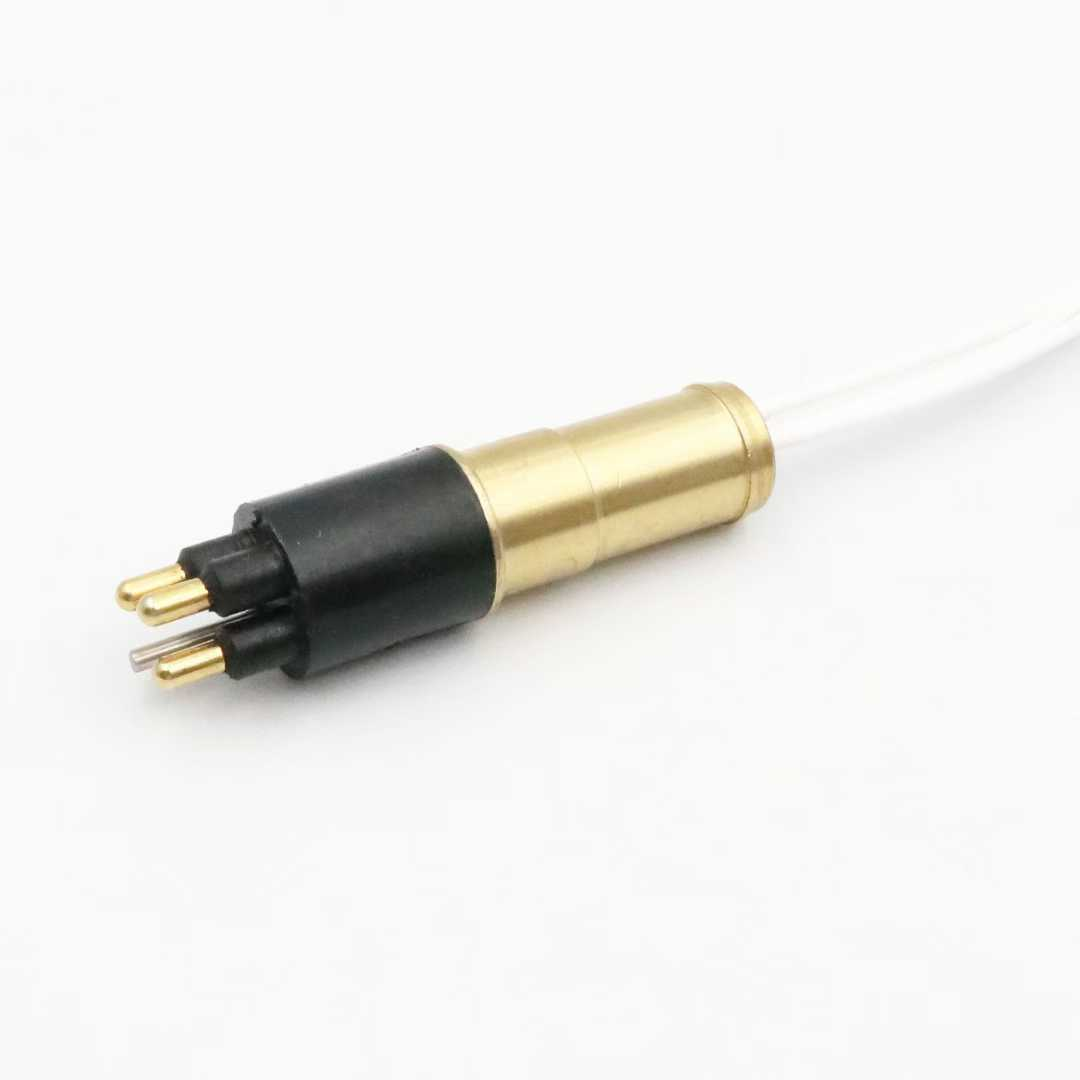
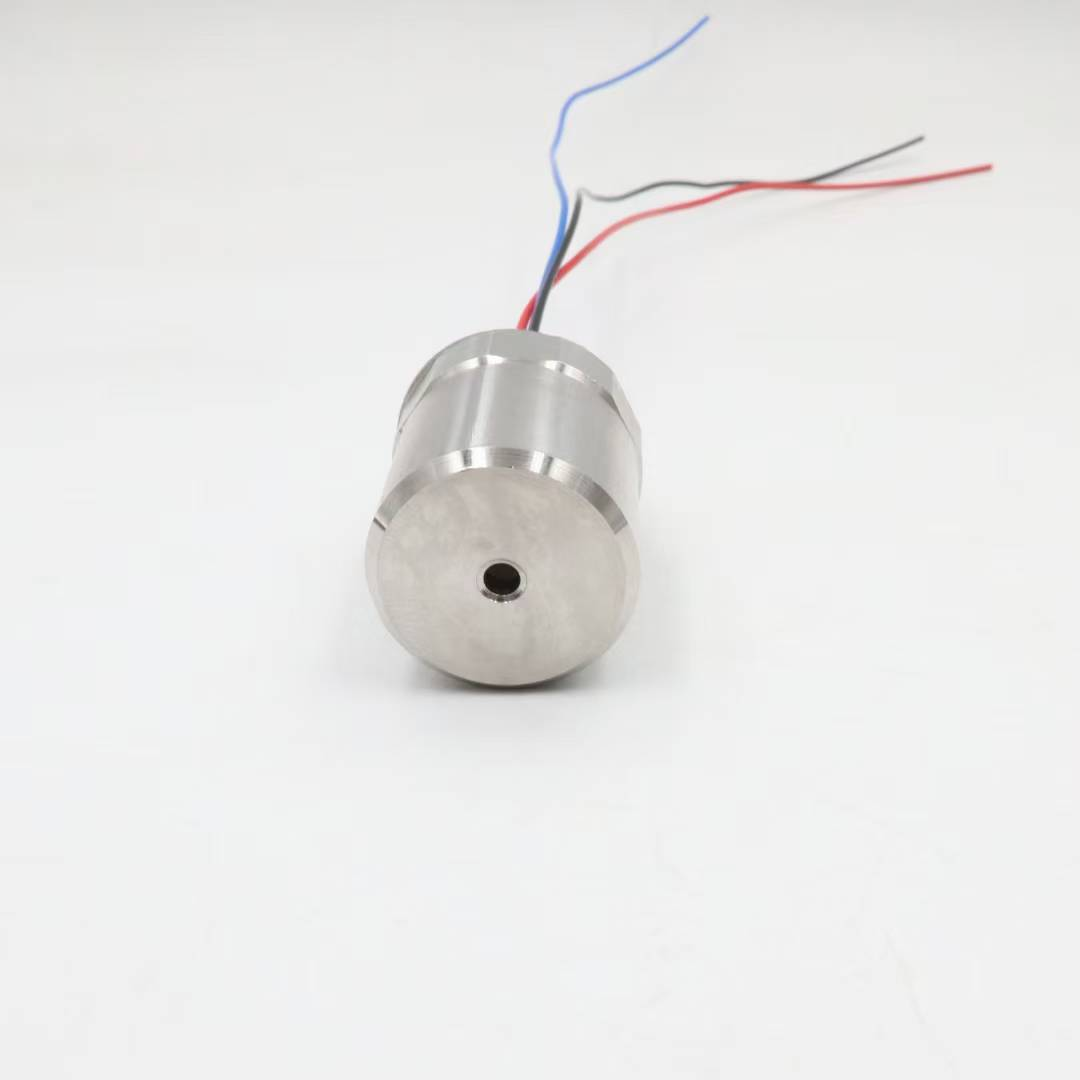
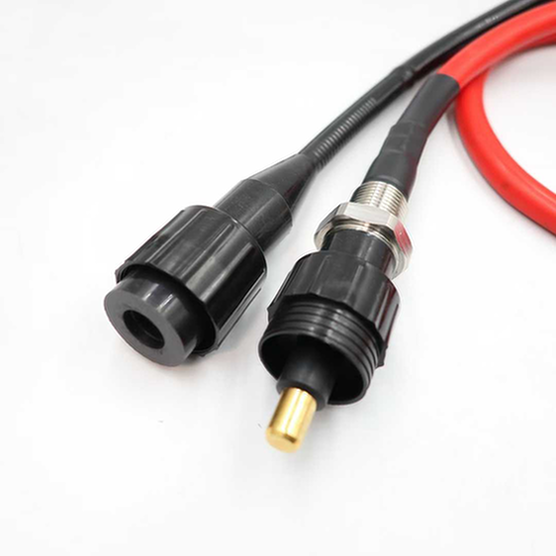
Yes, HYSF connectors support subsea data center applications. Key features: high-density fiber optic options for data transmission, power connectors for server racks, excellent EMI shielding. Used for Microsoft Project Natick-style deployments. Fiber + power hybrid connectors simplify cabling. Depth ratings 100-500m suitable for coastal deployments.
Subsea Data Center Overview
What Are Subsea Data Centers?
- Data centers deployed on seabed in pressure vessels
- Natural cooling from surrounding seawater
- Reduced land use, proximity to coastal populations
- High reliability (no human access = no human errors)
Connector Applications
- Power input: Shore-to-datacenter power cables
- Data transmission: Fiber optic backbone connections
- Internal networking: Server rack interconnects
- Monitoring: Environmental sensors (temp, pressure, humidity)
- Maintenance: ROV-accessible external connections
Technical Requirements
Data Transmission
- Bandwidth: 10-100+ Gbps per connection
- Fiber count: 12-144 fibers per cable
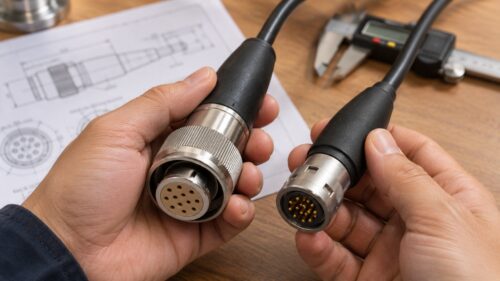
- Connector type: High-density fiber optic
- Loss budget: <0.5dB per connection
Power Distribution
- Voltage: Medium voltage (10-35kV) from shore
- Conversion: AC to DC for server equipment
- Current: High current for server racks
- Connector type: High-power wet-mate or dry-mate
Environmental Monitoring
- Internal sensors: Temperature, humidity, pressure
- External sensors: Seawater temp, current, biofouling
- Connector type: Multi-pin signal connectors
HYSF Solutions for Subsea Data Centers
| Application | Product | Key Features | Depth Rating |
|---|---|---|---|
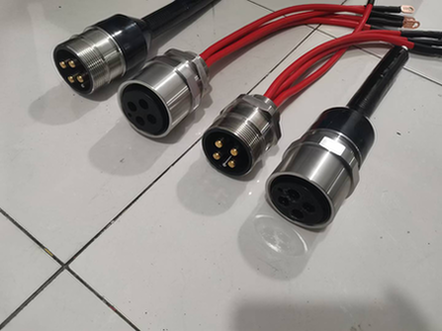
| Shore power input | High-Power Wet-Mate | 1000A, 35kV | 500m |
| Fiber backbone | High-Density Fiber | 144 fibers, <0.3dB loss | 1000m |
| Server rack power | DC Power Connector | 400A, 400V DC | Internal (dry) |
| Internal networking | Fiber Optic LC/SC | High density, low loss | Internal (dry) |
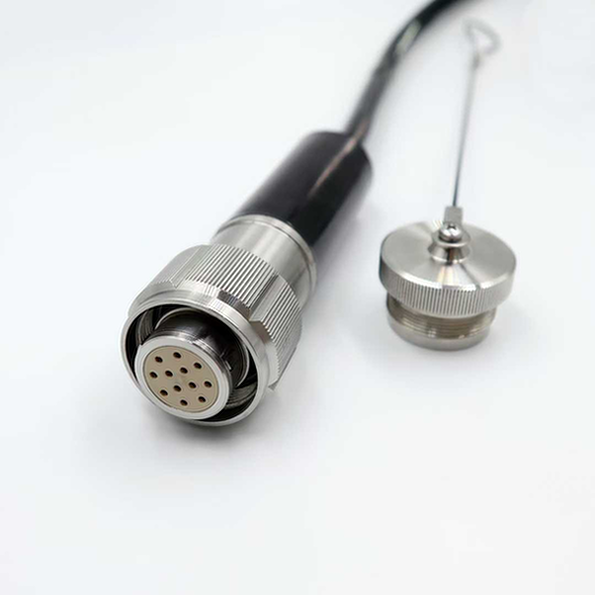
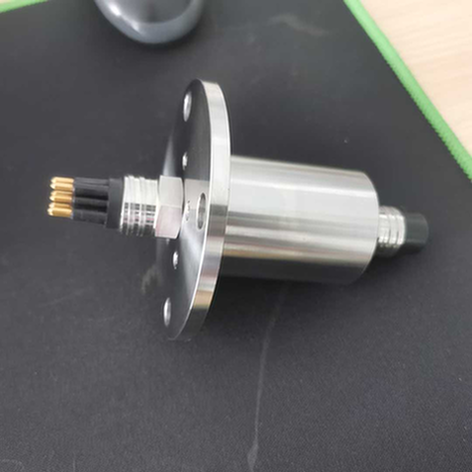
| Environmental sensors | Multi-Pin Signal | 12-24 pins, shielded | 500m |
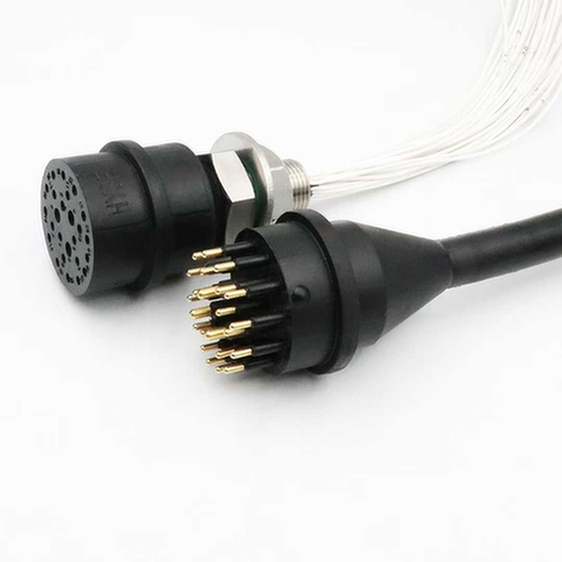
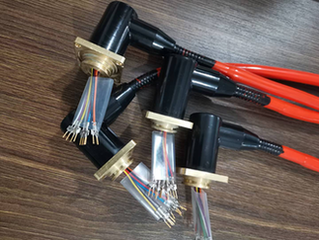
| ROV interface | Wet-Mate Hybrid | Power + fiber + signal | 500m |
Key Advantages for Subsea Data Centers
Reliability
- Designed for 25+ year deployments
- Minimal maintenance requirements
- Proven in harsh subsea environments
Performance
- High-speed data transmission (100+ Gbps)
- Low signal loss
- Excellent EMI/RFI shielding
Efficiency
- Hybrid connectors reduce cable count
- Compact design saves space
- Quick-disconnect for maintenance
Installation and Maintenance
Initial Deployment
- Pre-terminated cables with connectors
- ROV installation of wet-mate connections
- Pressure testing before deployment
- Redundant connections for critical paths
Ongoing Maintenance
- Remote monitoring of connection health
- ROV inspection (visual, thermal)
- Planned connector replacement (10-15 year intervals)
- Spare connections for quick swap
Real-World Reference: Project Natick
Microsoft’s Project Natick demonstrated subsea data center feasibility:
- Deployment: Orkney Islands, Scotland (2018-2020)
- Depth: 35 meters
- Duration: 2 years successful operation
- Result: 1/8th failure rate of land-based data centers
Future Trends
- Higher power densities (AI/ML workloads)
- Increased fiber counts (data growth)
- Standardized ROV-mateable interfaces
- Integration with renewable energy (offshore wind)
Contact Us
Subsea data center solutions: [email protected]