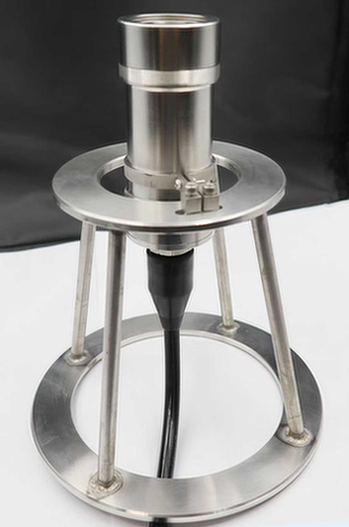
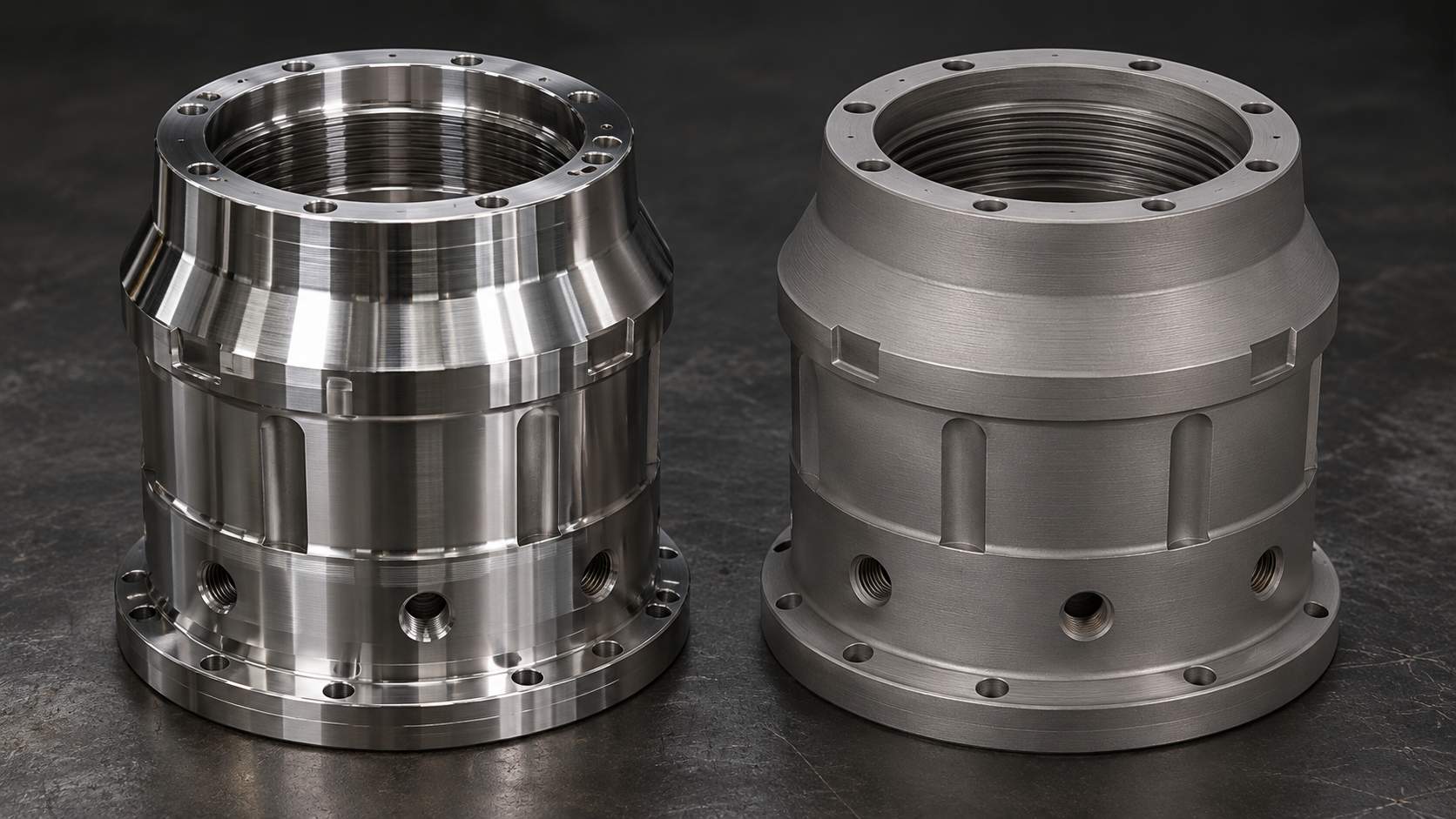
Choosing the metal for a subsea connector shell, bulkhead or pressure housing is one of those decisions that seems simple at the design stage and becomes very important a year later. The wrong material can lead to corrosion, seized threads, extra weight or unnecessary cost.
For most subsea projects, the choice comes down to two options: 316L stainless steel and titanium. Both are widely used and both perform well in seawater, but they suit different jobs. This guide compares titanium vs stainless steel subsea performance so you can choose with confidence.
316L Stainless Steel: The Reliable Standard

316L is a low-carbon, molybdenum-bearing stainless steel. The molybdenum improves resistance to chlorides, which is why 316L is the most common stainless grade in marine engineering.
Strengths:
- Good corrosion resistance for many marine applications
- Easy to machine, weld and source worldwide
- Lower material and machining cost than titanium
- Strong and tough, with predictable behavior
Limitations:
- Can suffer pitting corrosion and crevice corrosion in warm or stagnant seawater, especially under seals, marine growth or deposits
- Heavier than titanium for the same part
- Long-term immersion needs more attention to design and maintenance
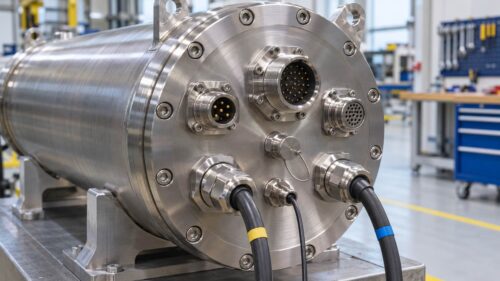
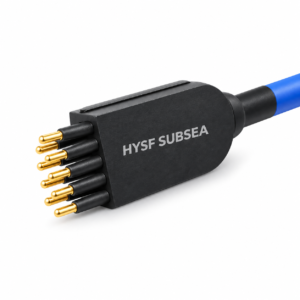
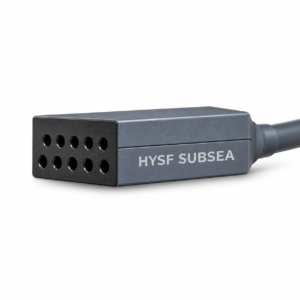
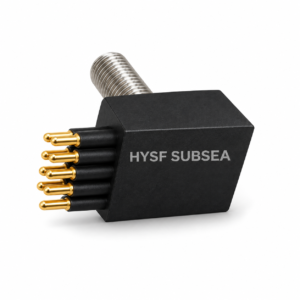
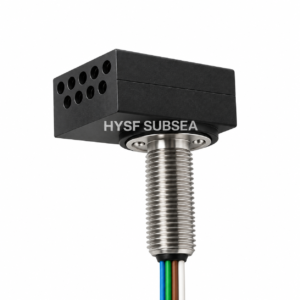
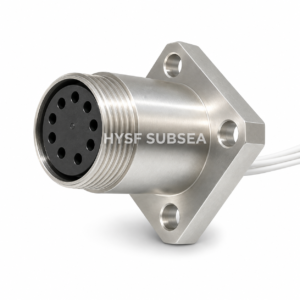
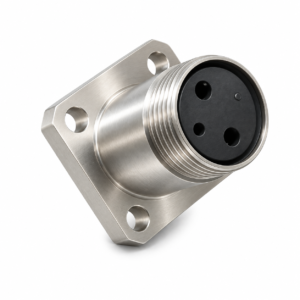
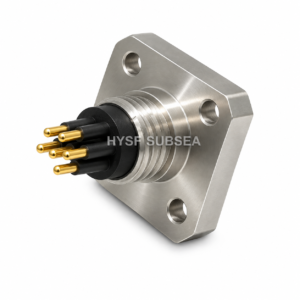
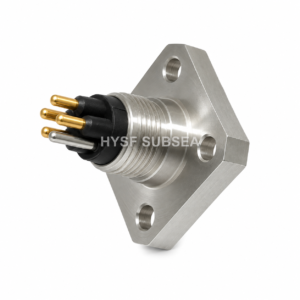
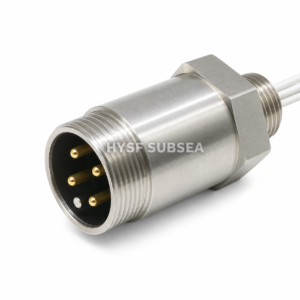
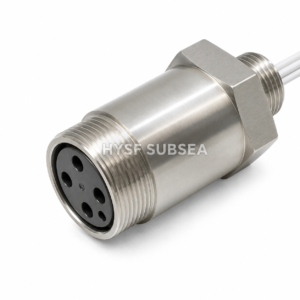
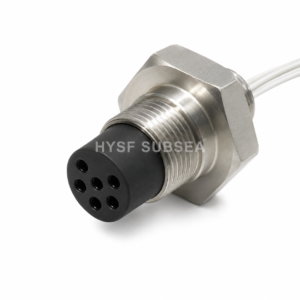
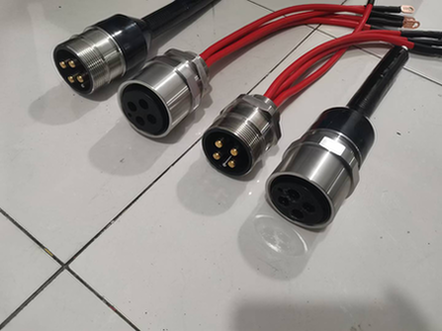
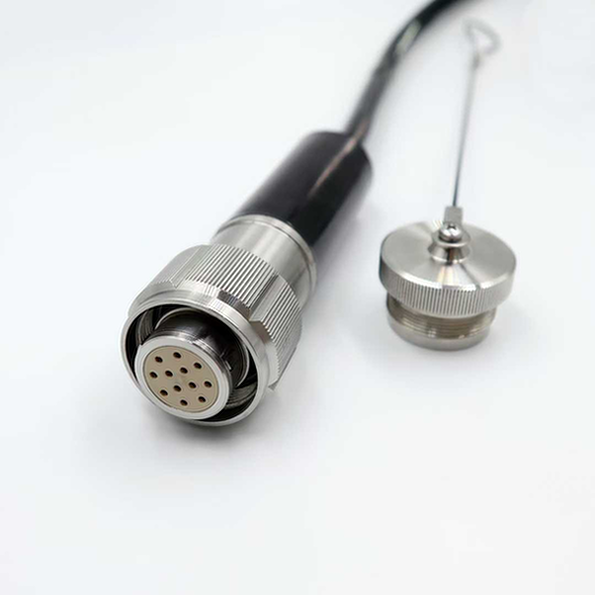
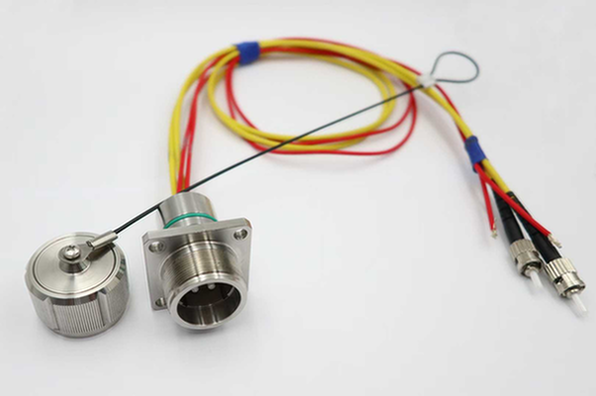
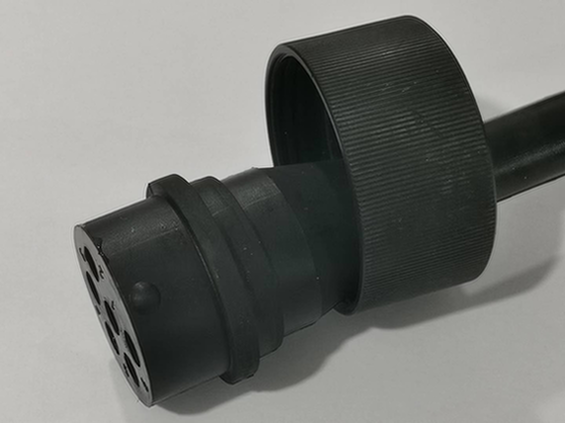
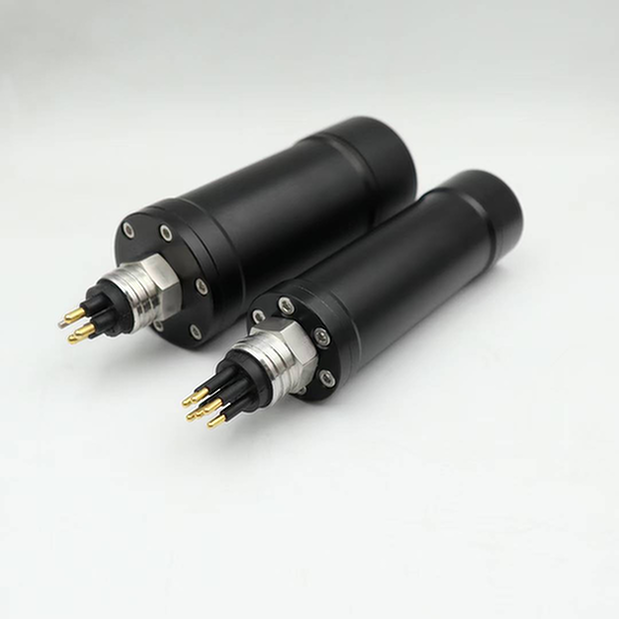
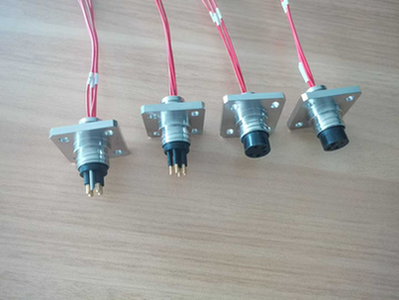
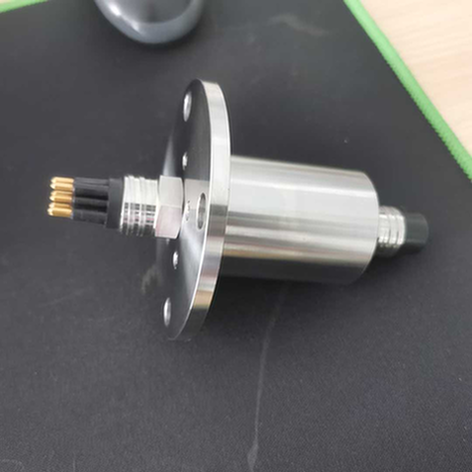
HYSF uses 316L stainless steel as the standard shell material for its micro and Gigabit Ethernet bulkhead connectors, which suits the majority of ROV, sensor and offshore applications.
Titanium: The Premium Choice for Harsh and Long Deployments
Titanium forms a very stable oxide layer that makes it extremely resistant to seawater corrosion, including pitting and crevice corrosion at normal sea temperatures.
Strengths:
- Outstanding corrosion resistance in seawater, even over many years
- Roughly 40% lighter than steel for the same volume
- Excellent strength-to-weight ratio, ideal for deep, weight-sensitive systems
- Very low maintenance in long-term deployments
Limitations:
- Higher material cost
- Harder to machine, which raises part cost and lead time
- Thread galling can occur if threads are not designed and lubricated correctly
Titanium vs Stainless Steel Subsea: Side-by-Side
| Factor | 316L stainless steel | Titanium |
| Seawater corrosion resistance | Good, but can pit in crevices or warm, stagnant water | Excellent, highly resistant to pitting and crevice corrosion |
| Weight | Heavier | Around 40% lighter for the same volume |
| Strength-to-weight ratio | Good | Excellent |
| Cost | Lower | Higher |
| Machinability | Easy | More difficult |
| Long-term deployment | Needs more inspection | Very low maintenance |
| Best for | Most ROV, sensor and general offshore applications | Deep, long-term, weight-critical or high-value systems |
How Depth and Mission Length Affect the Choice
Pressure increases by about one atmosphere for every 10 metres, so deep systems need strong materials. But for most connector shells, both metals are strong enough. The bigger differences show up in weight and time in the water.
- Short, repeated dives (ROV work, surveys): 316L is usually the most cost-effective choice, because parts are rinsed, inspected and maintained regularly.
- Long deployments (observatories, moorings, seabed sensors): titanium often pays for itself through lower maintenance and fewer failures.
- Weight-critical vehicles (AUVs, gliders, deep-diving systems): titanium’s lower weight reduces the need for extra buoyancy.
Don’t Forget Galvanic Corrosion
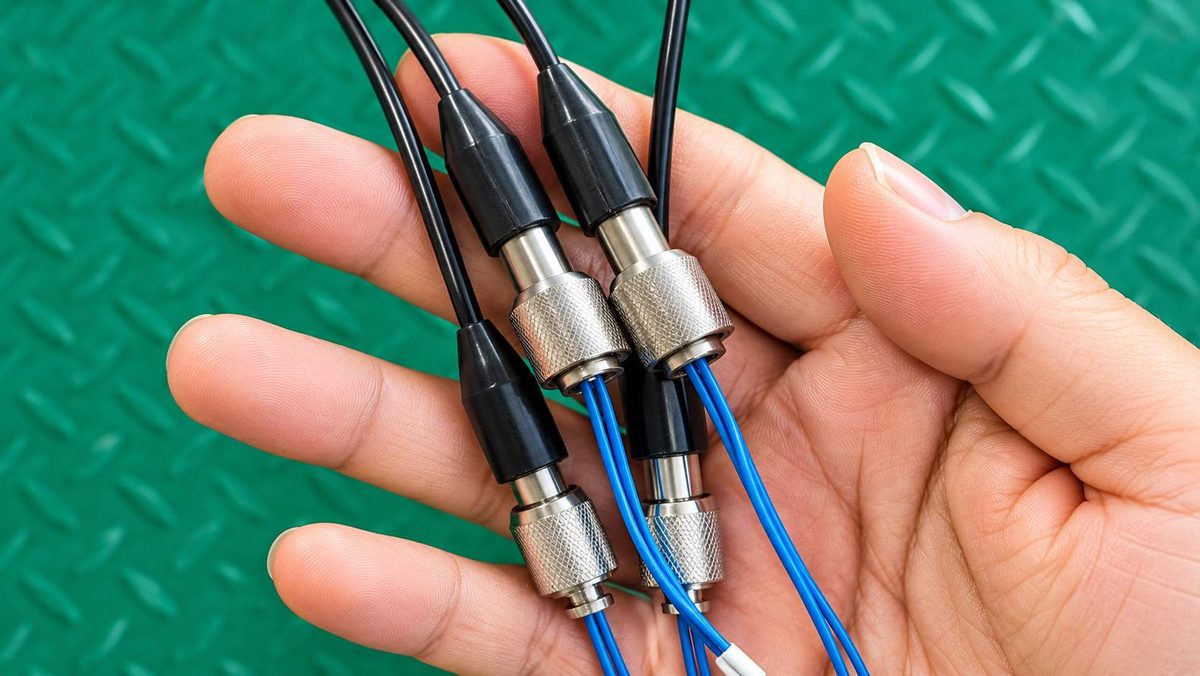
When two different metals touch in seawater, the less noble one can corrode faster. This is galvanic corrosion, and it’s a common cause of subsea failures.
- Match connector shells to the housing material where possible
- Use insulating washers or coatings when dissimilar metals must meet
- Be especially careful with aluminum housings, which corrode quickly when paired with stainless steel or titanium
Our guide on subsea bulkhead connectors vs penetrators covers how material choice affects housing design.
[PRODUCT IMAGE: https://hysfsubsea.com/wp-content/uploads/2026/01/ti-penetrator-titanium-bulkhead-3.webp | Alt text: Titanium alloy subsea penetrator for long-term deployments | Caption: Titanium penetrators are a popular choice for deep and long-term subsea housings.]
What About Marine Bronze?
Naval brass and marine bronze are a third option worth knowing. They offer natural resistance to biofouling, which makes them useful in aquaculture and shallow, high-growth environments. HYSF offers marine bronze bases as a custom option alongside 316L and titanium.
How to Choose
- Start with mission length. Long immersion favors titanium.
- Check weight limits. Weight-sensitive vehicles favor titanium.
- Consider budget and quantity. Large volumes of standard parts usually favor 316L.
- Match the housing material. Avoid galvanic pairs.
- Ask for test data. Whichever metal you choose, confirm hydrostatic testing at your mission depth.
If you need a non-standard material or shell design, HYSF offers custom engineering and OEM/ODM services.
Frequently Asked Questions
Is titanium better than stainless steel for subsea use?
Titanium offers better corrosion resistance and a lower weight, but it costs more. For many short, regularly maintained deployments, 316L stainless steel performs very well at a lower cost.
Does 316L stainless steel corrode in seawater?
316L resists corrosion well in most marine conditions, but it can suffer pitting or crevice corrosion in warm, stagnant water or under deposits and seals.
Why is titanium used for deep-sea equipment?
Titanium combines high strength, low weight and excellent seawater corrosion resistance, which makes it ideal for deep, long-term and weight-sensitive systems.
Can I mix titanium and stainless steel parts?
It’s possible, but dissimilar metals in seawater can cause galvanic corrosion. Use insulation and check compatibility.
What material does HYSF use for connector shells?
316L stainless steel is the standard, with titanium alloy, naval brass and marine bronze available as custom options.
Final Thoughts
The titanium vs stainless steel subsea decision isn’t about which metal is better overall. It’s about which one fits your mission. 316L is the dependable, cost-effective standard for most systems, while titanium earns its higher price in long, deep and weight-critical deployments.
To discuss materials for your project, contact the HYSF engineering team or explore materials and environmental durability in the Knowledge Hub.