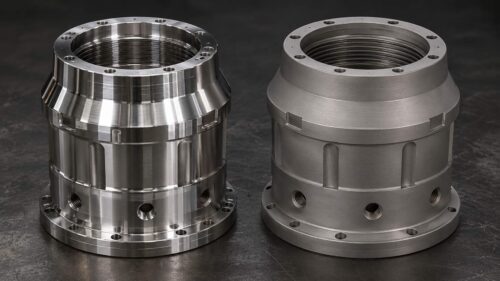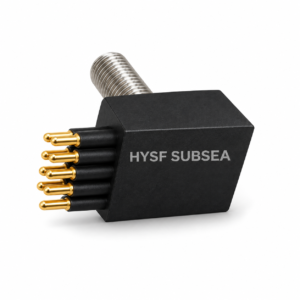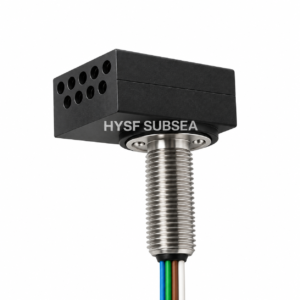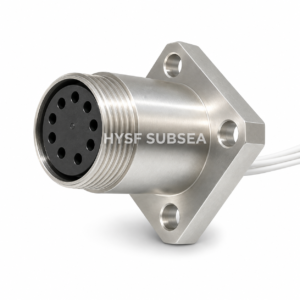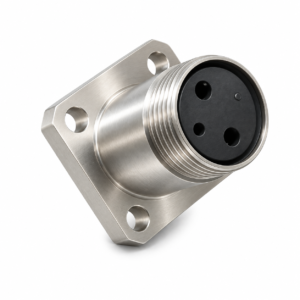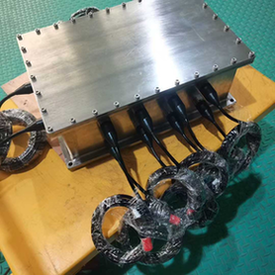
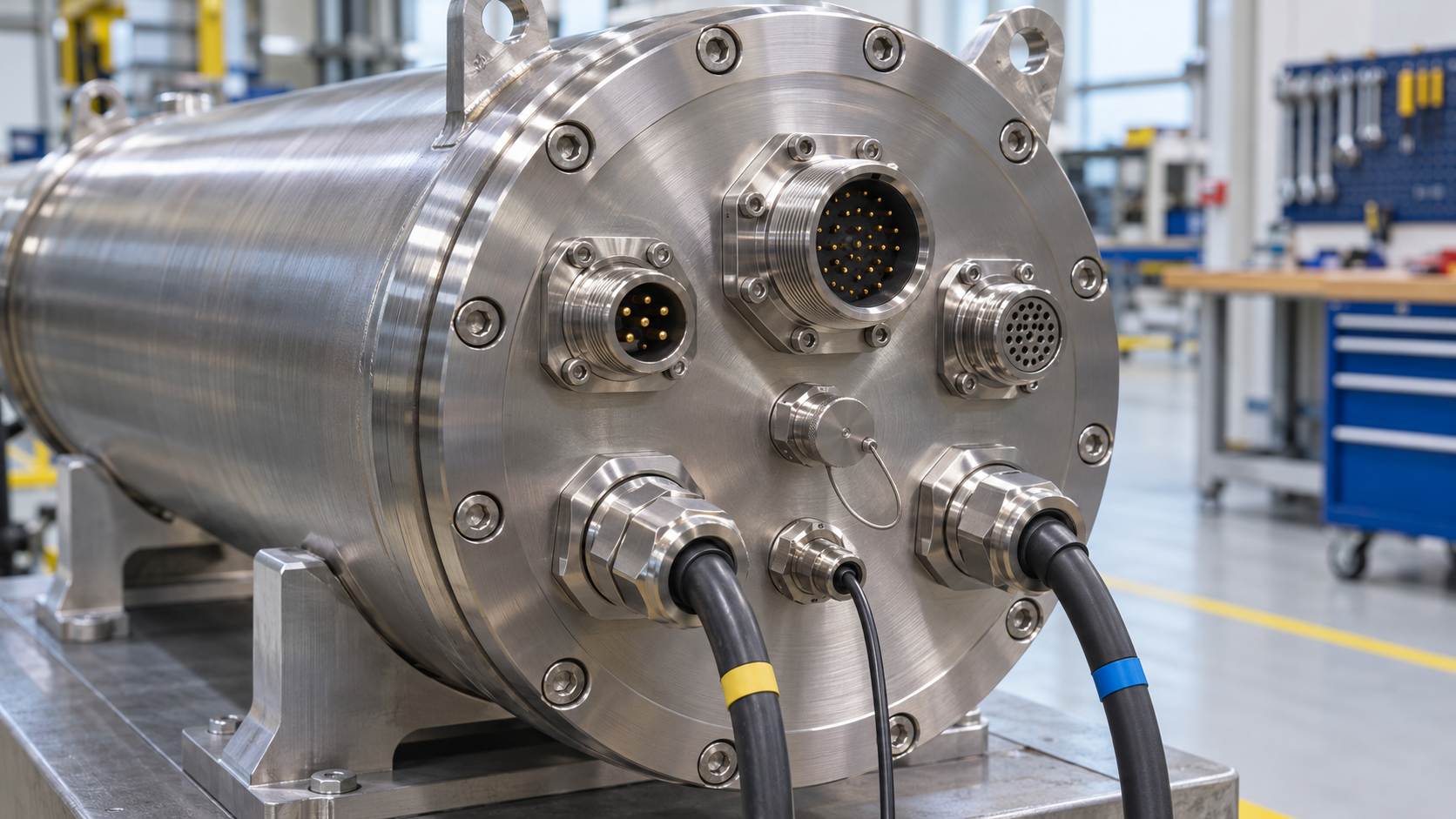
Every subsea pressure housing has one weak point that engineers think about more than any other: where the cables go in. Electronics inside a housing need power and data from outside, and every hole in the housing wall is a potential leak path.
There are two main ways to get cables through that wall: a subsea bulkhead connector or a penetrator. Both work, but they suit different needs. This guide explains the difference and how to choose the right one for your housing.
What Is a Subsea Bulkhead Connector?
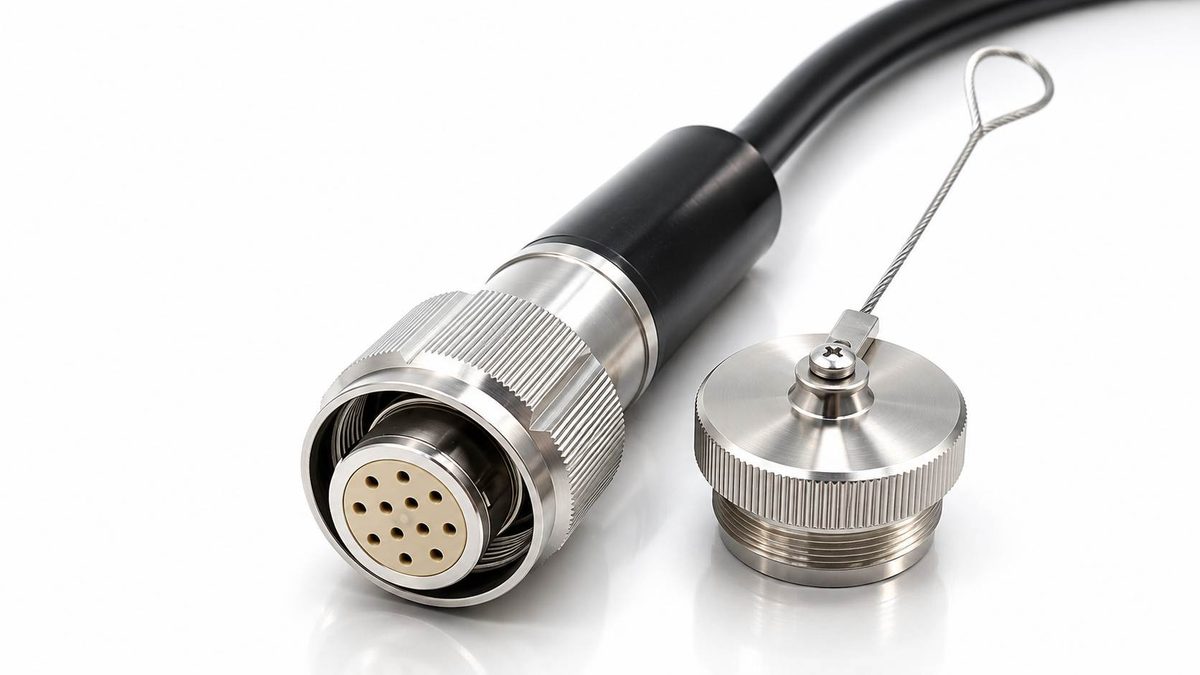
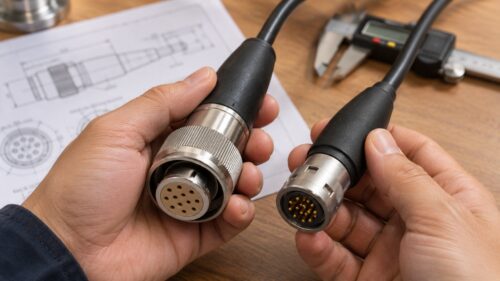
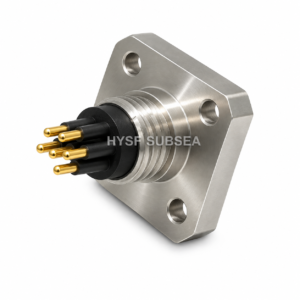
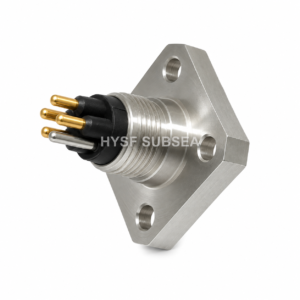
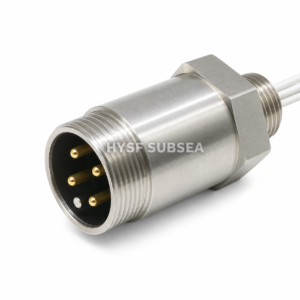
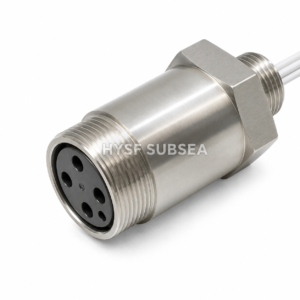
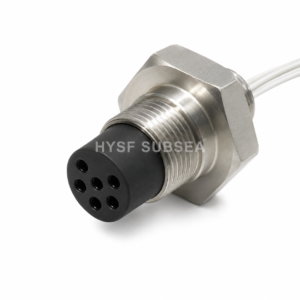
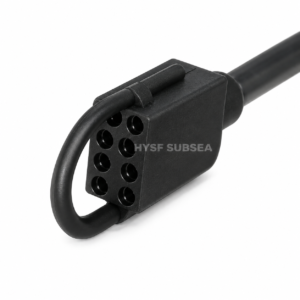
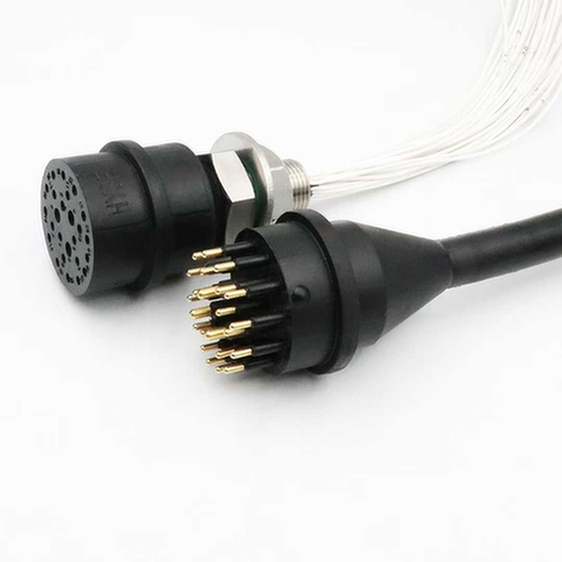
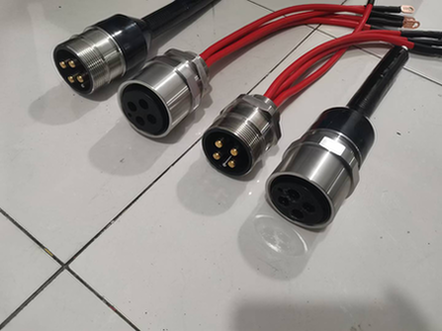
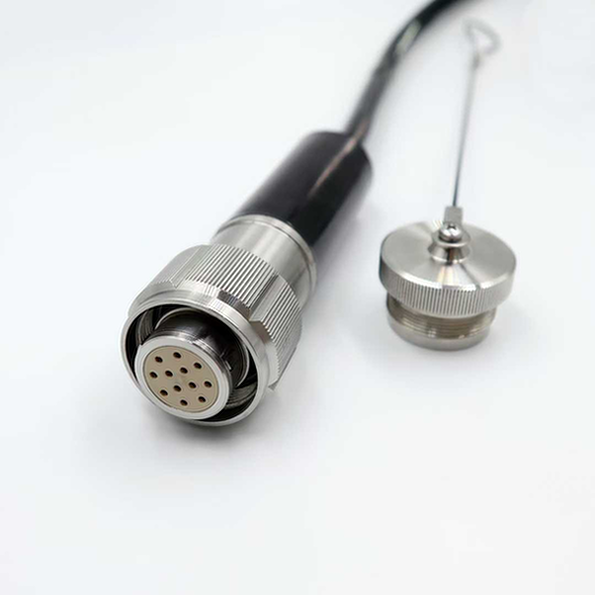
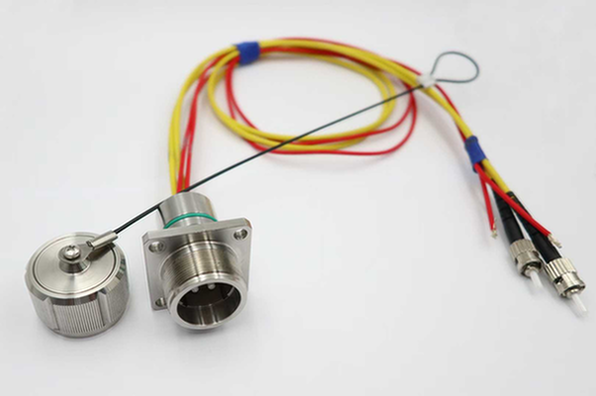
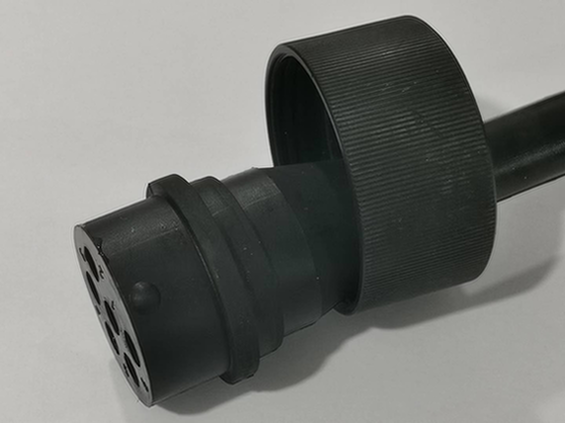
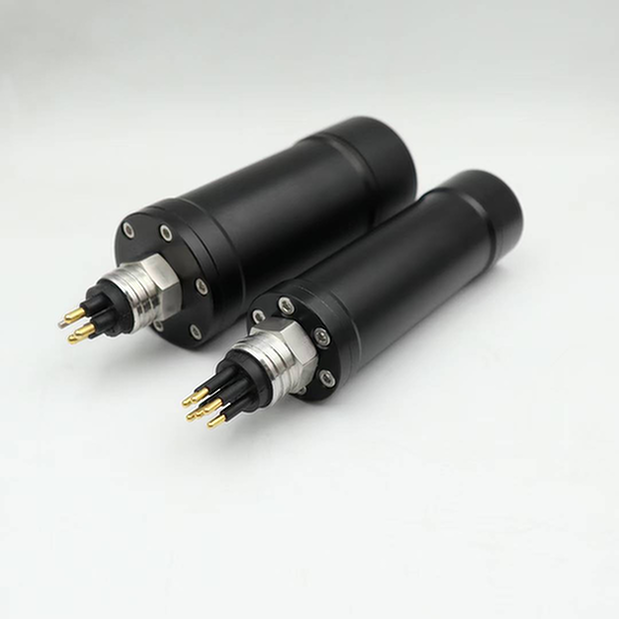
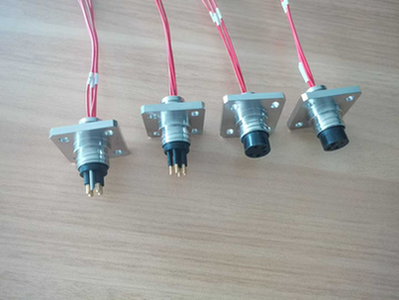
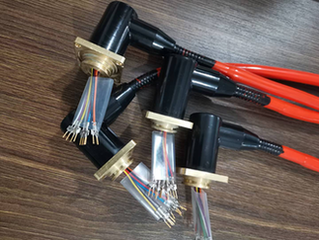
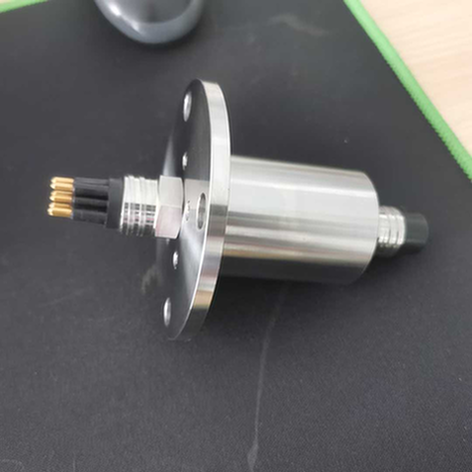
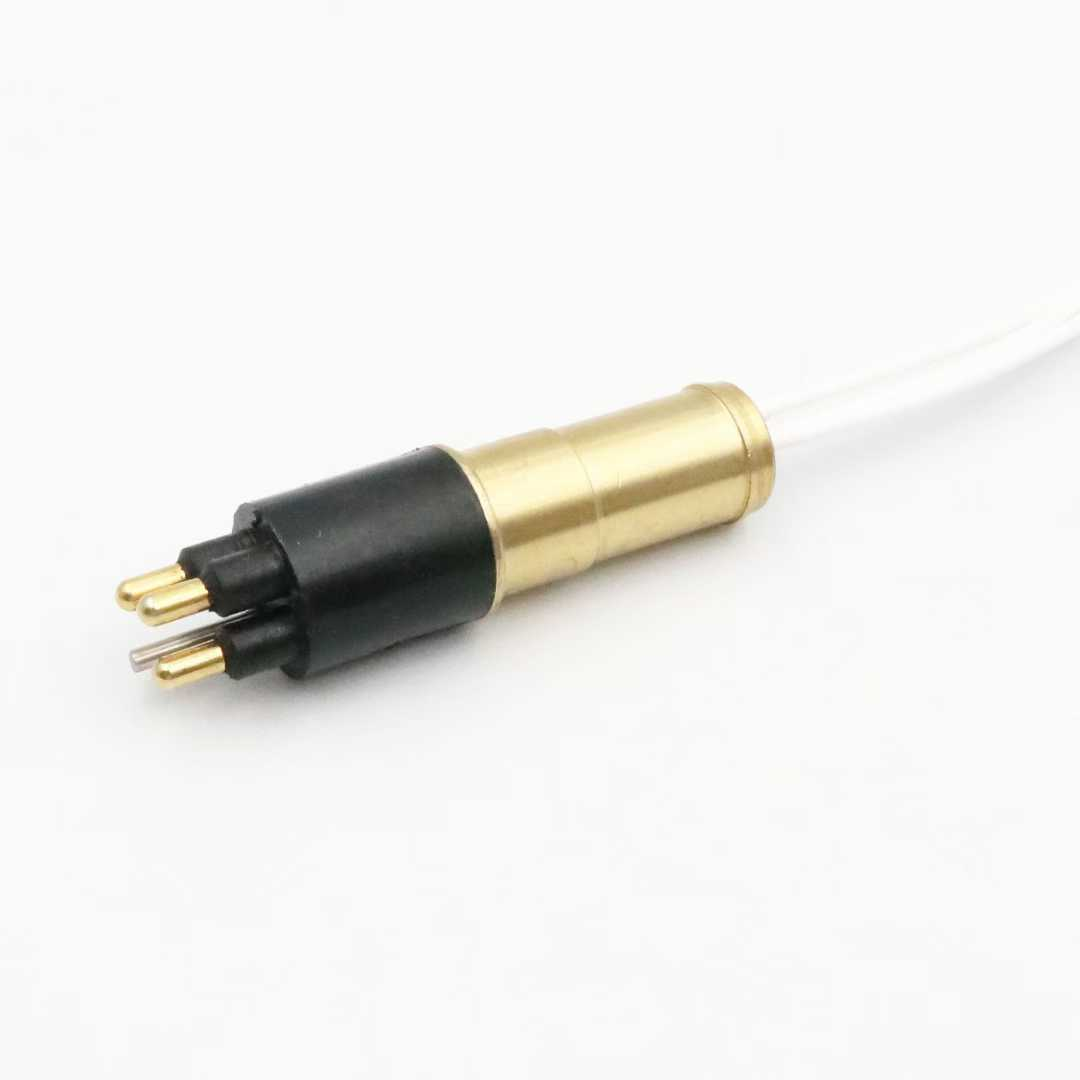
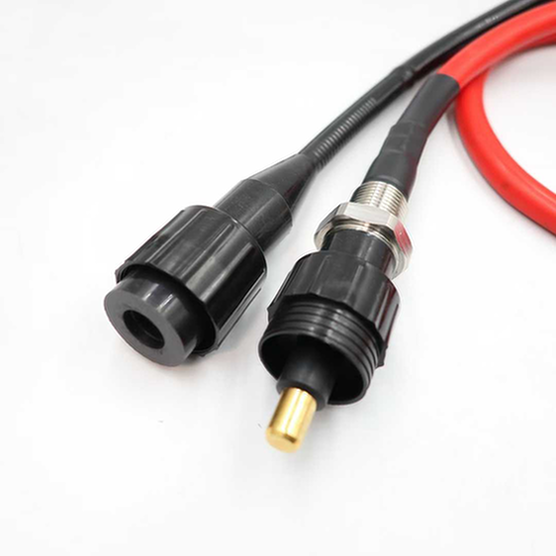
A subsea bulkhead connector is a receptacle mounted in the housing wall. On the outside, it has a connector face that mates with a cable plug. On the inside, it has pins, leads or a short cable that connect to the electronics.
The key advantage is that the external cable can be disconnected. That makes maintenance, testing and replacement much easier.
Bulkhead connectors are usually installed with a threaded body and locking nut, sealed with O-rings against the housing. HYSF’s micro bulkhead connectors, for example, use a 7/16-20UNF mounting thread with 316L stainless steel shells as standard.
What Is a Penetrator?

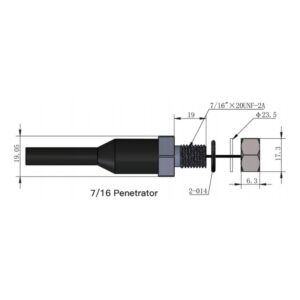
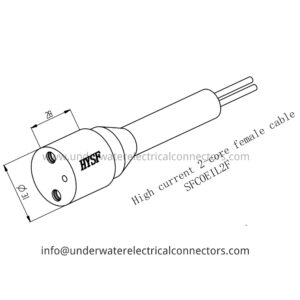
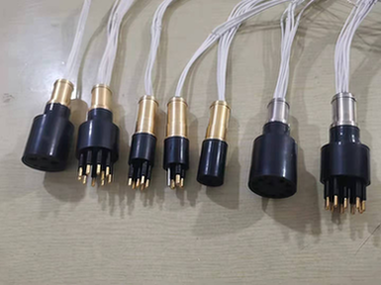
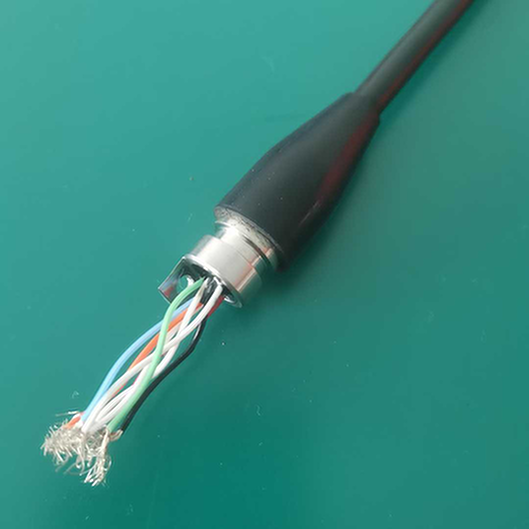
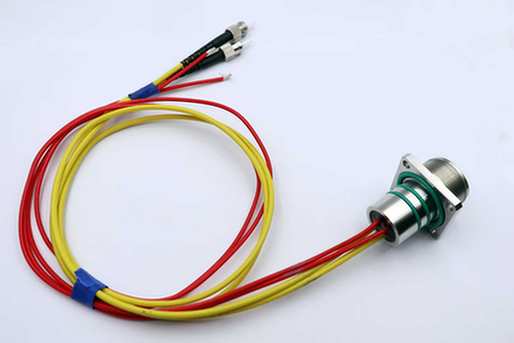
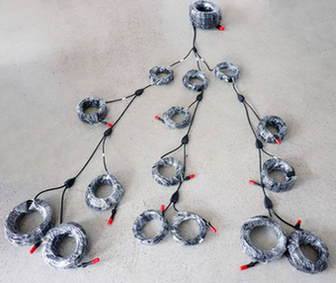
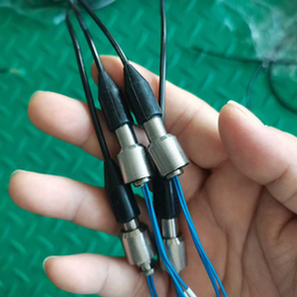
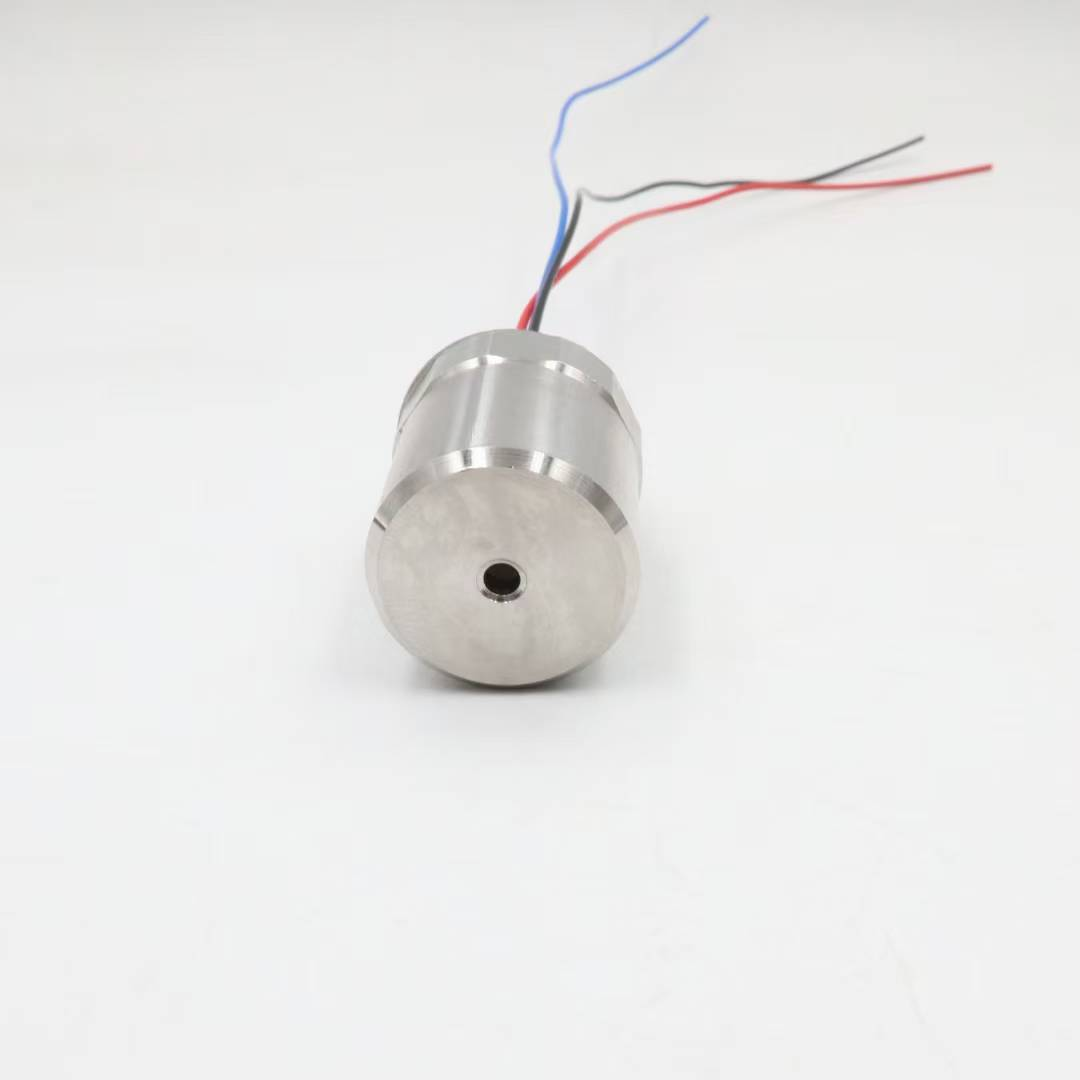
A penetrator brings a cable permanently through the housing wall. The cable is molded or potted into a fitting, which is then sealed into the housing. There’s no connector face to unmate on the outside; the cable simply exits the housing.
Penetrators are often used where:
- The connection never needs to be separated
- Space is too tight for a connector
- The lowest possible number of interfaces is preferred
- The cable must stay attached for long-term or permanent deployments
Subsea Bulkhead Connector vs Penetrator
| Factor | Subsea bulkhead connector | Penetrator |
|---|---|---|
| Can the cable be disconnected? | Yes | No, cable is permanent |
| Maintenance and testing | Easy, swap or test cables independently | Housing and cable treated as one unit |
| Number of interfaces | Two (bulkhead + plug) | One |
| Space needed | More, for connector and mating plug | Less |
| Field replacement | Replace the cable only | Often replace the penetrator and cable together |
| Best for | Serviceable systems, modular vehicles, sensors | Permanent installations, tight spaces, minimal interfaces |
How Sealing Works
Both options rely on careful sealing against the housing. Most use O-rings seated in precisely machined grooves, sometimes combined with face seals or multiple sealing stages.
Pressure increases by about one atmosphere every 10 metres, so a seal that works in shallow water may not survive at 3,000 metres. That’s why sealing design, surface finish and material choice are just as important as the connector itself. HYSF’s micro bulkhead connectors specify a surface roughness of Ra 1.6 for the mounting face, which is a good example of how much detail matters.
How to Choose
Choose a subsea bulkhead connector if:
- You need to disconnect cables for maintenance, transport or testing
- The housing is part of a modular system, such as an ROV or sensor package
- You want to replace a damaged cable without opening the housing
Choose a penetrator if:
- The cable never needs to be separated from the housing
- Space on the end cap is very limited
- You want the fewest possible interfaces for a long-term deployment
Many systems use both: penetrators for permanent internal connections and bulkhead connectors for anything that might need to be changed.
Materials Matter

Bulkhead connectors and penetrators are usually made from 316L stainless steel, titanium or marine bronze. Titanium is especially popular for deep or long deployments thanks to its strength-to-weight ratio and corrosion resistance. Choose a material compatible with your housing to avoid galvanic corrosion between dissimilar metals.
Related Options
- PBOF assemblies combine a bulkhead or penetrator with an oil-filled hose for extra protection. See our PBOF connector guide.
- Flange-mounted bulkheads offer a larger sealing face for demanding applications.
- Right-angle bulkheads help when cables must exit parallel to the housing wall.
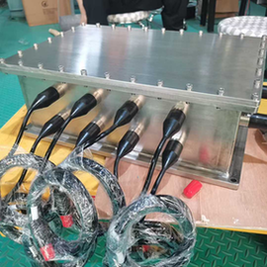
For complete housings, HYSF also offers subsea integrated systems and enclosures with connectors and penetrators already fitted.
Frequently Asked Questions
What is the difference between a bulkhead connector and a penetrator?
A subsea bulkhead connector lets the external cable be disconnected from the housing, while a penetrator brings the cable permanently through the housing wall with no separable interface.
Which is more reliable, a bulkhead connector or a penetrator?
Both can be highly reliable when designed and installed correctly. Penetrators have fewer interfaces, while bulkhead connectors make maintenance and replacement easier.
Can I replace a penetrator with a bulkhead connector?
Often yes, if the housing port can accept the connector’s thread and sealing design. Check dimensions and sealing surfaces first.
What materials are used for subsea bulkhead connectors?
Common materials include 316L stainless steel, titanium and marine bronze, chosen to match the housing and deployment environment.
Are custom penetrators available?
Yes. HYSF offers custom penetrators with specific cable lengths, pin counts, materials and mounting styles through its custom engineering services.
Final Thoughts
Choosing between a subsea bulkhead connector and a penetrator comes down to one question: will you ever need to disconnect the cable? If yes, go with a bulkhead connector. If not, a penetrator may be simpler and more compact. Either way, sealing, material and pressure rating are what keep your electronics dry.
For help choosing the right option for your housing, contact the HYSF engineering team or try the Underwater Connector Selector.