Quick Answer
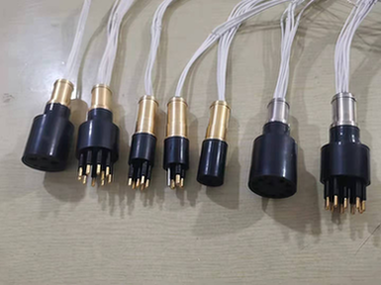
Material choice depends on depth, environment, and budget. Brass: cost-effective, shallow water (<100m). Stainless Steel (316L): versatile, most applications (<1000m). Titanium: premium, deep sea, highly corrosive environments (1000m+). Consider weight, strength, and corrosion resistance.
Material Comparison
| Property | Brass | Stainless Steel 316L | Titanium Grade 5 |
|---|---|---|---|
| Max Depth | 100m | 1,000m | 3,000m+ |
| Corrosion Resistance | Good | Excellent | Outstanding |
| Strength | Moderate | High | Very High |
| Weight | Heavy | Heavy | 45% lighter |
| Cost | $ | $$ | $$$ |
| Best For | Shallow, budget | Most applications | Deep, critical |
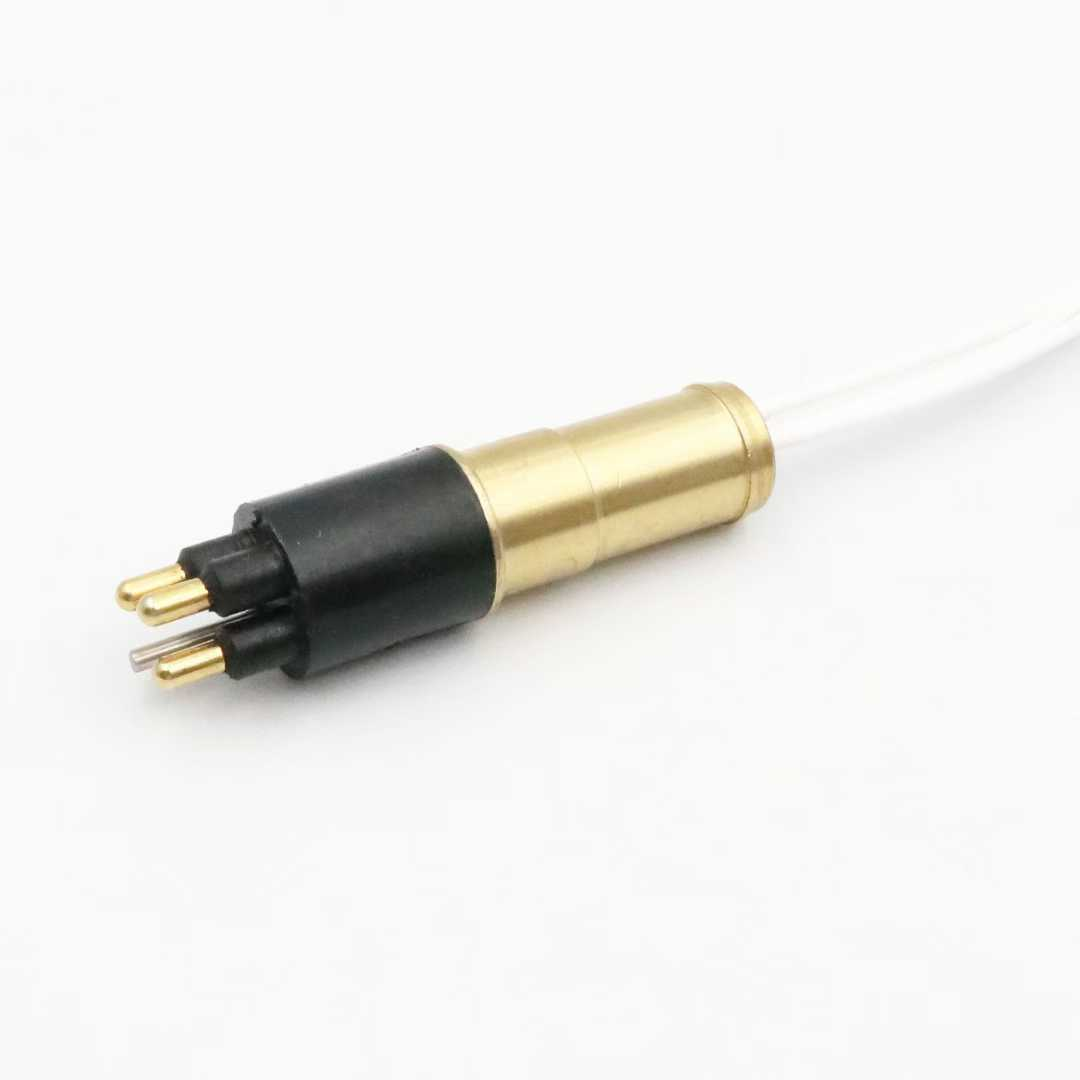
Brass Connectors
Advantages
- ✅ Most cost-effective option
- ✅ Good machinability
- ✅ Adequate for shallow water
- ✅ Good electrical conductivity
Limitations
- ❌ Limited depth rating (100m max)
- ❌ Lower corrosion resistance
- ❌ Heavier than titanium
- ❌ Not suitable for harsh environments
Best Applications
- Recreational diving equipment
- Shallow water sensors (<50m)
- Budget-conscious projects
- Freshwater applications
Stainless Steel 316L Connectors
Advantages
- ✅ Excellent corrosion resistance
- ✅ High strength and durability
- ✅ Wide depth range (up to 1,000m)
- ✅ Industry standard material
- ✅ Good balance of cost and performance
Limitations
- ❌ Heavier than titanium
- ❌ More expensive than brass
- ❌ May show surface corrosion in extreme conditions
Best Applications
- Commercial ROV/AUV systems
- Offshore oil & gas equipment
- Scientific research instruments
- Most subsea applications
Titanium Connectors
Advantages
- ✅ Exceptional strength-to-weight ratio
- ✅ Outstanding corrosion resistance
- ✅ Ultra-deep capability (3,000m+)
- ✅ Non-magnetic (important for some sensors)
- ✅ Biocompatible (marine life friendly)
Limitations
- ❌ Highest cost (2-3x stainless)
- ❌ Longer lead time
- ❌ More difficult to machine
Best Applications
- Deep sea exploration (1,000m+)
- Military and defense systems
- Highly corrosive environments
- Weight-critical applications (AUVs)
- Long-term deployments
Selection Decision Tree
- What’s your maximum depth?
– <100m → Consider brass - 100-1,000m → Stainless steel - 1,000m+ → Titanium - What’s your budget?
– Tight → Brass (if depth allows)
– Moderate → Stainless steel
– Flexible → Titanium for critical applications - What’s the environment?
– Freshwater → Any material works
– Seawater → Stainless or titanium
– Highly corrosive → Titanium - Is weight a concern?
– Yes → Titanium (45% lighter)
Cost Comparison (Example)
| Connector Type | Brass | Stainless | Titanium |
|---|---|---|---|
| 2-pin, 300m rated | $150 | $280 | $650 |
| 6-pin, 500m rated | $220 | $420 | $980 |
| 12-pin, 1000m rated | N/A | $680 | $1,450 |
Contact Us
Material selection help: [email protected]