Quick Answer
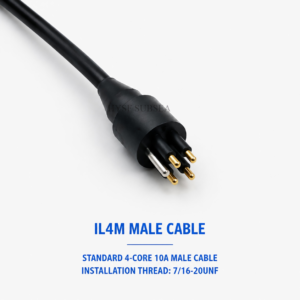
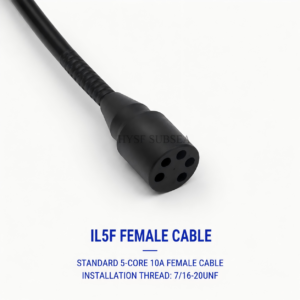
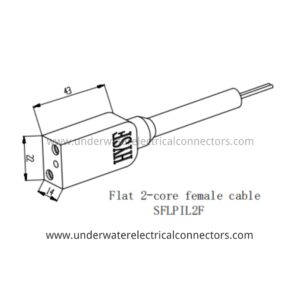
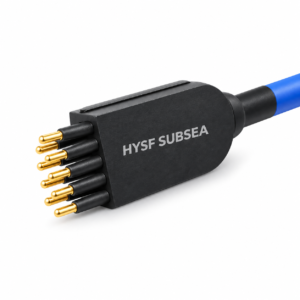
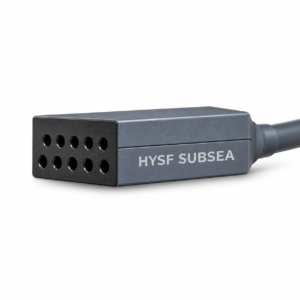
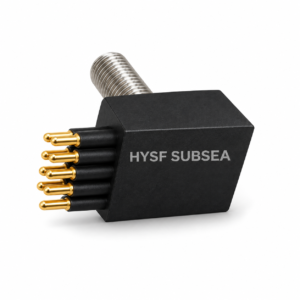
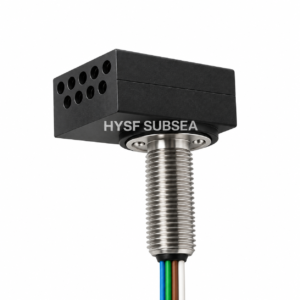
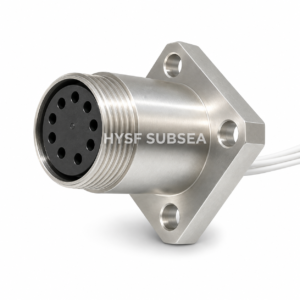
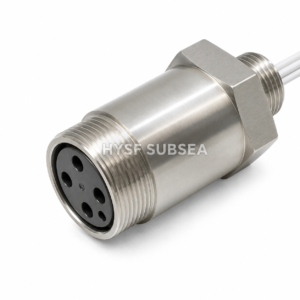
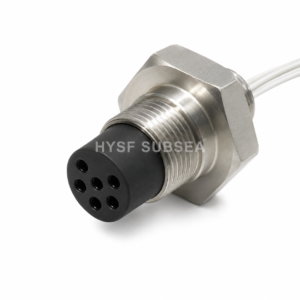
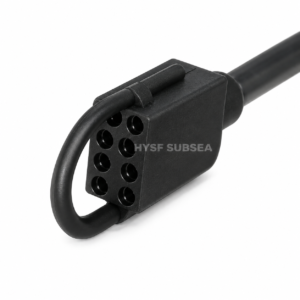
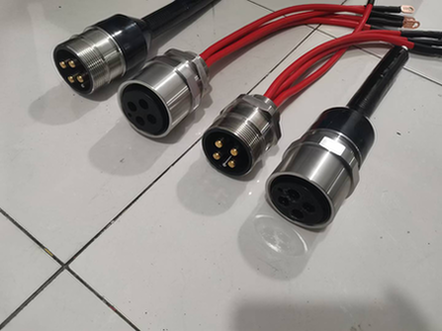
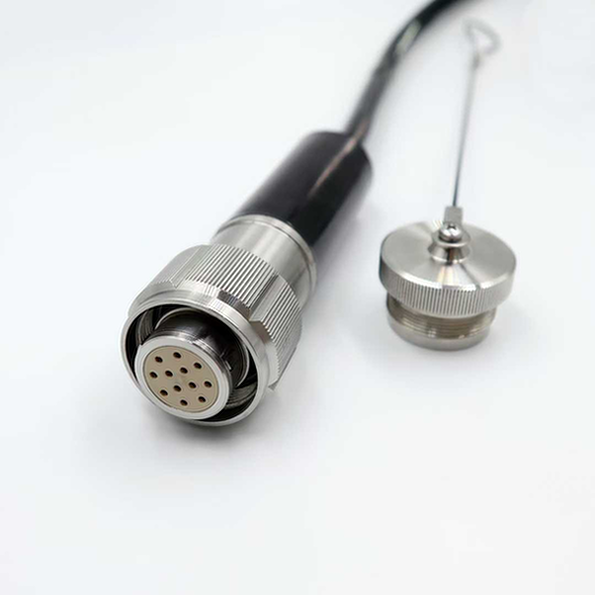
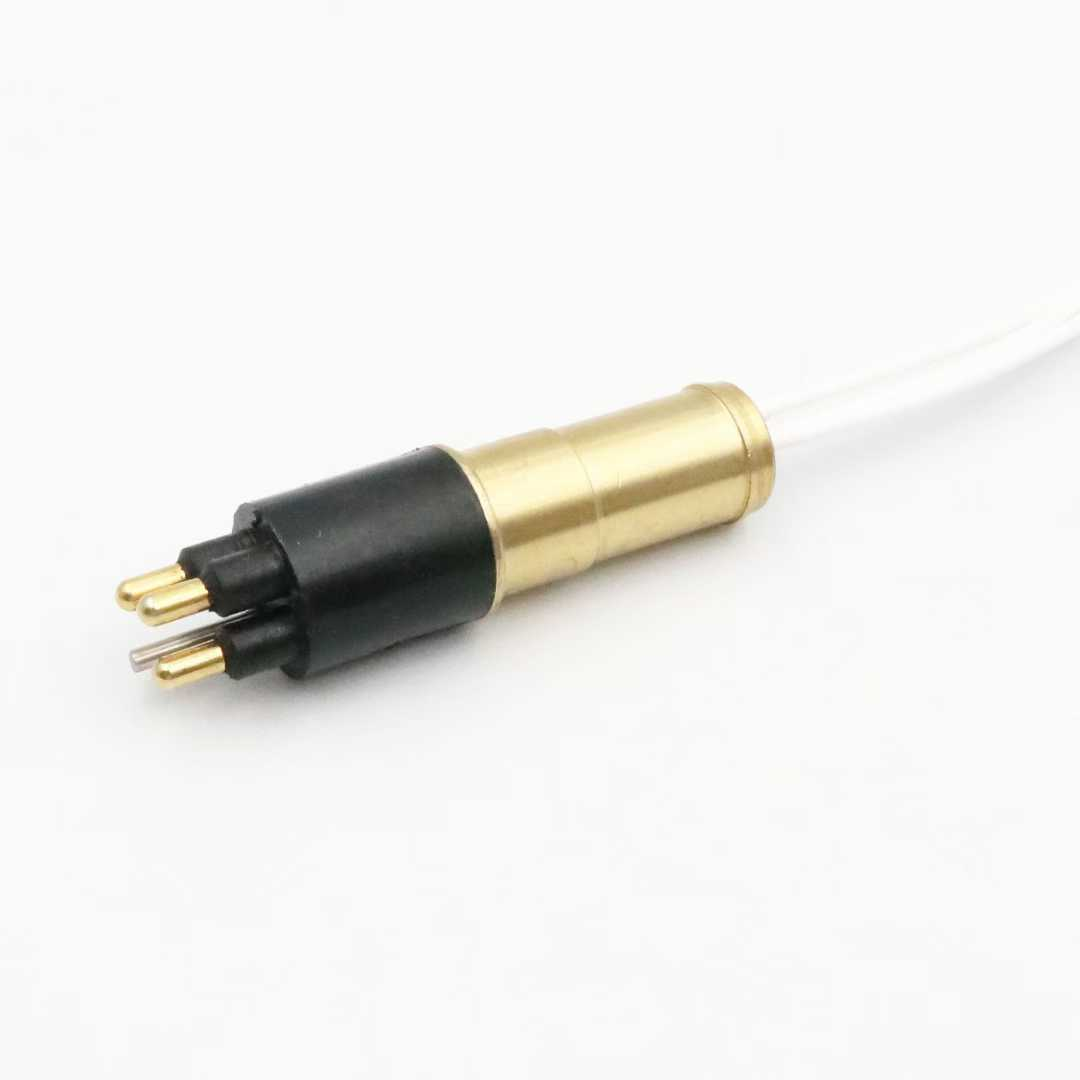
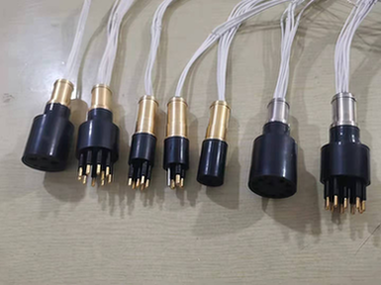
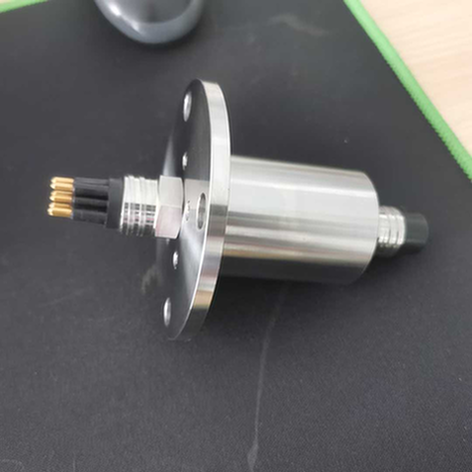
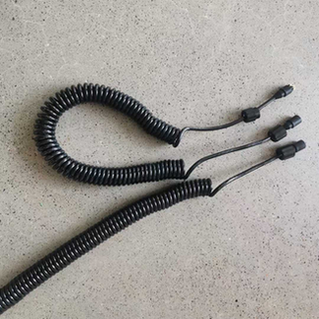
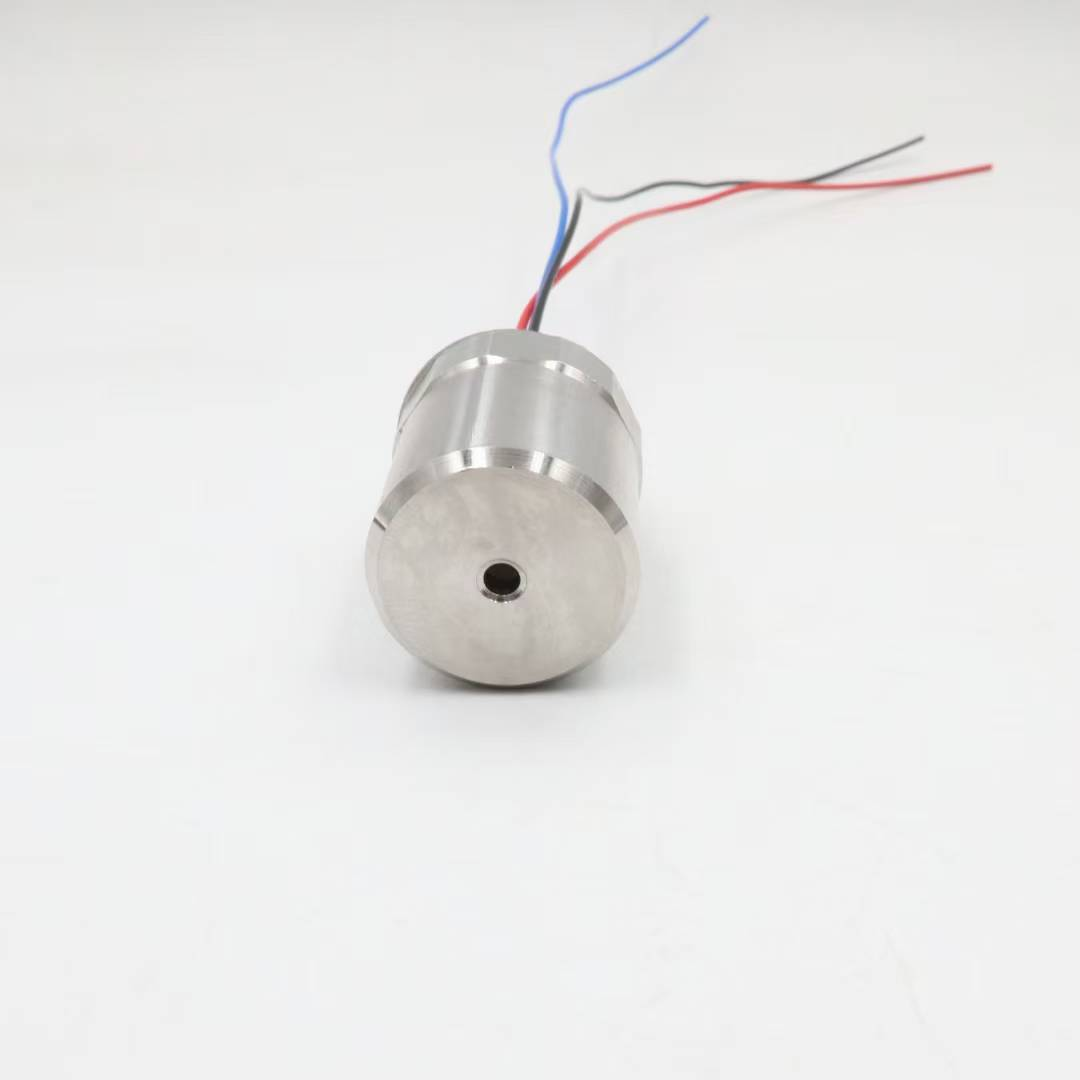
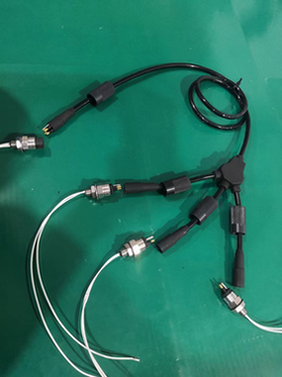
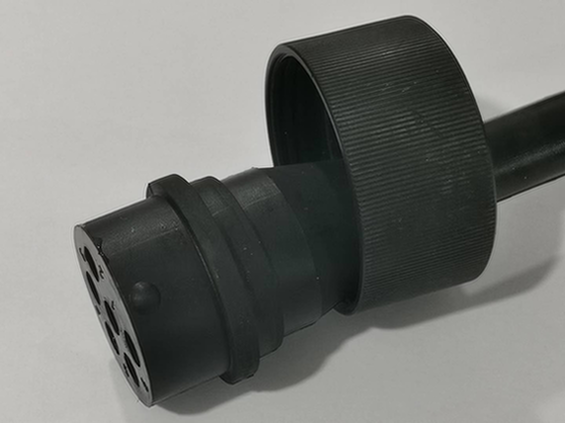
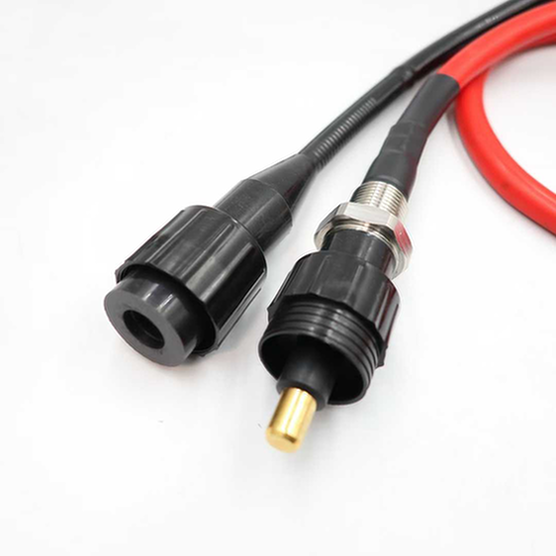
Single-ended connectors have one plug (other end is cable termination). Double-ended have plugs on both ends. Choose single-ended for permanent installations, double-ended for frequently disconnected applications. We can advise based on your use case.
Single-Ended Connectors
Configuration
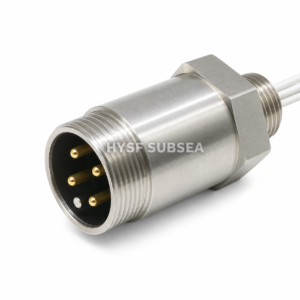
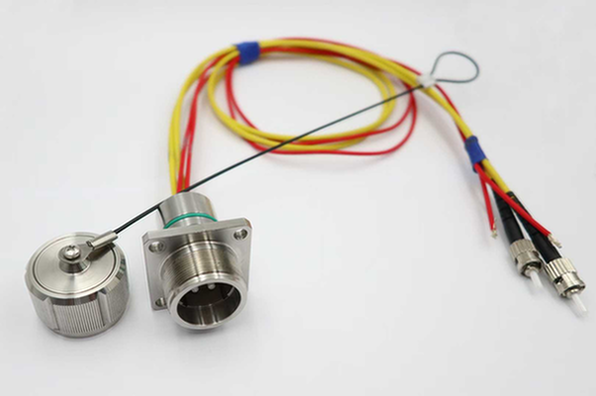
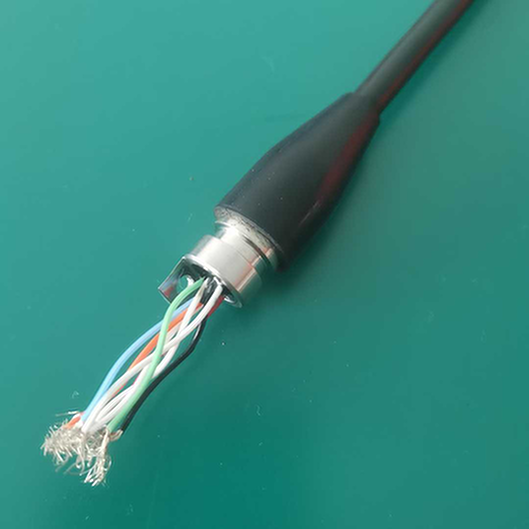
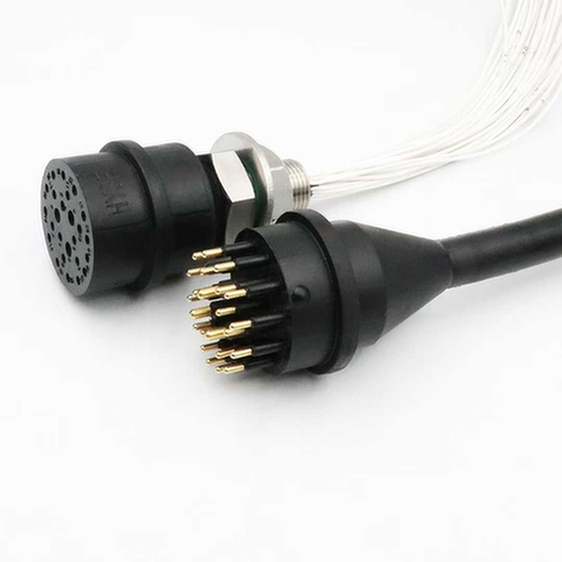
- One end: Plug connector (mated with equipment)
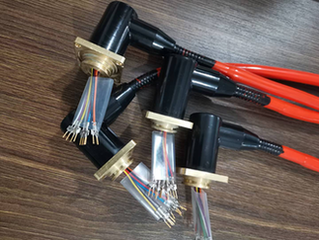
- Other end: Unterminated cable (for custom termination)
Best For
- ✅ Permanent or semi-permanent installations
- ✅ Custom cable lengths needed
- ✅ Direct termination to PCB or terminal block
- ✅ Cost-sensitive applications
Common Applications
- ROV tether connections
- Fixed sensor installations
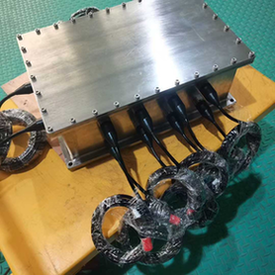
- Subsea control modules
Double-Ended Connectors
Configuration
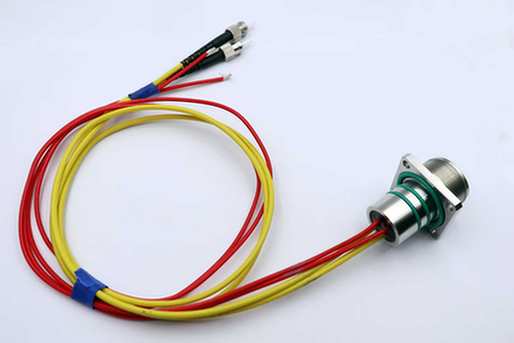
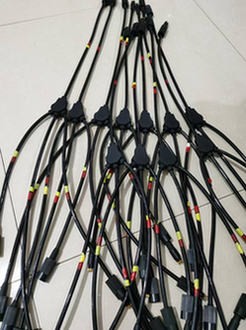
- Both ends: Plug connectors
- Pre-terminated cable assembly
Best For
- ✅ Frequently disconnected applications
- ✅ Field-replaceable cable assemblies
- ✅ Quick swap operations
- ✅ Rental equipment
Common Applications
- Test equipment connections
- Temporary installations
- Multi-vendor equipment interfaces
Decision Guide
| Question | If Yes, Choose |
|---|---|
| Will you disconnect frequently? | Double-ended |
| Need custom cable length? | Single-ended |
| Terminating to PCB? | Single-ended |
| Budget is primary concern? | Single-ended (lower cost) |
| Need field replaceability? | Double-ended |
Contact Us
Not sure? We can help: [email protected]