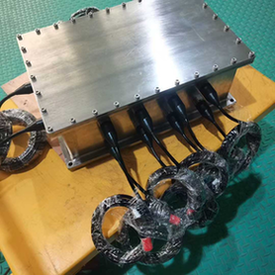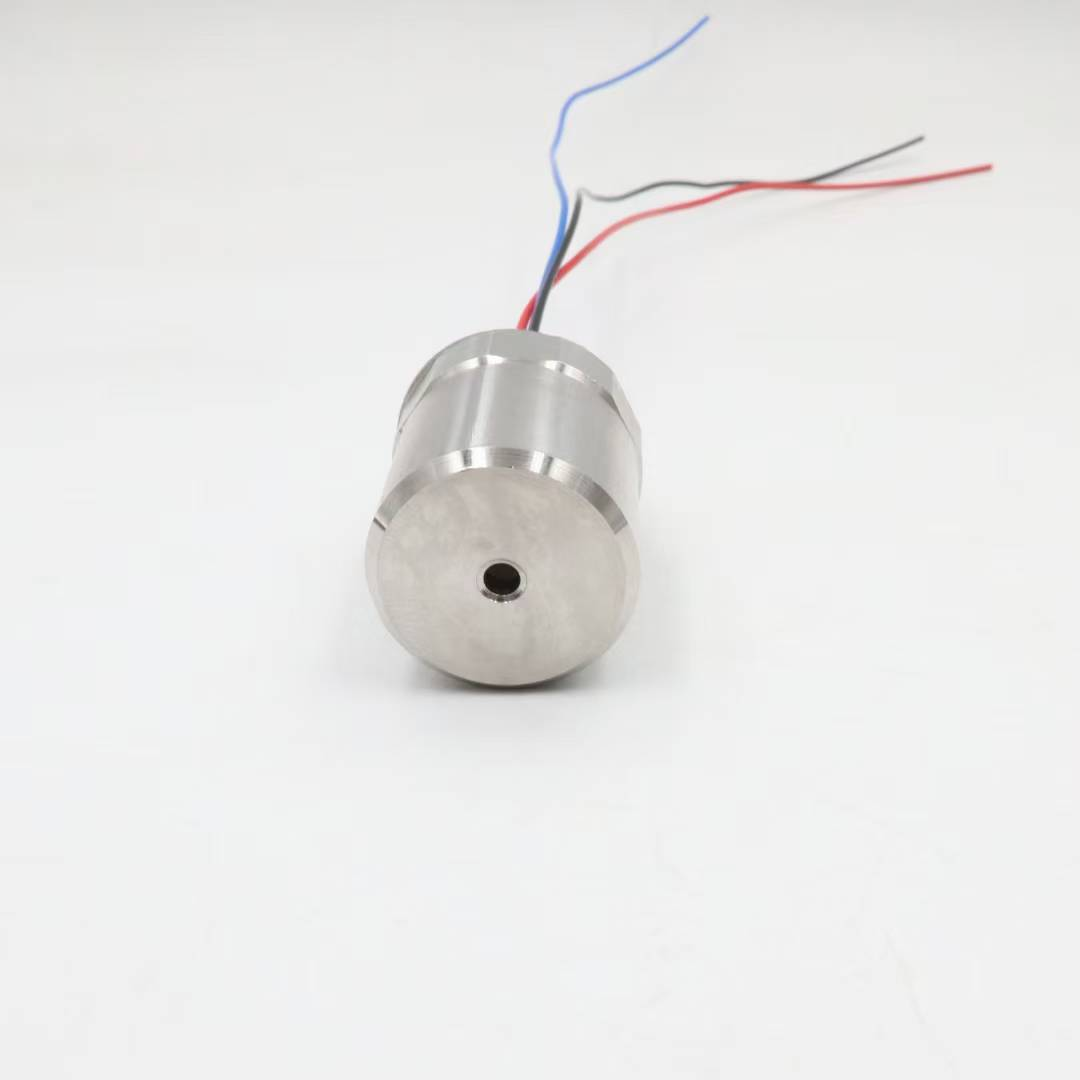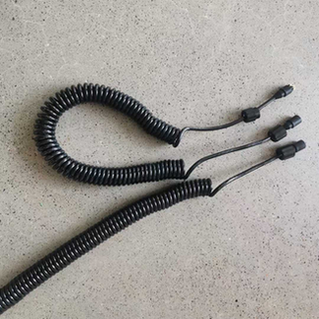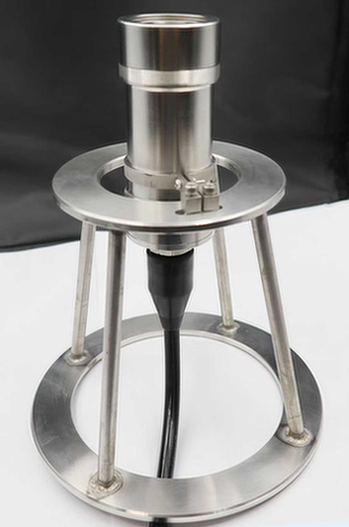

As ROVs, seabed observatories and offshore monitoring systems collect more data, copper cables are reaching their limits. HD and 4K video, multibeam sonar and dense sensor networks all need more bandwidth over longer distances than copper can comfortably carry.
That’s where fiber optics come in, and where an underwater fiber optic connector becomes a key part of the system. This guide explains how these connectors work, the difference between single-mode and multi-mode fiber, when hybrid connectors make sense, and what to check before choosing one.
Why Use Fiber Underwater?
Fiber optic links carry data as light instead of electrical signals. That brings three major advantages for subsea systems:
- High bandwidth: enough for multiple HD video streams and high-resolution sonar at once
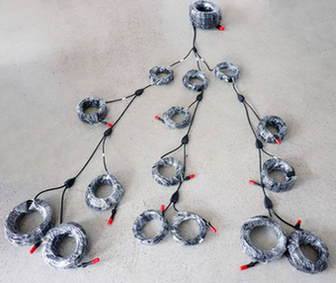
- Long distance: signals travel kilometers with little loss, ideal for long ROV tethers and seabed cables
- No electrical interference: light isn’t affected by nearby thrusters, motors or power lines
The trade-off is that fiber is less forgiving at the connection. Dirt, misalignment or a poor seal at the connector can cause significant signal loss.
Single-Mode vs Multi-Mode Fiber
| Factor | Single-mode (SM) | Multi-mode (MM) |
|---|---|---|
| Core size | Very small, around 9 µm | Larger, typically 50 or 62.5 µm |
| Distance | Long distance, many kilometers | Shorter runs, typically up to a few hundred meters at high speed |
| Typical use | ROV tethers, seabed cables, long links | Short links inside vehicles or between nearby instruments |
| Alignment sensitivity | Very high | Lower |
You can read more about single-mode optical fiber and multi-mode optical fiber for the technical background. The key point for subsea design is to match the connector to the fiber type already used in your system. Mixing SM and MM causes high losses.
What Makes an Underwater Fiber Optic Connector Different?
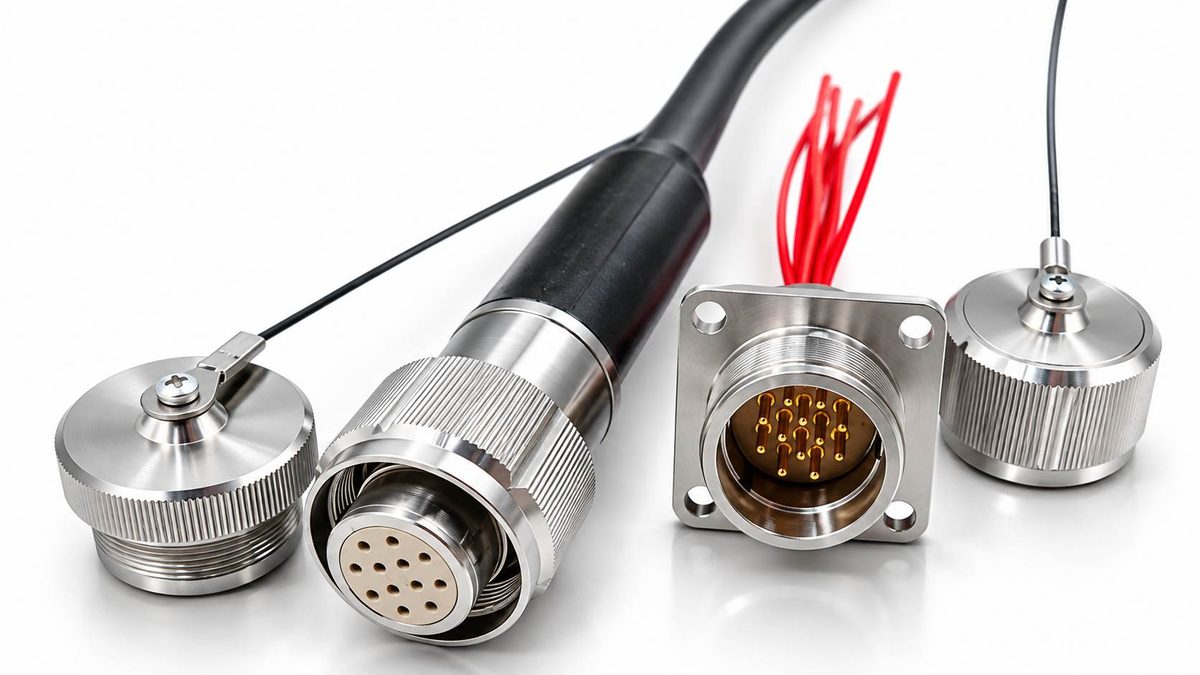
A standard fiber connector only has to align two fiber ends precisely. An underwater fiber optic connector has to do that while also:
- Keeping seawater and contamination away from the fiber end faces
- Withstanding high hydrostatic pressure
- Surviving vibration, shock and repeated mating
- Resisting corrosion over long deployments
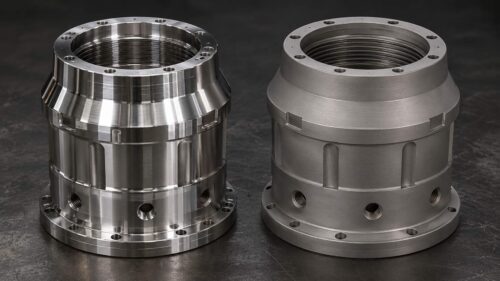
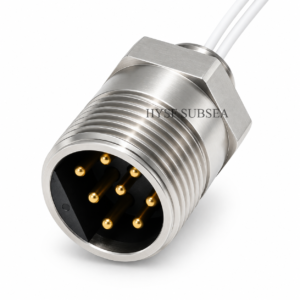
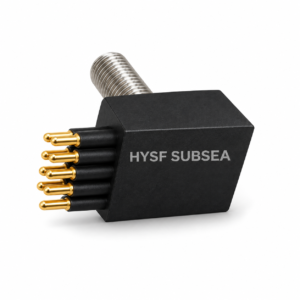
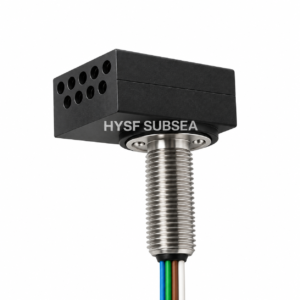
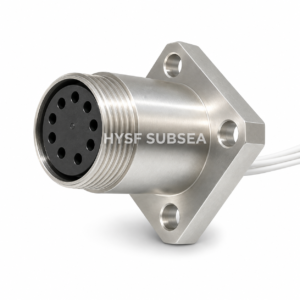
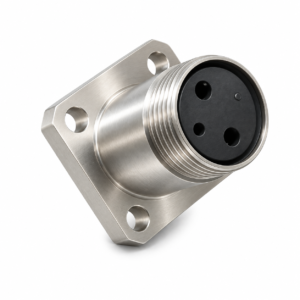
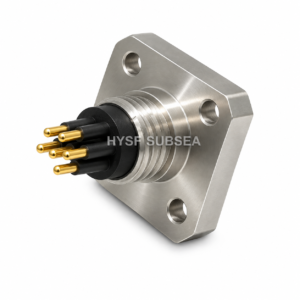
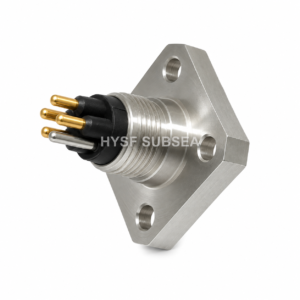
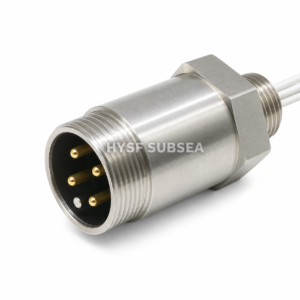
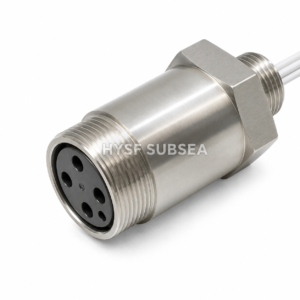
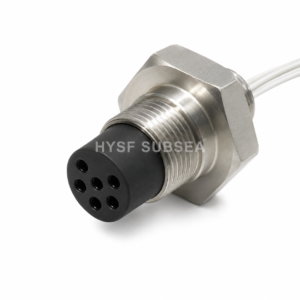
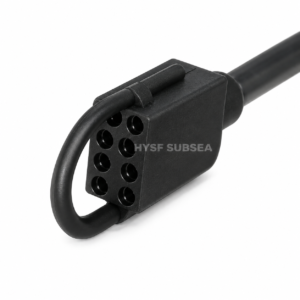
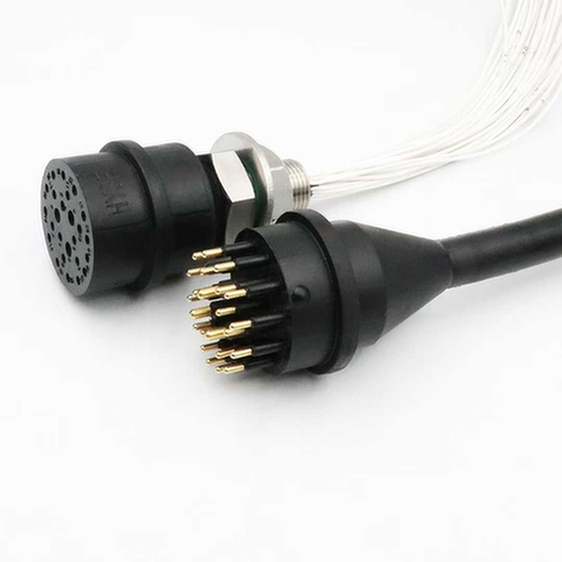
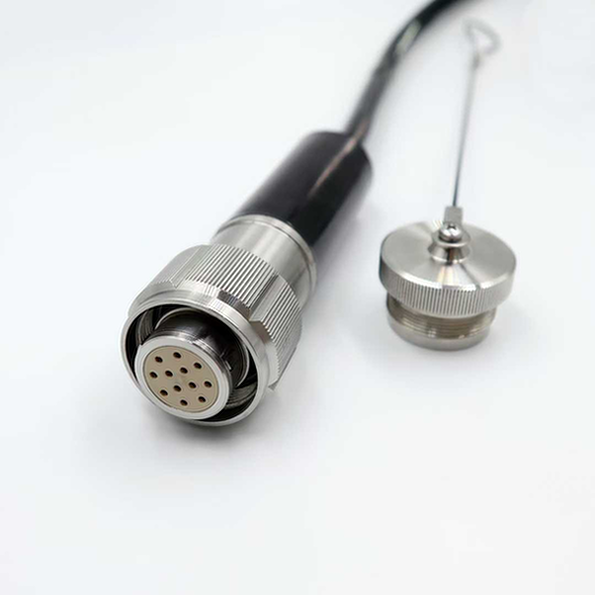
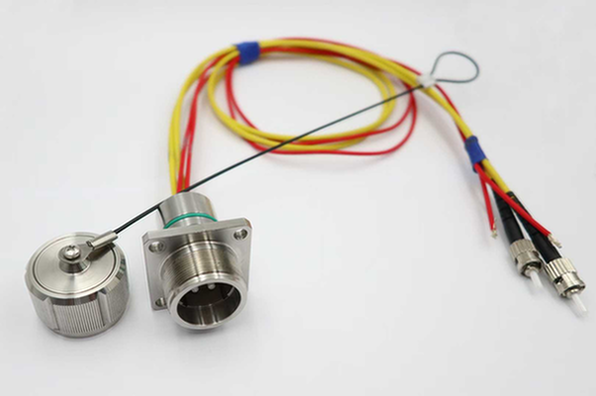
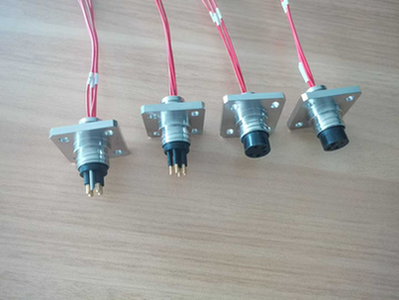
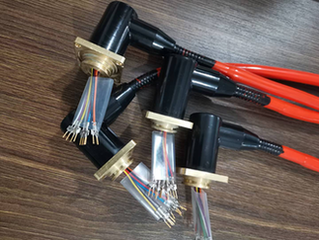
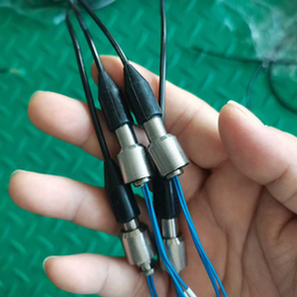
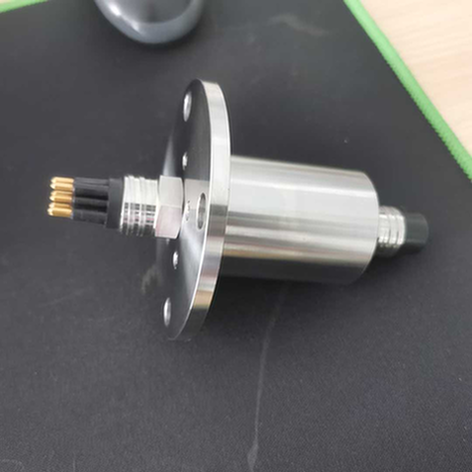
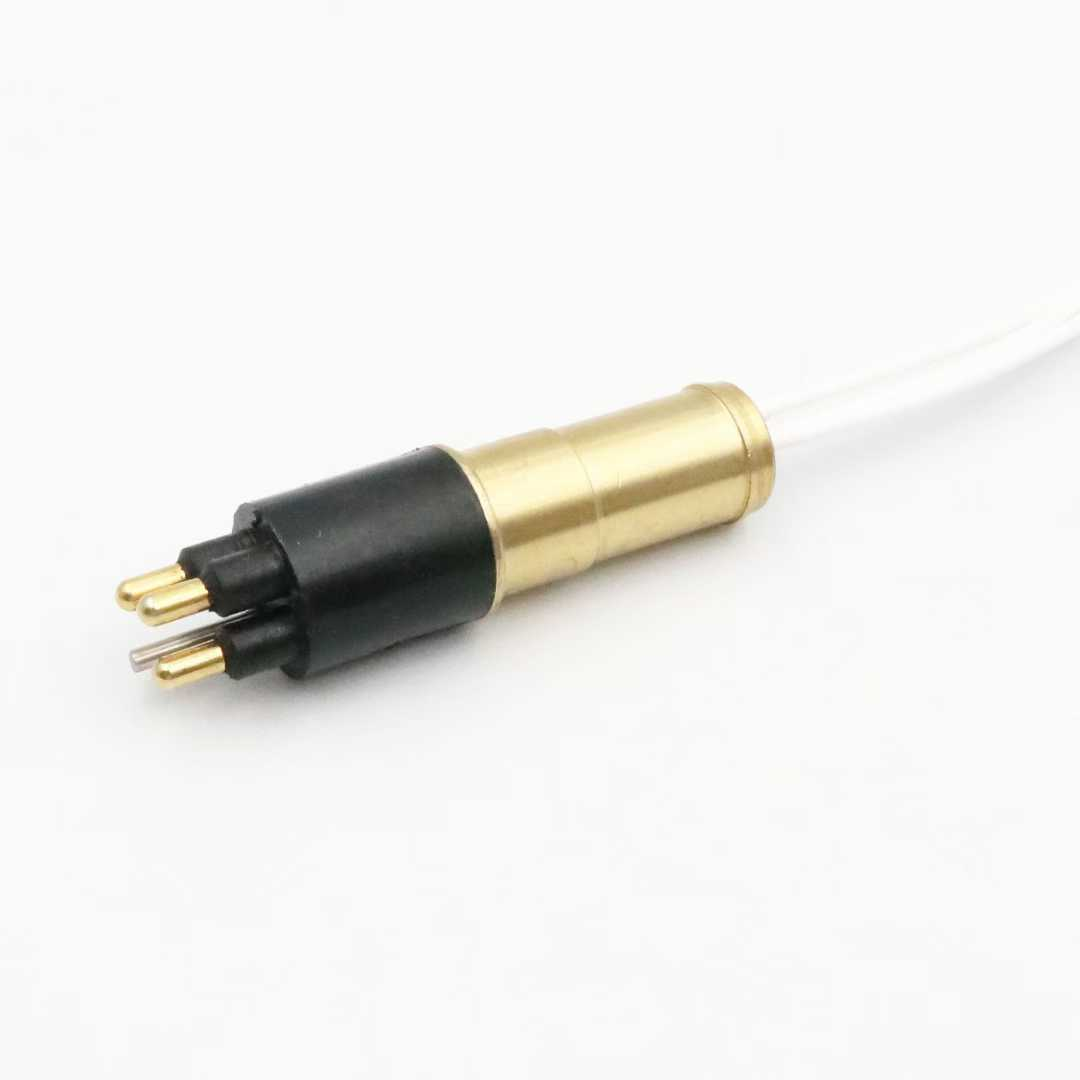
Because of this, many subsea fiber connectors use precision-machined metal housings with multiple seals. HYSF’s SF21M series, for example, offers 1, 2, 3, 4, 6 or 8 fibers in single-mode or multi-mode, in a metal housing built for deep-sea pressure.
Hybrid Connectors: Fiber and Power Together
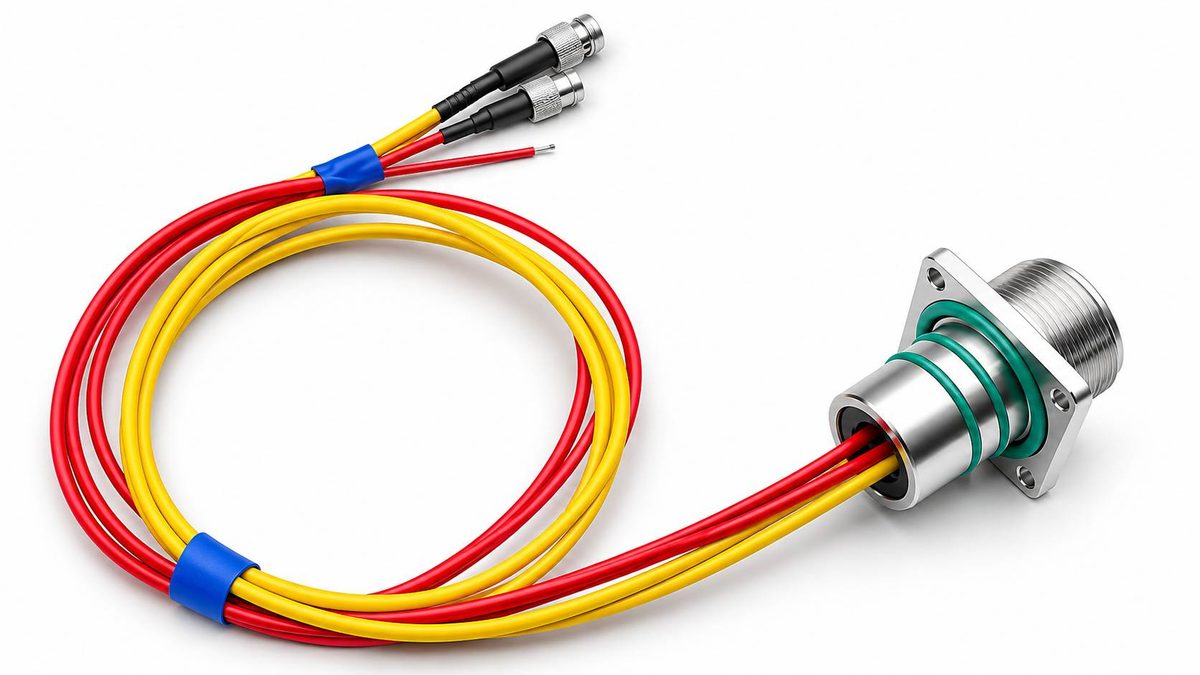
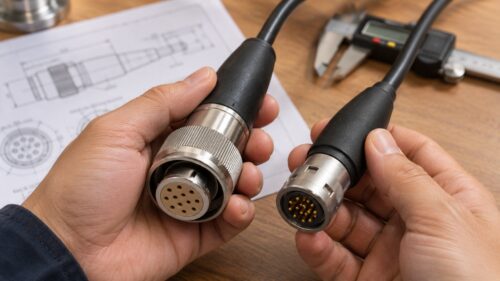
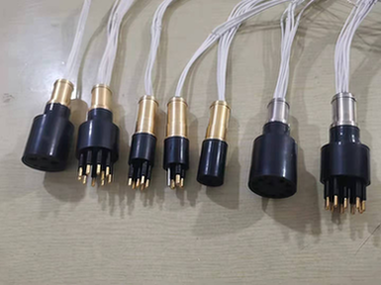
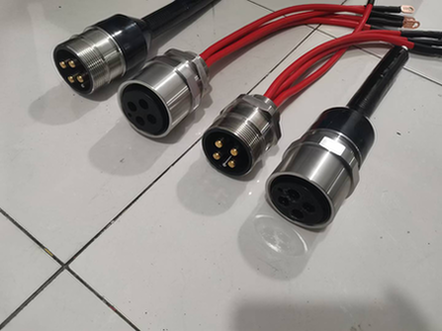
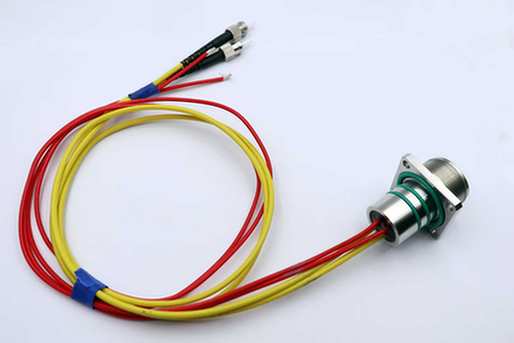
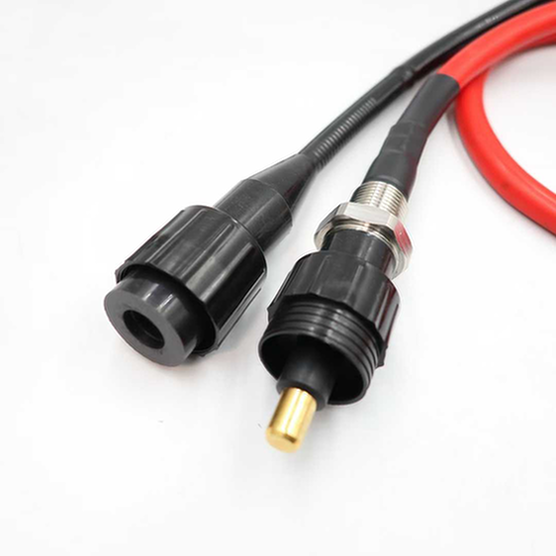
Many subsea devices need both power and high-speed data. Instead of using two separate connectors, a hybrid electro-optical connector combines fiber channels and electrical contacts in one interface.
HYSF’s SF40M hybrid series is available in configurations such as:
- 2 fiber + 2 electrical
- 2 fiber + 4 electrical
- 2 fiber + 6 electrical
- 4 fiber + 2 electrical
- 4 fiber + 4 electrical
Fewer connectors mean fewer penetrations in a pressure housing, less weight and fewer potential leak paths.
What to Check When Choosing One
- Fiber type and count. Match SM or MM to your system, and plan spare channels for future upgrades.
- Insertion loss. Ask for typical insertion loss per mated pair. Every connector in the link adds loss.
- Depth rating. Pressure rises by about one atmosphere every 10 metres. Ask for hydrostatic test data at your mission depth.
- Mating type. Most metal fiber connectors are mated in dry conditions before deployment. If you need to connect underwater, confirm the design is rated for it. Our wet mate vs dry mate guide explains the difference.
- Housing material. Stainless steel or titanium for long deployments and high-salinity environments.
- Cleaning and handling. Fiber end faces must be clean before every mating. Plan for caps, cleaning tools and trained handling.
Common Applications
- ROV and AUV tethers: long-distance HD video and control. See our ROV connectors guide.
- Seabed observatories: continuous data from hydrophones, seismic and environmental sensors
- Offshore oil, gas and wind: monitoring and control networks
- Defense and naval systems: secure, interference-free communication
For shorter copper links, a subsea Ethernet connector is often the simpler choice.
Frequently Asked Questions
What is an underwater fiber optic connector?
It’s a watertight connector that joins fiber optic cables underwater, keeping fiber ends precisely aligned and sealed against seawater and pressure.
Should I use single-mode or multi-mode fiber subsea?
Single-mode suits long distances such as ROV tethers and seabed cables. Multi-mode suits shorter links inside a vehicle or between nearby instruments. Match the connector to the fiber already in your system.
What is a hybrid electro-optical connector?
A hybrid connector combines fiber channels and electrical contacts in one interface, so a device can receive power and send high-speed data through a single connector.
Can underwater fiber optic connectors be mated underwater?
Some specialist designs can, but many metal fiber connectors are designed to be mated in dry conditions before deployment. Always check the manufacturer’s rating.
How many fibers can one connector carry?
It depends on the series. HYSF’s SF21M series supports up to 8 fibers, and hybrid versions combine up to 4 fibers with electrical contacts.
Final Thoughts
An underwater fiber optic connector unlocks the bandwidth and distance modern subsea systems need. Choose the right fiber type, consider hybrid designs to save space, and check insertion loss, depth rating and handling requirements from the start.
To discuss fiber or hybrid connectors for your project, contact the HYSF engineering team or download the 2026 catalog.