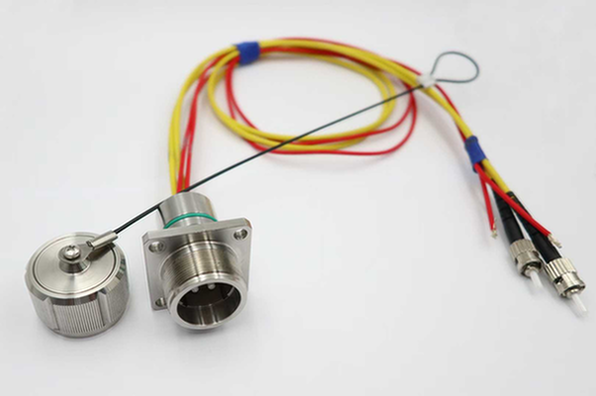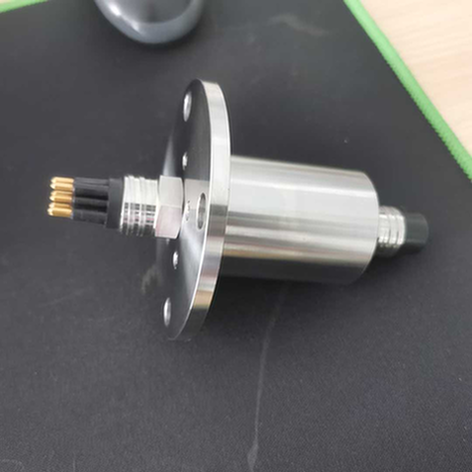
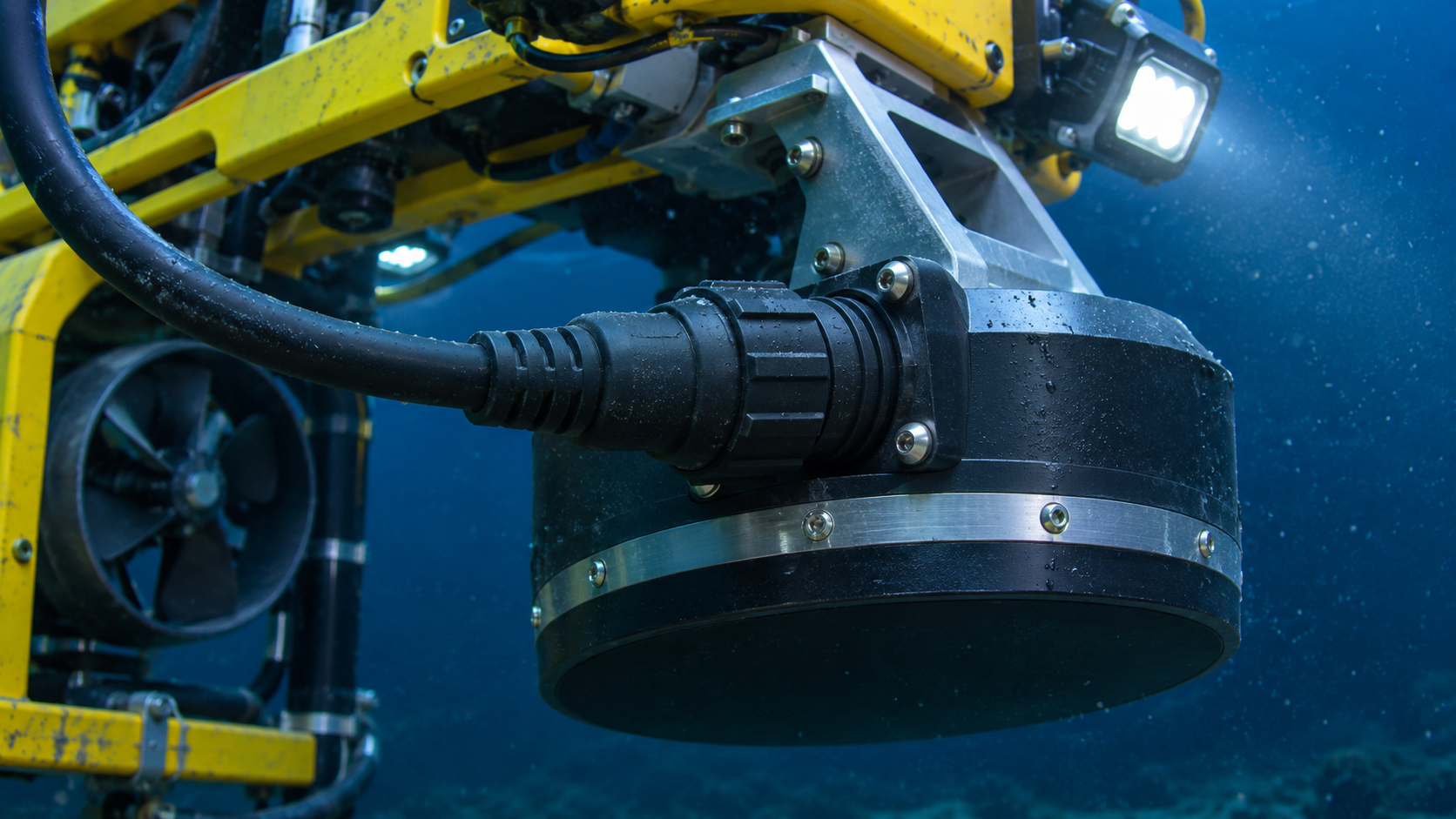
Ethernet and fiber get a lot of attention in modern subsea systems, but coaxial connections are still everywhere underwater. Sonar heads, analog cameras, radio antennas, GPS units on buoys and many test systems all rely on coaxial cables to carry high-frequency signals cleanly.
An underwater coaxial connector has to do two things at once: keep seawater out under pressure, and preserve the electrical characteristics of the coax so the signal doesn’t degrade. This guide explains the key choices, starting with the most common question: 50 ohm or 75 ohm?
What Is an Underwater Coaxial Connector?
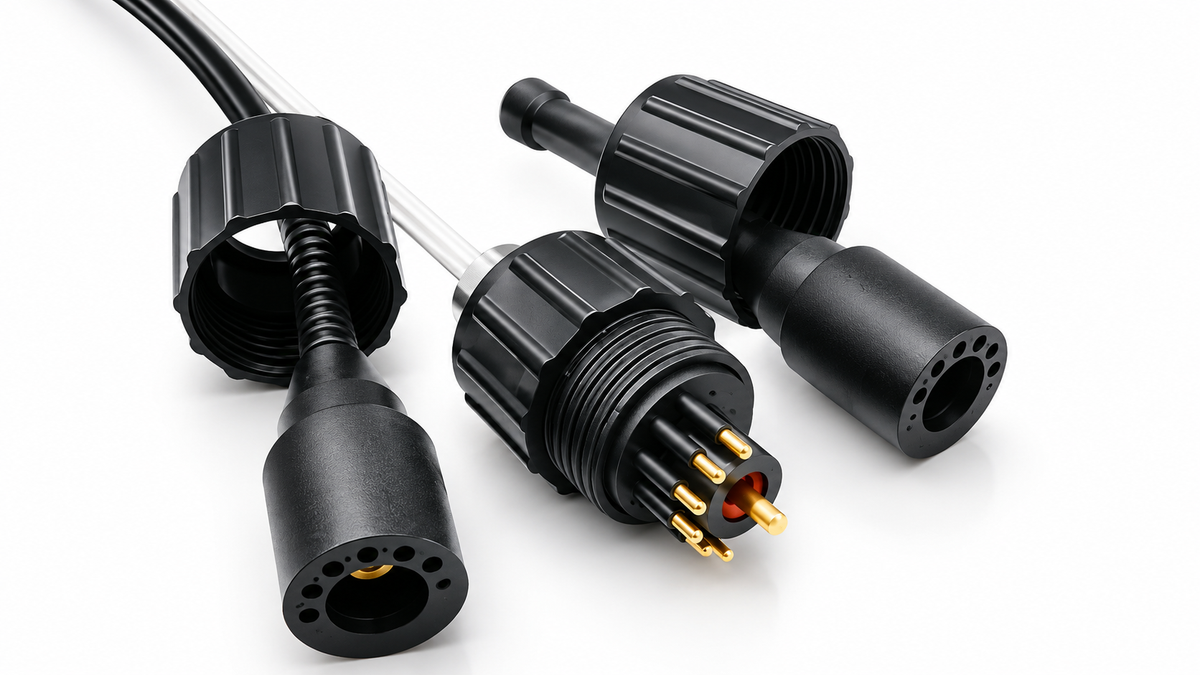
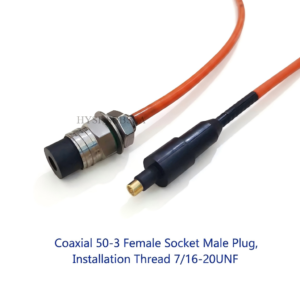
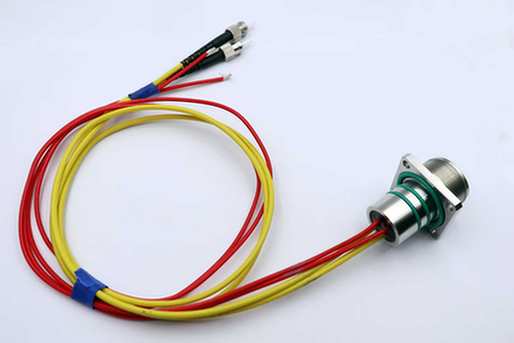
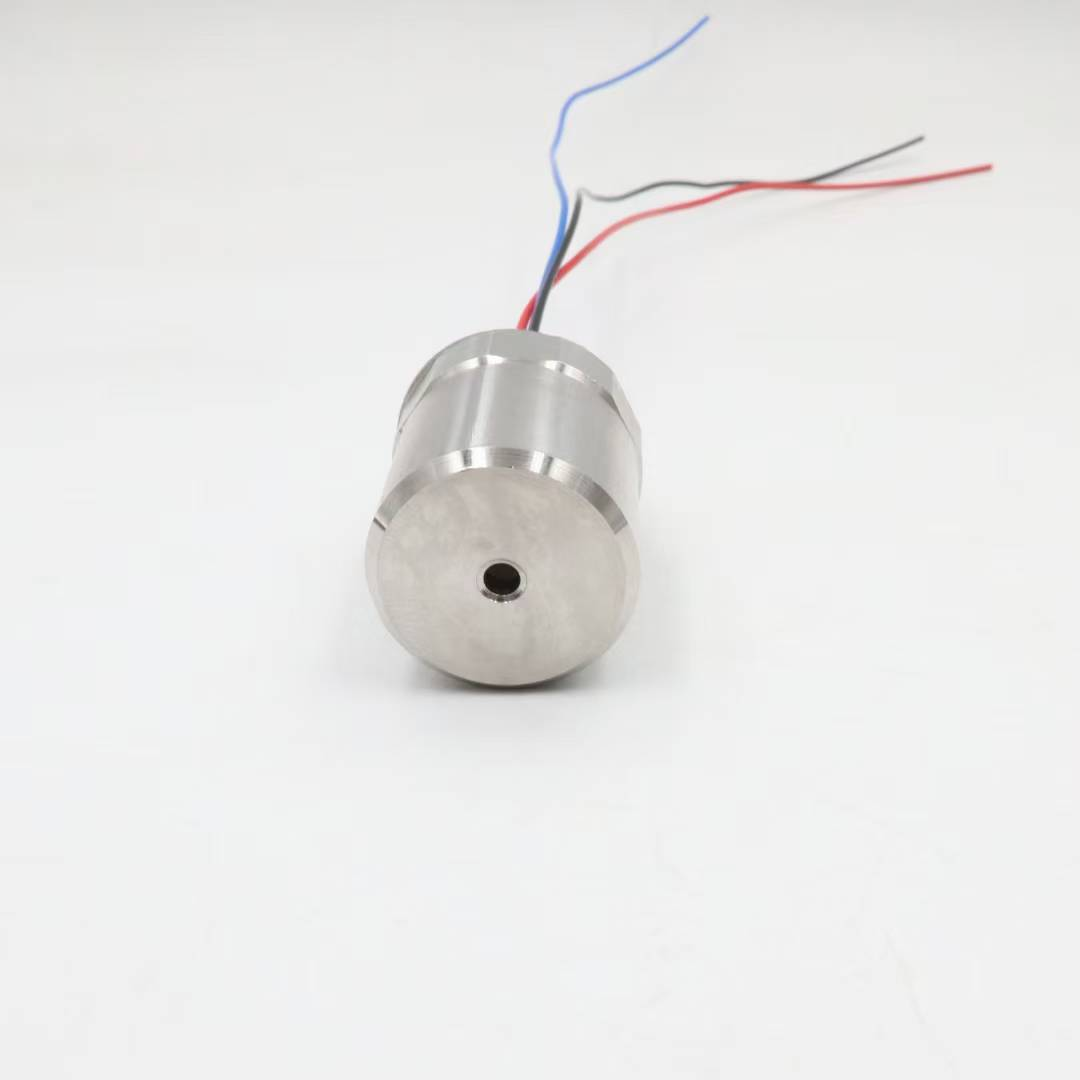
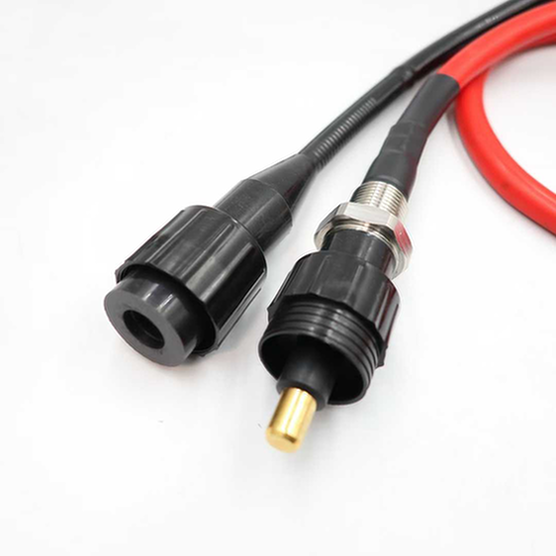
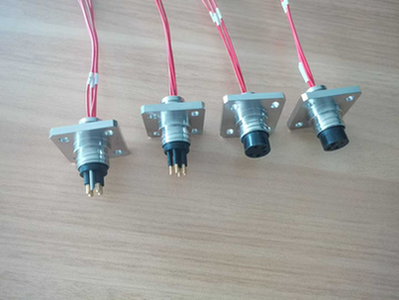
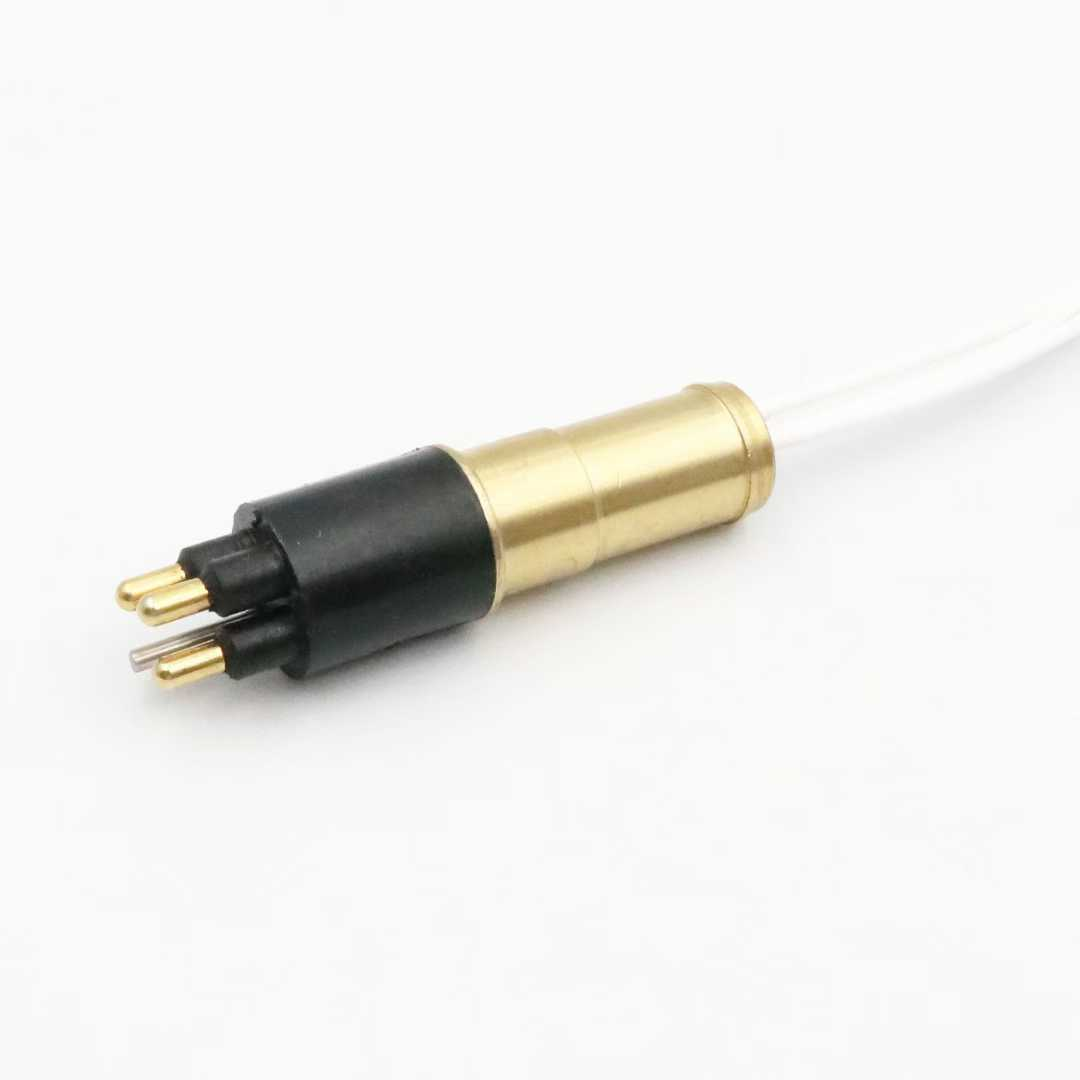
An underwater coaxial connector is a watertight connector designed for coaxial cable. Instead of several separate contacts, it carries a center conductor surrounded by a shield, keeping the geometry of the cable consistent through the connection.
That consistency matters. Any sudden change in geometry or impedance at the connector causes signal reflections, which show up as loss, noise or poor image quality.
50 Ohm vs 75 Ohm: What’s the Difference?
Coaxial systems are designed around a characteristic impedance. The two most common values are 50 ohm and 75 ohm, and they are not interchangeable.
| Factor | 50 ohm | 75 ohm |
| Main strength | Handles power and RF signals efficiently | Lower signal loss for video and receive-only signals |
| Typical uses | Sonar, radio and RF links, antennas, GPS, test equipment | Analog and HD-over-coax video cameras |
| Example cable | 50-3, 50-5 | 75-3 |
The golden rule: match the connector to your system’s impedance. Mixing 50 ohm and 75 ohm parts creates an impedance mismatch, which increases reflections and the standing wave ratio (VSWR), reducing signal quality.
Choosing by Application
Sonar and acoustic systems. Many sonar transducers and transceivers use 50 ohm coax. Clean signal transfer is essential for accurate imaging and ranging.
Underwater video cameras. Analog and HD-over-coax cameras typically use 75 ohm cable. If your camera is IP-based instead, a subsea Ethernet connector is the better fit.
Radio, GPS and antennas. Buoys, surface units and AUVs at the surface often use 50 ohm RF connections for radio, satellite and GPS links.
Test and measurement. Laboratory and calibration setups generally run at 50 ohm.
Cable Size and Connector Format
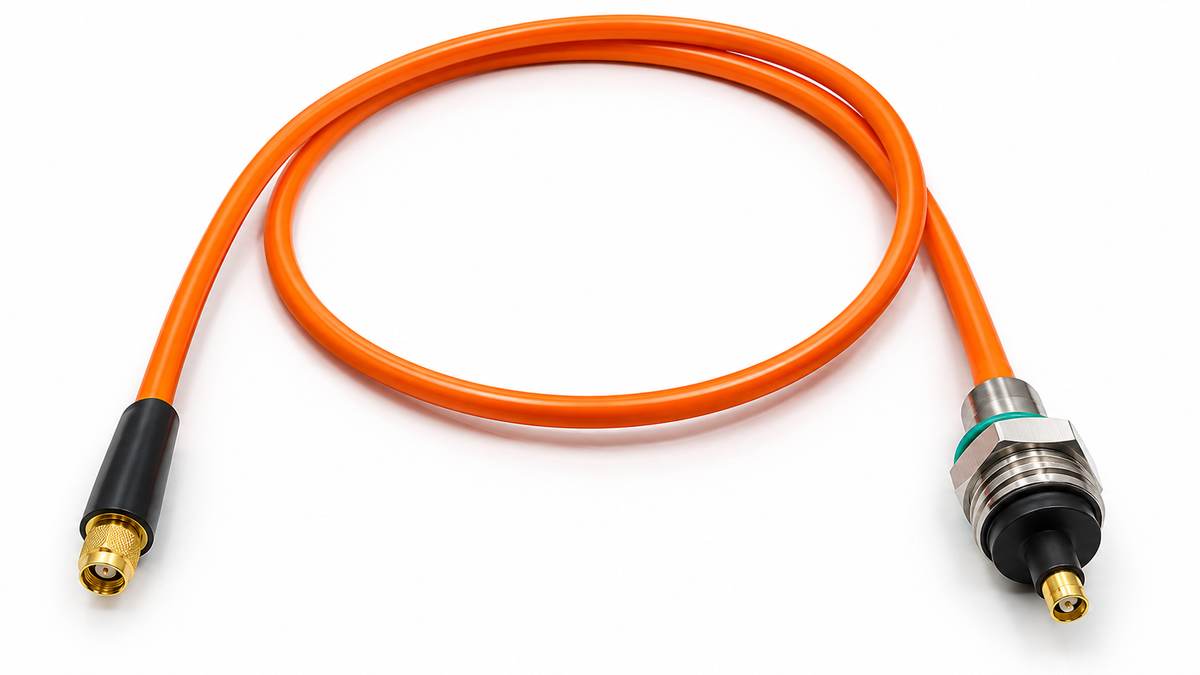
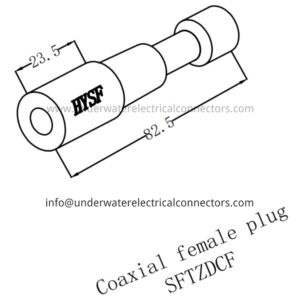
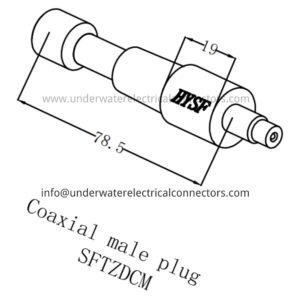
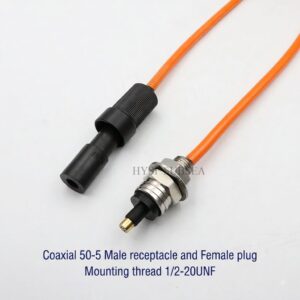
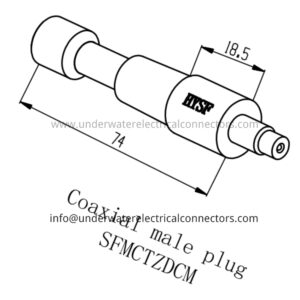
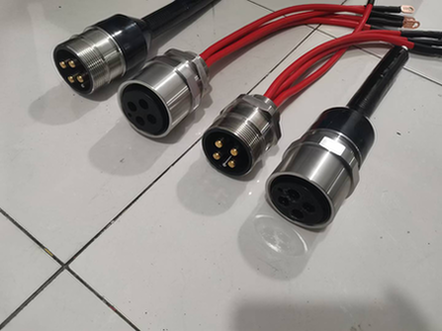
HYSF’s coaxial range includes:
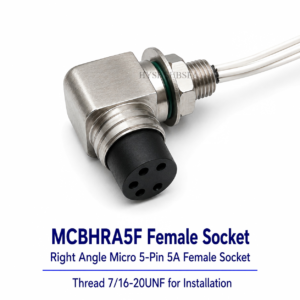
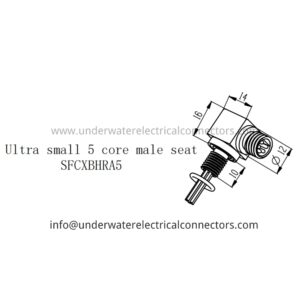
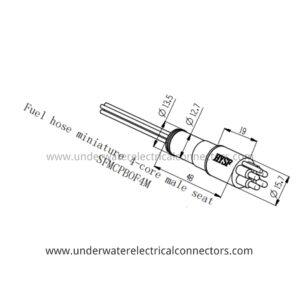
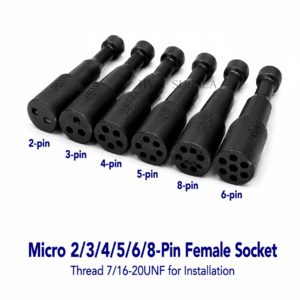
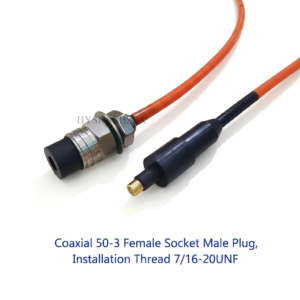
- Micro coaxial connectors for 50-3 and 75-3 cables, with a 7/16-20UNF mounting thread
- Coaxial 50-5 connectors for thicker, lower-loss cable, with a 1/2-20UNF thread
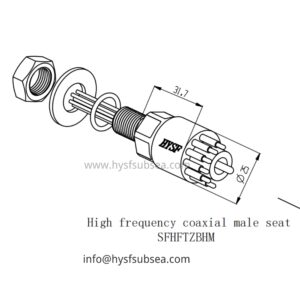
- High-frequency coaxial connectors for demanding RF applications, with a 1/2-20UNF thread
Thicker cables generally have lower loss over distance, while micro sizes save space on compact vehicles and instruments. See the full coaxial series for details.
Hybrid Coaxial and Power Layouts
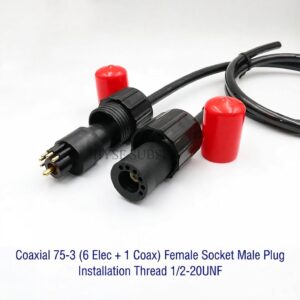
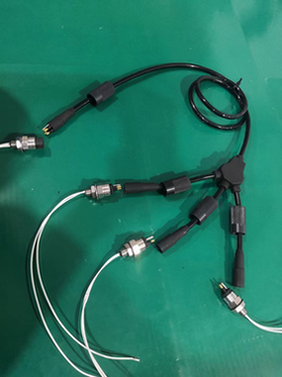
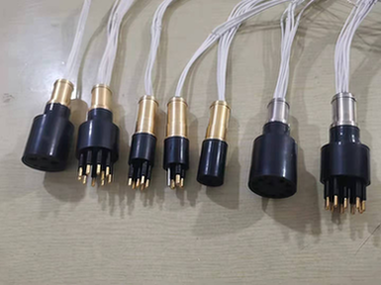
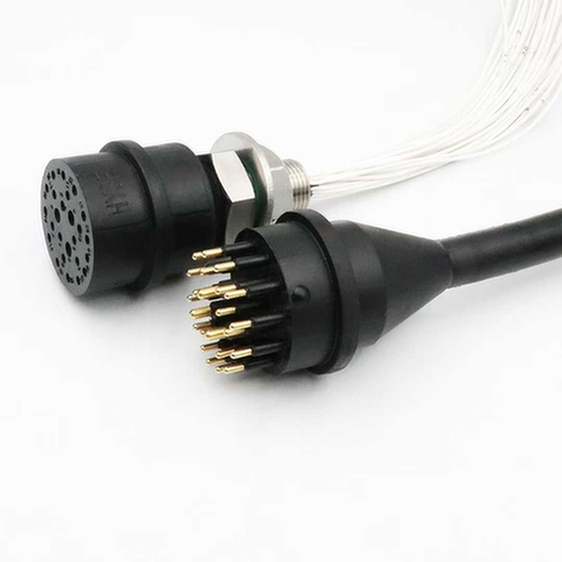
Many devices need power as well as a coaxial signal. Instead of using two connectors, hybrid layouts combine power contacts and a coaxial channel in one connector. HYSF offers layouts such as 6 power contacts plus 1 coaxial channel, which reduces the number of penetrations in a housing.
What to Check Before You Buy
- Impedance. Match 50 ohm or 75 ohm to your system.
- Cable type. Confirm the connector fits your cable (for example 50-3, 50-5 or 75-3).
- Frequency range. Check that the connector supports your operating frequency with acceptable loss.
- Depth rating. Pressure rises by about one atmosphere every 10 metres. HYSF’s coaxial series is engineered for pressures up to 50 MPa.
- Mating type. Wet-mate for field-swappable devices, dry-mate inside housings. See our wet mate vs dry mate guide.
- Compatibility. If you’re replacing existing parts, check the interface with the HYSF Cross Reference Tool.
Frequently Asked Questions
What is an underwater coaxial connector used for?
It connects coaxial cables underwater for sonar, video, radio, GPS and other high-frequency signals, while keeping seawater out under pressure.
Should I use 50 ohm or 75 ohm underwater?
Use 50 ohm for sonar, RF, radio and test systems, and 75 ohm for analog or HD-over-coax video. Always match the connector to your system’s impedance.
Can I mix 50 ohm and 75 ohm connectors?
It’s not recommended. Mixing impedances causes reflections and signal loss.
Can one connector carry power and a coaxial signal?
Yes. Hybrid layouts, such as 6 power plus 1 coaxial, carry both through a single connector.
How deep can underwater coaxial connectors go?
It depends on the design. HYSF’s coaxial series is built for pressures up to 50 MPa.
Final Thoughts
The right underwater coaxial connector keeps sonar images sharp, video clear and RF links strong. Match the impedance, choose the right cable size and confirm depth and mating requirements, and your coaxial links will be one less thing to worry about at sea.
To find the right coaxial connector for your system, contact the HYSF engineering team or download the 2026 catalog.