Quick Answer
Post-saltwater cleaning: 1) Rinse immediately with fresh water. 2) Soak 15 min in fresh water. 3) Clean with mild soap solution. 4) Rinse thoroughly. 5) Dry completely with lint-free cloth. 6) Inspect O-rings and contacts. 7) Apply silicone grease to O-rings. 8) Install protective caps. Never skip freshwater rinse – salt crystals cause corrosion.
Immediate Post-Dive Procedure
Within 30 Minutes of Recovery
- Rinse immediately: Spray or submerge in fresh water
- Focus on: Mating surfaces, threads, O-ring grooves
- Duration: 2-3 minutes thorough rinse
- Water type: Clean, potable fresh water
- Temperature: Lukewarm (not hot, not cold)
Why Immediate Rinse Matters
- Prevents salt crystal formation
- Stops corrosion before it starts
- Removes sand and debris
- Makes deep cleaning easier
- Extends connector lifespan
Deep Cleaning Procedure
Step-by-Step Guide
- Initial rinse: Remove loose salt and debris
- Prepare cleaning solution: Mild dish soap + fresh water
- Soak: Submerge connectors for 15-20 minutes
- Scrub gently: Use soft brush on external surfaces
- Clean mating surfaces: Lint-free cloth with solution
- Rinse thoroughly: Remove all soap residue
- Dry: Lint-free cloth + compressed air
- Inspect: Check for damage, corrosion, wear
- Lubricate: Apply silicone grease to O-rings
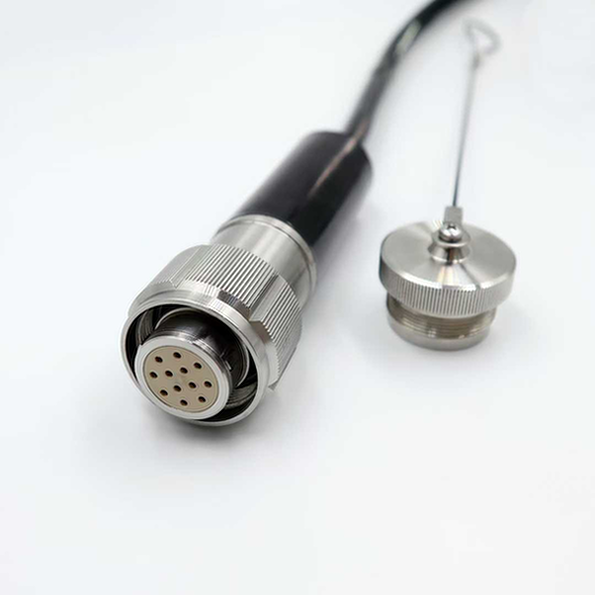
- Cap: Install protective caps
Cleaning Materials
Recommended
| Material | Purpose | Notes |
|---|---|---|
| Fresh water | Rinsing, soaking | Potable quality, no minerals |
| Mild dish soap | Cleaning solution | Non-corrosive, biodegradable |
| Lint-free wipes | Wiping surfaces | Don’t leave fibers |
| Soft brush | Scrubbing | Nylon bristles, non-metallic |
| Compressed air | Drying | Oil-free, moisture-free |
| Isopropyl alcohol | Final cleaning | 99% purity, evaporates quickly |
Avoid These
- ❌ Salt water (obviously)
- ❌ Harsh chemicals (bleach, ammonia)
- ❌ Abrasive cleaners (scouring pads)
- ❌ Paper towels (leave fibers)
- ❌ High-pressure spray (can force water into seals)
- ❌ Heat guns (can damage materials)
Drying Techniques
Manual Drying
- Shake off excess water
- Wipe with lint-free cloth
- Use compressed air for crevices
- Air dry in clean environment (30+ minutes)
- Verify completely dry before storage
Accelerated Drying
- Compressed air: Best method, reaches all areas
- Desiccant chamber: For thorough drying
- Low heat: <40°C, forced air circulation
- Avoid: Direct sunlight, high heat, ovens
Special Cleaning Scenarios
Heavy Salt Buildup
- Extended soak (30-60 minutes)
- Multiple rinse cycles
- Soft brush for crystallized salt
- Inspect for corrosion after cleaning
Sand or Sediment
- Initial rinse to remove loose particles
- Soak to loosen embedded sand
- Gentle brushing (don’t scratch)
- Compressed air to remove remaining particles
- Inspect mating surfaces carefully
Oil or Grease Contamination
- Degrease with isopropyl alcohol
- Wash with mild soap solution
- Rinse thoroughly
- Verify no residue remains
Biofouling (Algae, Barnacles)
- Soak in fresh water (30+ minutes)
- Gently remove organisms (plastic tool)
- Clean with mild soap
- Disinfect if needed (diluted vinegar solution)
- Rinse thoroughly
Post-Cleaning Inspection
Checklist
- □ No visible salt crystals
- □ No sand or debris
- □ O-rings clean and undamaged
- □ Mating surfaces smooth
- □ No corrosion visible
- □ Threads clean and undamaged
- □ Completely dry
Cleaning Frequency
| Usage | Cleaning Schedule |
|---|---|
| After each saltwater use | Full cleaning procedure |
| Freshwater use only | Rinse and dry (weekly deep clean) |
| Storage retrieval | Inspection and light cleaning |
| Before critical deployment | Full cleaning + inspection |
Preventing Salt Damage
- ✅ Rinse immediately after every saltwater exposure
- ✅ Never store connectors wet
- ✅ Keep freshwater rinse available on boat/dock
- ✅ Use protective caps during transport
- ✅ Regular inspection for early corrosion detection
Contact Us
Cleaning questions: [email protected]