Quick Answer
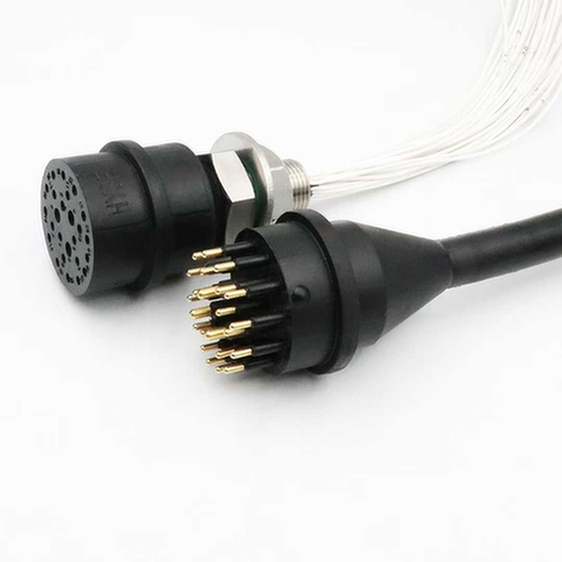
Store connectors clean, dry, and protected. Steps: 1) Clean thoroughly after use. 2) Dry completely. 3) Apply light silicone grease to O-rings. 4) Install protective caps. 5) Store in cool, dry place (15-25°C, <60% humidity). 6) Avoid UV exposure. Proper storage extends connector life 2-3x.
Storage Preparation Checklist
After Each Use
- □ Rinse with fresh water (remove salt, sand, debris)
- □ Clean with mild soap solution if needed
- □ Dry thoroughly with lint-free cloth
- □ Inspect for damage (O-rings, housing, contacts)
- □ Apply silicone grease to O-rings
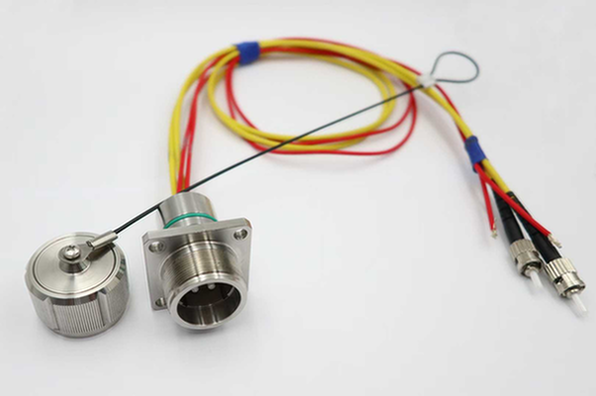
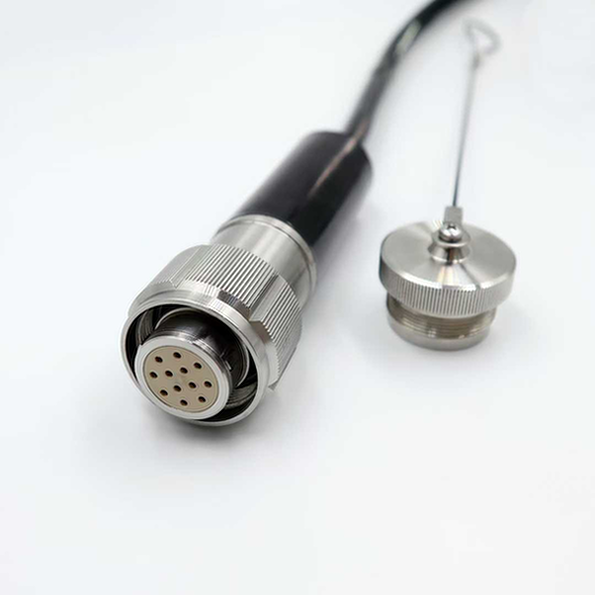
- □ Install protective caps on both ends
- □ Label with date and usage notes
Ideal Storage Environment
| Parameter | Ideal Range | Acceptable Range | Avoid |
|---|---|---|---|
| Temperature | 15-25°C | 5-35°C | Freezing or >40°C |
| Humidity | 30-50% | <60% | >70% (risk of corrosion) |
| Light | Dark or low light | Indirect light | Direct sunlight/UV |
| Air Quality | Clean, filtered | Normal indoor | Chemical fumes, ozone |
Storage Containers
Recommended Options
- Original packaging: Best option if available
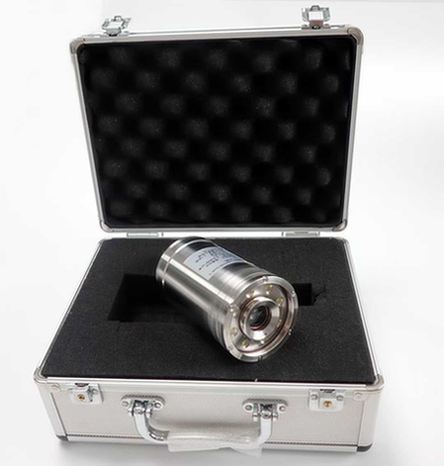
- Plastic cases: Sealed, with foam inserts
- Desiccant bags: Include silica gel packs
- VCI bags: Vapor corrosion inhibitor bags for metal protection
Storage Container Features
- ✅ Watertight seal
- ✅ Foam or cushioned interior
- ✅ Individual compartments for each connector
- ✅ Clear labeling area
- ✅ Desiccant holder
Long-Term Storage (>6 Months)
Additional Precautions
- Deep clean: Thorough cleaning before storage
- Extra lubrication: Heavier coating on O-rings
- VCI protection: Vapor corrosion inhibitor packs
- Climate control: Temperature-controlled environment
- Periodic inspection: Check every 3 months
- Re-lubrication: Refresh O-ring grease every 6 months
Storage Log Template
| Date | Connector ID | Condition | Action | Next Check |
|---|---|---|---|---|
| 2026-03-09 | HYSF-001 | Good | Stored | 2026-06-09 |
| 2026-03-09 | HYSF-002 | O-ring worn | Replaced O-ring | 2026-06-09 |
What to Avoid
Storage Mistakes
- ❌ Storing while wet or damp
- ❌ Leaving unprotected (no caps)
- ❌ Exposing to direct sunlight
- ❌ Storing in vehicles (temperature extremes)
- ❌ Placing near chemicals or solvents
- ❌ Stacking heavy items on connectors
- ❌ Allowing O-rings to dry out
Environmental Hazards
- Ozone: Degrades rubber O-rings (keep away from motors, generators)
- UV radiation: Damages housing materials
- Extreme temperatures: Affects material properties
- High humidity: Promotes corrosion
- Salt air: Accelerates metal corrosion
O-Ring Care During Storage
Recommended Lubricants
- Silicone grease: Best for most O-rings (Viton, Buna-N)
- Krytox: Premium option for demanding applications
- Avoid: Petroleum-based products (damage some O-ring materials)
Lubrication Frequency
| Storage Duration | Lubrication Schedule |
|---|---|
| Short-term (<1 month) | Once before storage |
| Medium-term (1-6 months) | Once before + once at 3 months |
| Long-term (>6 months) | Every 3 months |
Retrieving from Storage
Pre-Use Inspection
- Remove from storage container
- Inspect O-rings for dryness or damage
- Check housing for cracks or corrosion
- Verify contacts are clean
- Test electrical continuity
- Re-lubricate if needed
- Perform pressure test if stored >6 months
Storage Best Practices Summary
- ✅ Clean and dry before every storage
- ✅ Always use protective caps
- ✅ Store in climate-controlled environment
- ✅ Include desiccant in storage container
- ✅ Label with date and condition
- ✅ Inspect periodically during long storage
- ✅ Keep storage inventory log
Contact Us
Storage questions: [email protected]