Materials Science & Environmental Durability
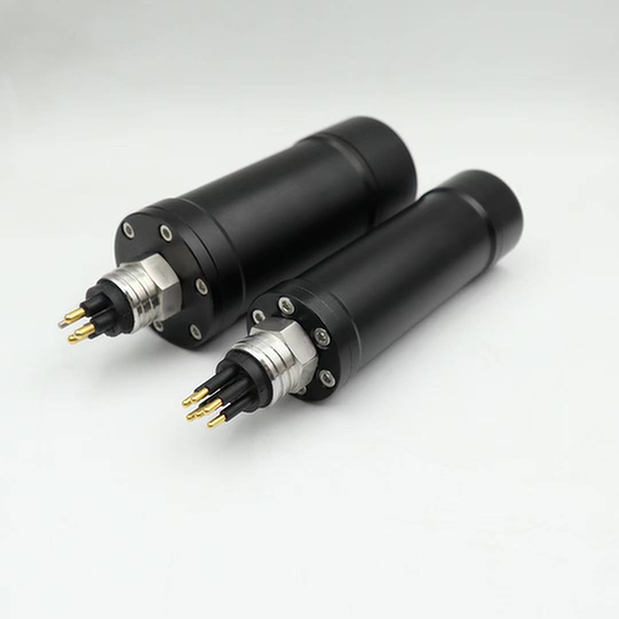
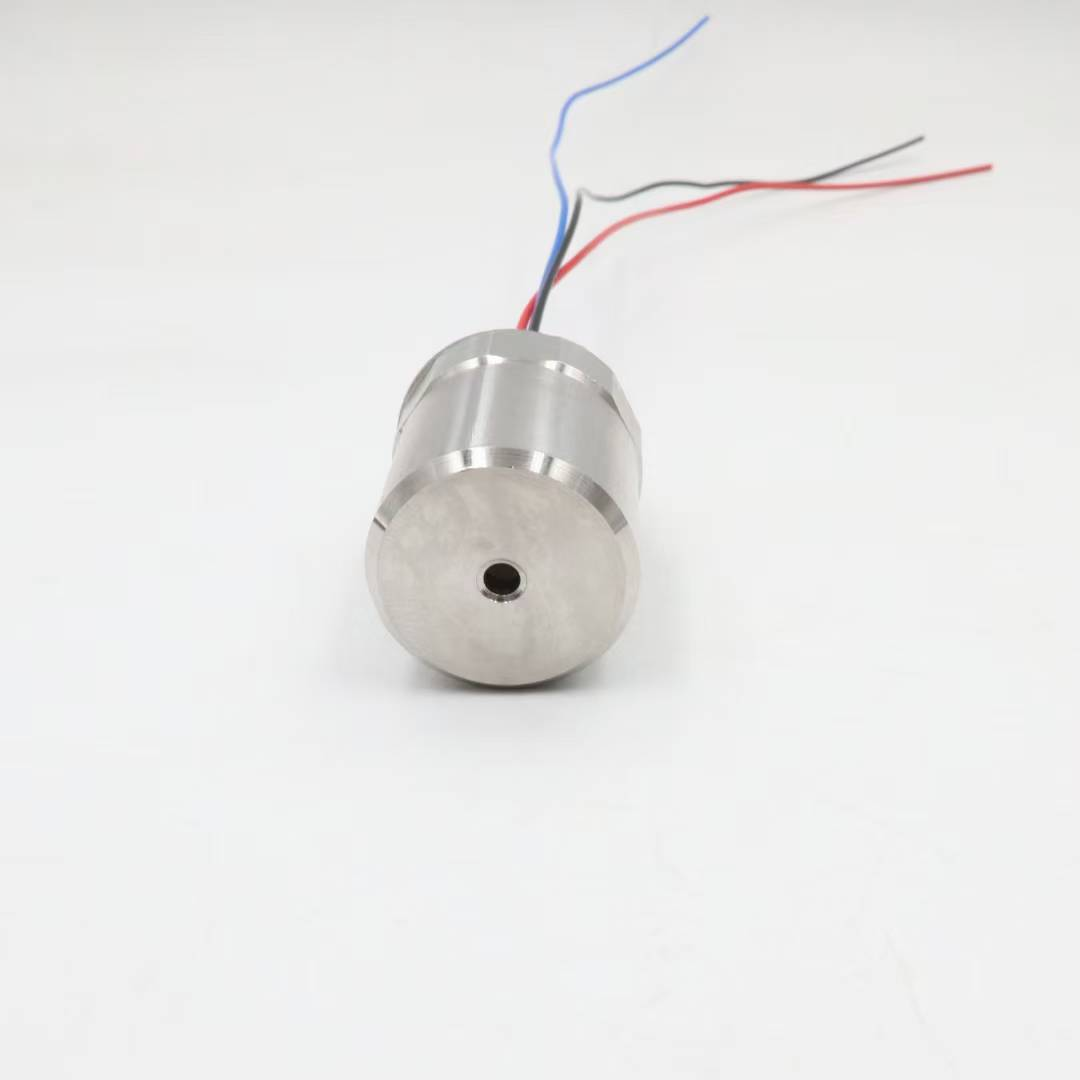
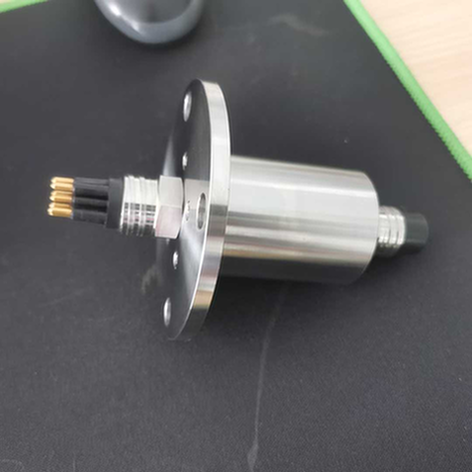
Built to survive the abyss. Understand our material selection logic—from 316L Stainless Steel to Titanium—and how we engineer resistance against corrosion and biofouling.
Material Science & Longevity FAQs
Do you offer PEEK connectors for specialized applications?
PEEK is the ultimate non-metallic solution.
Are HYSF connectors resistant to Sunlight and UV Radiation?
Surface durability is just as important as subsea performance.
How does HYSF prevent Cathodic Delamination?
If your ROV has Zinc anodes, the whole frame is electrically “active.”
What is the difference between Neoprene and Polyurethane (PUR) bodies?
The rubber body is the heart of the seal.
Why use Marine Bronze (Aluminum Bronze) for some connectors?
Biofouling is a major issue for sensors deployed in the “Photic Zone” (sunlight zone).
How does HYSF prevent Galvanic Corrosion (Dissimilar Metal Corrosion)?
Your connector is part of a larger electrical system.
When should I choose Titanium over Stainless Steel?
While 316L is good, Titanium is the ultimate subsea metal.
What standard materials are used for HYSF connector shells?
Material selection is the first line of defense against the ocean.
Ready to verify our manufacturing capabilities?
Download our full Company Presentation or schedule a virtual factory tour today.
Proven Solutions in the Field
A showcase of our successful collaborations with global marine robotics, energy, and research partners. Every project reflects our commitment to zero-leak integrity and operational reliability.
Start Your Subsea Project with HYSF
Whether you need a quick quote for standard connectors or a complex custom cable assembly, our engineering team is ready to assist. Expect a technical response within 12 hours.
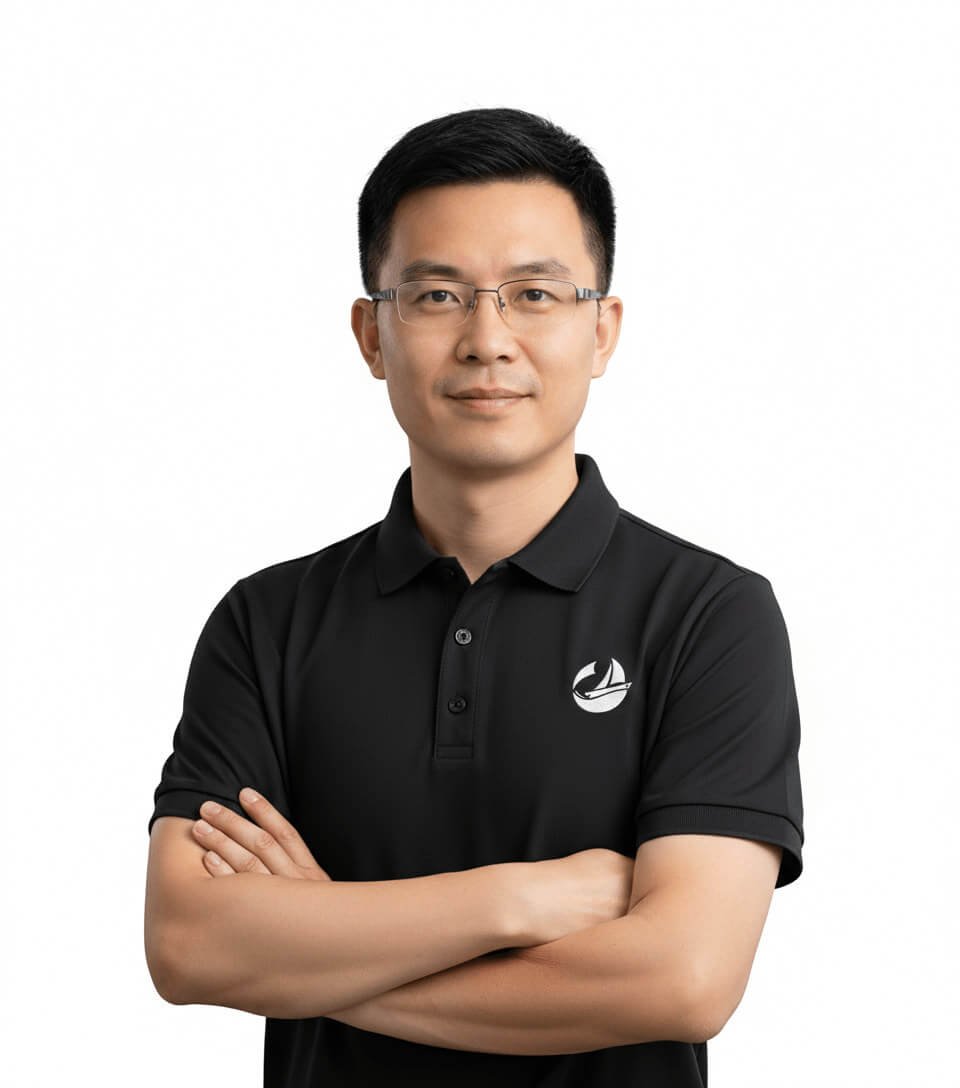
John Zhang
CEO
- info@hysfsubsea.com
- +86 13942853869



- Our team will answer your inquiries within 12 hours.
- Your information will be kept strictly confidential.
 English
 Spanish
 Russian
 French
 German
 Korean
 Japanese
 Arabic
 Thai
Thai Danish
 Norwegian