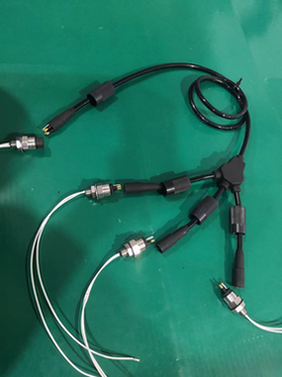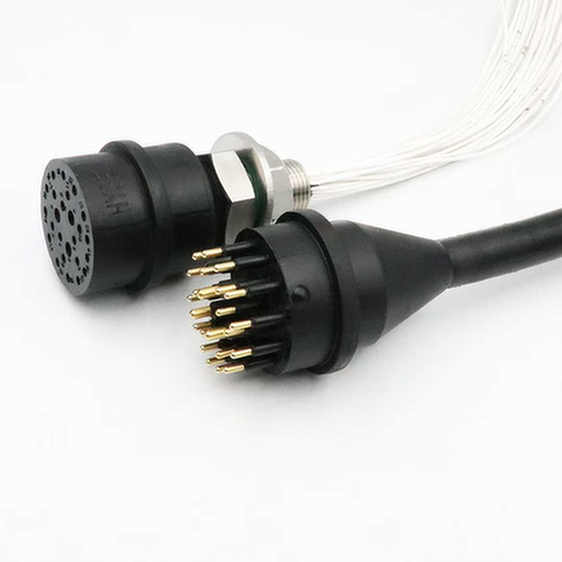
How do I install the Bulkhead (BCR) onto my housing?

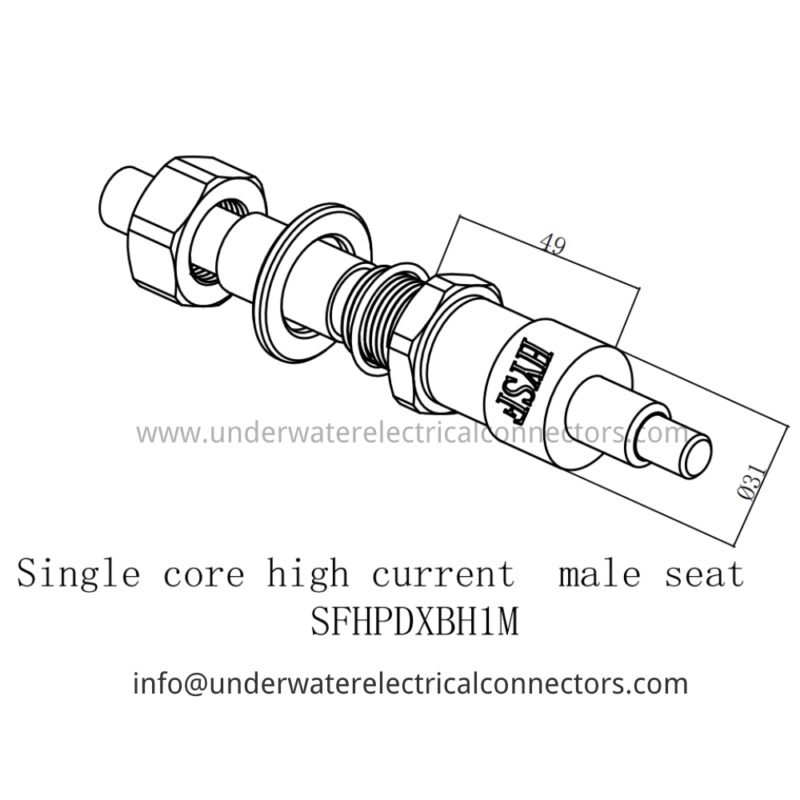
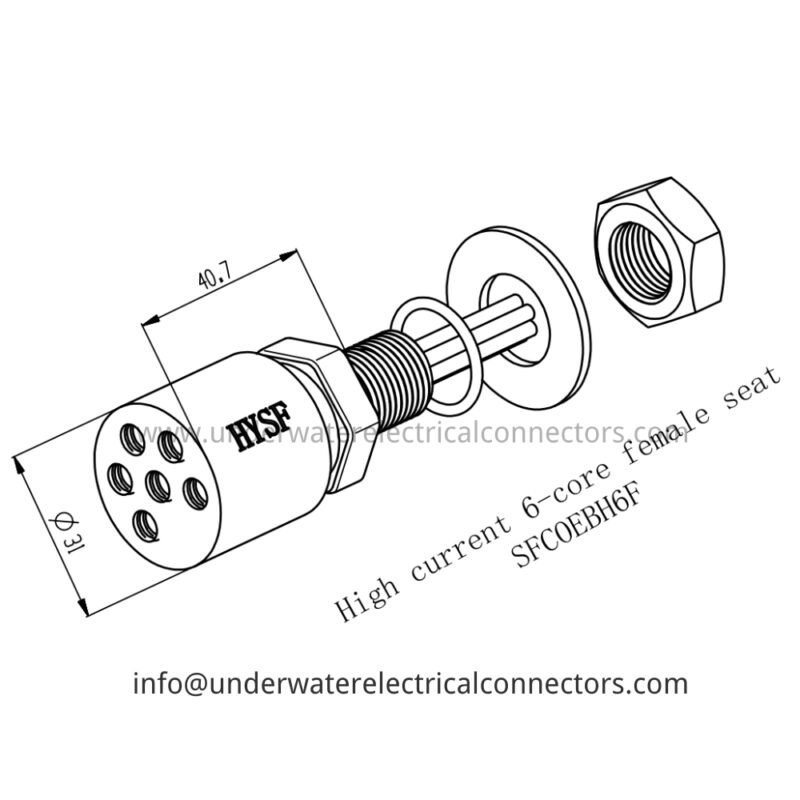
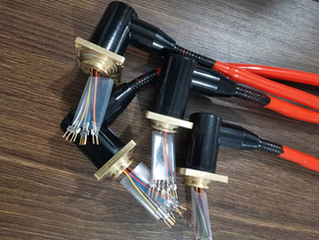
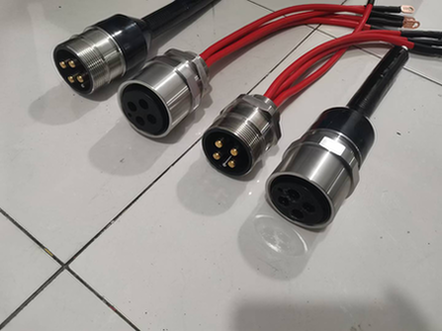
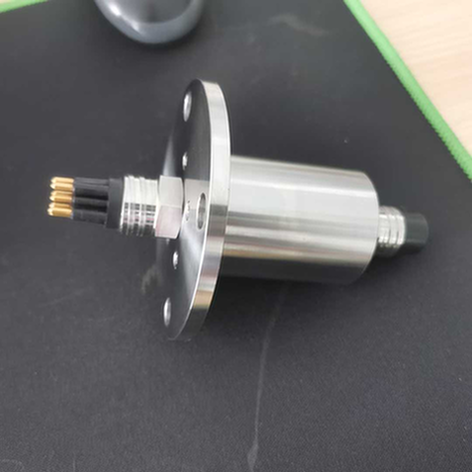
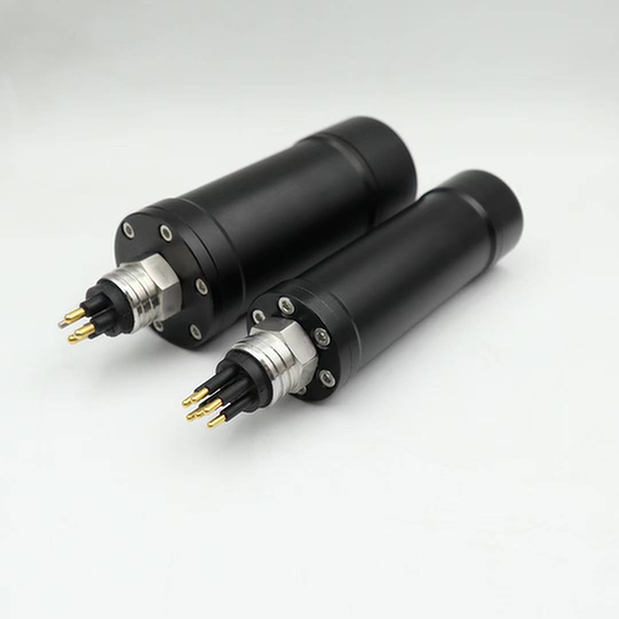
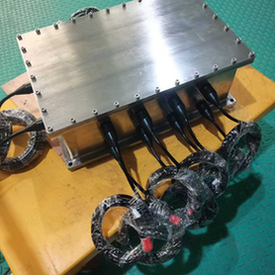
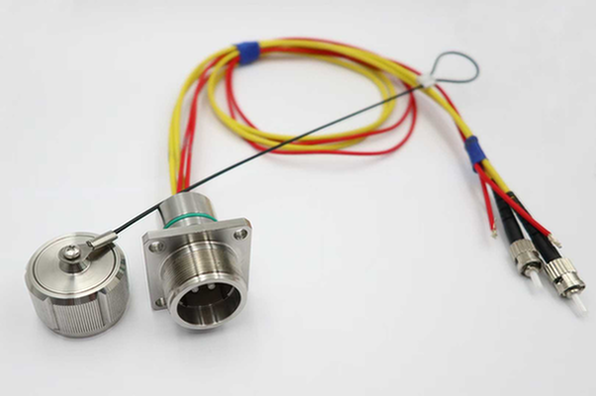
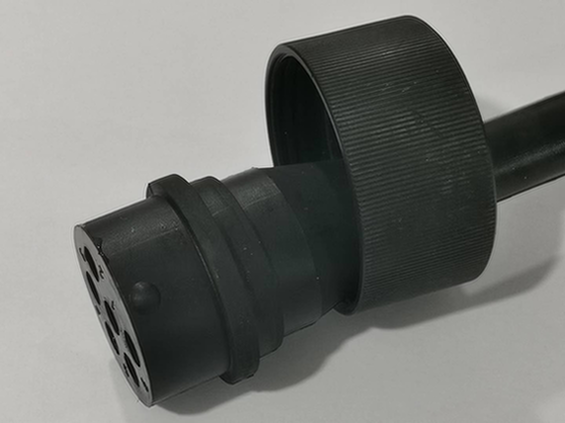
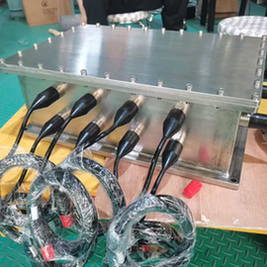
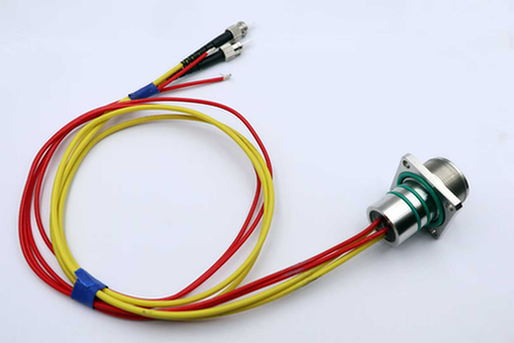
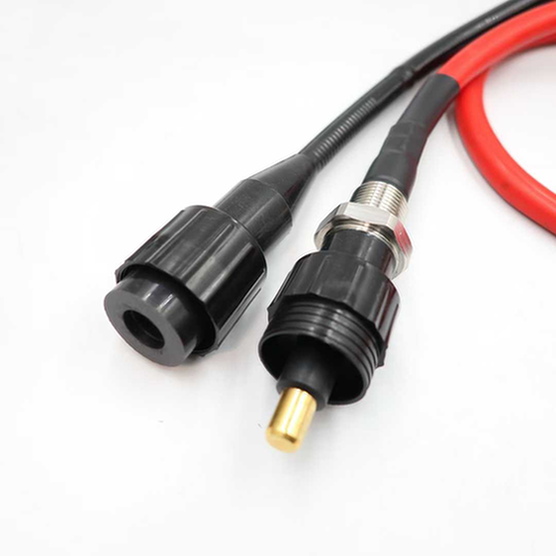
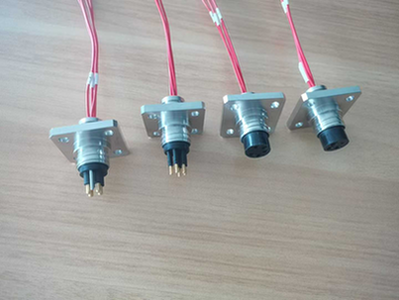
Ensure the mounting surface is smooth (Ra 1.6) and clean. Install the connector with the provided O-ring and Washer. Tighten the nut to the recommended torque (e.g., 4.5 – 5.5 Nm for 7/16-20 UNF). Do not use thread locker (Loctite) on the plastic threads unless specified, as some chemicals attack the connector body.

The bulkhead interface is the most critical leak path.

  • Hole Prep: The through-hole should have a small chamfer (0.5mm) to help the O-ring seat.
  • Washer: Always place the washer between the nut and the inside wall of your housing to prevent the nut from digging into the material while turning.
  • Torque: Use a torque wrench. Under-tightening causes leaks; over-tightening extrudes the O-ring.
  • Orientation: Ensure the “Key” or Guide Pin is oriented correctly (usually facing up) before tightening the nut, so your cables hang naturally.
Picture of John Zhang

John Zhang

(CEO & Lead Engineer)
Email: info@hysfsubsea.com
With over 15 years of expertise in subsea interconnect technology, I lead HYSF's R&D team in designing high-pressure (60MPa) solutions. My focus is on ensuring zero-leakage reliability for ROVs, AUVs, and offshore instrumentation. I personally oversee the validation of our custom connector prototypes.

Have a complex technical question?

Proven Solutions in the Field

A showcase of our successful collaborations with global marine robotics, energy, and research partners. Every project reflects our commitment to zero-leak integrity and operational reliability.

Start Your Subsea Project with HYSF

Whether you need a quick quote for standard connectors or a complex custom cable assembly, our engineering team is ready to assist. Expect a technical response within 12 hours.

John Zhang

CEO

Jason Liu
Kevin Wang
Cindy Chen
Lily Li
Contact Form Demo