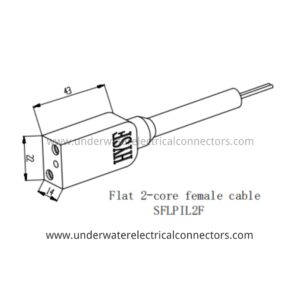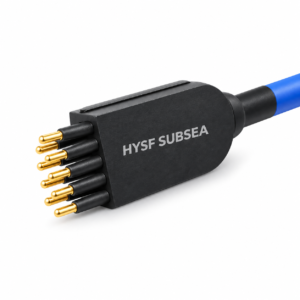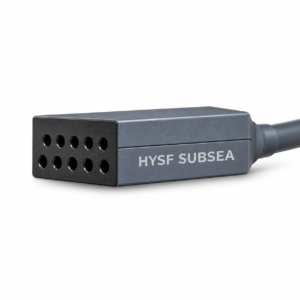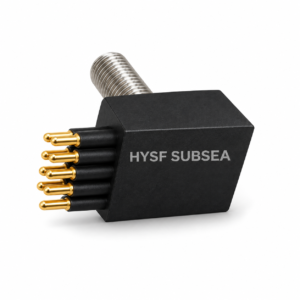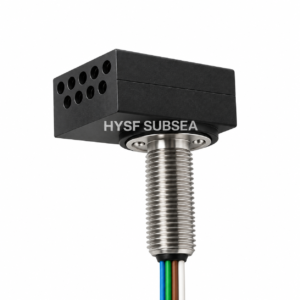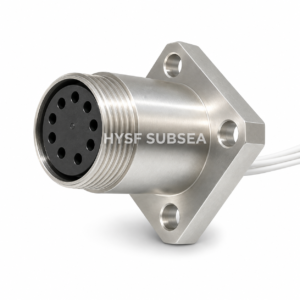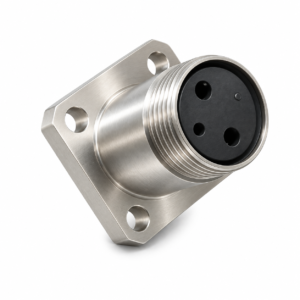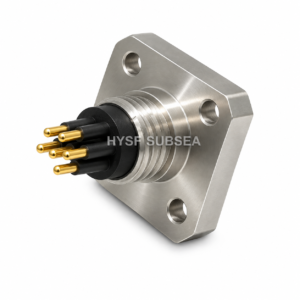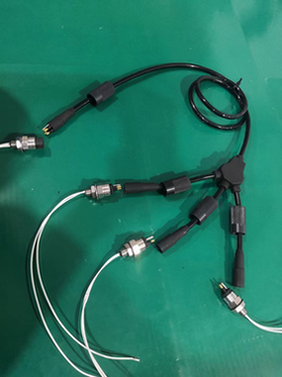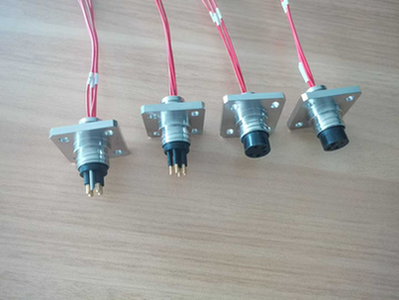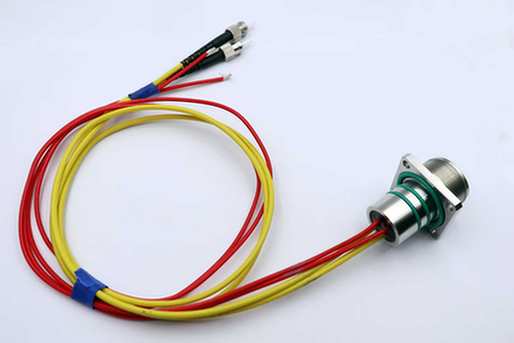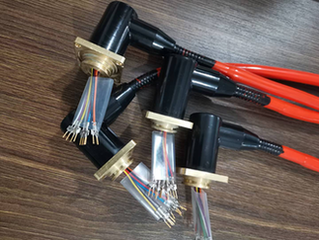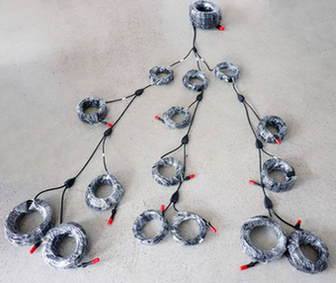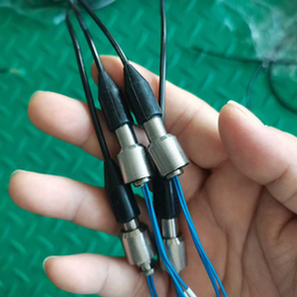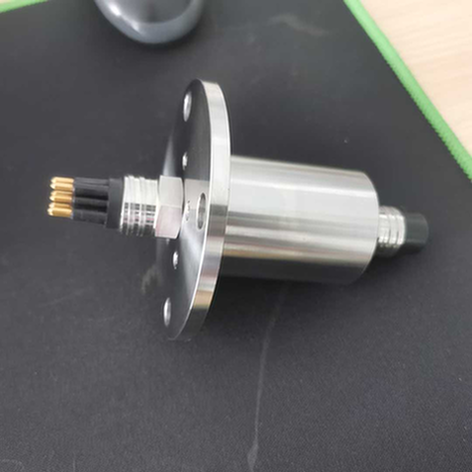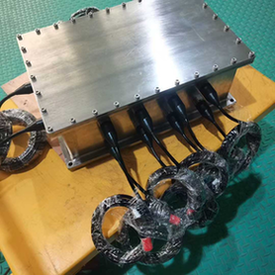
Not long ago, most underwater cameras sent analog video and most sensors used simple serial lines. Today, ROVs, AUVs and seabed instruments increasingly run on Ethernet. IP cameras, multibeam sonar, networked sensors and onboard computers all expect a stable network link, and that link has to survive pressure, salt water and constant handling.
A subsea Ethernet connector makes that possible. But Ethernet is far less forgiving than a basic power line. Poor shielding, the wrong pin layout or a long unshielded run can quickly turn a gigabit link into dropped packets and frozen video. This guide explains what makes a subsea Ethernet connector different, and what engineers and buyers should check before choosing one.
What Is a Subsea Ethernet Connector?

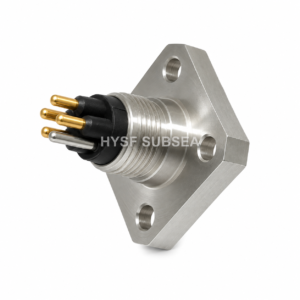
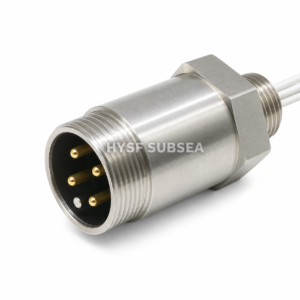
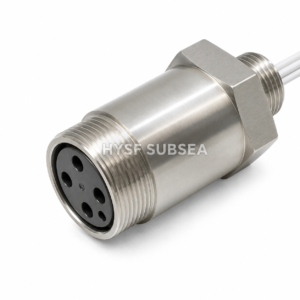
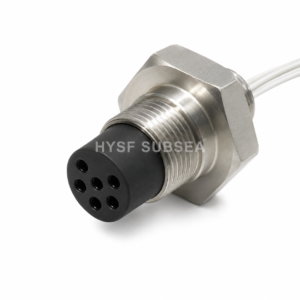
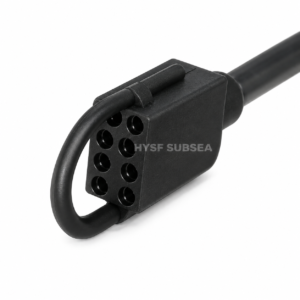
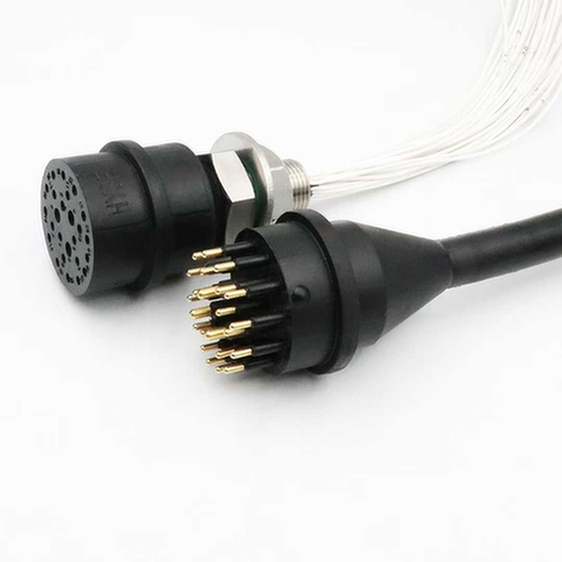
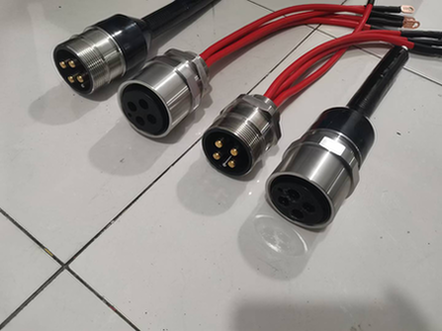
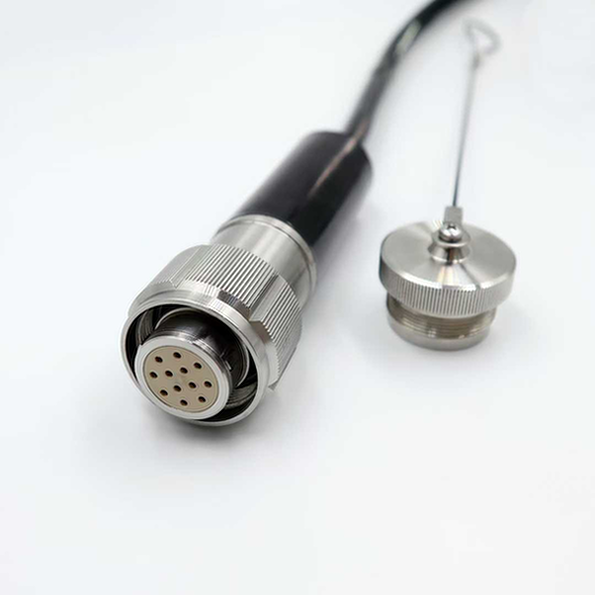
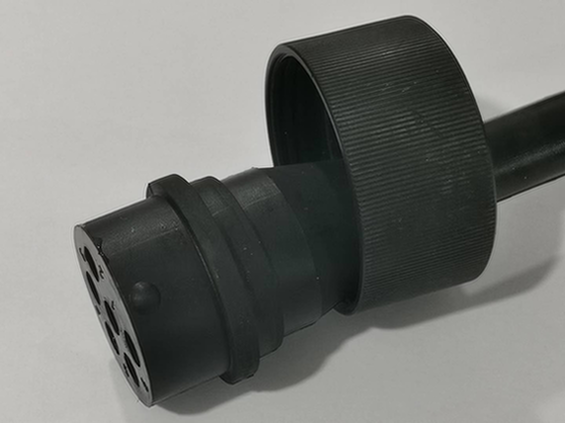
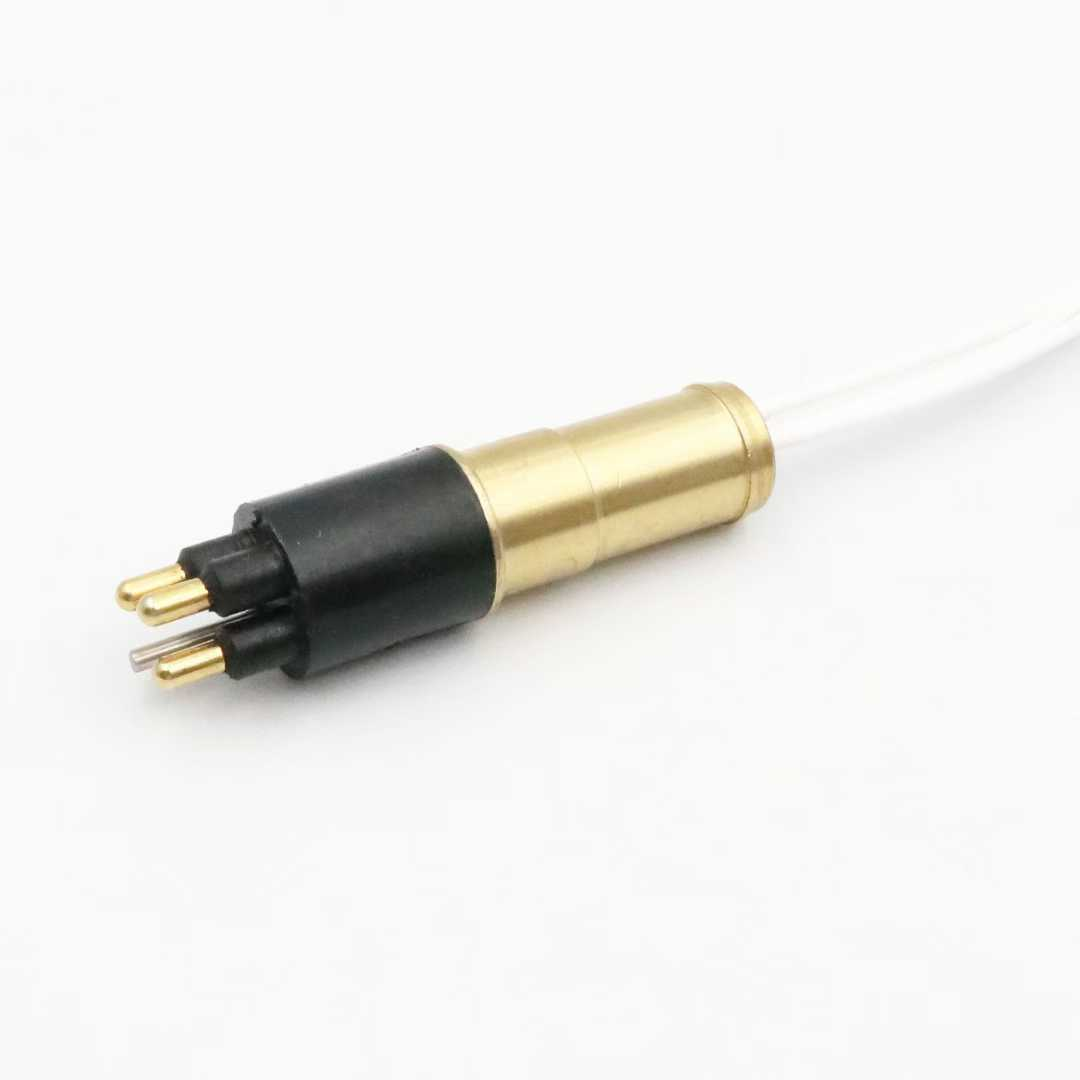
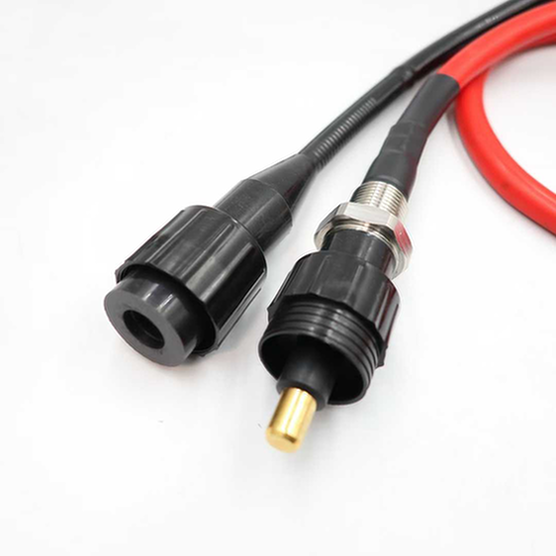
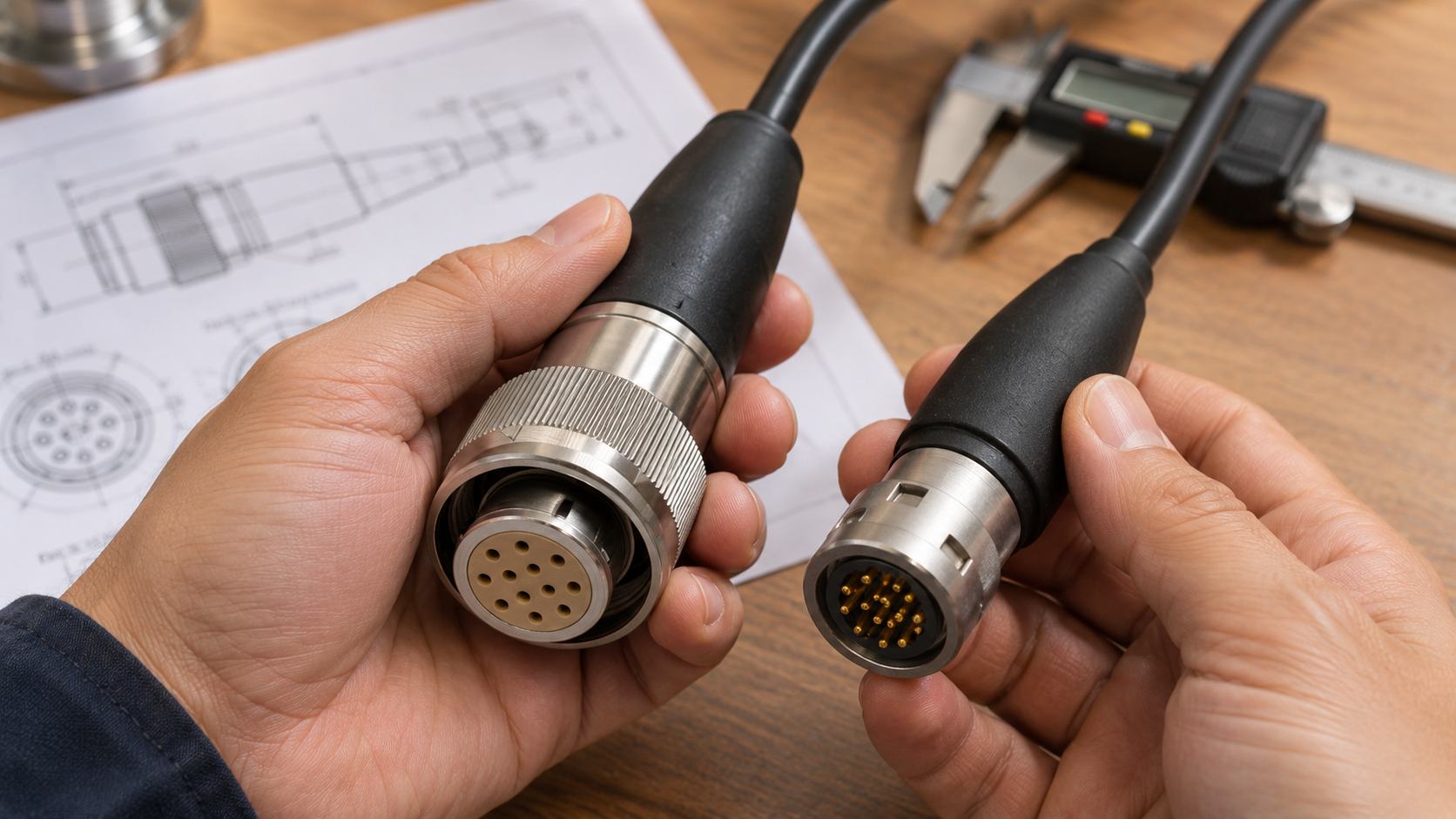
A subsea Ethernet connector is a watertight connector and cable assembly designed to carry Ethernet data underwater. It works like a standard network connection based on IEEE 802.3 Ethernet, but the contacts, cable and seals are built for pressure and seawater.
Most designs use the same circular, wet-mateable format as other micro subsea connectors, with extra attention to two things:
- Twisted pairs, so each data pair keeps the geometry Ethernet needs
- Shielding, so nearby power lines and thrusters don’t corrupt the signal
Why Shielding and Twisted Pairs Matter Underwater
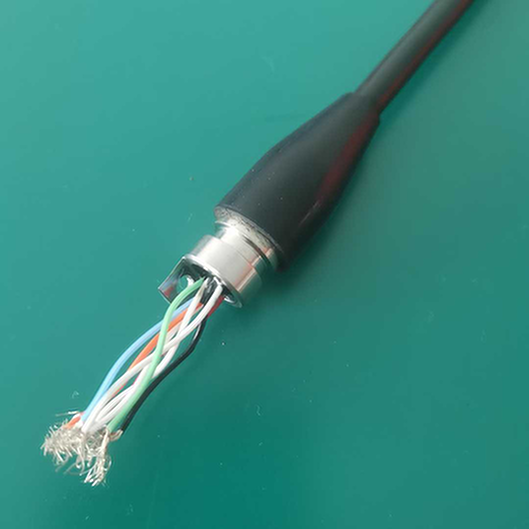
Ethernet relies on twisted-pair cabling. Each pair is twisted so that interference affects both wires equally and cancels out at the receiver. If the pairs are untwisted inside a connector or run next to noisy power lines without protection, crosstalk and signal loss increase.
On an ROV, that noise is everywhere. Thrusters, lights and motor drivers all sit close to the data lines. That’s why a good subsea Ethernet connector keeps the pairs twisted through the cable and adds shielding around them. HYSF’s Gigabit Ethernet assemblies, for example, use shielded twisted pairs with an aluminum foil and tinned copper braid shield to limit crosstalk and attenuation, even when running alongside power cables.
Data Only or Data Plus Power?
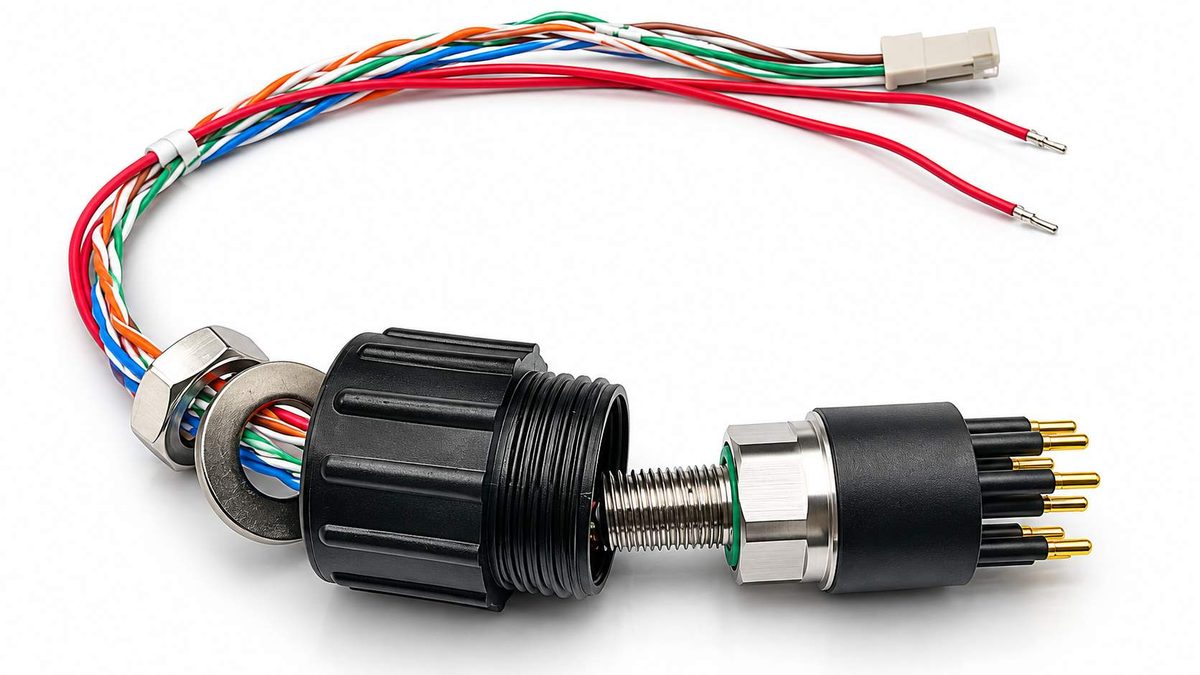
One of the first design choices is whether the connector carries only data or both data and power.
| Layout | Typical use | Example (HYSF series) |
|---|---|---|
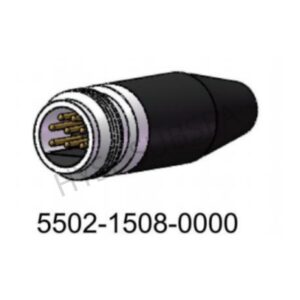
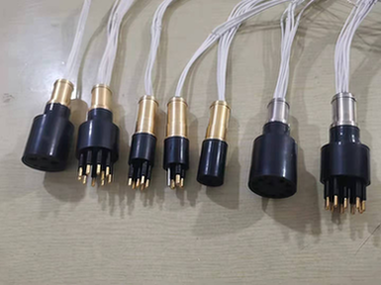
| 8-pin data only | IP cameras or sensors with separate power | 8-pin, 7/16-20UNF |
| 10-pin (2 power + 8 data) | Camera or sensor powered through the same connector | 10-pin, 1/2-20UNF |
| 12 to 16-pin (power + data) | Devices that need several power lines plus Ethernet | 12, 13 and 16-pin, 1/2-20UNF |
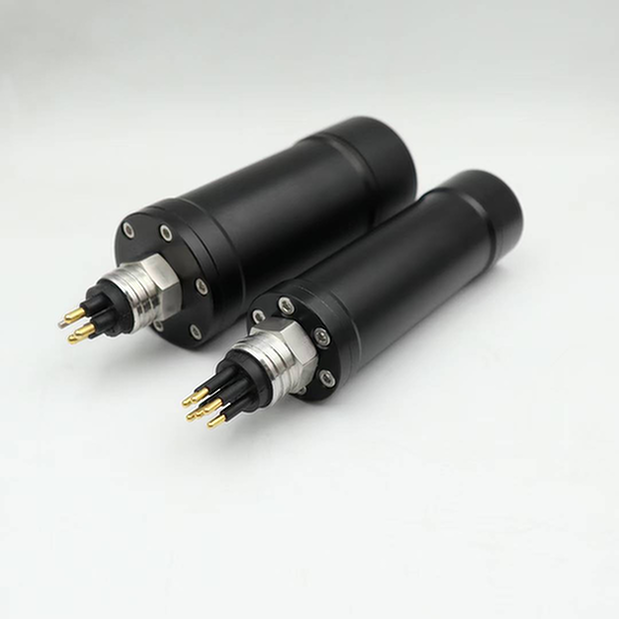
Combining power and data in a single connector saves space and reduces the number of penetrations in a housing, which is always a good thing underwater. In HYSF’s range, the power contacts in combined layouts are rated at 7A, while the data contacts are rated at 2A.
Some systems also use Power over Ethernet (PoE), which sends power through the data pairs themselves. If you plan to use PoE, confirm that the connector’s contacts and cable are rated for the extra current.
Key Specifications to Check
When comparing subsea Ethernet connectors, look beyond the pin count:
- Data rate. Gigabit (1000 Mbps) is now standard for HD video and multi-sensor systems. Some applications need even higher speeds.
- Pressure rating. Pressure increases by about one atmosphere every 10 metres. HYSF’s Ethernet series is rated to 60 MPa, suitable for depths of up to 6,000 metres.
- Electrical ratings. Check voltage, contact resistance and insulation resistance. HYSF lists 550V, under 0.01Ω contact resistance and at least 200 MΩ insulation resistance at 1000V DC.
- Temperature range. Important for polar work, shallow tropical water or equipment that heats up internally. HYSF’s series covers -60°C to +80°C.
- Mating life. Cameras and sensors on ROVs are swapped often. Look for a high number of mating cycles, such as more than 500.
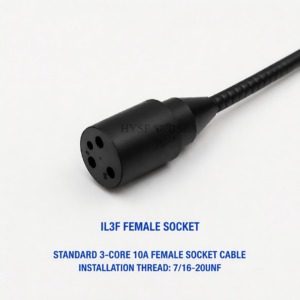
- Mounting thread. Confirm the bulkhead thread matches your housing, typically 7/16-20UNF or 1/2-20UNF for micro Ethernet connectors.
Cable Length and Network Design
Copper Ethernet has a practical segment limit of about 100 metres. That’s plenty for links inside a vehicle or between nearby instruments, but not for a long tether back to the surface.
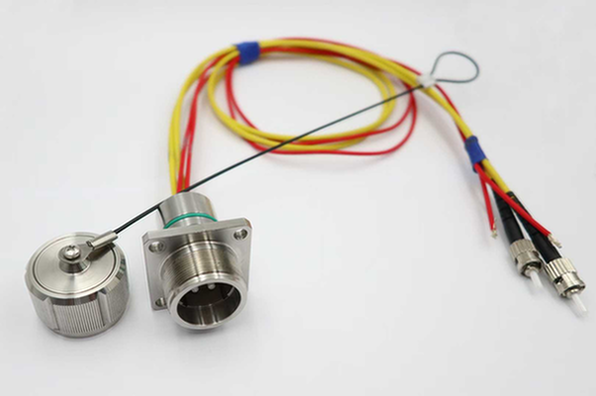
For longer runs, most systems switch to fiber at the vehicle or use a media converter, and keep copper Ethernet for short links between the vehicle’s cameras, sensors and onboard switch. Planning this split early avoids redesign later.
Compatibility With Existing Systems
Many ROVs and instruments already use industry-standard micro Ethernet connectors. If you’re replacing or adding parts, a compatible subsea Ethernet connector lets you keep your existing bulkheads and cables. HYSF’s Gigabit Ethernet series is designed to match SubConn and SeaCon pin profiles and spacing. Our guide to SubConn compatible connectors explains how to verify fit before switching, and the HYSF Cross Reference Tool can help match part numbers.
Where Subsea Ethernet Connectors Are Used

- ROVs and AUVs: IP cameras, sonar, navigation sensors and onboard networks. See our ROV connectors guide for the full picture.
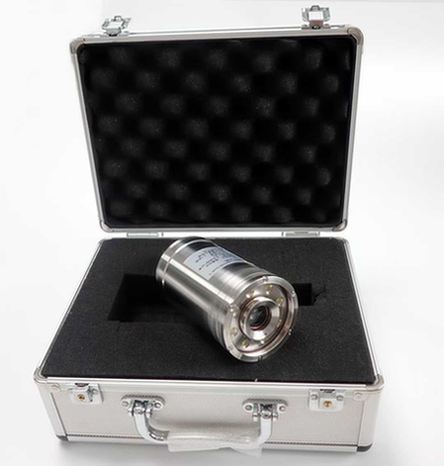
- Underwater camera and lighting systems: HD video feeds for inspection and monitoring
- Seabed observatories: hydrophone arrays, seismic sensors and environmental monitoring
- Offshore energy: monitoring nodes on offshore wind, tidal and oil and gas infrastructure
Frequently Asked Questions
What is a subsea Ethernet connector?
A subsea Ethernet connector is a watertight connector and cable assembly that carries Ethernet data underwater, using shielded twisted pairs and pressure-rated seals to keep the network link stable at depth.
Can one connector carry both power and Ethernet?
Yes. Layouts such as 10, 12, 13 and 16-pin combine power contacts with Ethernet pairs, so a camera or sensor can be powered and networked through a single connector.
How deep can a subsea Ethernet connector go?
It depends on the model. HYSF’s Gigabit Ethernet series is pressure tested to 60 MPa, which corresponds to around 6,000 metres of seawater.
How long can a copper Ethernet run be underwater?
Copper Ethernet segments are generally limited to around 100 metres. For longer distances, such as ROV tethers, fiber optics are usually used.
Are HYSF Ethernet connectors compatible with other brands?
HYSF’s Gigabit Ethernet series is designed to match SubConn and SeaCon pin profiles and spacing. Always confirm fit with drawings or a sample before a volume order.
Final Thoughts
A reliable subsea Ethernet connector is what turns an underwater camera or sensor into a dependable part of your network. Focus on shielding, the right power-plus-data layout, depth rating and compatibility, and plan copper and fiber runs early.
To find the right Ethernet layout for your system, contact the HYSF engineering team or explore the Gigabit Ethernet series.